As the wind rocks us, and the rain soothes us, Kiwi and I enjoy a little excursion.
Hardly little when we drove from our home to Portsmouth and then to Lymington to catch the ferry to the Isle of Wight.
I came here once before with my mum when I was in middle school I think. Or maybe high school. We brought my friend Judith too.
We stayed in a B & B and went to the beach everyday. It was gorgeous. Now looking back, it seems weird going away on holiday with a school friend. But that’s what we’d do back then.
I say weird, but here I am away with my Uni friend Alex and his partner. So go figure.
It’s forecast wind for the weekend and showers. So let’s see how it goes. I’m not complaining because I’m mighty cosy inside Kiwi.
I’m slowing all the way down. Appreciating the time and space, dropping out of time and space for a little while. I’m taking to {BEING} this more and more these days. Figuring out that rest, slow and {BEING} on my own terms is all I ever want in this life.
And I’m not going to given this. I have to take it.
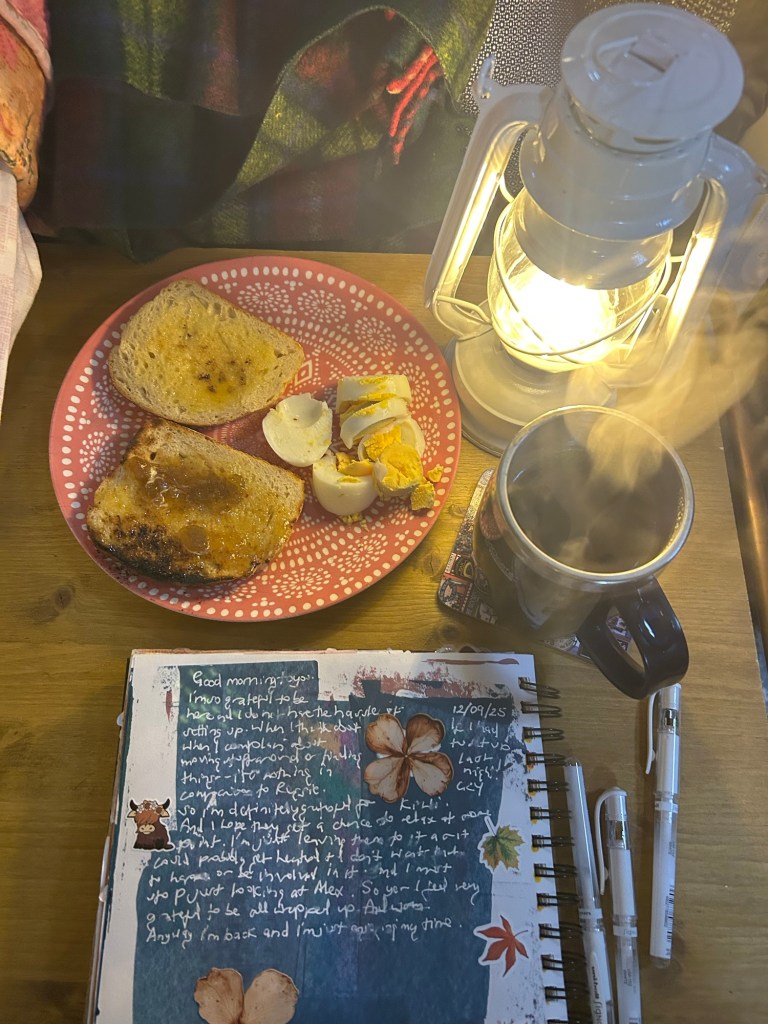
A while ago, I got the idea into my head to make junk journals to sell on Etsy. I got a variety of papers and cardboards and ephemera together to make them and enjoyed the process.
While decluttering last month, I found my stash of handmade junk journals. I’d sold none. I’m not even sure if I’d put them up for sell. Sometimes as a creative, you can have these ideas and instigate them only to fall short of the finish line. Something else might take your attention away, something more shiny or you could allow fear and doubt to step in and paralysis the process from moving any further.
I’m not sure what happened with these junk journals but I felt the urge to just use them on my return from Iceland.
I need something that’s self contained and discreet as I put myself back together after the time away. I felt free and unhurried and playful while away. Now back I have to slip back into responsibilities and worries and demands from others, and to be honest it’s a rough textured blanket against my skin at the moment.
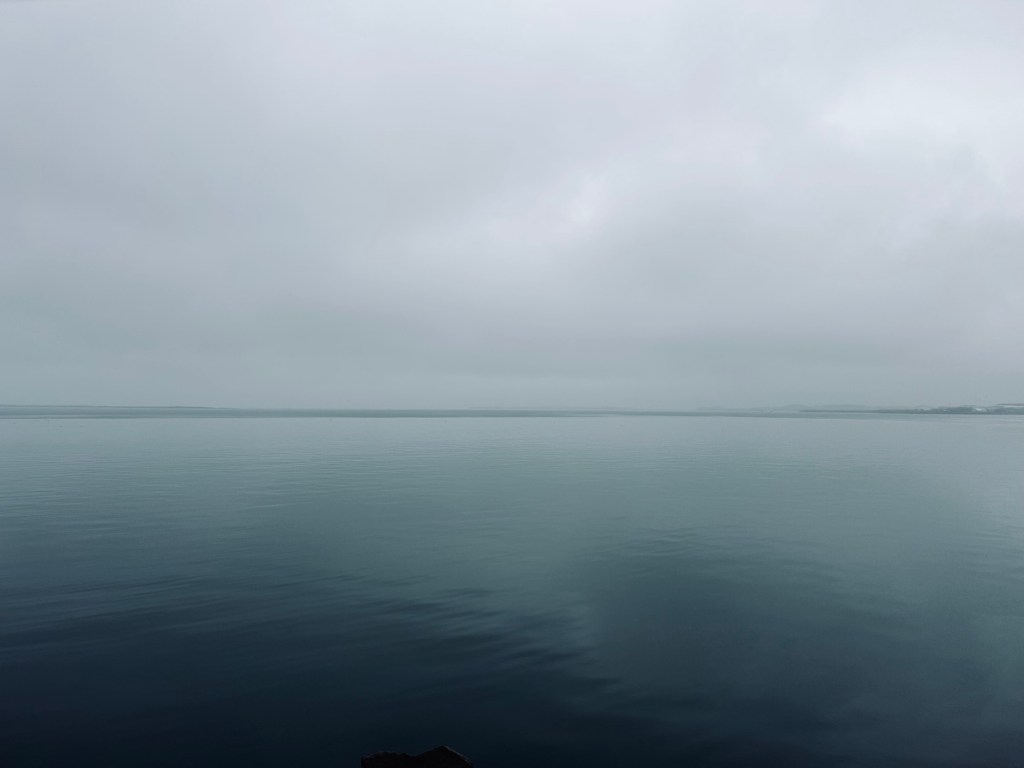
I’m still remembering and wanting to be with the smooth soft caresses of Iceland. And dream into the landscape.
So maybe keeping the bar low. Just making sure I turn up to the page daily and working out the feelings and kinks is enough right now.
Almost like beginning again. Each new day is day one. No pressure and no comparisons just be. I feel attempting this in a clean journal, a clean slate is doable at the moment.
Hence cracking open my homemade junk journal and just allowing whatever needs to turn up, turn up.
I first ventured into Iceland 9 years ago to heal after the shit hit the fan episode. Taking the risk to travel around an island I didn’t know alone built up my confidence and belief in myself. I felt better and ready to start over after that first visit.
Now after my 5th or 6th visit to Iceland, she’s done it again. She’s helped me heal. She’s filled my pot once more with curiosity and love and I’m so grateful for the care she’s shown me.
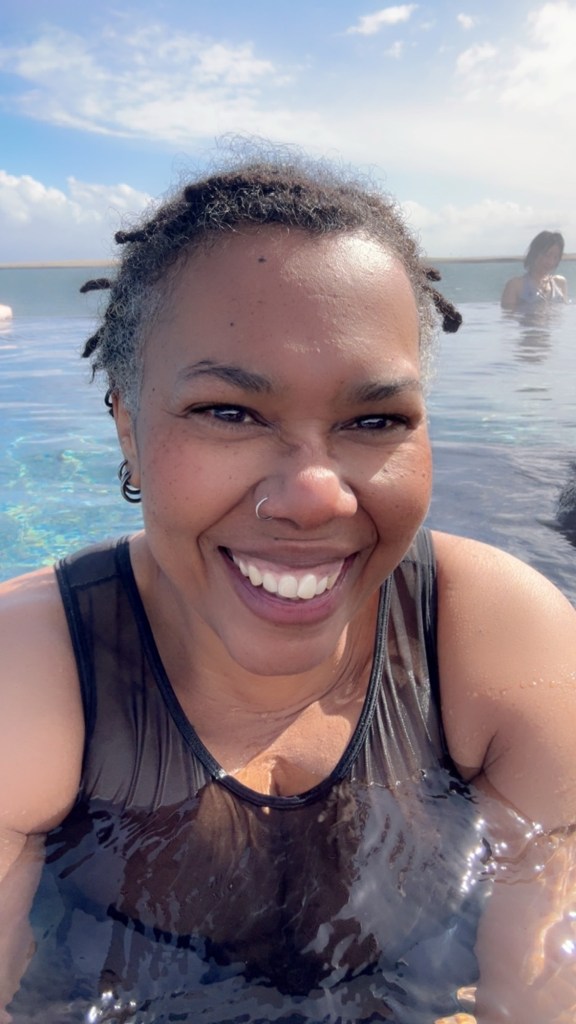
It was shocking weather while away. Rain every day. But I’m not complaining as I had the gear to protect me. And on my last day on my trip to Sky Lagoon, there was rain, hail , snow, sun and a cold wind all within a matter of hours of each other. It was wild. I was lucky to be walking in it all at the time and I got sore teeth. Because I was grinning like the big kid I am through it all.
I’m not sure when or if I’ll return to Iceland again. I hope I do. But I have strict instructions to take Miss Ella next time. Until then, I’m more than happy to relive the memories and experiences of this trip. There might be some writing and creations I’ll be sharing here over the coming months as I work through them all.
The Snæfellsnes Peninsula is a region in western Iceland known for its dramatic landscapes.
A break in the clouds at Ytri-Tunga- a seal watching place. I saw no seals!
At its western tip, Snæfellsjökull National Park is dominated by Snæfellsjökull Volcano, which is topped by a glacier. Today this was hidden in cloud.
Arnarstapi
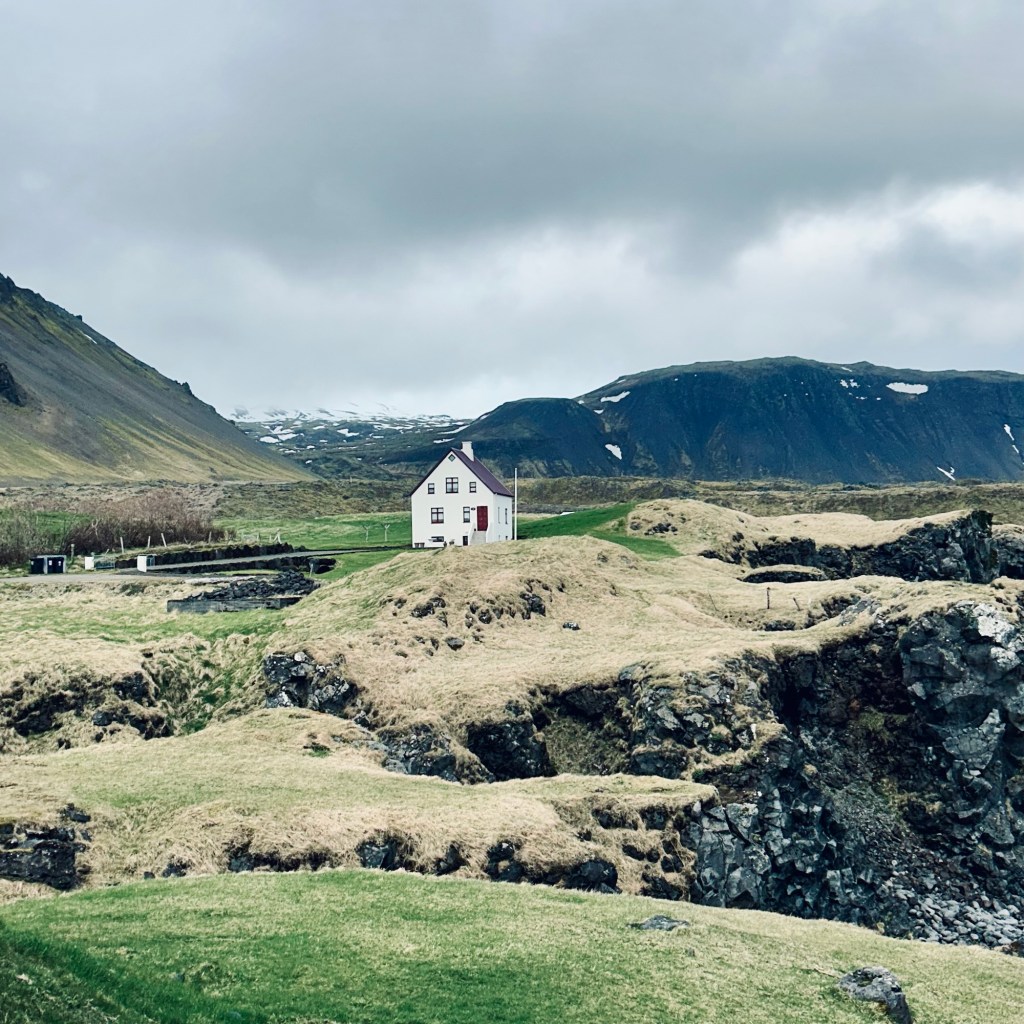
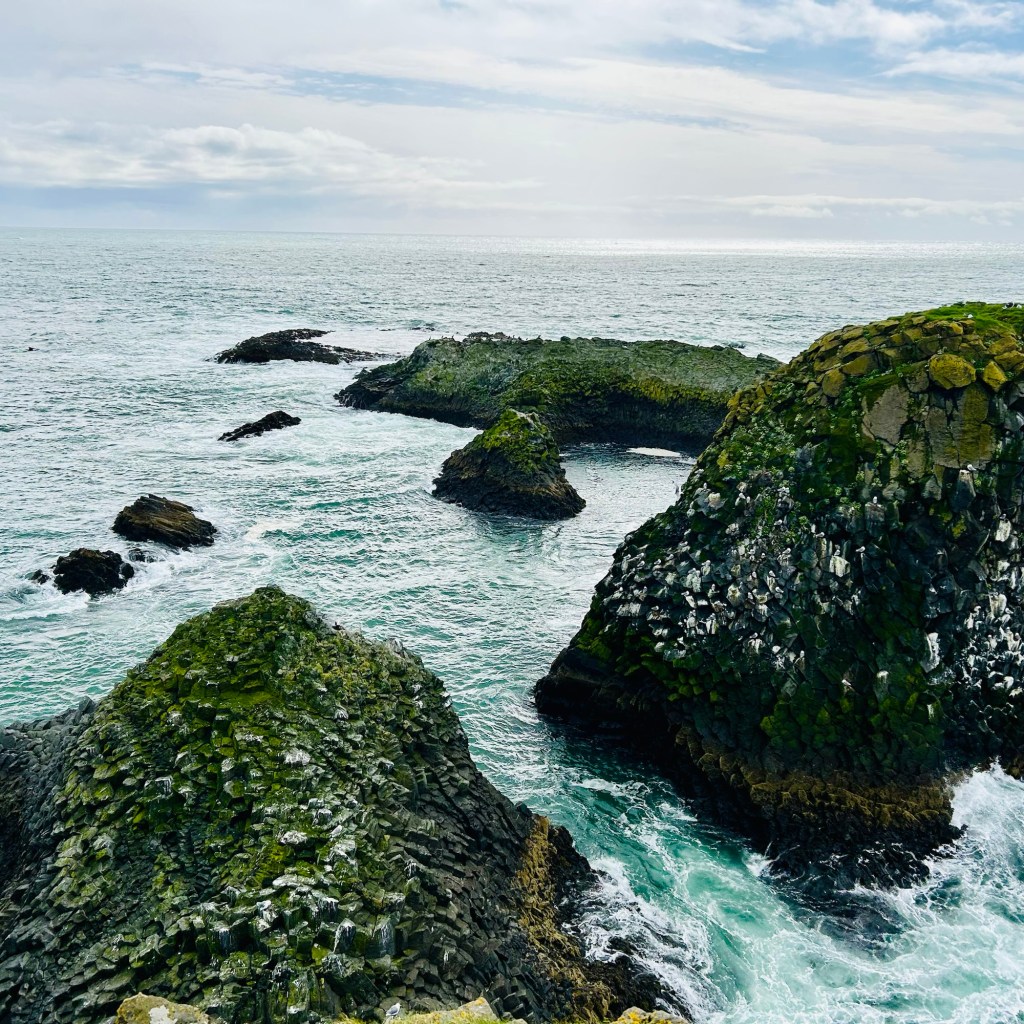
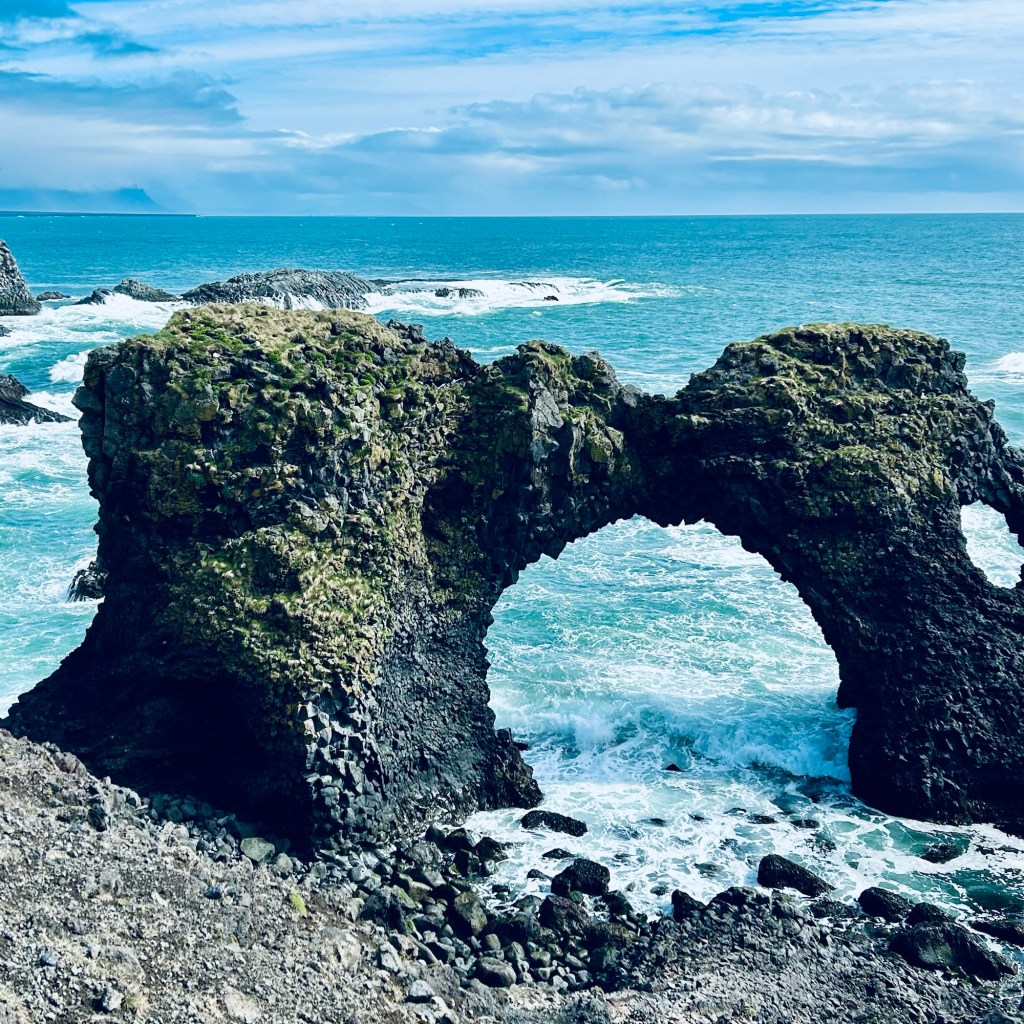
Arnarstapi is a picturesque fishing village on the southern side of the Snaefellsnes peninsula. It’s dominated by a stunning coastline of natural formations.
Arnarstapi
Dramatic coastline, shaped by centuries of volcanic activity and relentless ocean waves, is lined with towering basalt cliffs, natural arches, and sea caves that shelter a variety of seabirds, so says the Guide of Iceland and I cannot disagree. Being here and walking the trail, I finally felt as if I’d arrived. Settled into Iceland, in this body, in this moment.
Arnarstapi
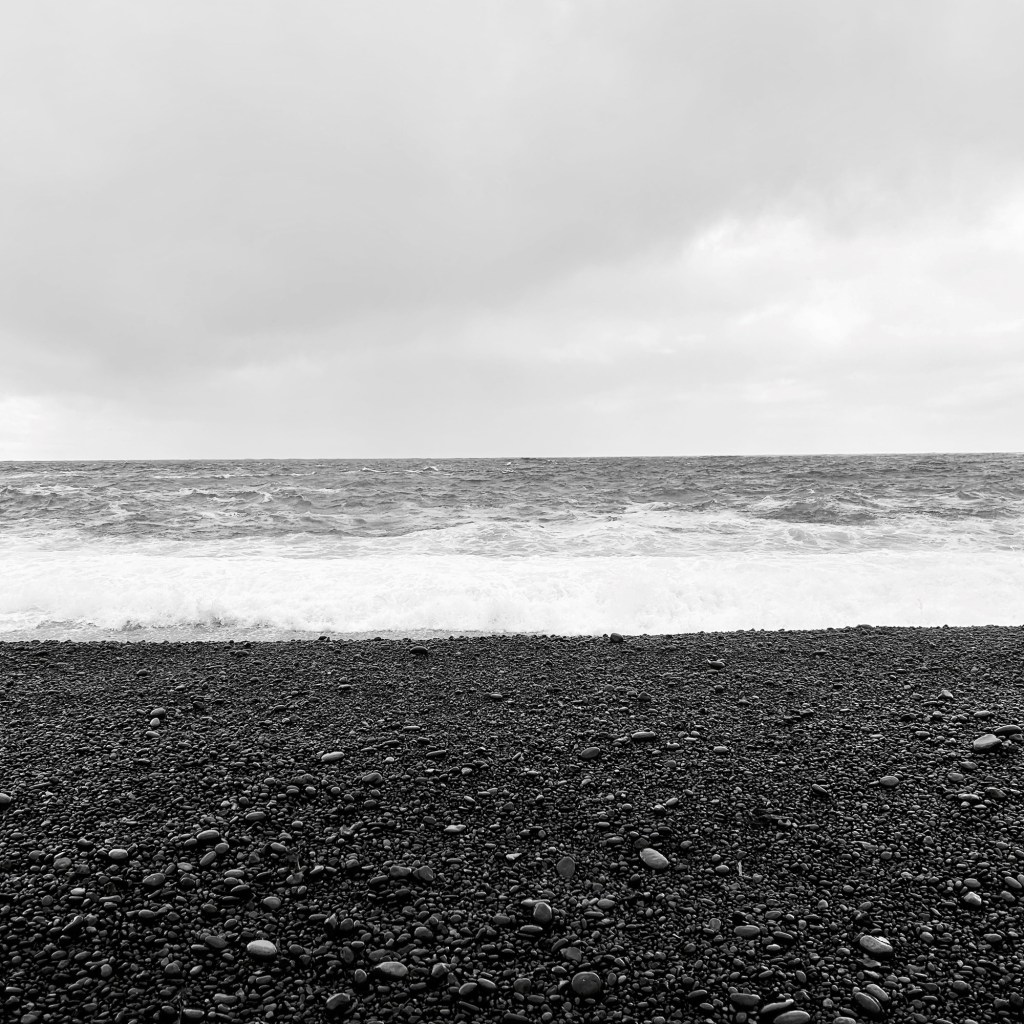
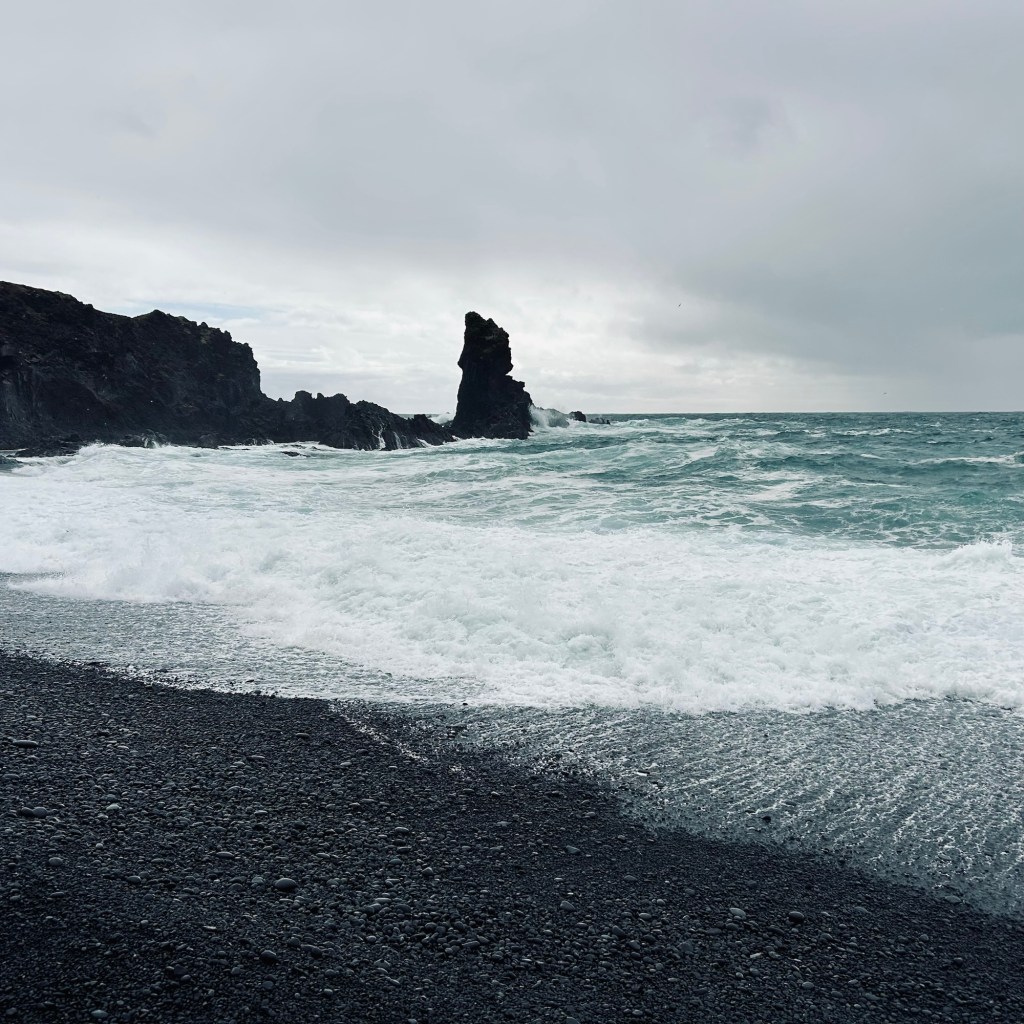
Following the peninsula along we reached through lava fields the black-pebble Djúpalónssandur Beach.
DjúpalónssandurDjúpalónssandur
The roar of the ocean and the power and the spray. It was magical. It was all consuming and I just wanted more. The rain was battering me on the wind and the water was getting closer to my feet. It was cold and wet and windy and wonderful. It was overpowering and exhilarating.
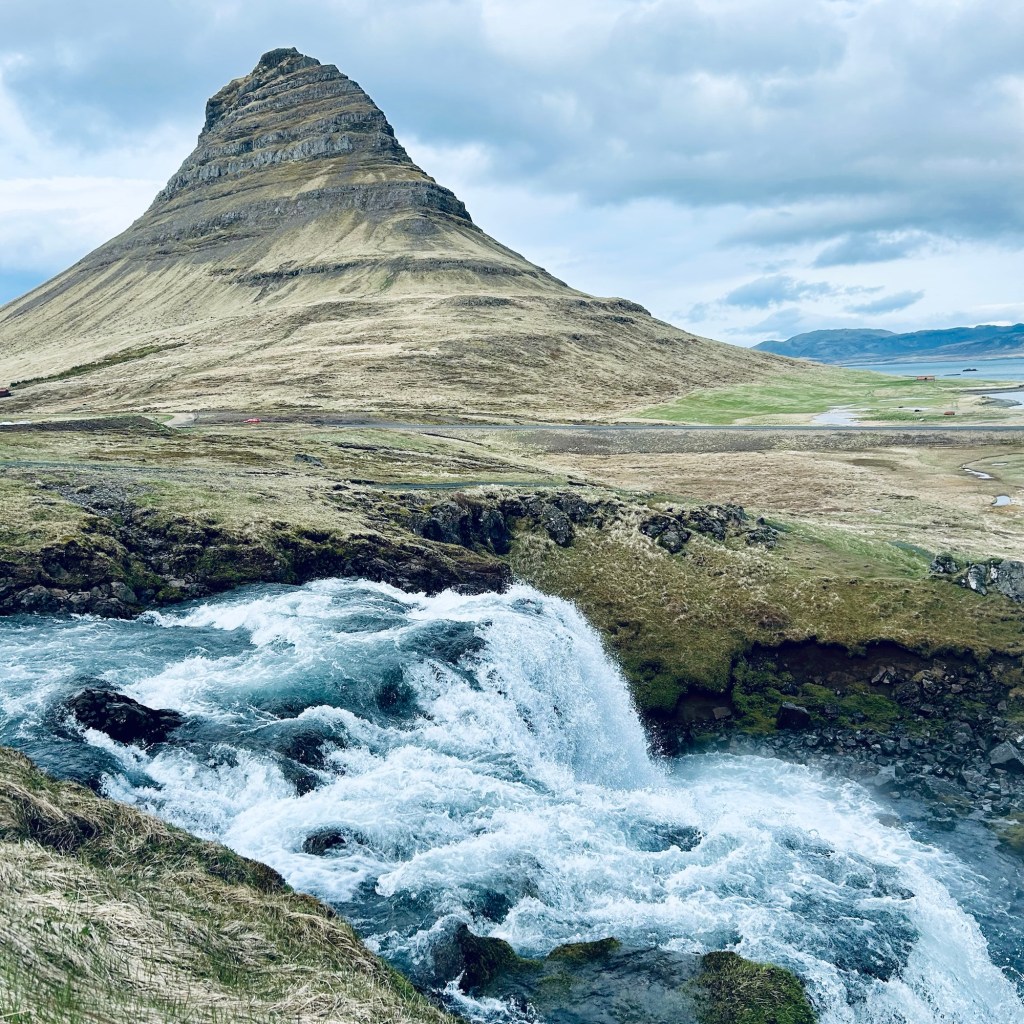
Kirkjufell
Final major stop was at Kirkjufell. Kirkjufell is a 463 m high hill on the north coast of Iceland’s Snæfellsnes peninsula, near the town of Grundarfjörður. Seen in Game of Thrones and called the “arrowhead mountain”, this was impressive and bold. Especially when playing background to the nearby Kirkjufellsfoss Waterfall. Beautiful.
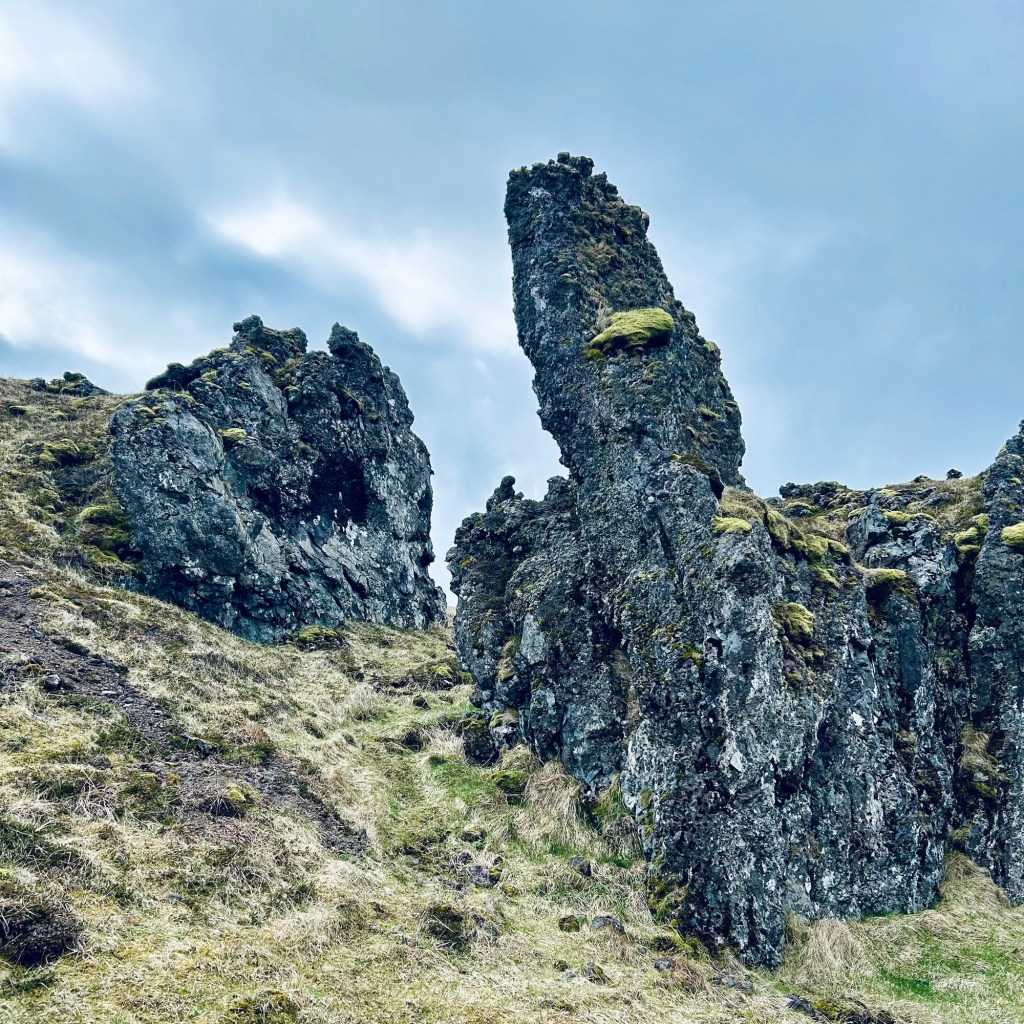
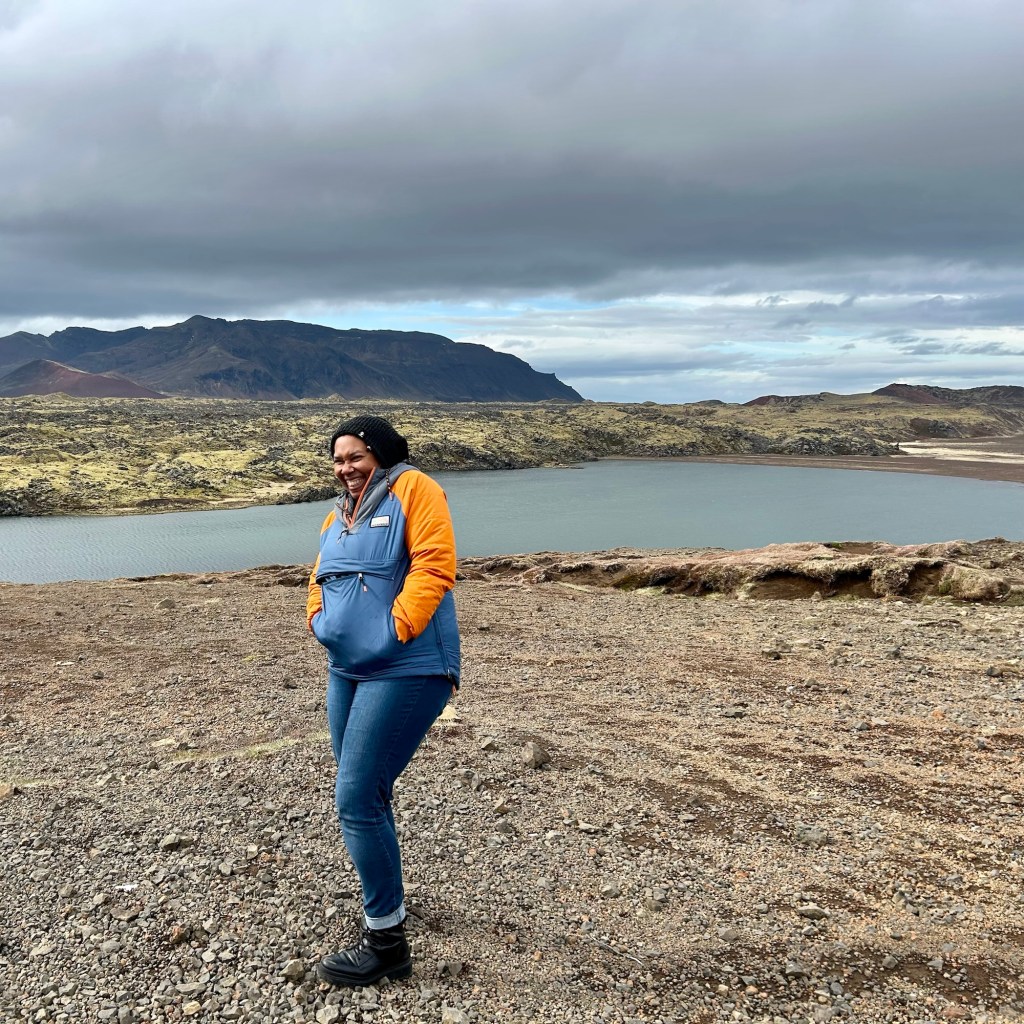
Berserkjahraun, or the Berserks’ Lava Field, apparently, if you believe the stories.
Berserkjahraun, or the Berserks’ Lava Field, a story from the Eyrbyggja Saga. According to the saga, two Swedish berserkers cleared a path through the lava field, but were later killed by a local leader. He wore them out first in order to kill them. Strategy.
I don’t hold to the negative connotations of going berserk. However, I do lose all control when it comes to the Icelandic landscape. It floors me every time.
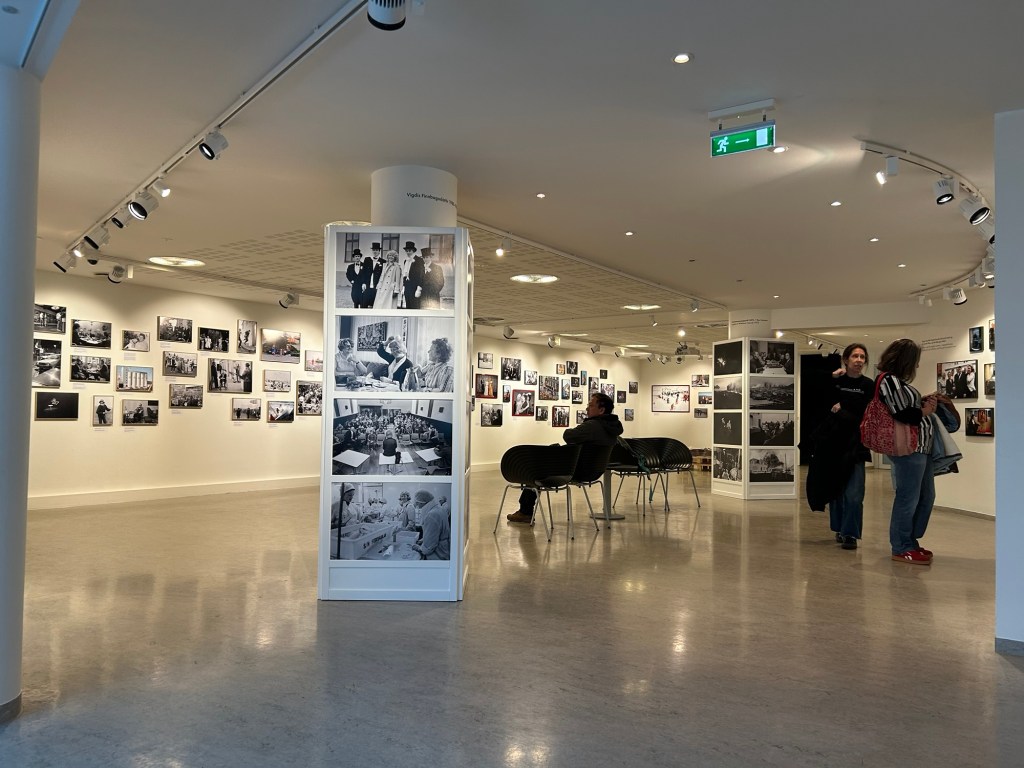
The last time I was in Iceland was June 2018. I was here running a creative retreat for women. On the Thursday of the week away, I facilitated a workshop at Reykjavik Museum of Photography. Probably shared what I created during that session on here somewhere. I know it included my mum and a glacier.
It was an amazing retreat, with everything provided for the participants. Even brought in my friend Sarah as the caterer. It was a week that had great highs and achievements with the costs being me exhausted and in debt.
I’ve always wanted to return to Iceland since then but a global pandemic, divorce and financial insecure got in the way. Until, I really got sick of saying, one day, and just booked the flight back in September 2024 and making sure it happened.
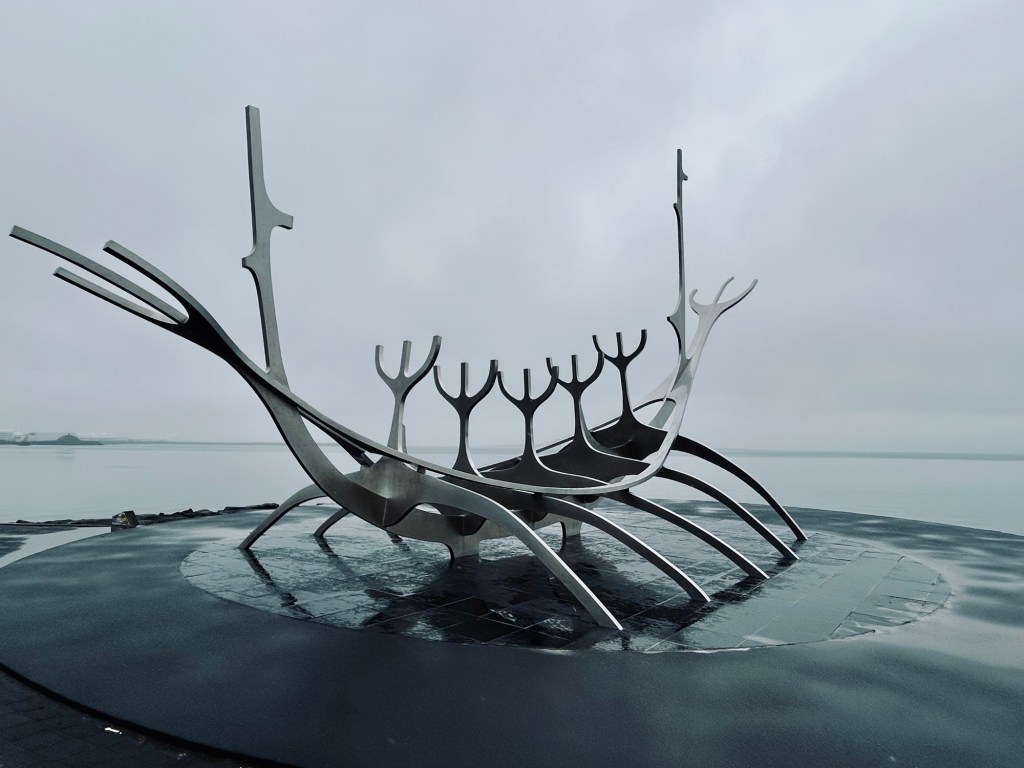
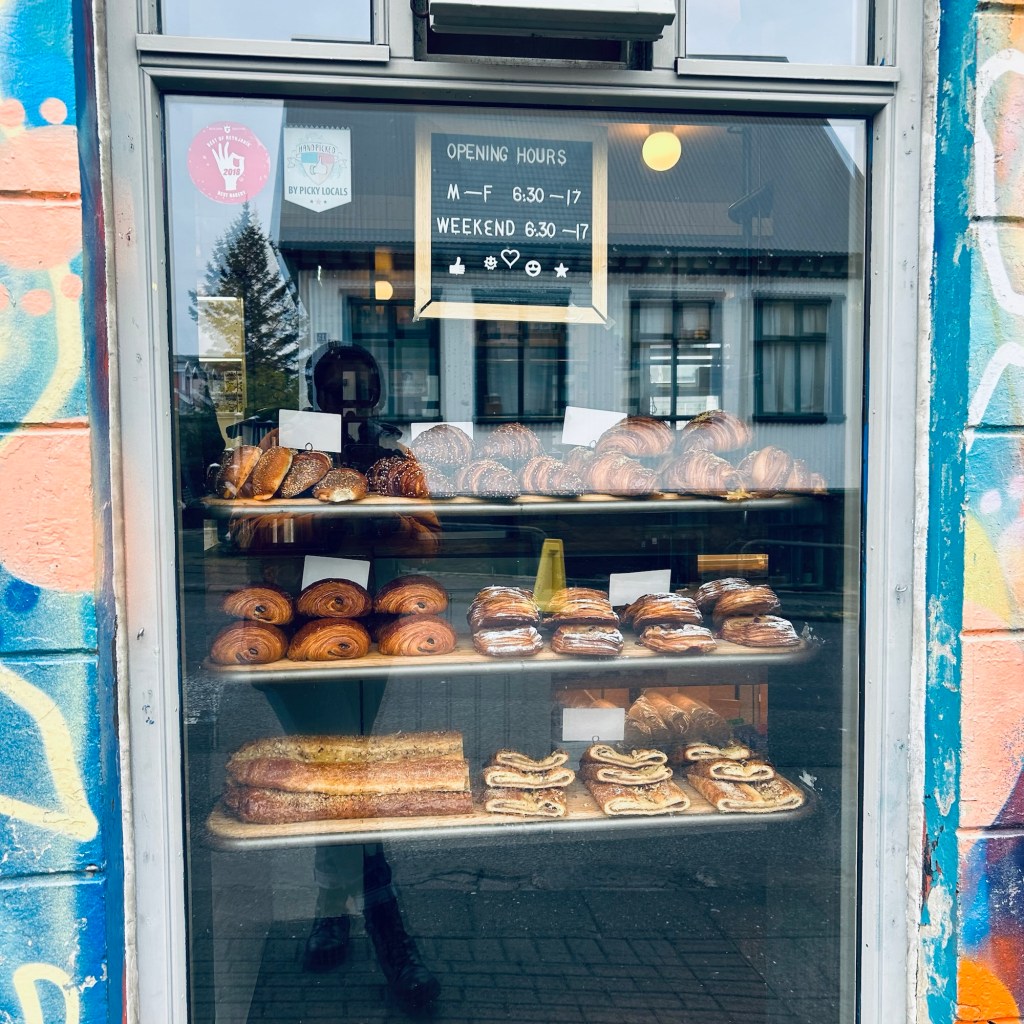
Always on a shoestring, but still doing it because I’m worth it, I’m staying in Reykjavik for the week. Staying in a hostel again and watching my budget. But it’s good to be back.
My first time to Iceland was 2016, the year after the shit hit the fan experience which will be 10 years ago tomorrow.
It was standing in this photography museum that I began to see myself again as a creative. Iceland helped me heal after that episode in my life and it was here that I made a promise to get my work within this space. With the women’s retreat I achieved that dream, not only working here but also sharing my words within the space.
Things don’t happen easily. There needs to be a vision and the hard work behind it. I’m not afraid of hard work. I’m more afraid of having dreams and never allowing them to come true. Because of outside barriers and obstacles I raise up within.
I came to Iceland a ruined woman. But I still had the strength of character and belief in self to grow and take risks and invest in myself.
Investing in myself is never wasted. I’m here for a week, a week that promises rain, wind and dropped temperatures. I could allow it to stop play. But I won’t. I’m here and I’m here to fill my pot by any means necessary.