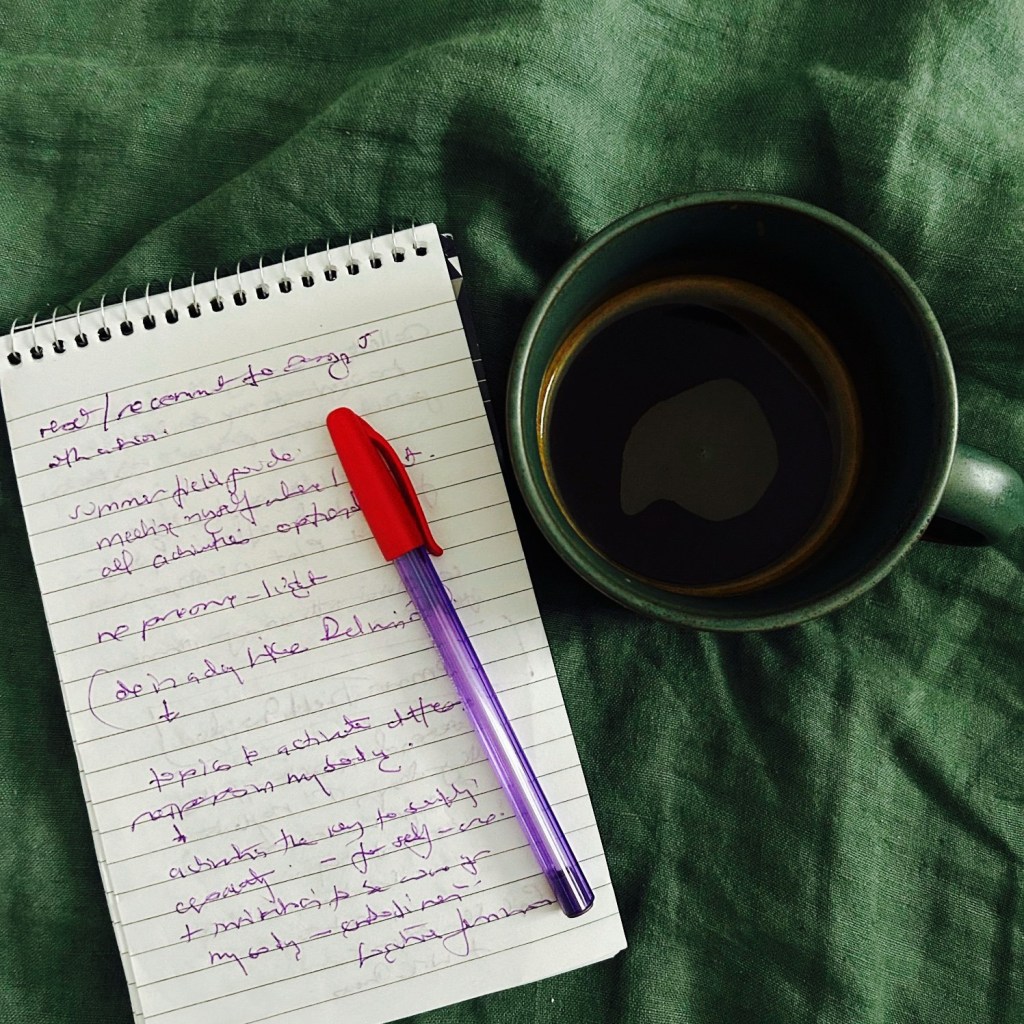
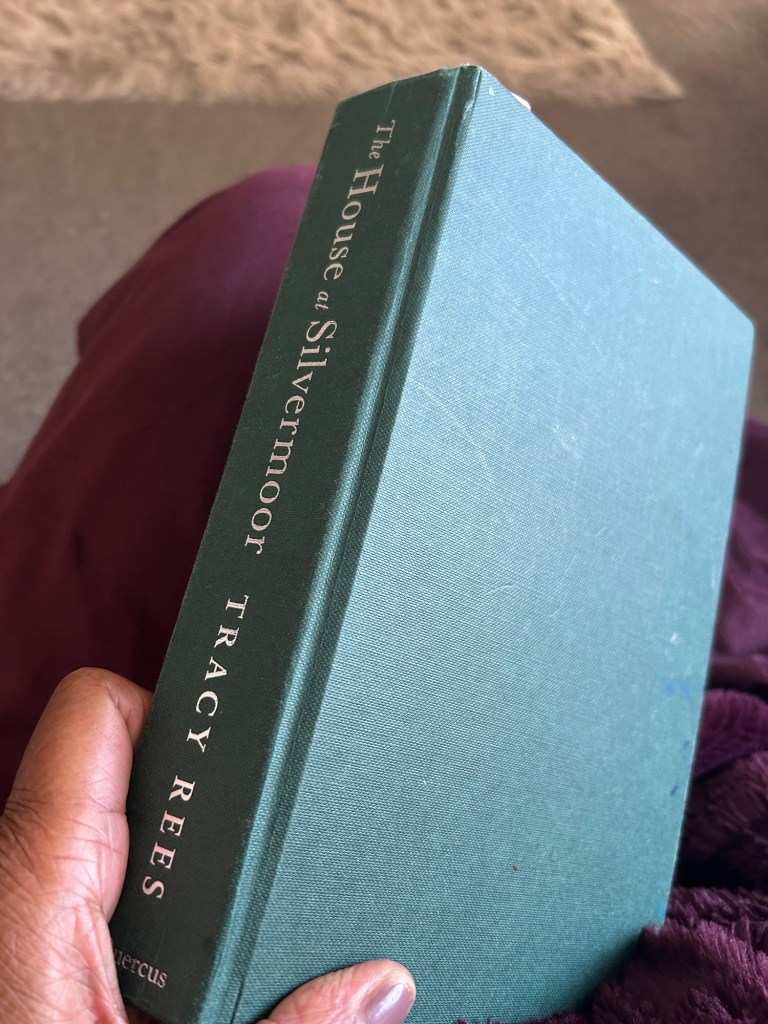
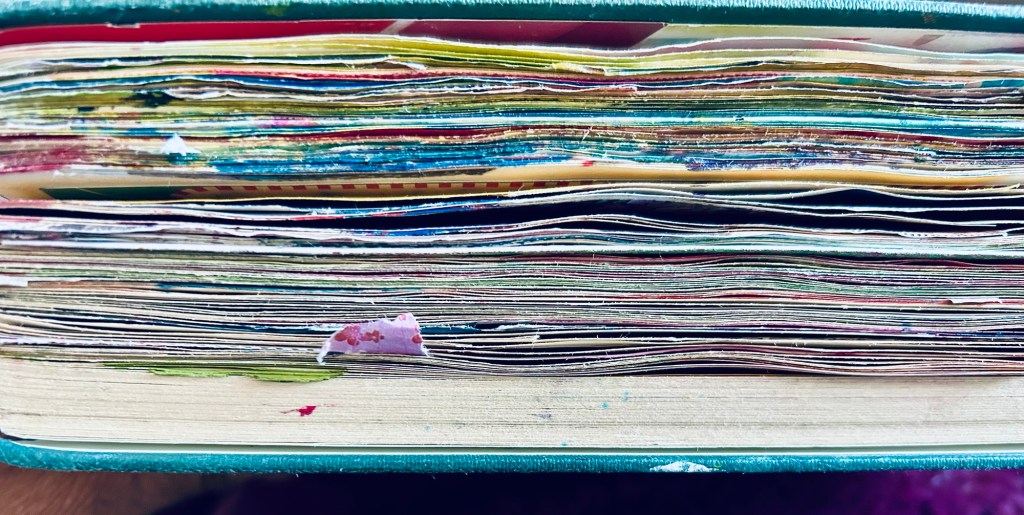
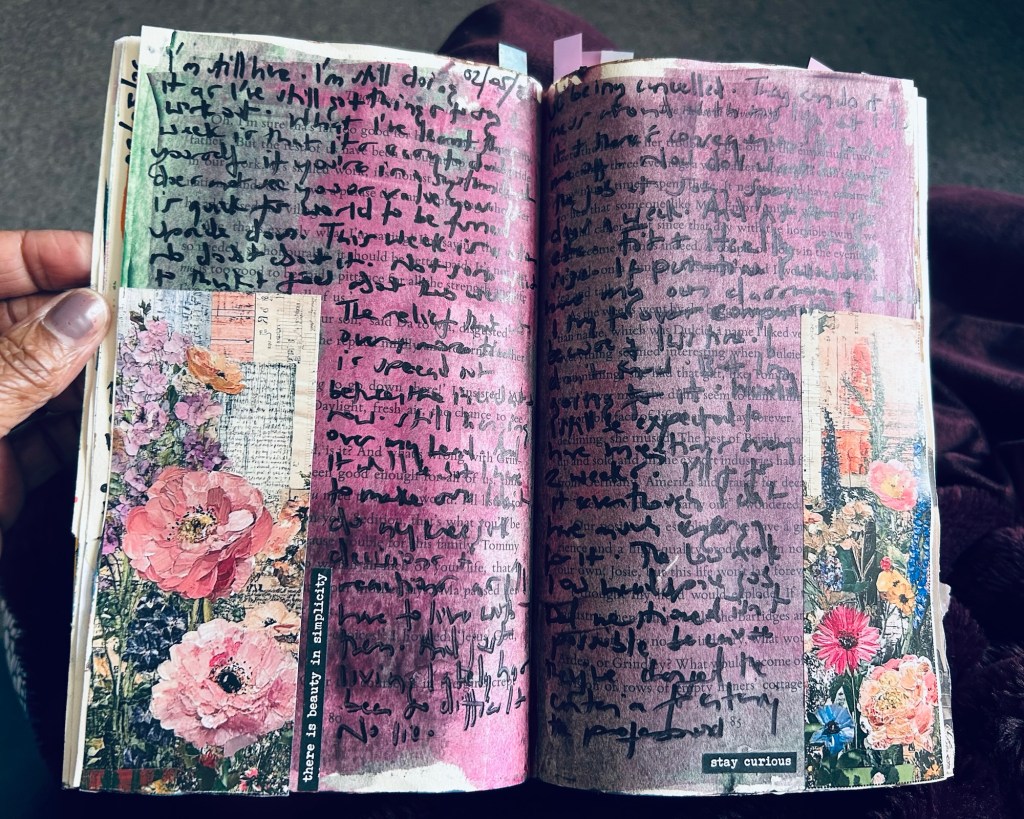
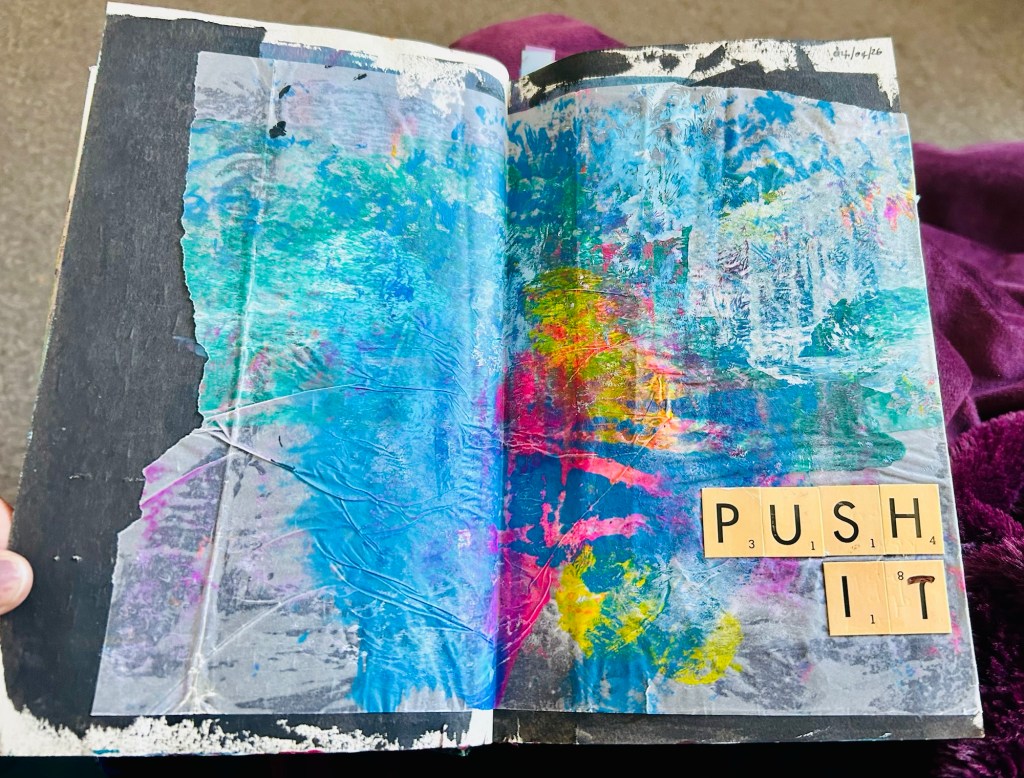
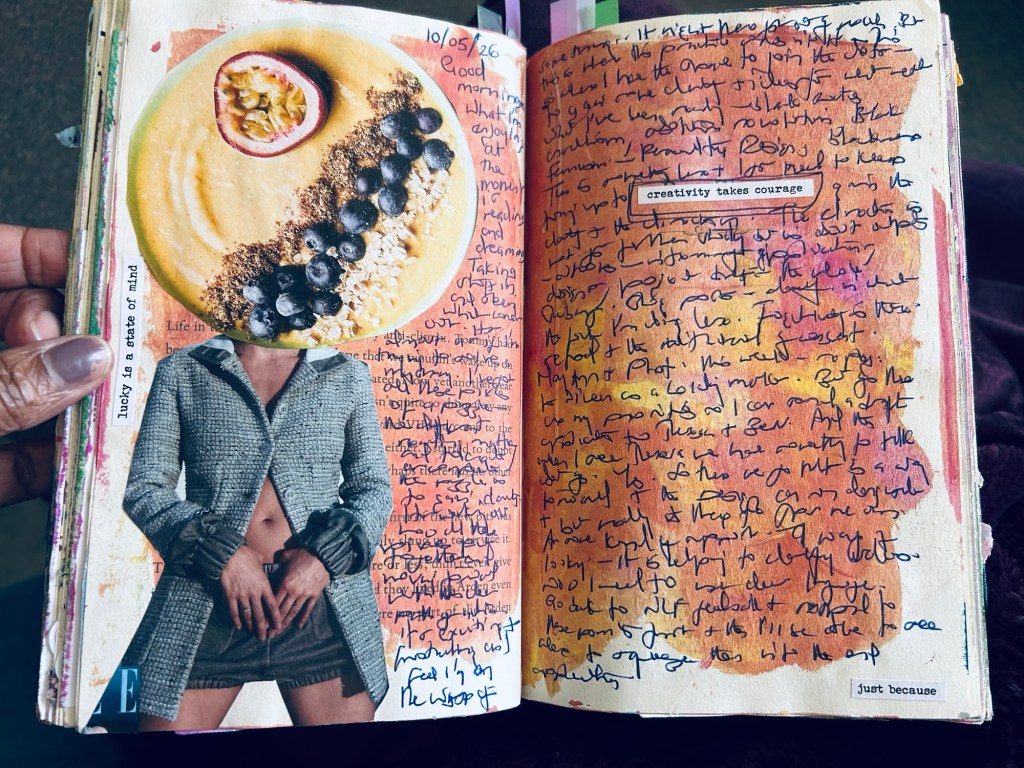
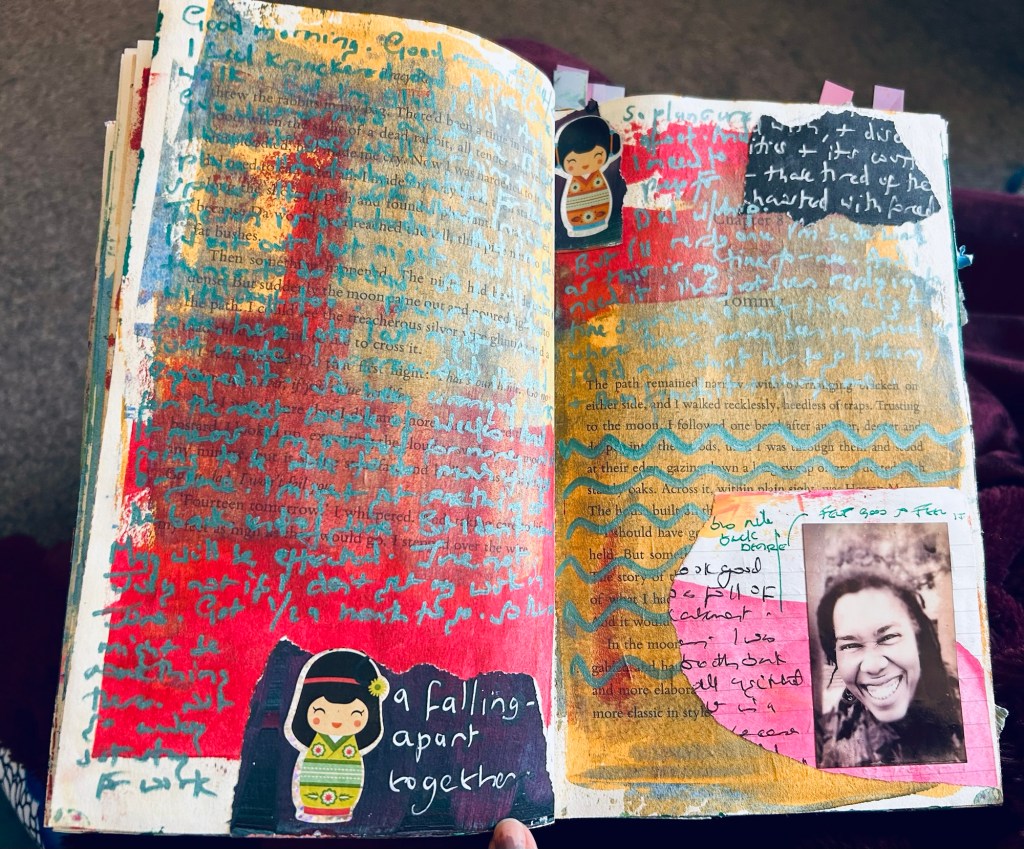
Sometimes when I get a download, I just have to grab the first bit of paper and pen I can see and write.
It feels as if I haven’t got the time and patience for my visual journaling practice and I’ve just got to get the words on the page.
Like short, sharp, frenzied sex after a drought, a stream of consciousness shit comes rolling out of me. From my body. Onto the page. Words here. Paint there.
And within this pile of words/ marks are glimmers, signs, clues for next steps, moves forward. Invitations.
I’m been resting, after a full on time of exams and work and in that resting time, I did nothing creative except breathe. Breathe a little deeper and longer. Fuller.
There are still times when I have that moment of dread, that I’ve forgotten something. That I should be doing something else instead of doing nothing.
I know time will heal the wound. Time will suture the skin over the rupture and this period will become a memory. A trace left in an ache running down my neck and shoulder. A dull tugging at my soul.
Anyway, I’m back here. And I’m not going to try and fill in the gaps. The gaps are important, these liminal spaces where possibility and potential are ripe.
I come back with plans to share a new series of posts which I’m loosely calling my ‘Summer Field Guide’. My plan to get intentional about the summer ahead ( or here already!) and offer myself space to play, get curious, dream and imagine. No pressure just {BEING} my inner child out loud.
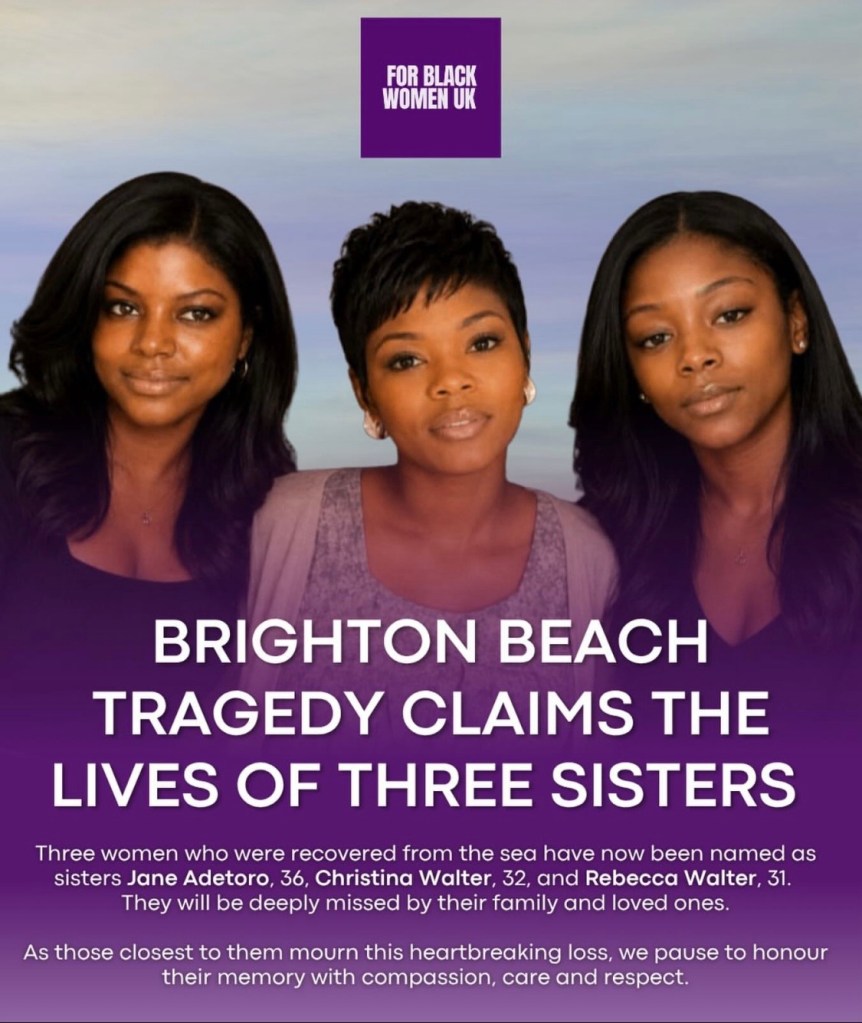
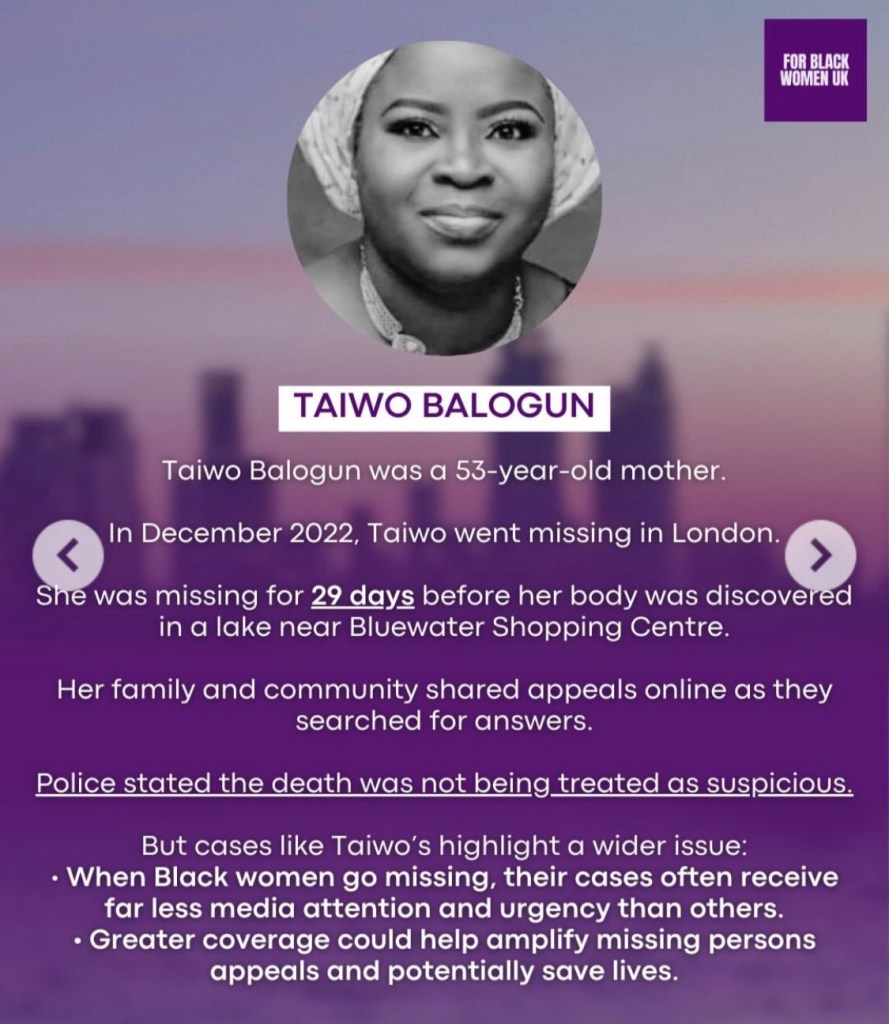
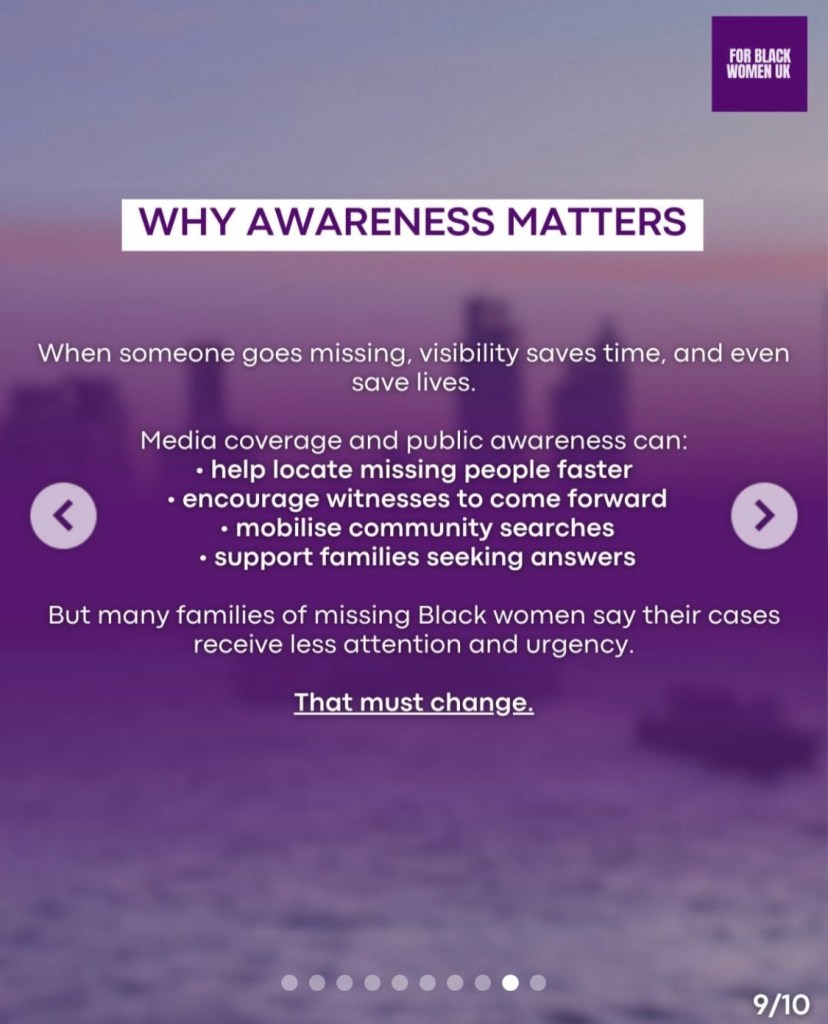
On the early morning of 13 May, a call went out that someone was in difficulty in the sea off Brighton Beach. When the rescue team got to the beach, the bodies of three women were found.
I’ll be honest. At first, I thought this was a tragedy involving (white) women with the use of the word ‘women’ and with the media coverage this disaster was receiving reinforced this assumption.
Later these women were identified as three sisters. Three black women, Jane Adetoro, and Christina Walter and Rebecca Walter.
What a heartbreaking tragedy to happen within one family. My heart and deepest sympathy goes out to their family and friends.
In a heartbreaking tribute, their father Joseph said: “No words can truly describe the pain of losing three daughters in the prime of their lives. Jane, Christina, and Becky were more than daughters to me; they were my joy, my strength, and the beautiful light that filled our family with happiness and love.”
Sussex Police are investigating this tragedy and believe at this stage that there are no suspicious circumstances or criminal intent in connection to these deaths.
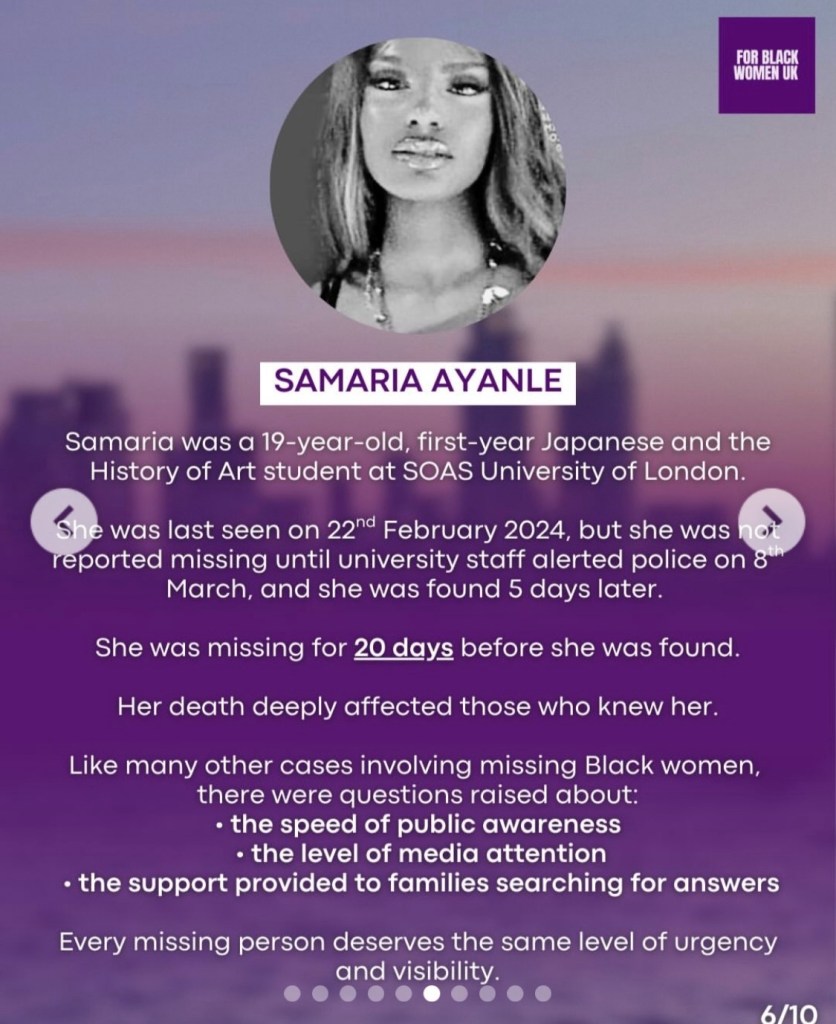
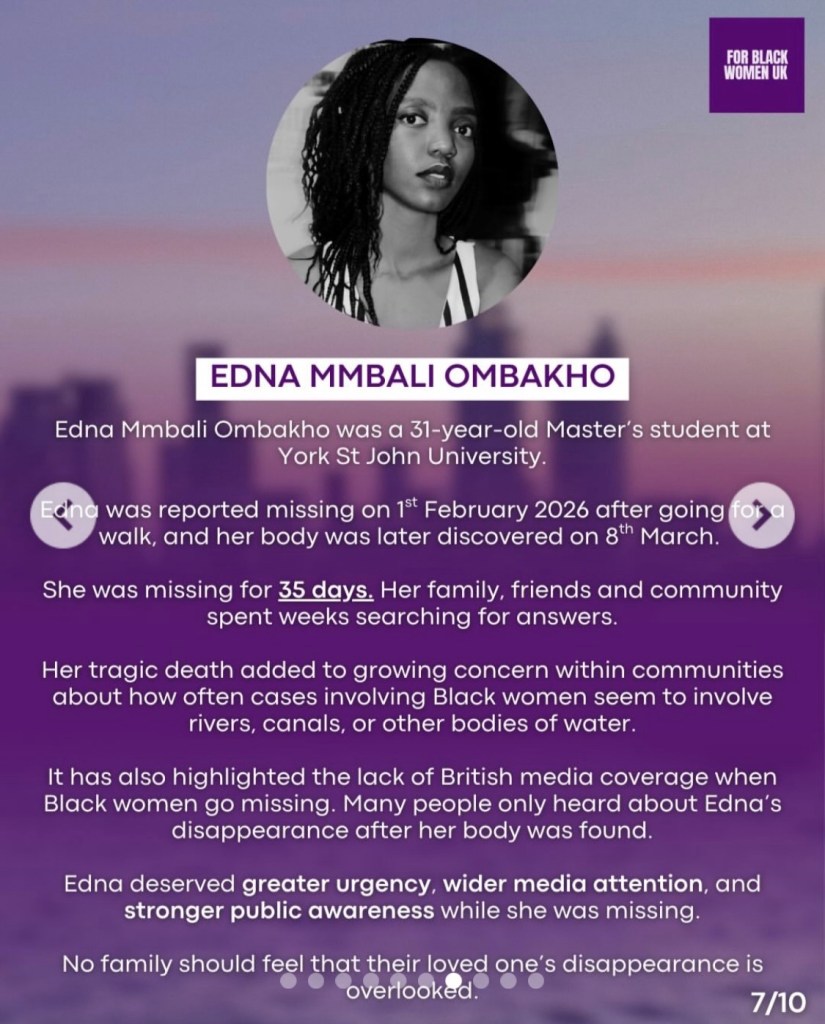
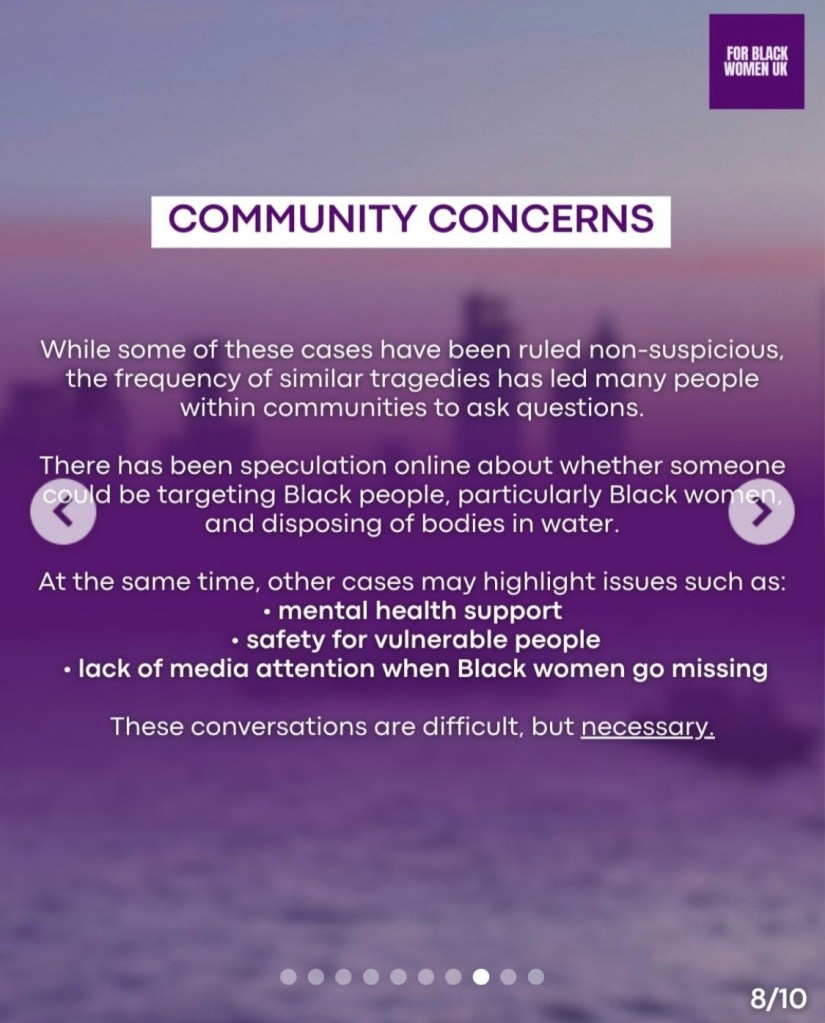
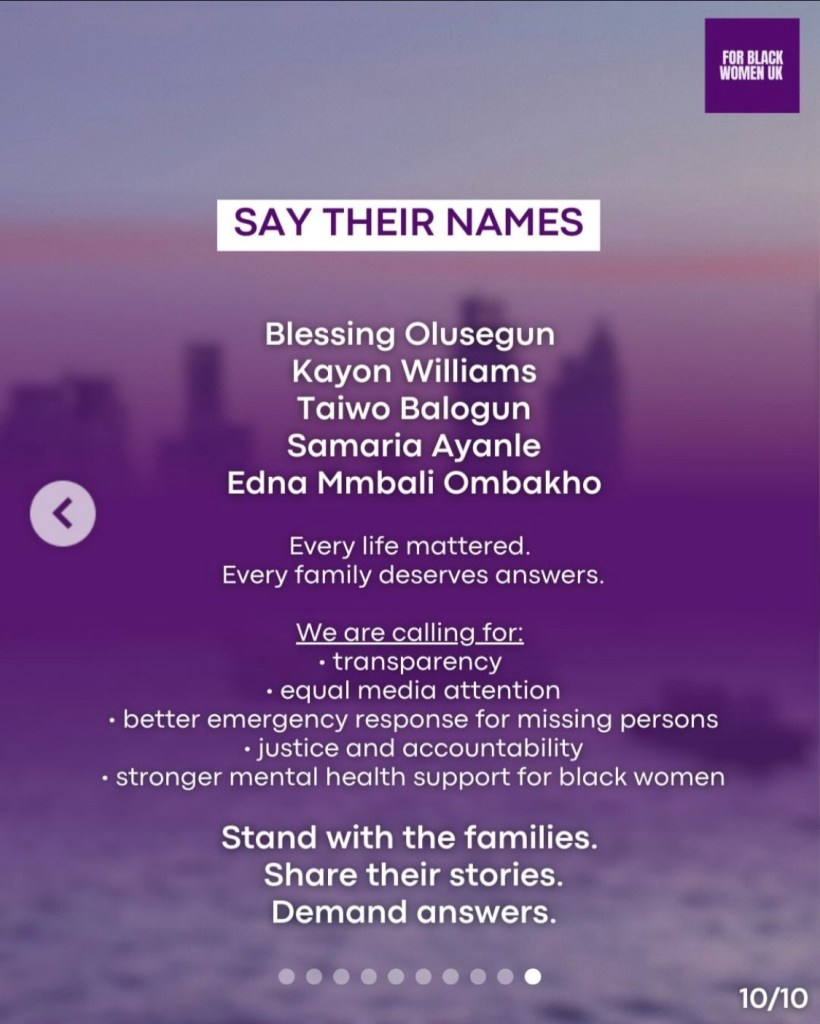
I don’t know how they can come to such findings so early in their investigations. And should keep an open mind. The only consolation is that the police and media are actively investigating and reporting the death of these three black women as far too often, as I’ve shared recently, the disappearance, murder and deaths of black women in suspicious circumstances is ignored, neglected and dismissed.
I hope the mysterious and tragic deaths of these women is soon to be investigated and explained for the sake of their families as this is such a sad sad case of affairs.
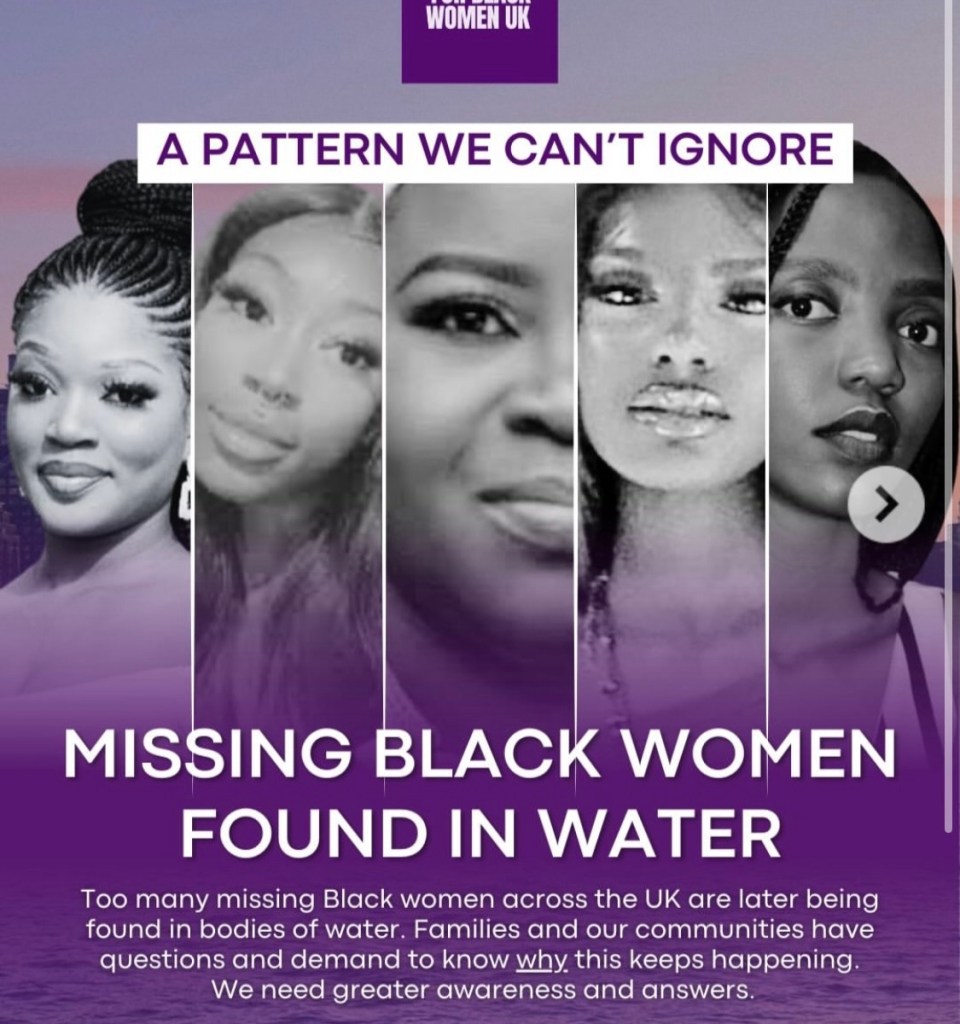
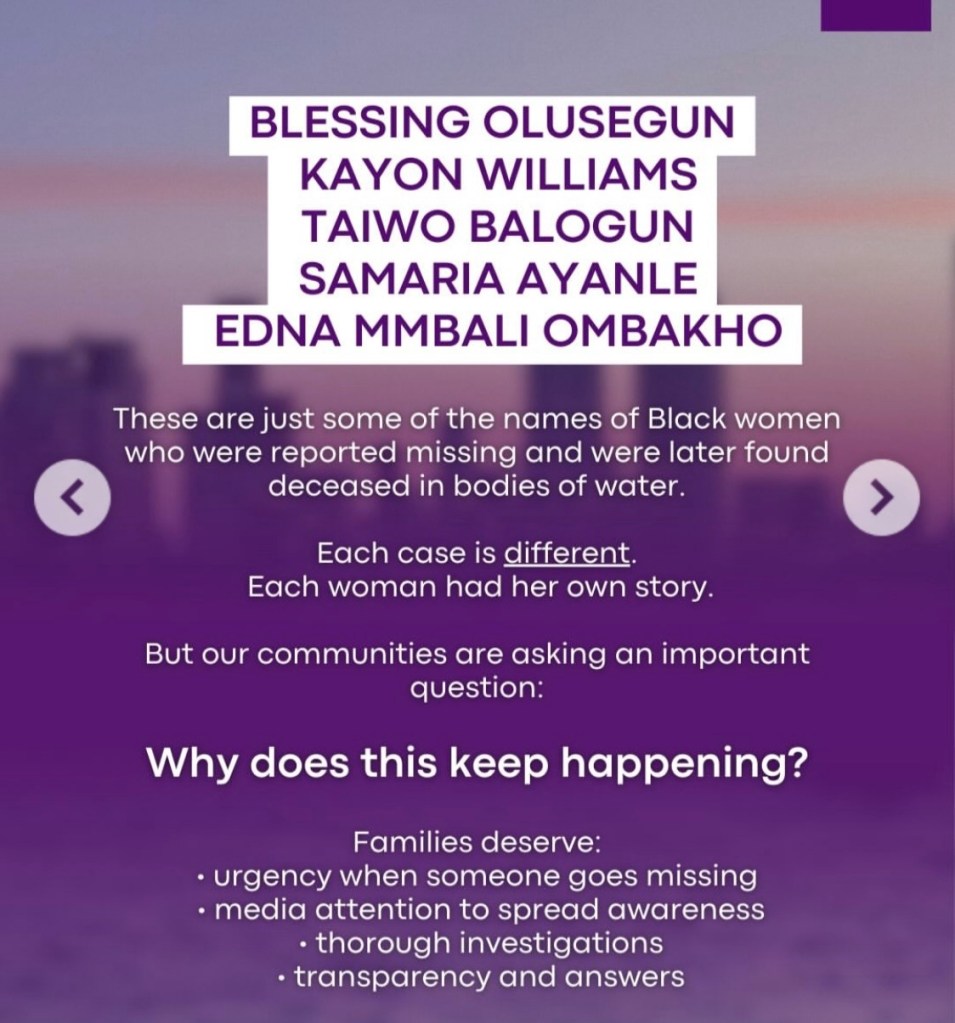
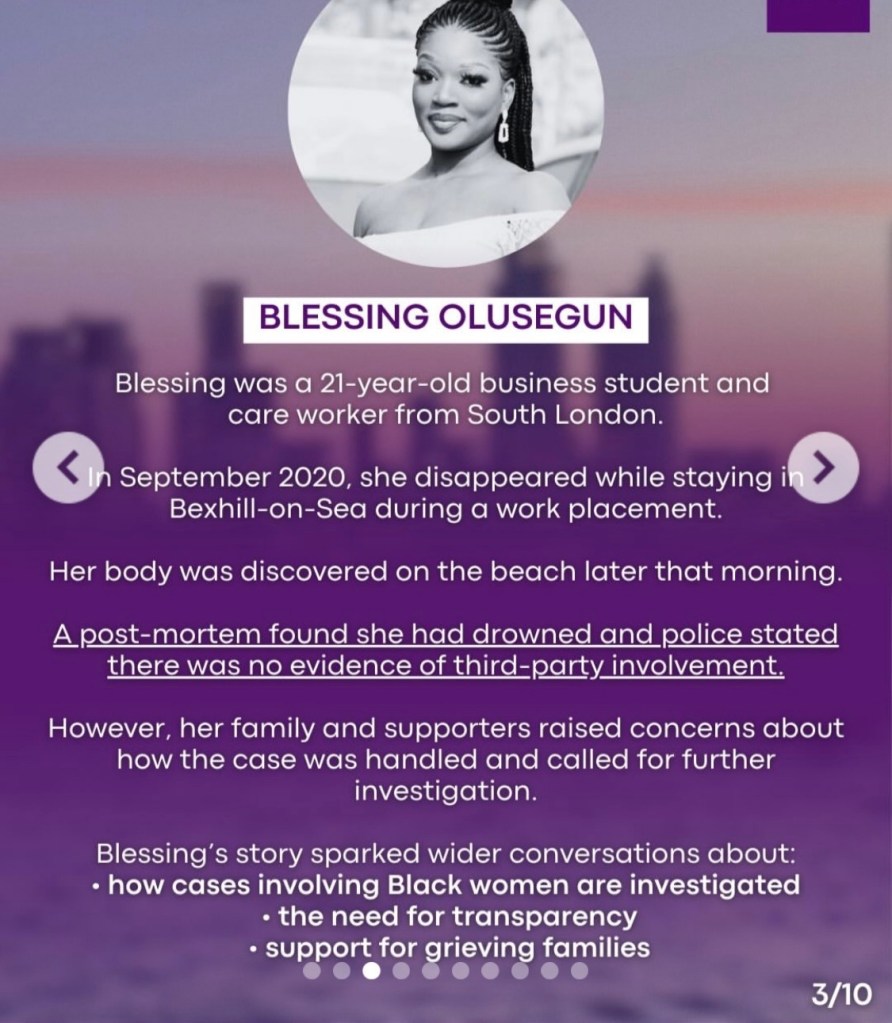
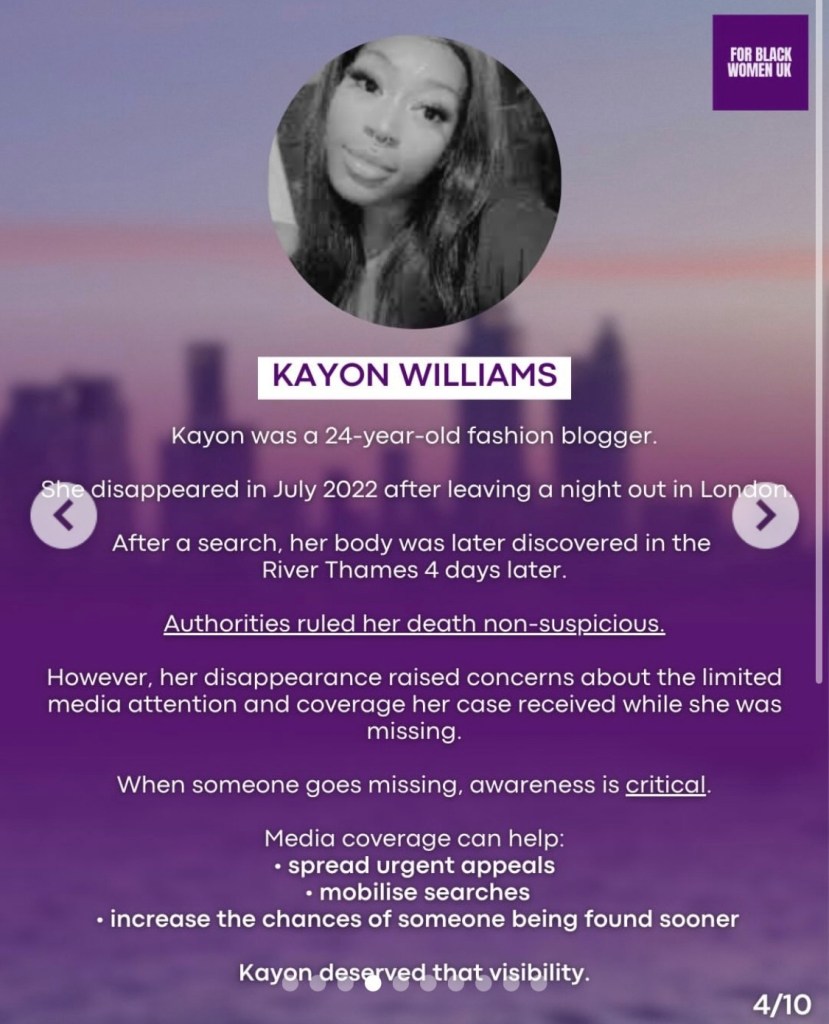
It is reproduced here to raise awareness of a troubling increase in the number of black women going missing and later found dead by/ within bodies of water.
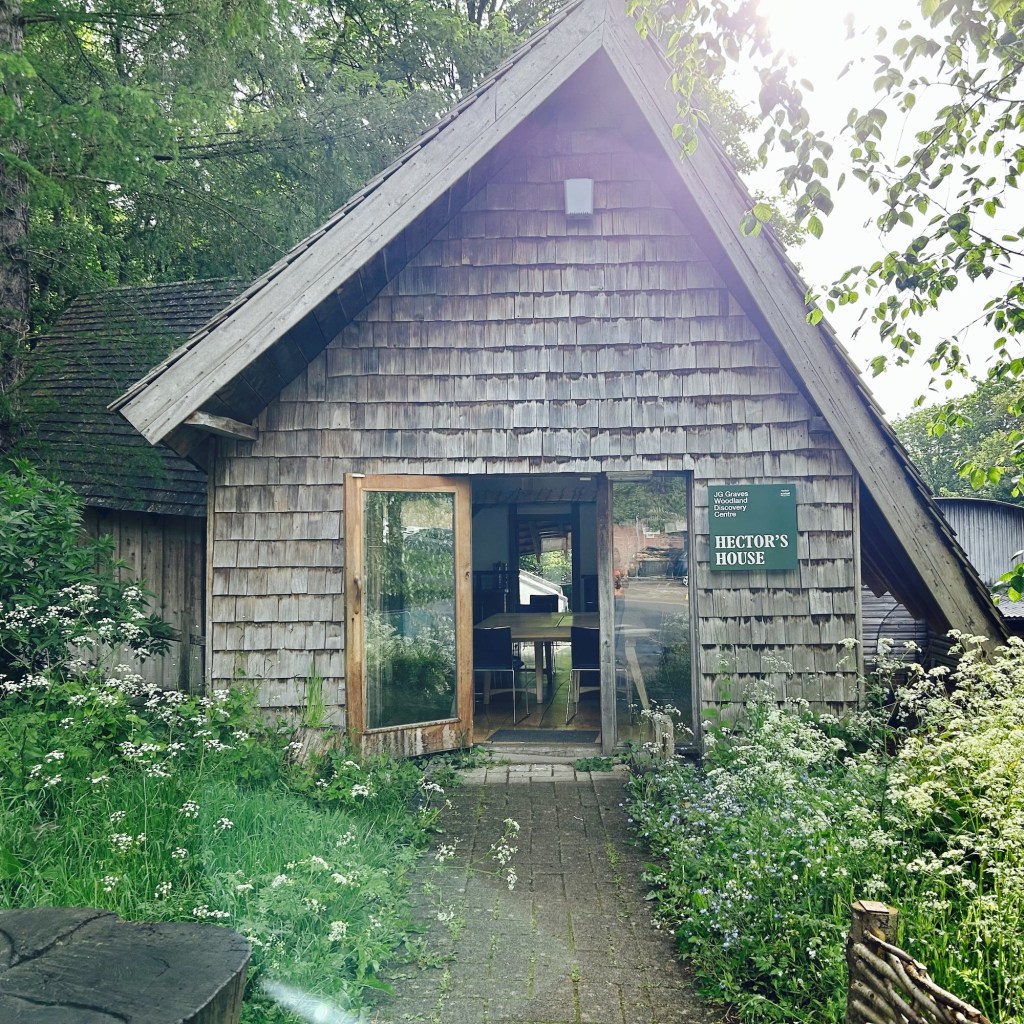
I had the pleasure of gathering with the WOC Azadi again in Sheffield today.
We gathered to share ideas around how to plot/plotting our healings, our liberation together.
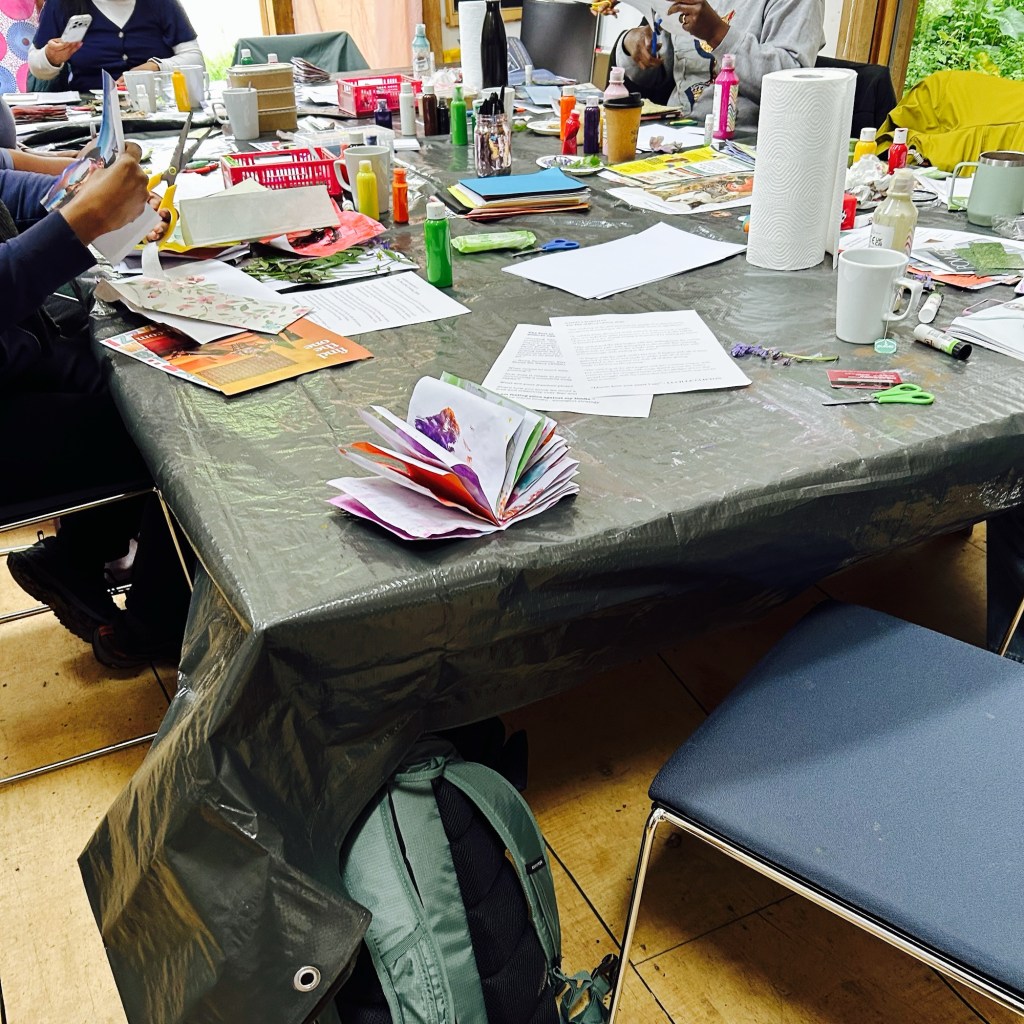
Visual journaling was on hand to capture our thoughts, feelings, plans and plots.
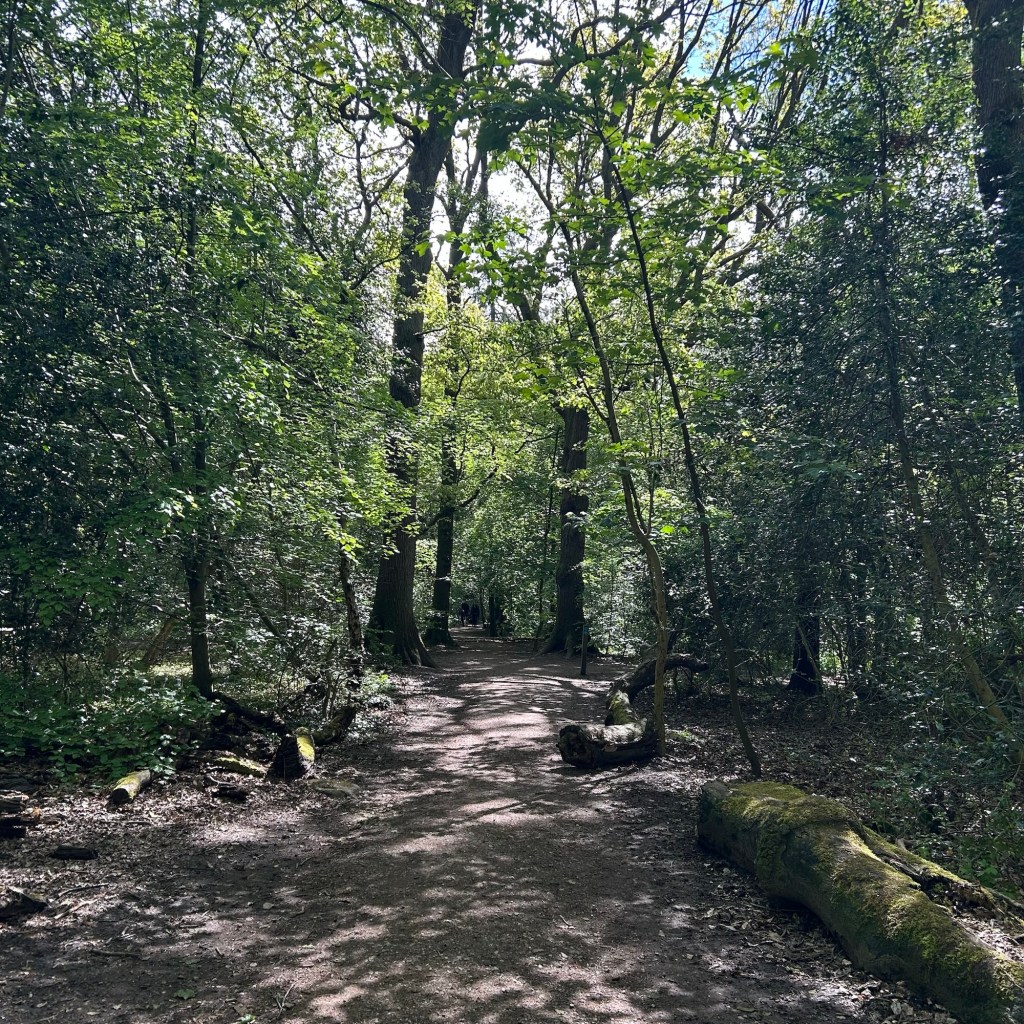
It was such a nurturing and nourishing space in nature. It was a gathering of hope and aspirations.
It was an honour to be part of the day retreat. Ideas for The Plot of Our Repair came about from a reading is Saidiya Hartman’s essay , The Plot of her Undoing (2020).
The plot of her undoing begins with his dominion. It begins in the fifteenth century with a papal bull, with a philosopher at his desk, pen in hand, as he sorts the world into categories of genus and species. It begins with a bill of sale, with a story in the newspaper that enumerates her crimes, with a note appended to the file: she answers questions easily, but appears stupid; it begins with a wanted poster that reduces the history of her life to a single word-condemned.
And then towards the end of this essay there is a switch. A turn to explore how we can undoing the plot of her undoing. How we can move against the forces aiming to ruin/ control/ oppress the black/brown woman.
The undoing of the plot proceeds by stealth. It is almost never recognized as anything at all and certainly never as significant.
…
It begins with the earth under her feet. It begins with all of them gathered at the river and ready to strike, with all of them assembled in the squatter city, with all of them getting ready to be free in the clearing.
The undoing of the plot begins with her runaway tongue, with her outstretched hands, with songs shared across the unfree territory and the occupied lands, with the pledges of love that propel struggle, with the vision that this bitter earth may not be what it seems.
The undoing of the plot, the plot developing towards our repair was started before us. We stand on the shoulders of our ancestors. We continue this journey, this plotting together. Today makes me feel that we have already won.
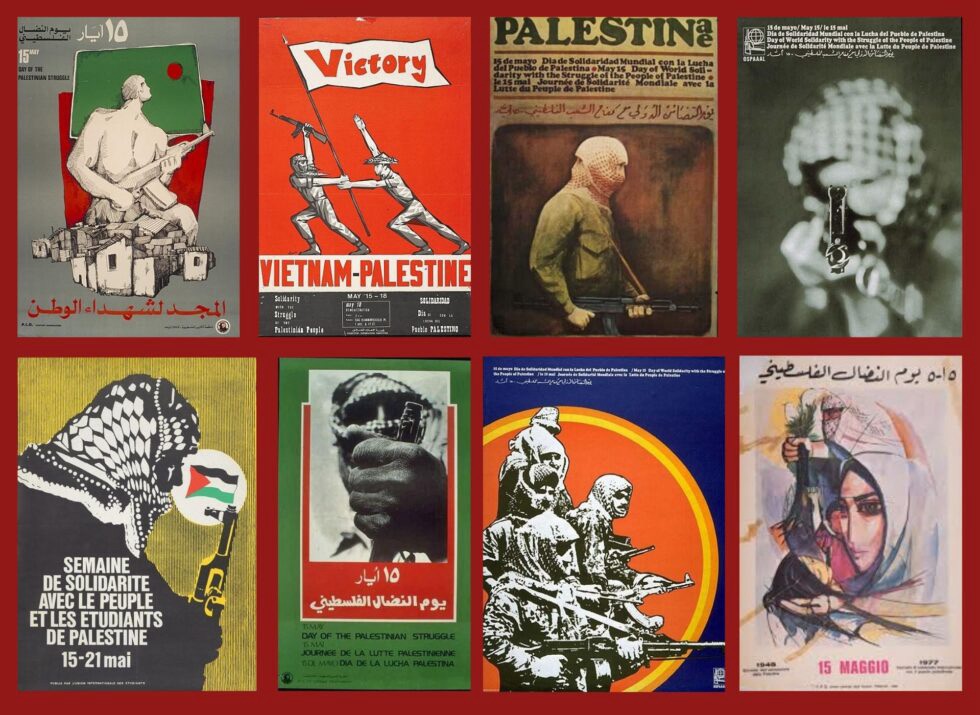
Please consider reading the above article printed on masarbadil.org by Khaled Barakat, member of the Executive Committee of the Masar Badil, the Palestinian Alternative Revolutionary Path Movement, was originally published inArabic at Al-Akhbar:
Every year, as the fifteenth of May approaches, Palestine returns to the forefront of global memory as an open wound since 1948. Images of displacement, massacres, the destruction of Palestinian villages, and the uprooting of the people from their land are revived under a name and a slogan that has become firmly entrenched in political and media discourse: the “Nakba.”
The difference between the two expressions is not superficial. “Nakba” refers to catastrophe and defeat, while “Day of Palestinian Struggle” refers to resistance, continuity, and popular will. The first focuses on what colonialism did to the Palestinian people, while the second focuses on what Palestinians do to confront and uproot colonialism. Between the two discourses lies a profound difference in the construction of political consciousness, especially among the new generations in Palestine and the diaspora. – Khaled Barakat
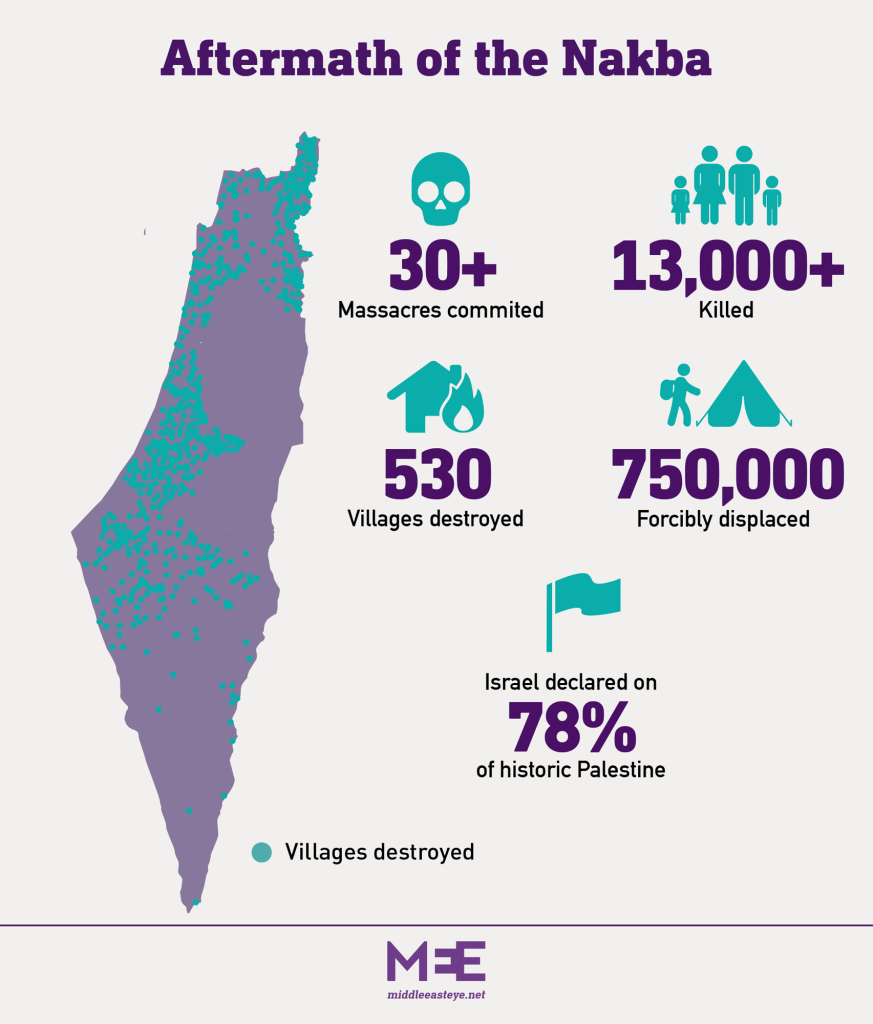
Nakba refers to the ethnic cleansing, genocide and apartheid of Palestine by Zionist militias to make the land clear for the creation of Israel in 1948.
This premeditated military campaign resulted in the murder of thousands of Palestinians, the destruction of hundreds of villages and the displacement of nearly 80 per cent of Palestinians from their homeland.
The violence went on for more than a year, and the result was the creations of the State of Israel taking over 78 percent of historic Palestine.
West Bank and Gaza made up the remaining 22 percent. This too fell into Israeli hands later and remains under Israeli military rule today.
What is also disgusting is that Britain had a hand, still has a hand, in all of this, due to the “Balfour Declaration”.
For 100s of years Palestine was part of the Ottoman Empire. During the First World War, Palestine was captured but the British. The League of Nations then gave Palestine to the British to mandate. Not taking into account the wishes of the Palestine people, the British were given control of the land, making decisions for the native population until it was decided they were deemed capable of being an independent state. How colonialist is that?
Great Britain, didn’t care about what was right. Didn’t care about the Palestinians who have lived within their homeland for centuries. Nope.
The British Mandate incorporated the “Balfour Declaration” that pledged to establish “in Palestine a national home for the Jewish people”, who made up less than 10 percent of the population at the time.
So all the time Palestine as under the mandate, 1923- 1947, the British were working with Zionists to suppress and eradicate Palestinians, through whatever means necessary, to create a homeland for Jews. Facilitating the immigration of European Jews to Palestine, providing weapons for Zionist’s and training them to kill, all increased the occupation of Palestine by Jews and suppressed the native people, Palestinians.
Once Britain announced its plan to end the mandate in 1947, they left it up to the UN to decide the fate of Palestine. The United Nations decided to partition Palestine into two : 55 percent to a Jewish state, and 45 to an Arab state, while keeping Jerusalem under international control.
It sickens and angers me that other states play god over other states. What right do they have to take away the land and home of the Palestinians?
Palestinians were not consulted over the proposal which never materialised. Because once Britain announced its withdrawal, Zionist groups began their attacks on Palestinians to have complete control over all of Palestine for the return of the Jews.
Nakba was the result.
I do not declare to know the full history. I’ve probably butchered the history as I’ve tried to share it here. Please go and read up on it yourself as it wouldn’t be the first time that histories are shared as ‘facts’ and are really just ‘lies’, manufactured to make the oppressors the victims and heroes.
One thing I am sure about as fact is that the Palestinian people have been brutalised and persecuted from time, kicked and killed out of their own country to make way for ‘the promised land’ of a another people, and that somehow makes it all okay?
Zionists called it a ‘transfer’ of people to other places. I call it genocide. Innocent people killed indiscriminately to create the State of Israel, was wrong then and continues to be wrong today.
I was brought up on the Eurovision Contest. We would gather together at my mum’s with food and drink, and sing along to every song even though we didn’t know the words.
It was an occasion of celebration and fun. We laughed and cried, argued and commiserated.
Whenever I think of Eurovision, I automatically think of my mum. But I can no longer hold Eurovision close to my heart. I cannot continue to support this institution any longer as it has become co-opted by Isreal.
Within hours of Russian invading the Ukraine in 2022, it was banned from Eurovision. Why hasn’t the same happened to Israel?
We have to ask the question what is happening behind the scenes? Especially when last year Israel received the biggest support from the public vote when we know that the genocide in Gaza is not supported by the majority?
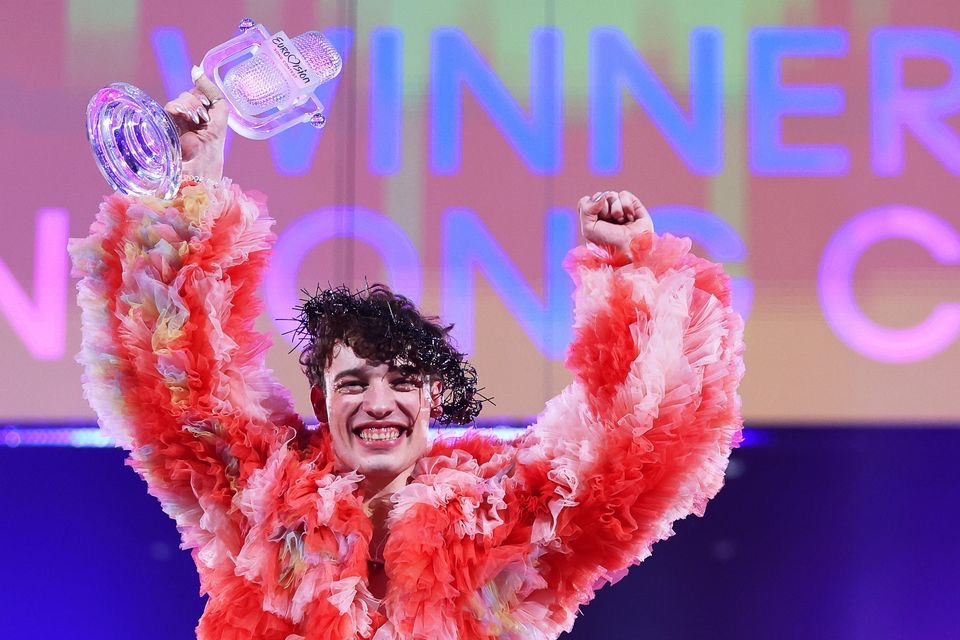
Nemo, who won Eurovision in 2024, probably the last time I watched Eurovision, has returned their trophy in protest at Israel’s inclusion. As well as the 1994 winner Charlie McGettigan(from Ireland) returned their trophy in protest too.
There is something rotten in Eurovision.
There is no music that can cover up the atrocities that are happening to the Palestinians. No amount of music can justify a genocide. There is no stage that should platform genocide and apartheid.
Spain, Slovenia, Iceland, Ireland and the Netherlands are boycotting this year’s Eurovision because they cannot continue to ignore the genocide in Gaza.
We refuse to be silent when Israel’s genocidal violence soundtracks and silences Palestinian lives. When children in Israeli prisons endure beatings for humming a tune. When all that’s left of nearly every stage, studio, bookshop and university in Gaza is piles of rubble, under which slaughtered bodies still await recovery and proper burial.
As artists, we recognise our collective agency – and the power of refusal. We refuse to be silent. We refuse to be complicit. We call on others in our industry to join us. And we stand in solidarity with all principled efforts to end complicity in every industry.
No stage for genocide. #BoycottEurovision.
Consider signing the letter and standing with Palestine here.
Irish TV, RTÉ, will be broadcasting the 1996 episode A Song for Europe , Father Ted as Ireland boycotts Eurovision in protest against Israel’s inclusion.
It’s a funny episode which I won’t mind watching as Father Ted and Father Douglas perform their song My Lovely Horse. I’ll not spoil it by telling you how many points they get!
Slovenia are planning to air documentaries under the theme of Voices of Palestine.
These countries boycotting and showing their condemnation of Israel and support for Palestine is what more countries and people should be doing, and I don’t use ‘should’ lightly.
One more point, the Father Ted episode is satire. The Irish put them into Eurovision because the song was so dreadful that they hoped they wouldn’t win again so that they wouldn’t have to foot the bill for hosting the next year’s contest.
Ireland has won the contest 7 times, and back to back wins in 1992 and 1993, is said to nearly have bankrupted the country as they had to host the concert again and again.
For me this is a clear indication of Eurovision, the non disqualification of Israel, the lack of calling out the genocide all comes down to money and vested interests.
What’s one small improvement you can make in your life?
I’ve been noticing how my work/ being has been reactive. There’s been a sense of scarcity and time urgency that’s been guiding my thoughts and actions. There’s been a hopelessness. Because some incidents are out of my control but which have impacted me. There’s been feelings of not being appreciated, feeling a lack of trust and working without purpose, moving away from my core values and moral compass.
I might have been using food or drink to numb my way through the shit. Through the ‘work’, not allowing myself to feel and be present. Really present to all the feels.
Do you feel me?
I know I need to take a step back and really look at the life I’ve been living. This is the only life I have and cannot be relived. I have a deep desire to change the system. To abolish the system and live otherwise.
And yet in order to change the system, I have to change my life, how I live my life. The way / how I live has to reflect the way/ how I want the world to be.
What does this mean in reality?
How I am just as much as what I do within the system will have an effect on system change. I have to be living my life with intention and purpose. Making sure I’m living my values, that I’m not compromising my integrity. That each decision I make is coming from that place of love and trust and hope.
That I’m not shutting down but open to togetherness but also trusting my gut that when I say ‘no’ it’s not from a place of malice but from a place of capacity and boundaries.
I’m learning, I’m sharing and I’m growing. Alone and in collaboration.
And I’m feeling and shifting into the practice and recognition that this is coming from a place of love and care rather than exhaustion and pain.
Small steps. Small acts. Small makes up the large. Small scales up to large.
I’ve got to be practicing the world I want to see now in my own life. Daily. Practice.
Love not hate.
Cooperation not competition.
Conversation rather than condemnation.
More care less harm.
More listening less violence.
The turn towards Mother Nature rather than against her.
A recognition in the value and worth of every human being regardless of race, class, gender, religion, ethnicity, age, sexuality, body type and body and mind abilities.