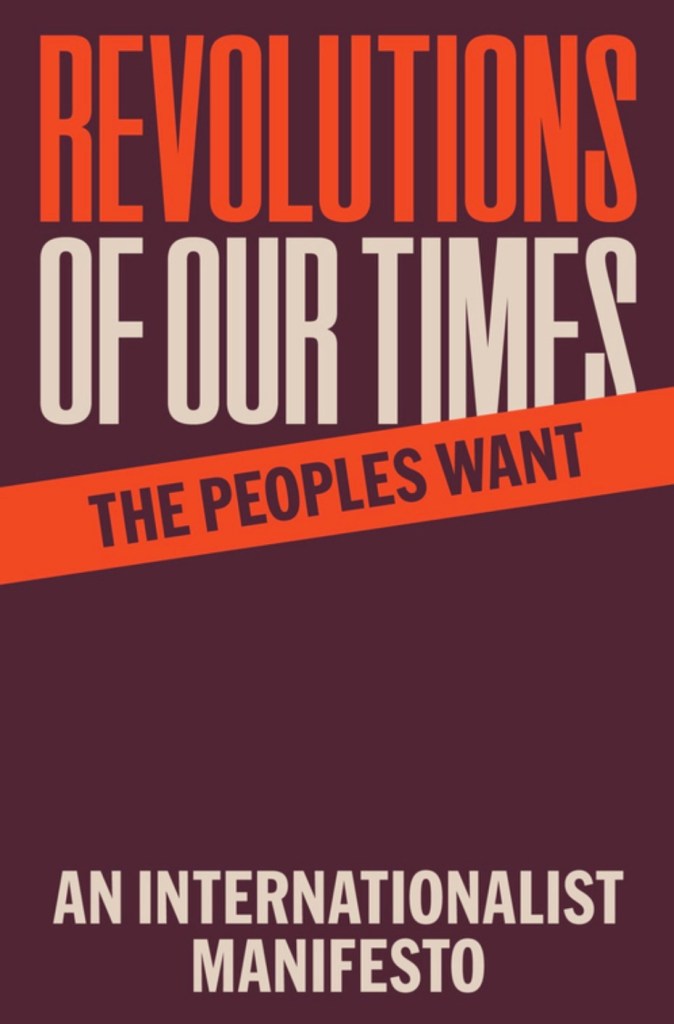
From The Peoples Wants come a book that I invite you all to read. Alone and in group, reading and discussing together as we learn about revolutionary strategies for doing the work now to bring about structural change. How we can work together to make this happen.
I’m reading it now if anyone wants to join me in discussions about it, just get in touch.
Every vision is also a map. As freedom fighter Kwame Ture taught us, “When you see people call themselves revolutionary always talking about destroying, destroying, destroying but never talking about building or creating, they’re not revolutionary. They do not understand the first thing about revolution. It’s creating.”
This is why my favourite pattern within nature, apart from the wave, is the spiral. Again and again, experience shows me how we may feel that we are going around in circles doing the same things, making the same mistakes and never learning or moving forward.
But I beg to differ. I believe life’s journey is a spiral. Each year we go around, and it may feel as if we’re not moving. We’re not making any progress or making our mark. But I see it as coming back around over similar track but we have changed. Through the movement of time and experiences and knowledges, we’ve changed since the last time we were in this spot. It’s not the same spot. Things have shifted. and so we’ve changed. We’re not right back at the same point but moved further into the spiral. Not in a hierarchal way, , ascending or even descending, but more of a going deeper, more connected and centred movement of the journey.
Each rotation in the cycle, in the spiral throws up more learning and more insight that if we’re paying attention we can use on our life’s journey with more consciousness, connection and joy.
I share this because I’ve just recognised how I’ve moved through the spiral this year to come to further understandings and wisdom.
This time last year, preparing for anti-racism facilitation, I was reading What White People Can Do Next by Emma Dabiri.
It was from reading this slim volume of wisdom that I fell into ‘solidarity’ is needed within the anti-racism movement. In fact I started using a anti-racism is anti-capitalism. Solidarity between oppressed and marginalised groups in society is the way forward.
I went on a journey from here, maybe a spiralling into despair, as I searched for a group or organisation to be a member of, in solidarity across different sections of society. I was looking into the communist party, unions, anti-racism organisations, trying to find a place where I could belong and be in solidarity with others.
In my search, I found racism and sexism, individuals and groups still perpetuating the racial capitalist system. Still working with hierarchies and the unconscious bias that they were better than me, than they knew more than me therefore should control me.
I become demoralised and retreated. I put away my radical thoughts and ideas, convincing myself that it was better to be alone and true to my ideals than compromise and waste my time explaining or highlighting blind spots to so-called comrades.
And then these part few days, solidarity has raised its head again but through a different door. Through the door of abolitionism.
Ours is a fight against powerful systems of violence and terror.
In recognising the interconnectedness of systems of state violence, abolition can be the basis of a new solidarity: one that acknowledges specific experiences of violence in particular communities, whilst building a unified, internationalist resistance.
Abolition doesn’t understand the concept of solidarity as an airy-fairy call for different oppressed groups to ‘just get along’. Solidarity is a vital strategic response to the prevalence and ubiquity of state violence.
Abolition Revolution by Aviah Sarah Day and Shanice Octavia McBean
As we have witnessed in the recent council elections, with the surge in the popularity of Reform. This isn’t because this party has set out a manifesto of policies that will solve the issues of poverty, unemployment, economic crisis, the state of the NHS, the policing in our schools and stop crime such as rapes and murders. No this party, it just playing out the age out trick of creating the ‘enemies within’. The ‘enemies within’ can carry all the responsibility for what’s wrong within British society today. The immigrants, the refugees, the gangs, the nasty women, the people with darker skin who are innately hardwired for crime. The general public, usually predominately working class white people, can blame others, other oppressed and marginalised people for all the woes of society. Smokescreens and mirrors, instead of people coming together, across class, race, gender, sexuality, religious lines, in solidarity and challenging racial capitalism and state control and violence which are geared towards keeping the majority of people in poverty at each other’s throats instead. While a few, usually white cis-gendered men, retain wealth, control and power.
I say Reform, but the present ‘Labour’ government operates the same way. They’re all apparatus of the State working to keep power and control through violence and terror in the hands of the few.
So for them the problem is not the historic experience of racism and the legacies of slavery and colonialism: it’s Black ‘gangsters’ on our streets. It’s not disinvestment from and neglect of working class communities: it’s Syrian migrants in our hospitals. It’s not military and imperial domination of vast swathes of the world: it’s Muslim extremists in our schools. Constructed ‘enemies within’ like these provide a constant justification for the use and expansion of state violence in order to maintain control; they tie people’s lived experience of the world to divisive narratives that weaken the collective consciousness of ordinary people. – Abolition Revolution by Aviah Sarah Day and Shanice Octavia McBean
I see the value of solidarity now, in building power in the direction of marginalised groups because it weakens the State’s power and control which is based on divisive narratives that weaken the collective consciousness of everyday people. The marginalised and oppressed.
Now maybe if I had this knowledge, last year, cycling and spiralling looking for my tribe, I might have stuck it out a little longer. Allowed our differences and bias to take a back seat because I believed we were working together across solidarity lines. Maybe.
This year though, with another trip around the sun under my belt, and another spiral deeper into my learning, I believe my solidarity within these groups would have still faltered as within and outside of these groups because they are not spurred on from the foundations upwards and onward with an abolitionist revolutionary thought and praxis.
I see now that these groups are looking toward reform rather than abolition. They are satisfied with tinkering with the edges. Gaining small concessions rather than a total overhaul. It’s like asking for and being satisfied with a more comfortable prison cell as a demonstration of change in how the State handles inmates instead of defunding/ abolishing the prison industrial complex all together.
I see that now as I continue to spiral towards consciousness, again and again. Onwards.
I’m been expanding my reading of late. I’ve just become a member of the Abolitionist Futures Reading Group which is focusing on abolition, obviously.
Reading in community, sharing ideas and thoughts which are probably considered radical, revolutionary to the majority is so refreshing and affirming.
It makes me feel less alone in my way of thinking and {BEING}. It gives me hope that there are alternatives to the current system and that together we can get there.
Abolition, might be associated recently with prisons, or defunding the police, and closing detention centres.
But abolition is much more than this. Started with the aim of abolishing Transatlantic Slavery, abolition of prisons has been there since the inception of prisons themselves. Abolition is revolutionary because in order to decarcerate the Prison Industrial Complex not only does the whole of society have to change, be overhauled not reformed as that just wouldn’t work, but we also, the people have to change.
The world has to change at the same time as the people within this world change. We have to move away from the indoctrinated belief that prisons and the police, state terror more like, are the only means of deterring crime and criminals. Which jus isn’t the case.
We have to stop focusing on the individual ‘evildoers’ who deserve the harshest punishments for whatever crimes they committed, to taking an honest look at our societies and cultures that have forced people to commit such crimes ( or in a lot of cases no crimes being committed but still punished with prison sentences.)
I’m talking about poverty, economics, drug abuse, race, class, sexuality, isolation, migration etc.
To reiterate, rather than try to imagine one single alternative to the existing system of incarceration, we might envision an array of alternatives that will require radical transformations of many aspects of our society.
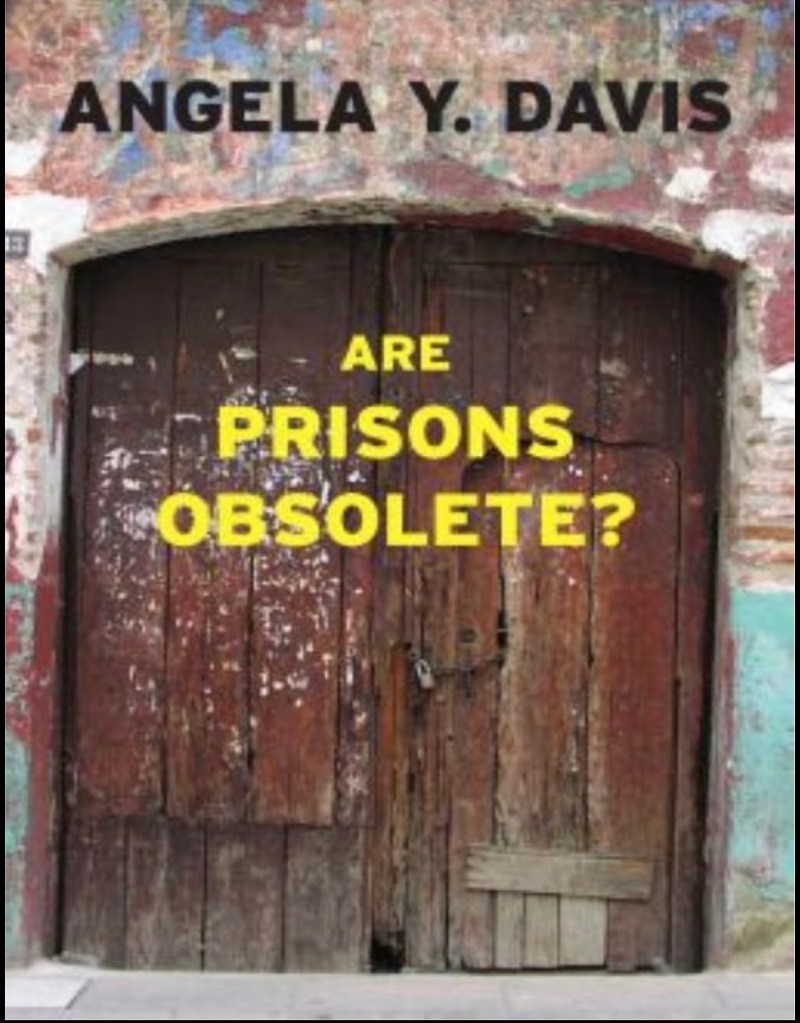
Alternatives that fail to address racism, male dominance, homophobia, class bias, and other structures of domination will not, in the final analysis, lead to decarceration and will not advance the goal of abolition. – Angela Y. Davis
Me reading, thinking and becoming anti-prisons, anti-establishment, becoming an abolitionist is just the next step on this journey of fugitivity, via black anarchism. And I’m so pleased and relieved that I don’t have to walk this path alone. I have a community around me as support.
I’ll tell you the truth, I heard about Keith Porter Jr. 1 day ago.
Keith Porter Jr., a 43 year old father of two girls. He loves fishing and spending time with his family. Laughing.
Keith fundraised for battered women’s shelters, supported street artists, advocated for health services. With real family and friends, real daughters and a real presence in his community, Keith Porter Jr. is no longer with us.
Rest in Power Keith.
On New Year’s Eve, in Northridge, Los Angeles, Keith was seeing in the new year with family and friends in his neighbourhood. Tradition was to fire a gun into the air in celebration.
An off duty ICE agent, heard the shots, and inserted himself into the situation. A situation he shouldn’t have been in as an ICE agent is supposedly trained in compliance, transportation, custody paperwork. Immigration.
ICE is not designed or trained in community engagement responses. community law enforcement.
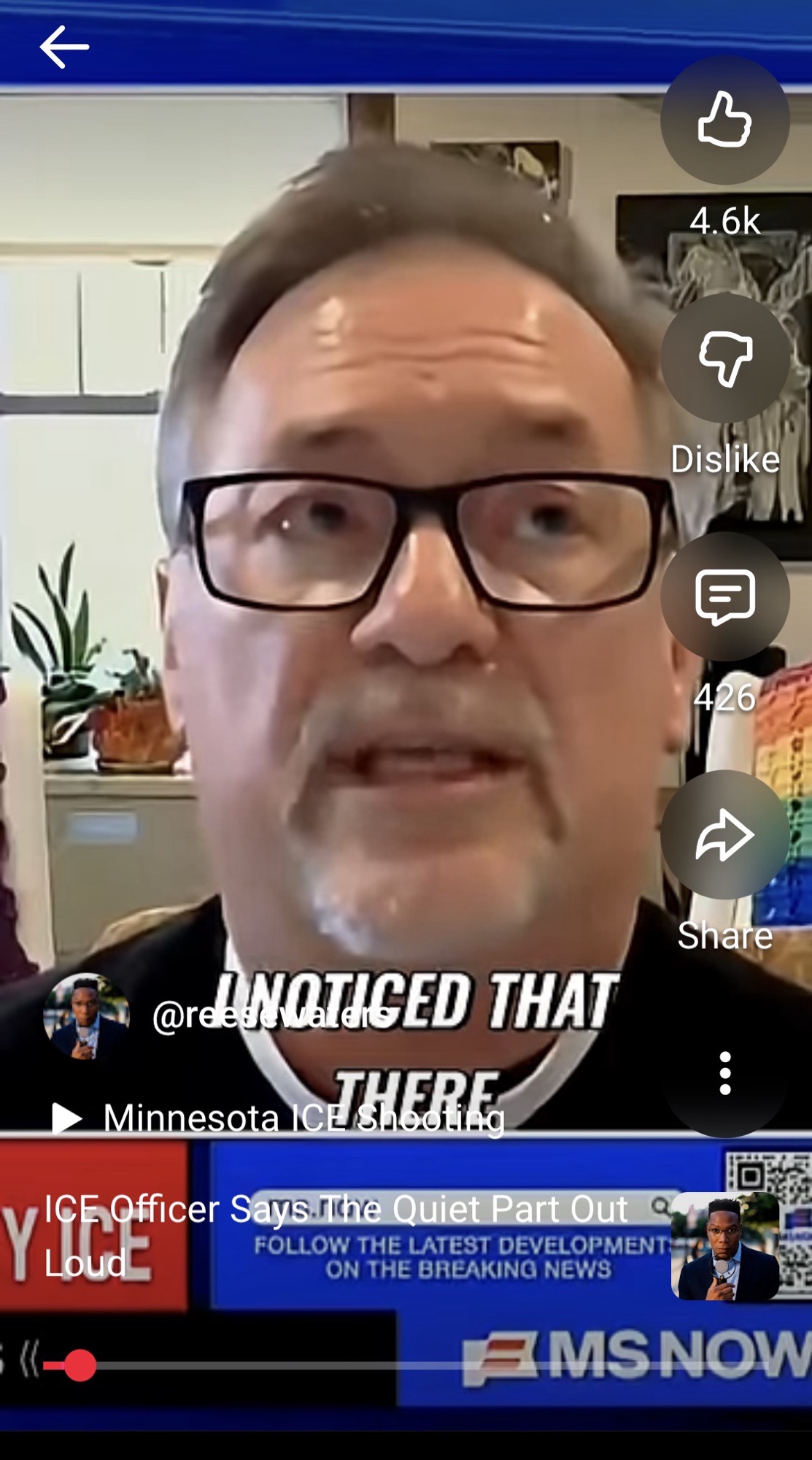
It is argued that after a short verbal exchange, the ICE agent shot and killed Keith.
Official reports from federal agencies say the ICE agent was responding to an ‘active shooter situation’. The department of homeland security says Porter fired at the agent before he was killed (in cold blood).
Watch how they change the narrative. Remember Keith Porter Jr. the man laughing with his family, caring and empathetic will become the monster who deserves to be dead.
Family and community advocates dispute this claim, stating that there is no independent released video evidence showing Keith Porter Jr. posed an imminent threat or fired at the agent.
Rather than lethal force, this off duty ICE agent should have done his citizen’s duty and called local Police as this was not an immigration issue. This was not his jurisdiction, his authority.
Keith Porter Jr. became an imminent threat only when this ICE agent turned up.
ICE has no community engagement training. They might have authority but not in the community, they don’t have the judgement and empathy to be on the streets. But obviously this ICE agent, off duty, thought otherwise.
Nearly two weeks ago Keith Porter Jr. was shot and killed. And people, the average person, even those online are just starting to find out about this murder. Only after Renee Good’s cold bloodied murder.
There is selective outrage in America. As I wrote last week, I have no issue with the response to Renee Good – that’s how we should be respond in this situation.
But
#SayHisName
Keith Porter Jr.
His family had been struggling to get his story, his unlawful killing into the current media cycle. This just compounds what I’ve been saying about the lack of visibility in mainstream media of black people being unlawfully killed by law enforcement.
Be honest have you heard of Keith Porter Jr? But you’ve heard of Renee Good?
There are arguments we can put in place here . You might not have heard his name, Keith Porter Jr. because he was killed by an off duty ICE agent not on duty with a large crowd there. Might be because there’s little video evidence circulating around. But the main reason is because Keith Porter Jr. was a black man.
This is part of the reason for not using #SayHerName for Renee Good.
No one’s even heard of Keith Porter Jr. No national attention for his murder but within 24 hours everybody knew Renee Good’s name.
This is the very reason #SayHerName was created for the invisible black women and black men who are causalities of the state, of state terror.
And it’s only now that white people are waking up to this terror when black people have been enduring if for centuries. This is why I argue to consider the language used and to give credit and recognition for where it originated, why it was created in the first place.
And yet the same stories are being used to justify the unlawful killings of Renee Good and Keith Porter Jr. They were both pointing weapons at ICE agents, posed a threat and had to be eliminated.
I say
2 different people
2 different cities
but the same structural problem.
Later down the line this might get read as the one bad apple or one bad moment. But this is clearly a system which once hidden no longer neededs to remain hidden.
A system that is built without limits or accountability.
De facto special powers bestowed by the Trump administration on ICE that seem to supersede police powers. ICE is now inserting itself into everyday life and every day neighbourhoods. And as we are witnessing this very presence is killing people. Killing more and more people who weren’t even their targets.
But that no longer seems to matter.
As I’ve said before and I’ll say again, I don’t have an issue with the response to Renee Good – that’s how we should be responding in a situation like this. I just argue that the others, and there’s a long list that is growing of people who have been killed by ICE during this administration, deserve the same energy that is surrounding the murder of Renee Good.
As last time I checked, these are not animals, criminals or just talking points but human beings. Real human beings with grieving families. And this is something that gets forgotten in the media.
We need to continue to have these conversations and we need to keep fighting, on the small and large scale, against fascism near and far.



 youtube.com/shorts/YH9J0BioGMo