I’ve taken quite a shine to Loch Morlich. It’s a place that keeps on giving. And a place I long to return. I leave it with a renewed commitment to my self-love journey. To devoting more time, care and attention to myself. Diverting the attentions I might have been giving out willy-nilly to other people, thoughtlessly, I redirect back to the source. Me.
7am, Loch Morlich
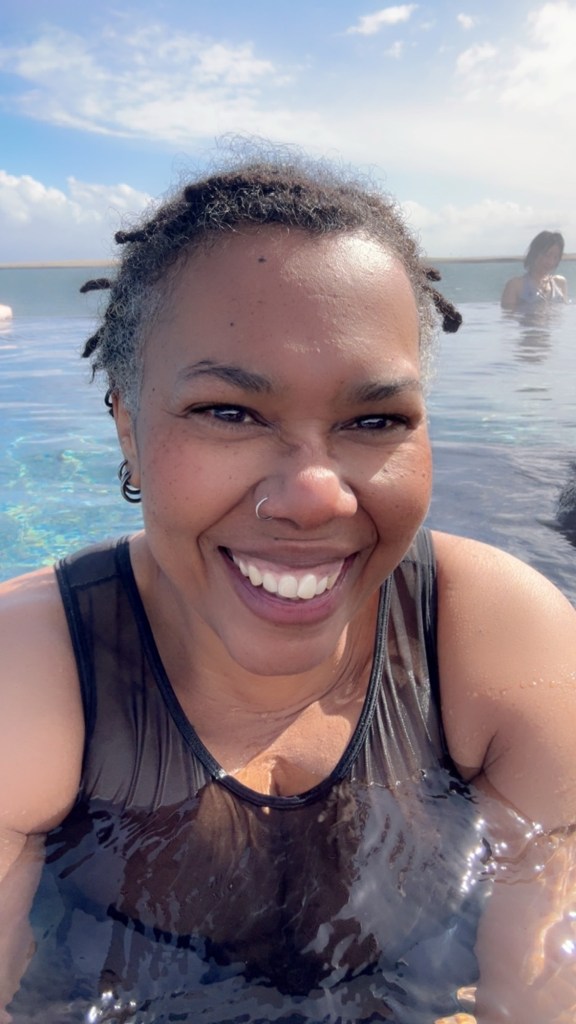
I entered the loch today as the sun was rising. I broke the surface of the loch, with its shards of ice and glided out. Slow expansive circles ripped upon the lochs surface as I took slow, cold strokes. It was freezing and it was painful, but I didn’t want to stop, to get out and leave the loch. But I did.
My finger tips were white for a long time after my swim. I used hot water to bring back some feeling into them. They were so painful. But this pain, along with my body submerged without the frozen loch, are all a reminder to feel again, to live my life to the fullest and give thanks in the process.
Yesterday, I clocked up 17 miles on my walk into Aviemore and back. So today was a talking it easy kind of day. But I still needed to move my body. To explore the camp site and be with the loch. So a morning walk it was.
Sun just up. Loch serene.
10am, River into Loch
Some days, to keep the creative juices flowing and the blood pumping, I take a walk out. Stretch the legs and clear the head. All those great thinkers from time have sworn by taking a walk and a problem is solved.
Sun up. River flowing.
2pm, Loch Morlich
As the afternoon wears on, I usually get a slump in energy levels. If I was home, I’d crawl under a blanket and ride out the low energy. Picking on myself for being so lazy and not doing something to shift my energy. Today I got back out to the loch and noticed a nip in the air. A rise in the wind speed and a reluctance to get into the water.
Sun descending. Loch rippled.
5.30pm, Loch Morlich
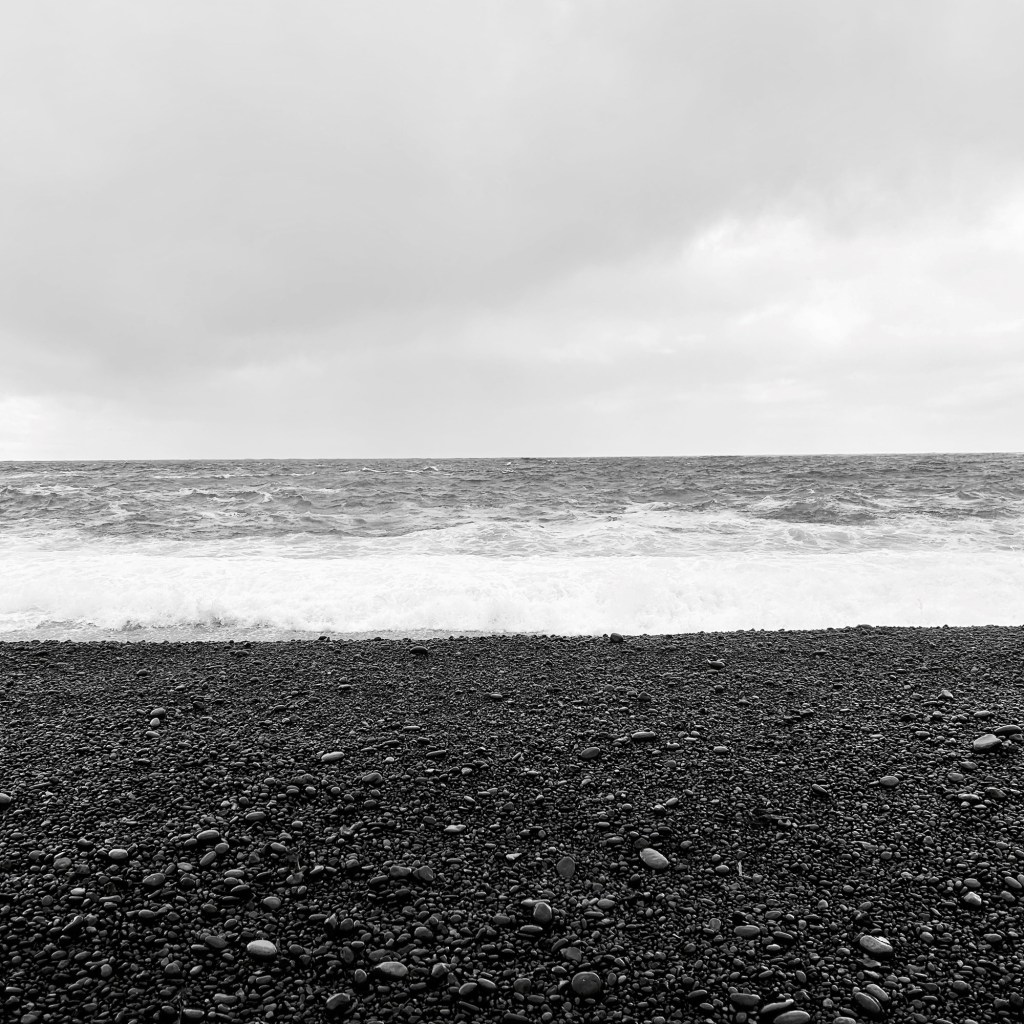
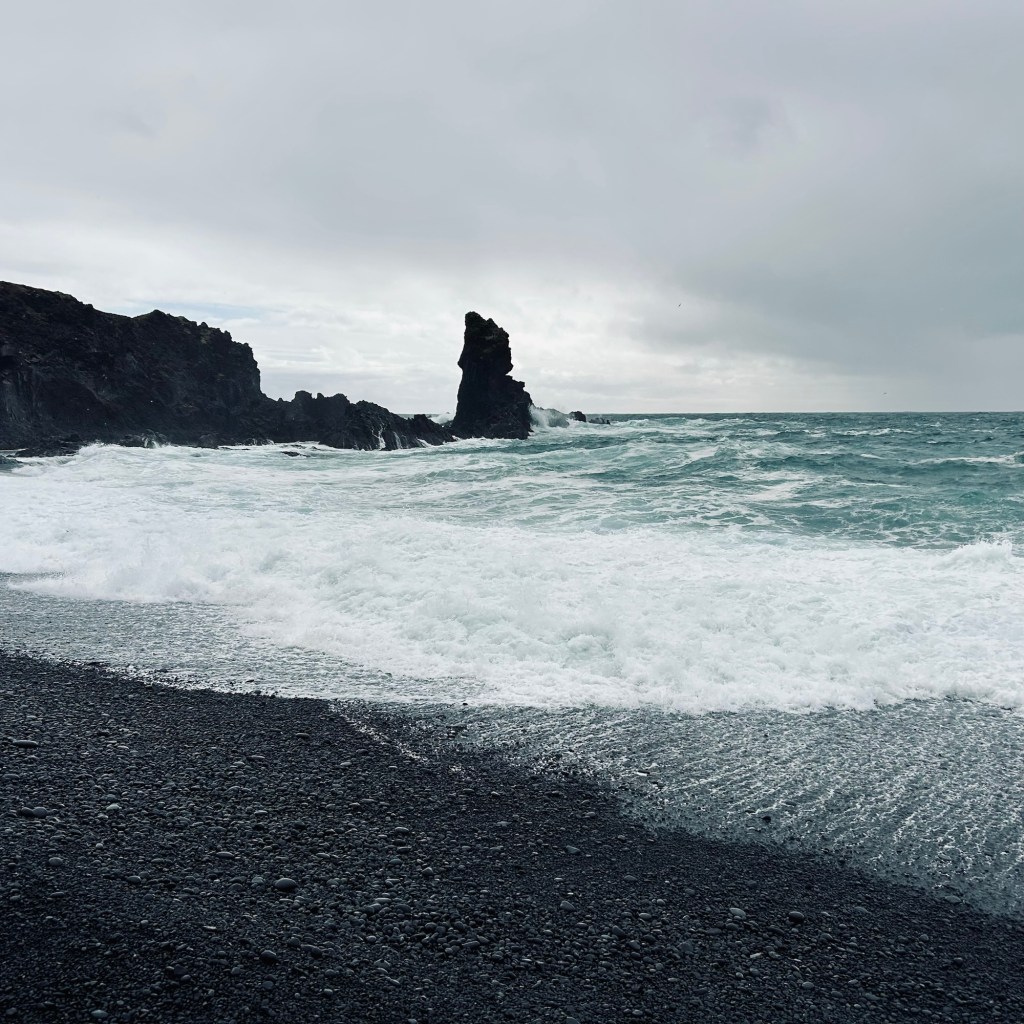
The aim was to enter the loch with the sun going down. But I couldn’t be arsed. There were too many people round. I was the only Black body around for miles as well as the only body I’d seen for my stay entering the loch. I was too tired to be singled out any further. So I walked the loch. Around to the point of the sun going down and the loch taking on the colours of dusk. I was glad I walked out again.
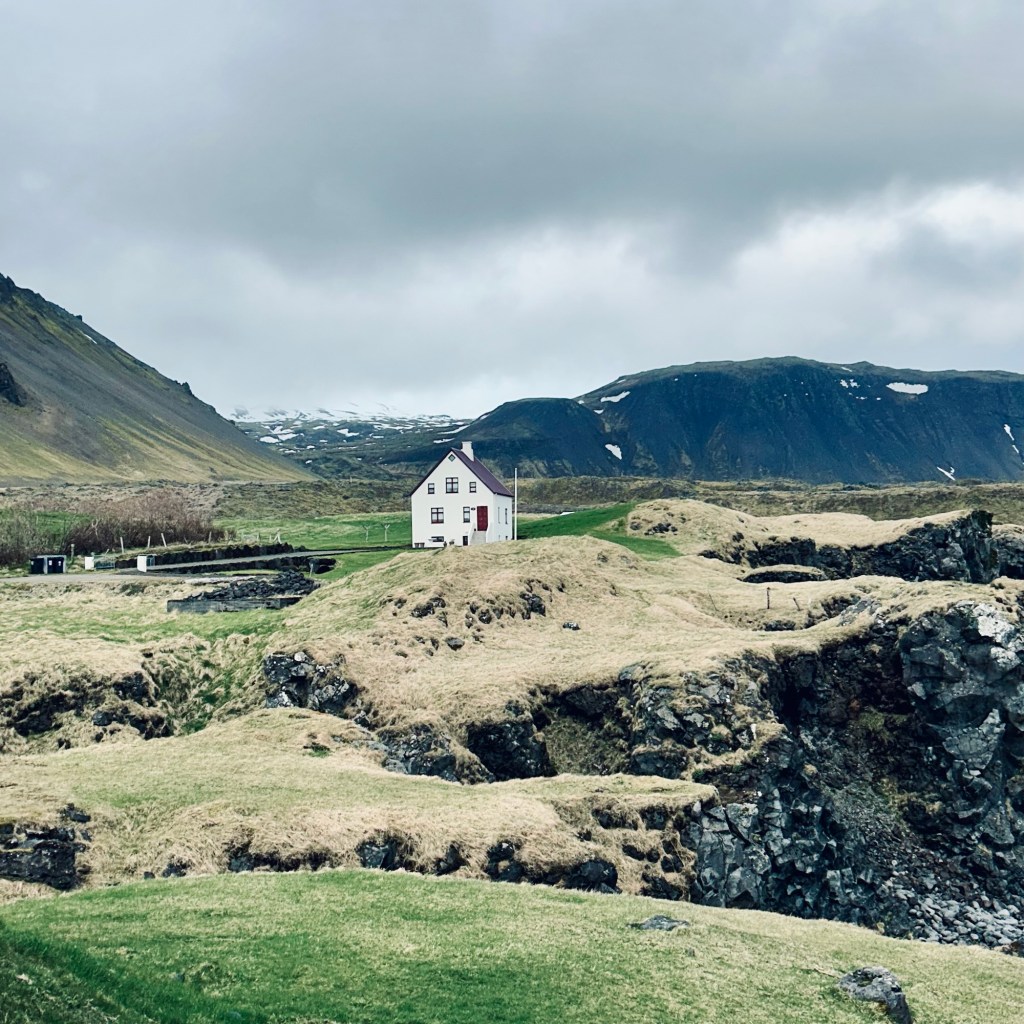
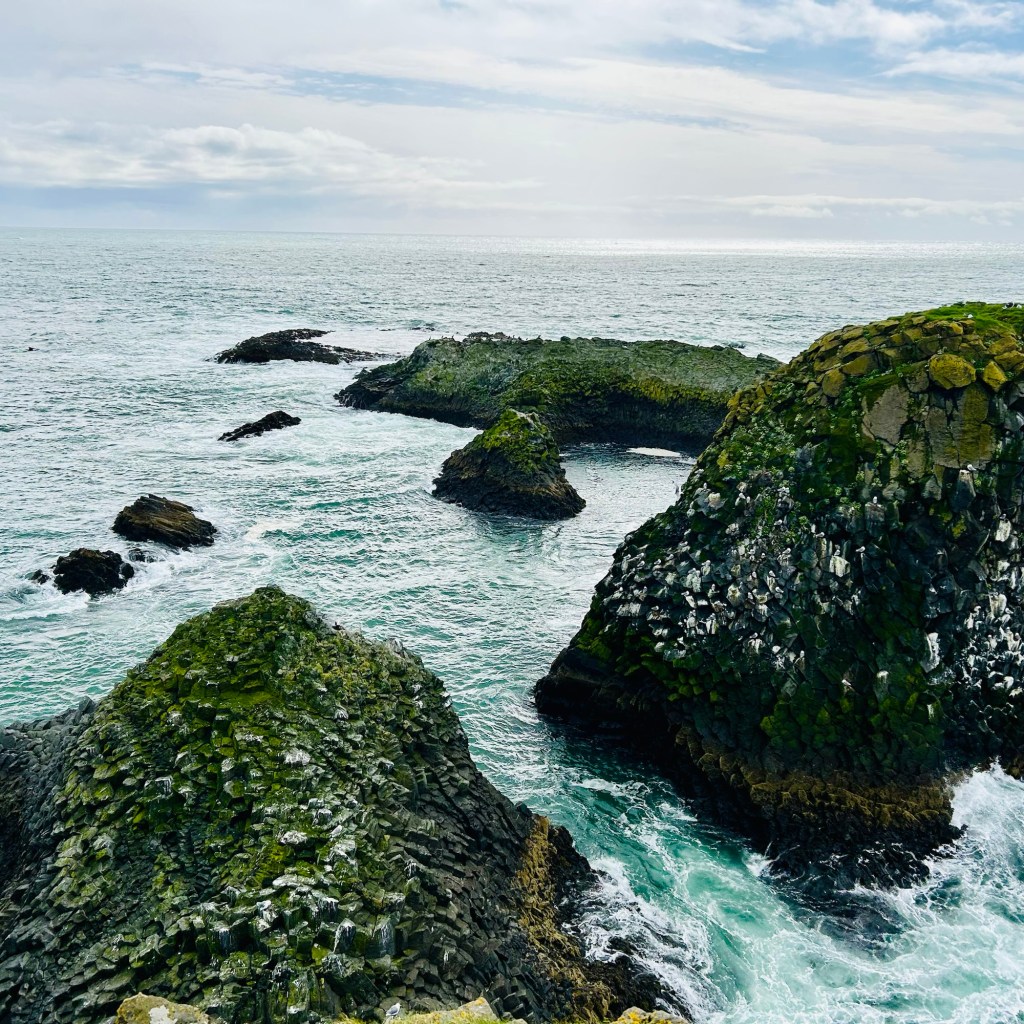
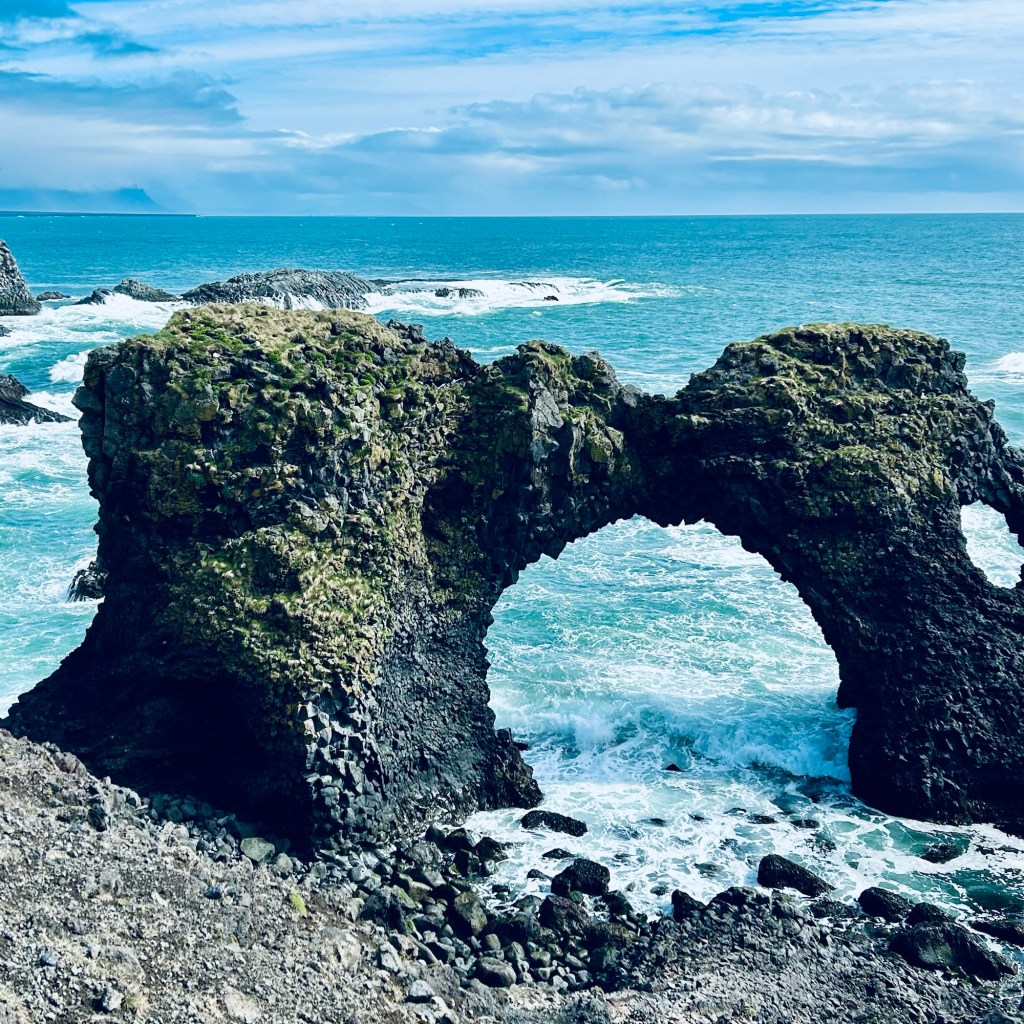
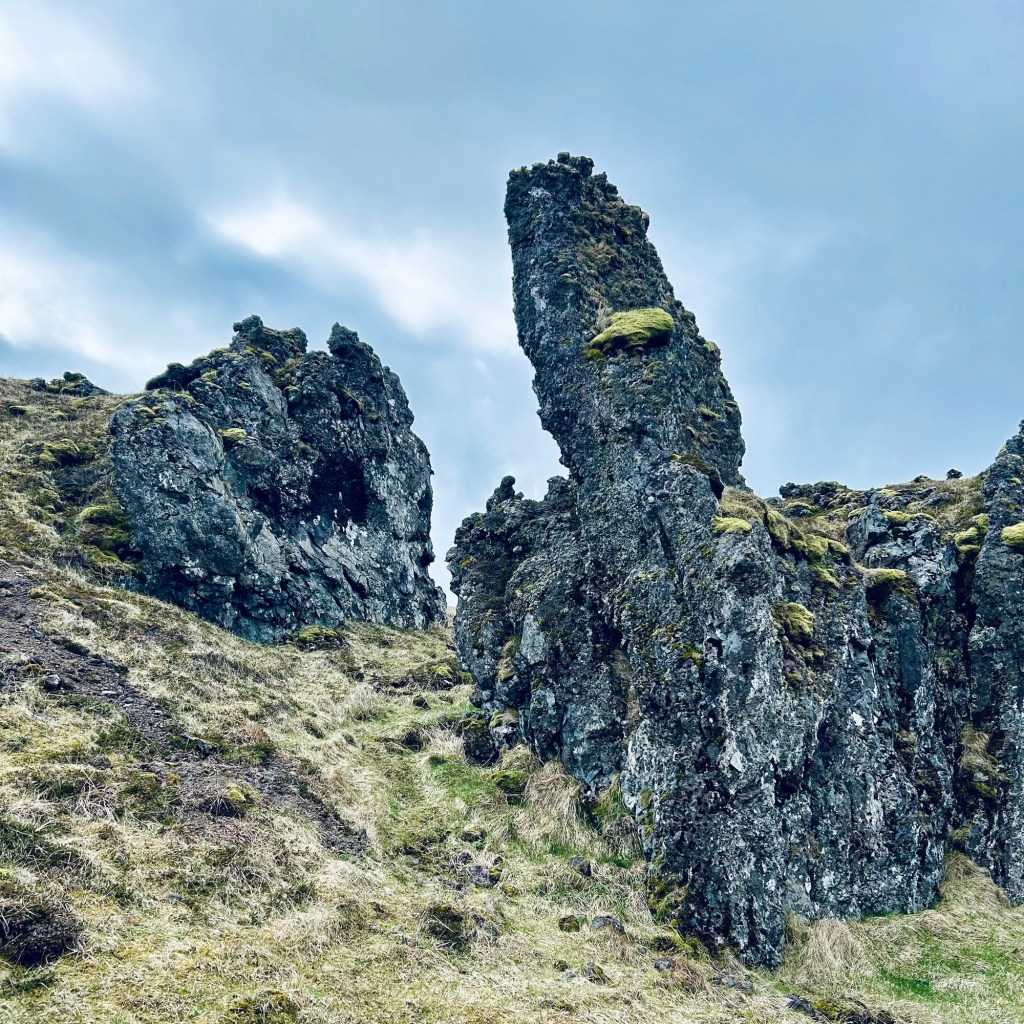
It’s been a while since I’ve taken you on a photowalk. With the nights getting lighter, and being away in Kiwi, I felt the urge to watch the sun go down over Loch Morlich.
When Kiwi and I were coming back from Glencoe in the New Year, we planned to stop off at Loch Morlich on route but it had snowed and more forecast. I’d never been to the loch before so I erred on the side of caution promising myself that we would return some other time.
That’s a practice of mine. To not run around like a blue arsed fly trying to fit everything in/ see/do everything but to leave something to come back for. A reason to return.
We were due to return to Loch Morlich in January but after my fall, I postponed it till this week.
So here we are parked up at Glenmore Campsite nestled in Glenmore Forest and kissing Loch Morlich.
Of course I’ve already been in the loch and it was fucking cold. I was tingling with renewed life afterwards though.
Enough energy therefore to take you on a photowalk as the evening draws in.
Okay where to begin.. That has been the issue – worried about where to begin has stopped me beginning. But now I’ve got to begin as I need to get it out of me onto the page, in order to create some kind of sense of it all. So maybe I’ll begin with the Combahee River Collective (CRC).
I’m diving into the realms of Black Feminism- thought and theory and practices.
I’ve already been in the thick of it for years, with me first coming to Black Feminism through my degree and then masters and then this forming the foundation really of my PhD when I traced the tradition of Black British Women’s Poetry. But retaining knowledge and theory is difficult when I keep putting new things in my brain.
I don’t want to be an expert on Black Feminism but I do want to revisit it and consider it’s premise again in light of recent readings and experiences.
So I begin with the Combahee River Collective Statement, 1977. And I’m not saying that this is the beginning of Black Feminism. But I’m using it as a marker along the way. I figure if I keep this statement in clear view, using it like a signpost then I can’t stray too far off the path.
This exploration of Black Feminist thought is going to be a new folder within this website’s portfolio as this is area of research is something I plan to keep returning back to and adding to as I continue to re-familiarise as well as extend my thinking and practices around Black Feminism.
So what is the Combahee River Collective Statement all about. Well first you can was the full statement here.
It has been argued that this statement issue by a collective of Black women in Boston in 1977 who came together after witnessing an recognising the racism within the women’s movement and the sexism within the race/ civil rights movement, was based on the reality that Black women’s experiences cannot be reduced to either race or gender but have to be understood on their own terms.
Combahee River Collective Statement introduced to the world terms such as “interlocking oppression” and “identity politics.” Formed in 1974, The Combahee River Collective (CRC) was a radical Black feminist organisation which took it’s name from Harriet Tubman’s 1853 raid on the Combahee River in South Carolina that freed 750 enslaved people.
It might have been The Kimberlé Crenshaw in 1989 who coined the phrase “intersectionality” but it was CRC who articulated the analysis that underpins the meaning of intersectionality. The idea that multiple oppressions reinforce each other to create new categories of suffering, these interlocking oppressions, happening simultaneously, renders the Black woman’s position in society unique and most direr.
As the statement begins:
“The most general statement of our politics at the present time would be that we are actively committed to struggling against racial, sexual, heterosexual, and class oppression, and see as our particular task the development of integrated analysis and practice based upon the fact that the major systems of oppression are interlocking. The synthesis of these oppressions creates the conditions of our lives. As Black women we see Black feminism as the logical political movement to combat the manifold and simultaneous oppressions that all women of color face.”
It goes on to state:
“Merely naming the pejorative stereotypes attributed to Black women (e.g., mammy, matriarch, Sapphire, whore, bulldagger), let alone cataloguing the cruel, often murderous, treatment we receive, indicates how little value has been placed upon our lives during four centuries of bondage in the Western Hemisphere. We realize that the only people who care enough about us to work consistently for our liberation are us. Our politics evolve from a healthy love for ourselves, our sisters and our community which allows us to continue our struggle and work”.
CRC comes to the conclusion that:
“We might use our position at the bottom, however, to make a clear leap into revolutionary action. If Black women were free, it would mean that everyone else would have to be free since our freedom would necessitate the destruction of all the systems of oppression”.
And this would come to pass through the practice of the revolutionary politics of Black Feminism.
I’m fixing to read all 12 novels and the one short story collection of Octavia E. Butler this year. The time has come to make intimate with this pioneer of science fiction, speculative fiction and wisdom.