Let us linger here in this room with the curtains closed with our other lives forgotten for a little while longer.
Let us not use words when our hands, lips and tongues can communicate our needs, our wants.
Let our breath be silken on our skin, let our bodies entwine still able to promise bloom and ripple.
Let us slow it all the way down, slowly, slow, so we can feel each stroke, each gliding smooth folding into each other.
Let us hear each others moans of joy, of wonder as our bodies wander together away from this room, this bed into our happy place where we can ride out the rest of our time here on earth.
Let us dream this lushness as we reach for each other, conjuring connection beyond the here and now, in the here and now.
Let us linger in the lingering light and just enjoy this afterglow, this pleasured pain like passing ships never to traverse these same desire lines ever again.
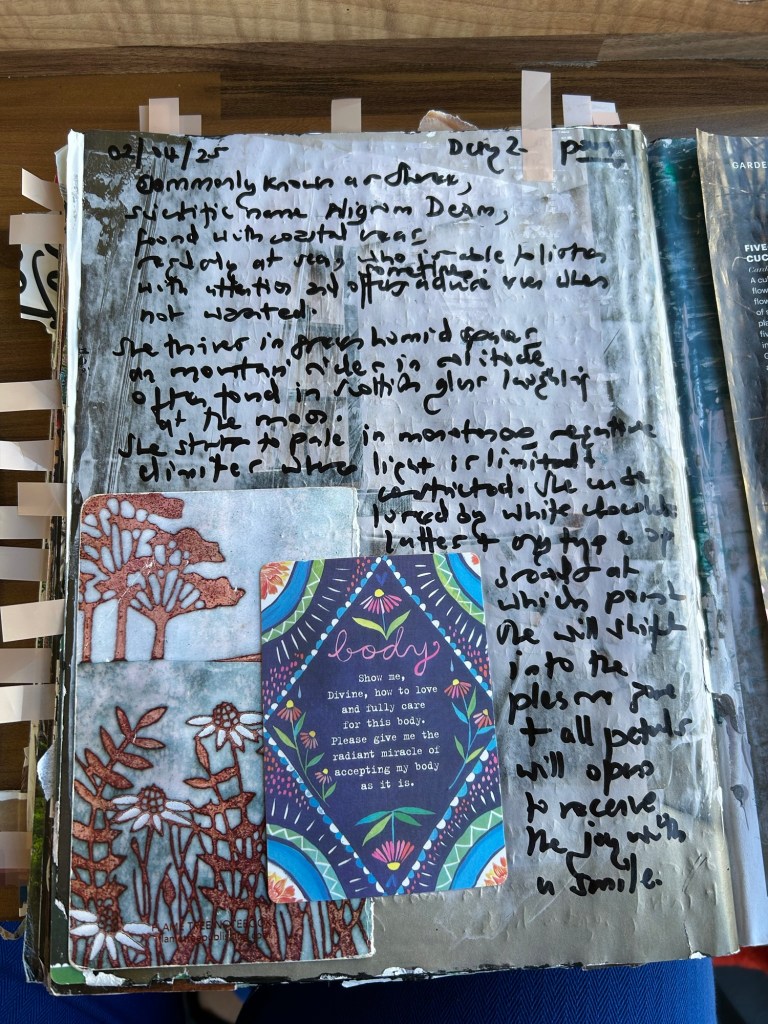
Commonly known as Sheree, with the scientific name being Nigtum Deam, found mostly within coastal areas, regularly at sea.
She is able to listen with attention and sometimes offers unwarranted advise. Her heart is in the right place.
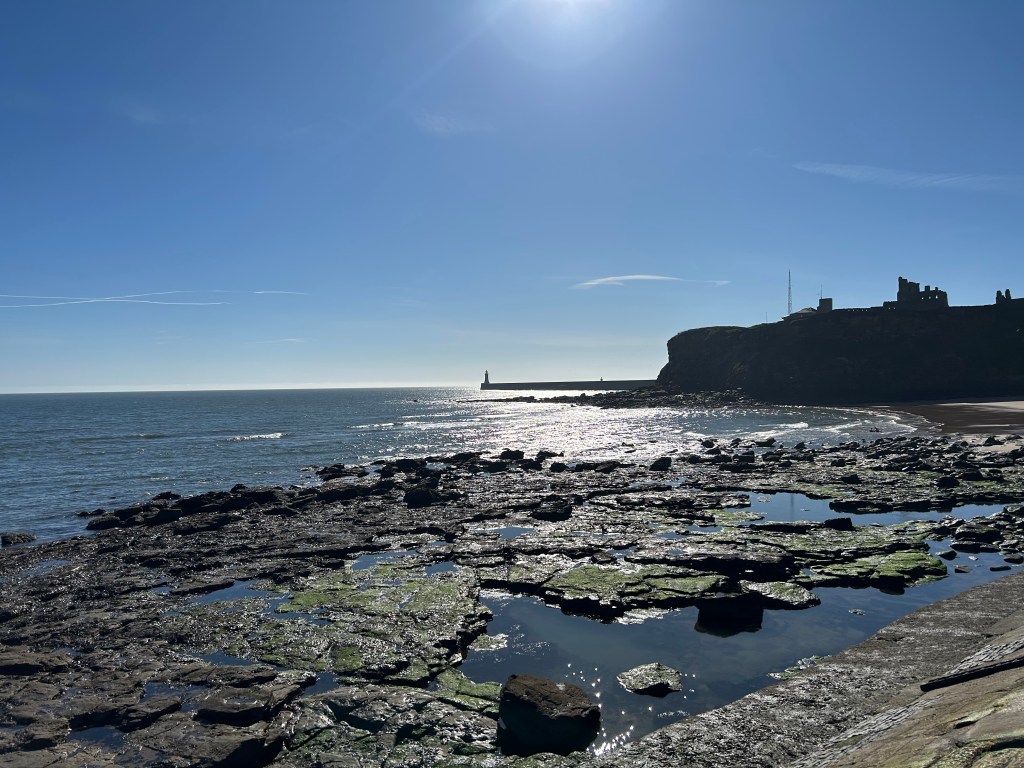
She thrives in green humid spaces, on mountain sides in solitude, often retreating to Scottish glens to laugh at the moon.
She starts to pale and fade in monotonous, negative climates where light is limited and restricted.
She can be lured by white chocolate lattes and any variety of breads. At which point, she will shift into the pleasure zone, all petals opening to receive joys with a smile.
after Adam Zagajewski, translated by Clare Cavanagh
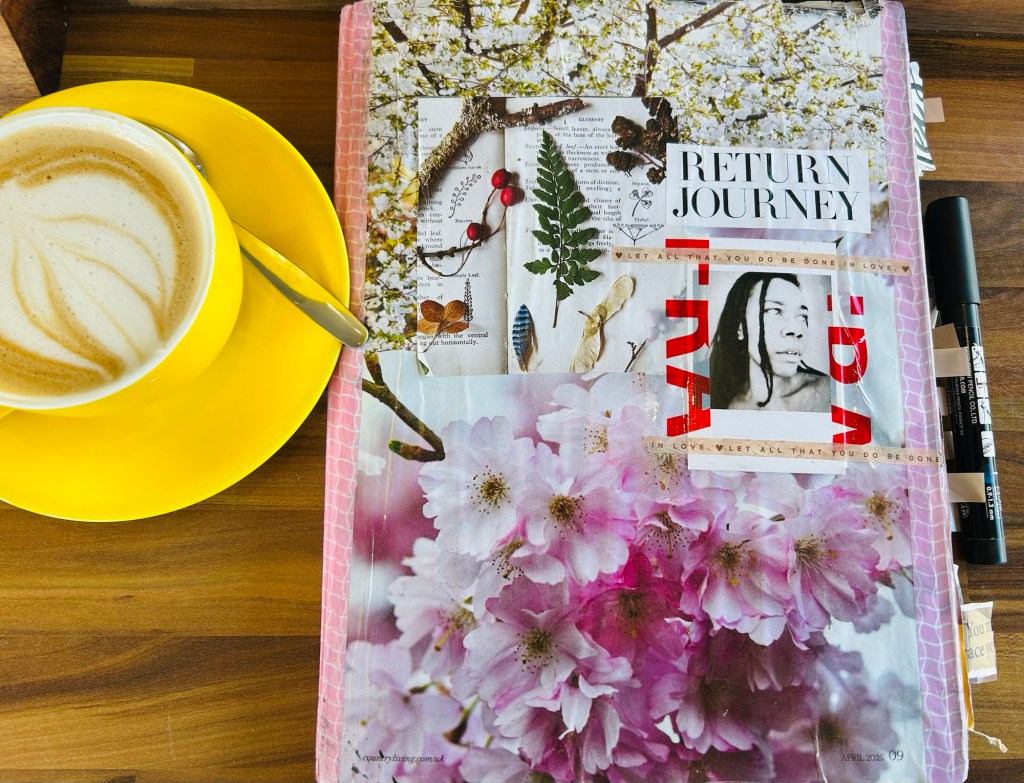
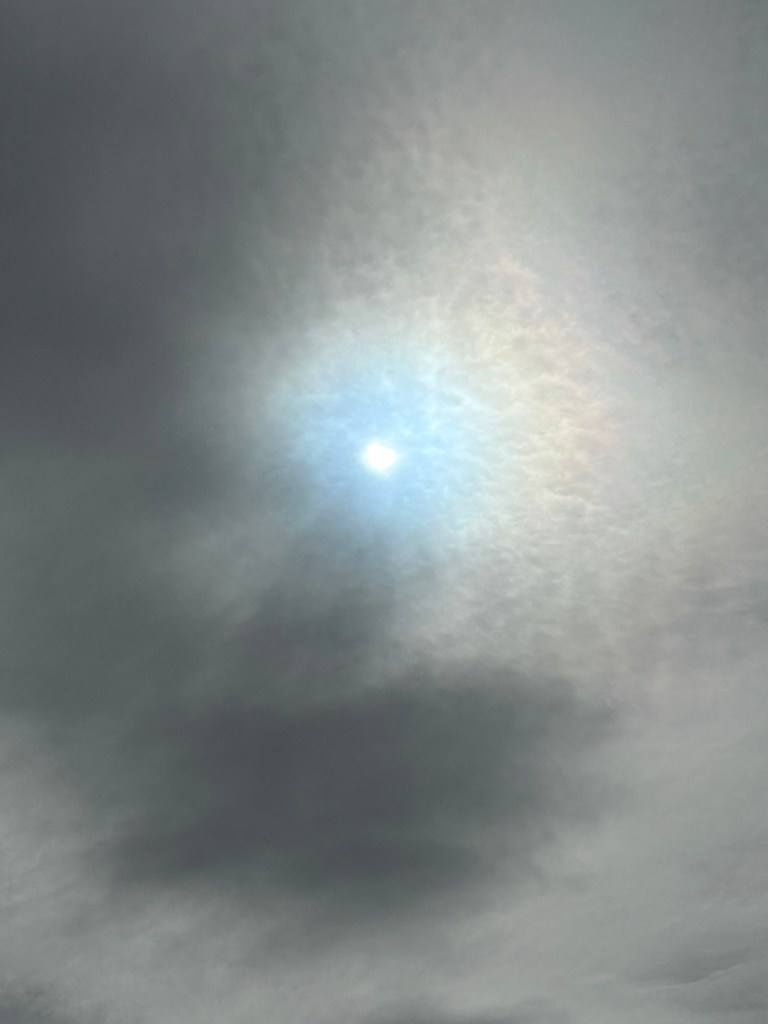
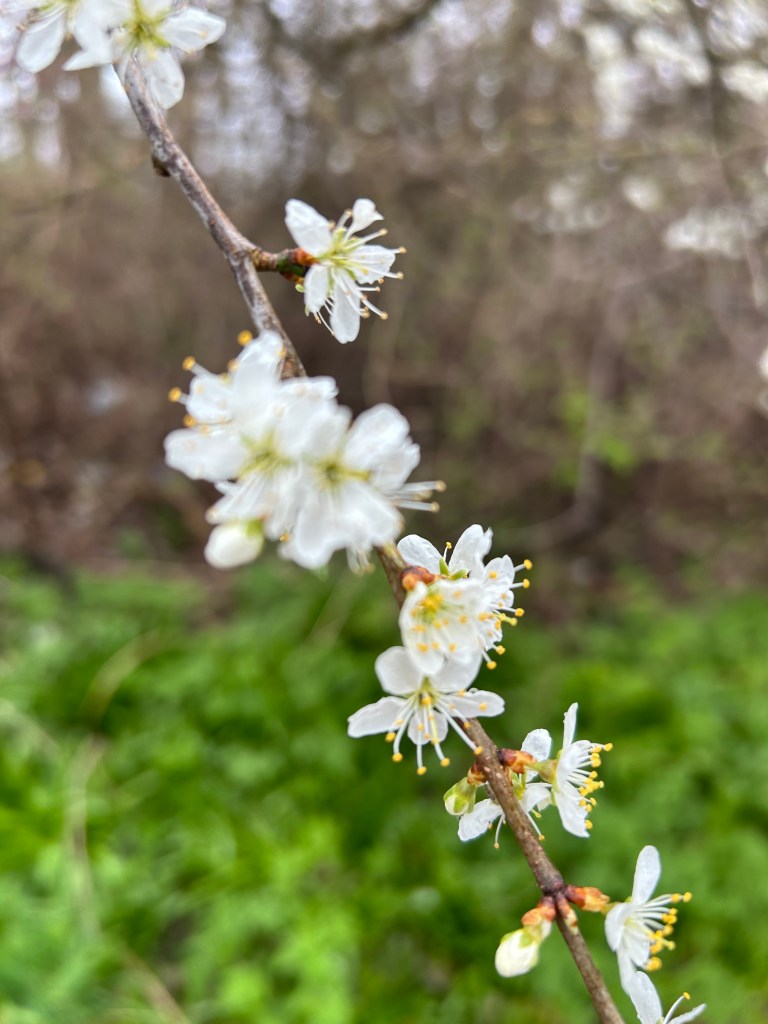
Try to praise this chaotic world, as the first of April dawns fresh, with welcome light, and slight breeze of delight. The blossom is waiting to bloom as the fruit trees inch towards the sky. You must praise this chaotic world. You must keep hope when things go awry while those few, usually white and male, act like stewards for all humankind, communities they have very little contact with let alone care about. You should praise the chaotic world. Remember you are not alone, within you are generations of people who have been here before. Who did not moan or falter but protested. They survived so we could thrive in companionship with the trees, seas, hummingbirds and ferns. Praise the chaotic world and the chance to emerge as Spring light has returned after when we think that all was lost.
It really wasn’t on my radar. But I must have signed up for a co-writing salon with Lemon Grove Writers. And you know how it is, afterwards they send you they send you other emails, sharing the stuff to buy into. Well one such email was sharing that the Lemon Grove Writerswere offering a free 30 day poetry prompt email send out for the month of April to coincide with National Poetry Month in the States. As you know I’ve tried a number of years to write a poem a day in April, some years more successful than others.
It’s free, what did I have to lose? So expect to find a poem a day here for the month of April as I try to create something to the given prompt. I begin today with the weather. If you want to receive these poetry prompts in your inbox, just sign up here. Happy writing.
As they become known and accepted to ourselves, our feelings, and the honest exploration of them, become sanctuaries and fortresses and spawning grounds for the most radical and daring of ideas, the house of difference so necessary to change and the conceptualization of any meaningful action. Right now, I could name at least ten ideas I would have once found intolerable or incomprehensible and frightening, except as they came after dreams and poems. This is not idle fantasy, but the true meaning of “it feels right to me.” We can train ourselves to respect our feelings, and to discipline (transpose) them into a language that matches those feelings so they can be shared. And where that language does not yet exist, it is our poetry which helps to fashion it. Poetry is not only dream or vision, it is the skeleton architecture of our lives. It lays the foundations for a future if change, a bridge across our fears of what has never been before.
Audre Lorde, ‘Poetry is not a Luxury’, on Sister Outsider: Essays and Speeches (Trumansburg, NY: The Crossing Press, 1984), 37.
This short piece is a mash up of a certain clip from Joaquina de Angola: Memory of a Liberation by Aida Bueno Sarduy and music from Insight Timer, called You.
Seen recently in Barcelona at CCCB, Joaquina de Angola: Memory of a Liberation by Aida Bueno Sarduy is an audiovisual installation that recovers the story of Joaquina, a young woman enslaved on a plantation in Brazil, and her escape.
“A work about archived, forgotten, and silenced voices in the history of slavery and colonialism. This audiovisual installation brings to life the act of “unarchiving” an event recorded in colonial history as an escape. A 15-year-old enslaved girl fled the plantation where she lived, and her owner, after an unsuccessful search, placed an ad in the newspaper offering a reward to whoever found her. The archive reveals nothing more about this incident: it merely collects it as a piece of data. This piece challenges the oblivion, archiving, and silencing of this character. To unarchive, in this context, becomes an artistic and political act that brings Joaquina de Angola out of the shadows of the document, removing her gag and chains so that she can tell her own story. This act not only questions the record but also raises questions and delves into its details. It is an inquiry that brings Joaquina back to life and acknowledges her as a cimarrona, calling upon ancestral memory as well as imagination, intuition, and spirituality. Since the beginning of colonization in Brazil, alliances and exchanges of extraordinary significance have taken place between Indigenous peoples and enslaved Africans, but these have also been silenced. The presence of entities known as caboclos (Indigenous spirits) in all Afro-Brazilian religions is perhaps the most consistent and profound evidence of this. Amazonian peoples, Indigenous peoples from across Brazil, and quilombola communities—formed by Afro-descendant peoples—have shared ancestral struggles for the defense of their territories and against colonization and exploitation. The installation speculates on these possible Afro-Indigenous alliances in Joaquina de Angola’s journey toward freedom.”
This extracted masheup with music created above by myself, hence a found poetry film, is my take at a beginning of exploring fugitivity. I’ve been living, breathing, talking, practicing fugitivity for a few years now. I’ve mentioned it before, and it was Dal Kular who first introduced the term of me via her then newsletter, Field Notes. Dal said at the beginning of Jan 2023,
“Whatever the out-there-in-the-world fuckery is going on in 2023, I declare myself a CREATIVE FUGITIVE. A way of living in this world but not of it.”
Her take on creative fugitivity has stuck with me. I’ve gone on to read more around fugitivity. I’m even writing a chapter, at the moment, around black mothering and fugitivity. Fugitivity is taking over my life. And again I’m creating a project here in my portfolio to collect my wanderings and wonderings around this concept and way of being.
For me in a nutshell, fugitivity is the act of flight. It is the withdrawing of my labour and consent in the current system of white supremacy culture, capitalism, imperialism, colonialism. Fugivitiy is refusal and resistance. Divesting from the current way things are playing out as the few hoard the wealth of the world at the expense of the many.
Originally the fugitive was the runaway, the escapee. Hence why the audio-visual installation and consequent fugitive poetry film was created. I’m starting from the origins of the escaping enslaved. Running, fleeing captivity towards freedom. Freedom being the end point, the destination but in the process of escaping, there is the in-between space between what they were fleeing from and fleeing to. And here in this liminal space is where fugitivity is ripe.
There/ here is the lingering in the midst of flight, where I choose to SLOW down and be. To linger with nature. To seek my joy and pleasure in the world around me on my own terms. Fred Moten in conversation with Saidiya Hartman, both of whom we will be exploring further, said,
“I often use – and I always think of it in relation to Fannie Lou Hamer, because it’s just me giving a theoretical spin on a formulation she made in practice: to refuse that which has been refused to you. And that’s what I’m interested in.”
That is fugitivity as a method, kin-making and place-making, as a practice that I intend to explore within this project archive.


 Living Wild Studios