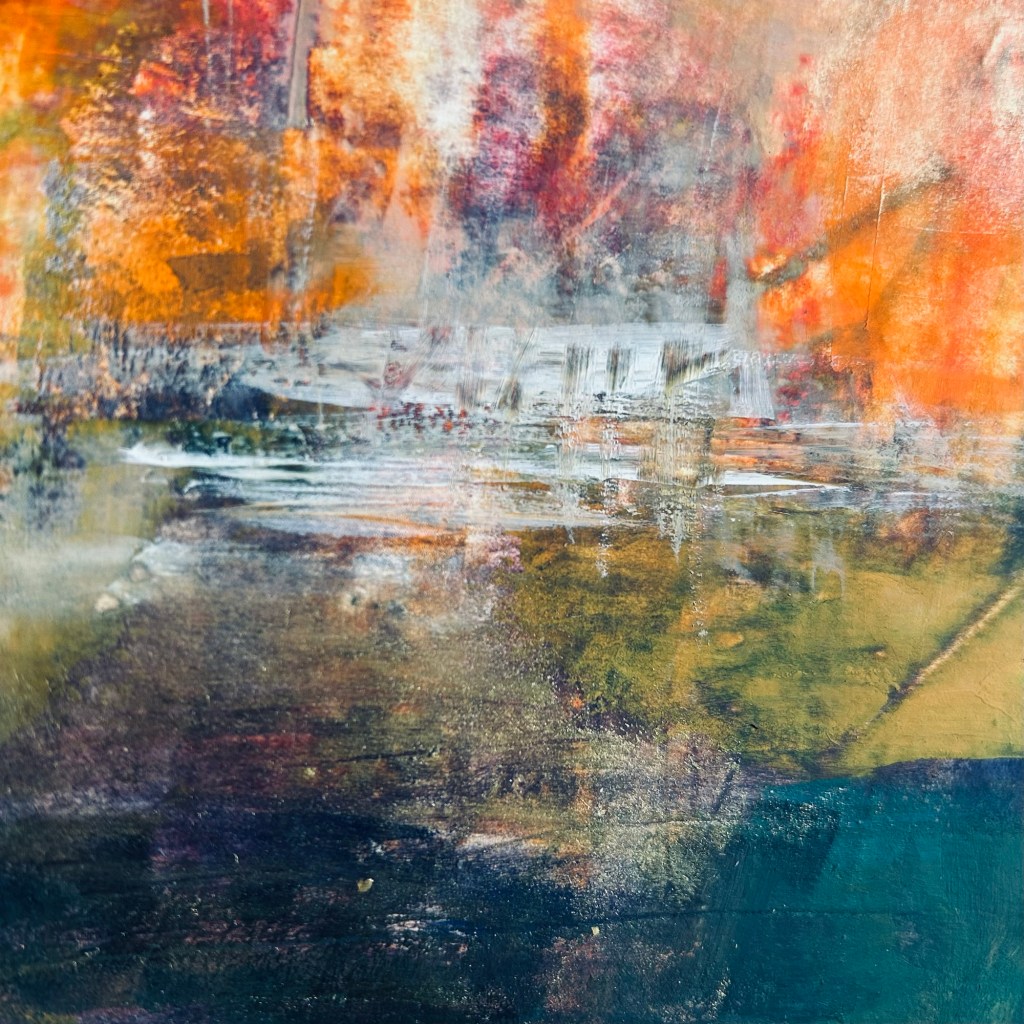
by diamond sharp
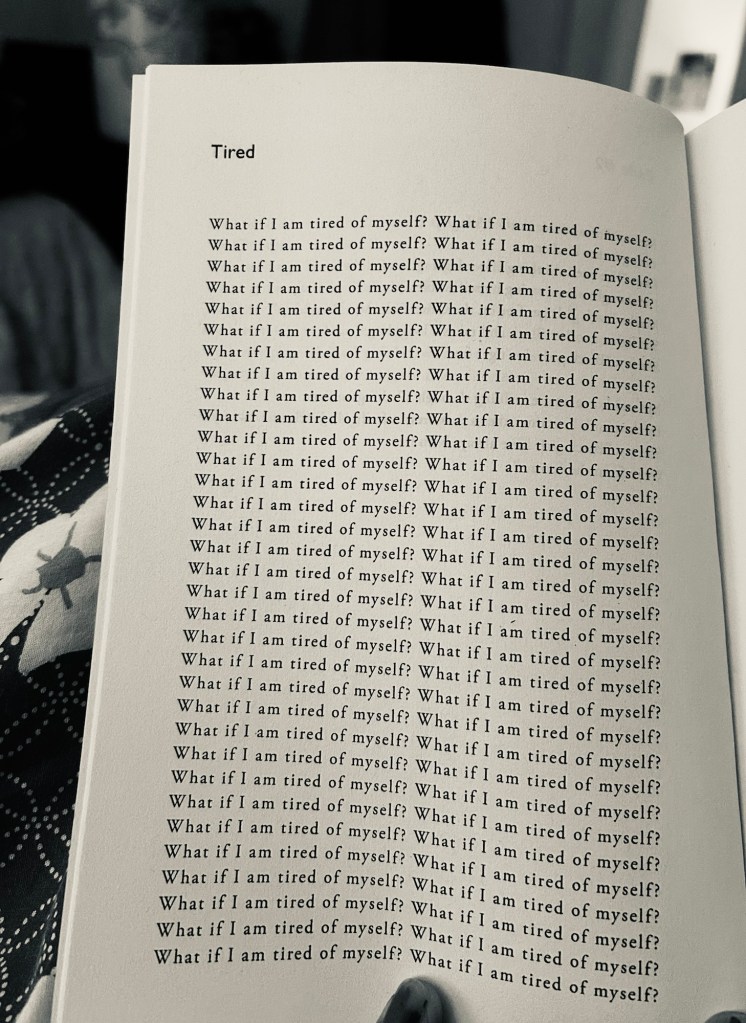
by diamond sharp
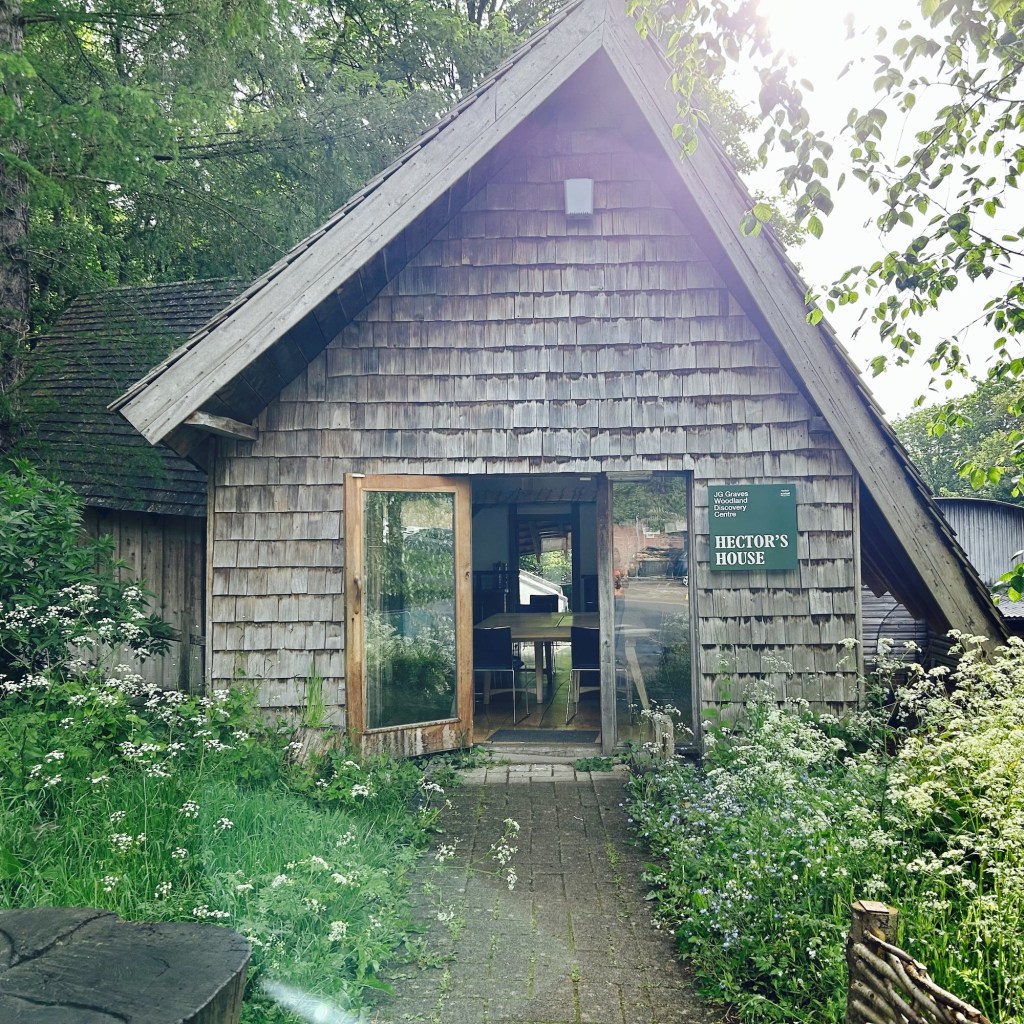
I had the pleasure of gathering with the WOC Azadi again in Sheffield today.
We gathered to share ideas around how to plot/plotting our healings, our liberation together.
Visual journaling was on hand to capture our thoughts, feelings, plans and plots.
It was such a nurturing and nourishing space in nature. It was a gathering of hope and aspirations.
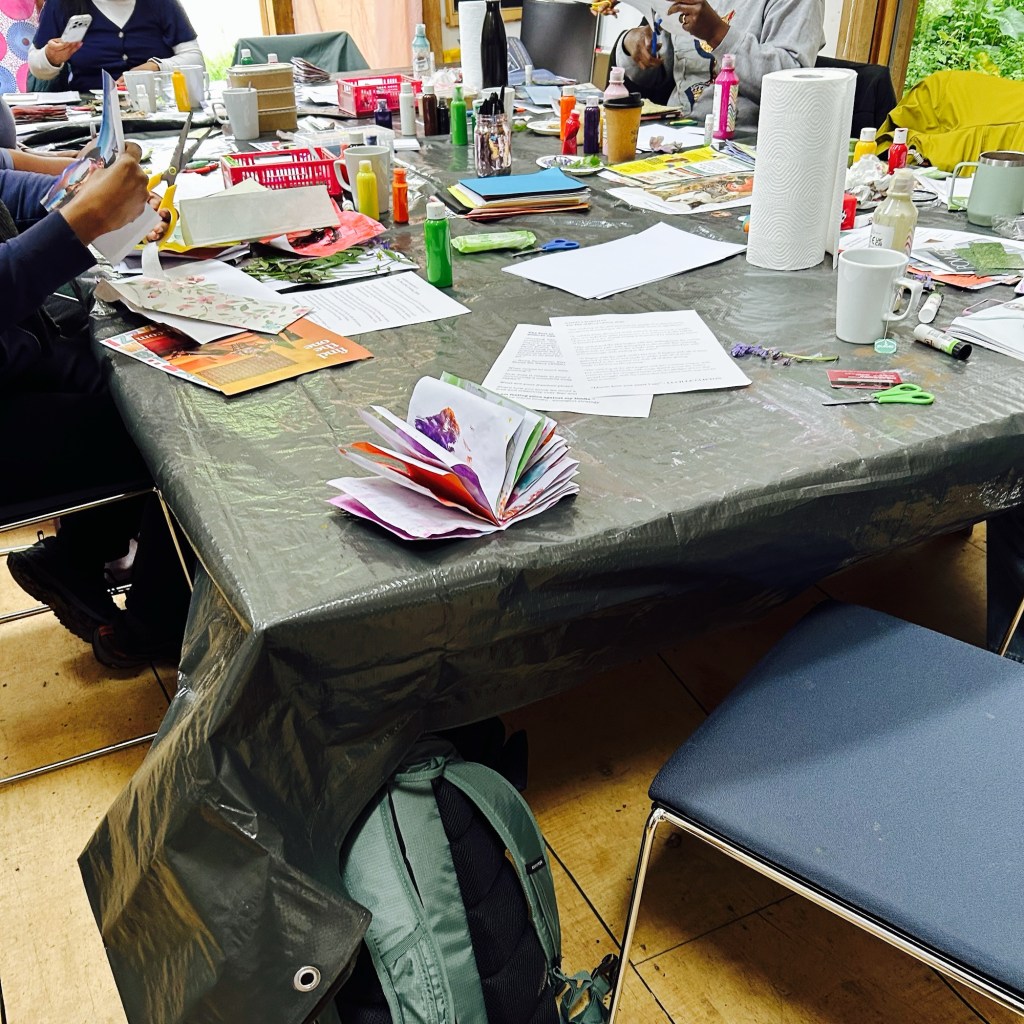
It was an honour to be part of the day retreat. Ideas for The Plot of Our Repair came about from a reading is Saidiya Hartman’s essay , The Plot of her Undoing (2020).
The plot of her undoing begins with his dominion. It begins in the fifteenth century with a papal bull, with a philosopher at his desk, pen in hand, as he sorts the world into categories of genus and species. It begins with a bill of sale, with a story in the newspaper that enumerates her crimes, with a note appended to the file: she answers questions easily, but appears stupid; it begins with a wanted poster that reduces the history of her life to a single word-condemned.
And then towards the end of this essay there is a switch. A turn to explore how we can undoing the plot of her undoing. How we can move against the forces aiming to ruin/ control/ oppress the black/brown woman.
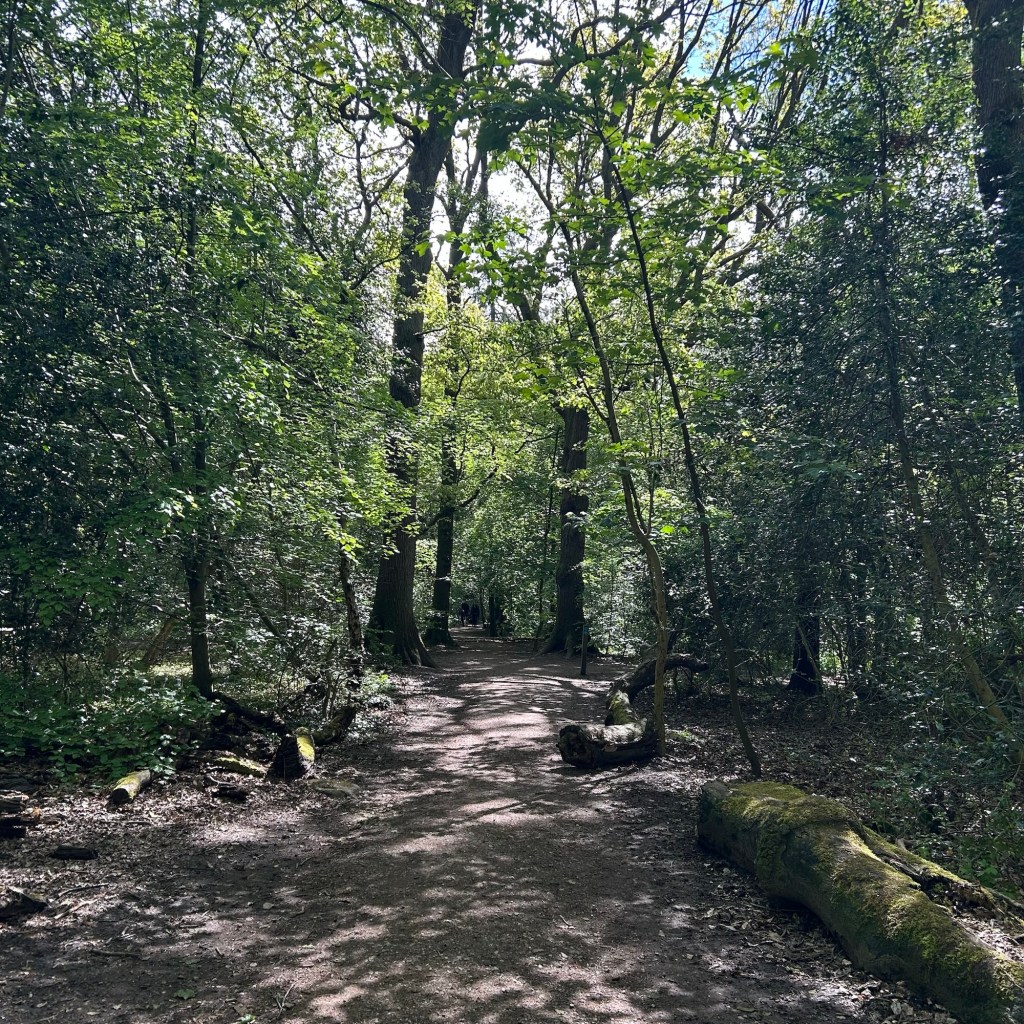
The undoing of the plot proceeds by stealth. It is almost never recognized as anything at all and certainly never as significant.
…
It begins with the earth under her feet. It begins with all of them gathered at the river and ready to strike, with all of them assembled in the squatter city, with all of them getting ready to be free in the clearing.
The undoing of the plot begins with her runaway tongue, with her outstretched hands, with songs shared across the unfree territory and the occupied lands, with the pledges of love that propel struggle, with the vision that this bitter earth may not be what it seems.
The undoing of the plot, the plot developing towards our repair was started before us. We stand on the shoulders of our ancestors. We continue this journey, this plotting together. Today makes me feel that we have already won.
after Ron Mueck
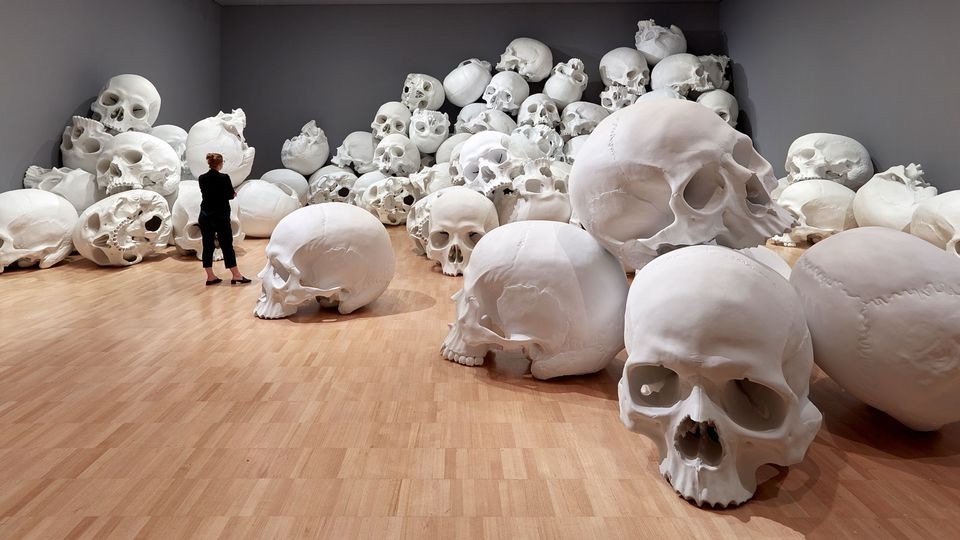
Here is a mass
of white upon white
skulls, tumbling
everywhere upon the galleries’ floor
a turning sea, resting
biting into another
black holes
shadowed sockets
promising questions without answers
a warning? a threat?
what remains long after our bodies have decayed
an impressive 100 skulls,
dwarfing visitors as they loom
here and here, cool, corridors
as catacombs above ground
forcing us to face our mortality, yes,
but also a certain care is needed in life for each other. Yes?
Jot down the first thing that comes to your mind.
Sweeping violins. A Southern Belle, pretty and shallow, chatters on as young men flock around her feet, captive. *Fiddle de de.* Relishing in colour, technicolor; rich reds, blues and greens of the gallant Old South. Pan out see mansions surrounding by plantations. Bonnets and ribbons. Dances and horses. Cotton.
Extract from: The Melodrama of Gone With The Wind
Found poem:
Source: http://www.art21.org/texts/kara-walker/interview-kara-walker-the-melodrama-of-gone-with-the-wind
I first read Gone with the Wind by Margaret Mitchell while completing an extra year at college. Gaining extra ‘A’ levels while I waited on my then boyfriend to make the grades.
I identified with Scarlett O’Hara, the bitch of a heroine, not Mammy. I definitely was no mammy. Not here to fetch and clean and be loyal. I definitely was not obese and coarse and ugly, or ‘have a shiny, glossy face of contentment as she be the most happy slave alive.’
Of course as I’ve gotten older, I’ve learned where I’m placed in society. It’s okay to fantasise being the white heroine but I’ll never really be her. Better learn my place – to be there for the pleasure and enjoyment and whim of the white folk – and smile.
But what about my own pleasures and pains? Apparently they don’t exist. Apparently I’m incapable of such things, such finer characteristics. My reality states/shows otherwise.
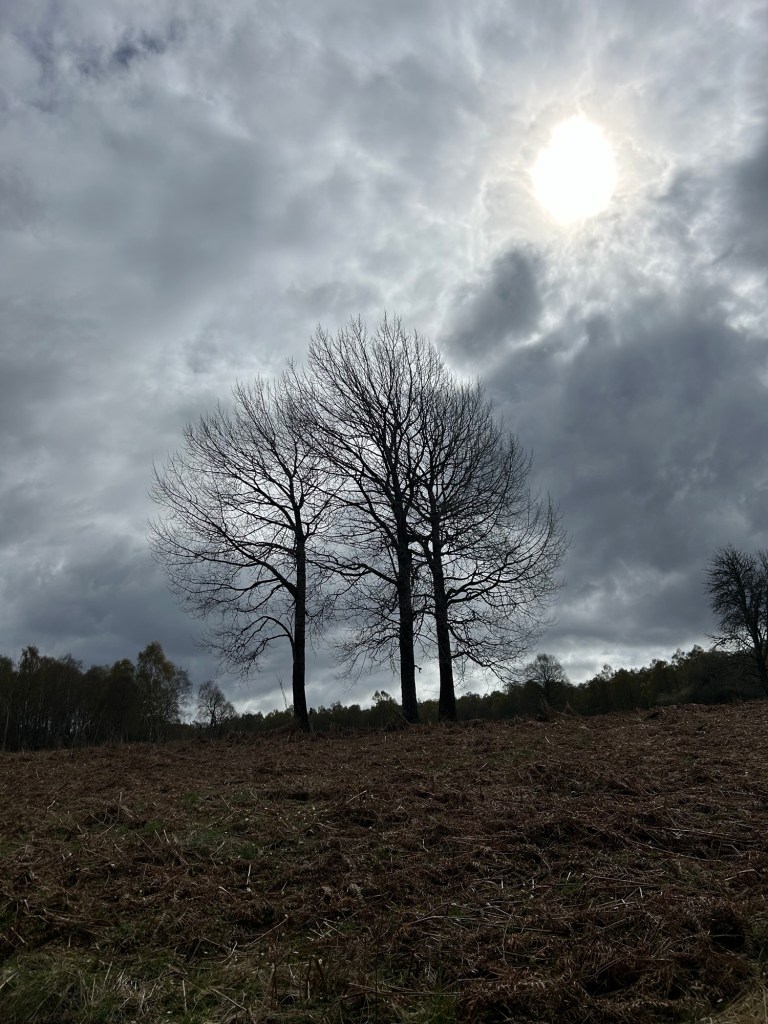
It’s quitting time. I’m retreating into the woods in Aberdeenshire for the next week. I’m taking this opportunity as a reset. A chance to focus on my pleasures and pains. Drink on Mother Nature and give thanks for this life I have which isn’t being subservient/ submissive/ subjection to anybody.
I refuse the Mammy as well as the Scarlett, as they are both constructions and constrictions to control the female body.
I’m much more interested in the overspill, the excess, the unruly body. The blackwoman body that I live with/in daily and how nature supports me on this journey.
As a wind of flames sweeps through Georgia; menacing reds and oranges against a bleak dark sky swirl and crackle in time with fast ascending music. Real danger and Butterfly McQueen (real name not character name that would be Missy) flits around like a blue arsed fly worrying with no sense or plan.
Extract from: The Melodrama of Gone With The Wind
Found poem:
Source: http://www.art21.org/texts/kara-walker/interview-kara-walker-the-melodrama-of-gone-with-the-wind
I’m no Missy either.
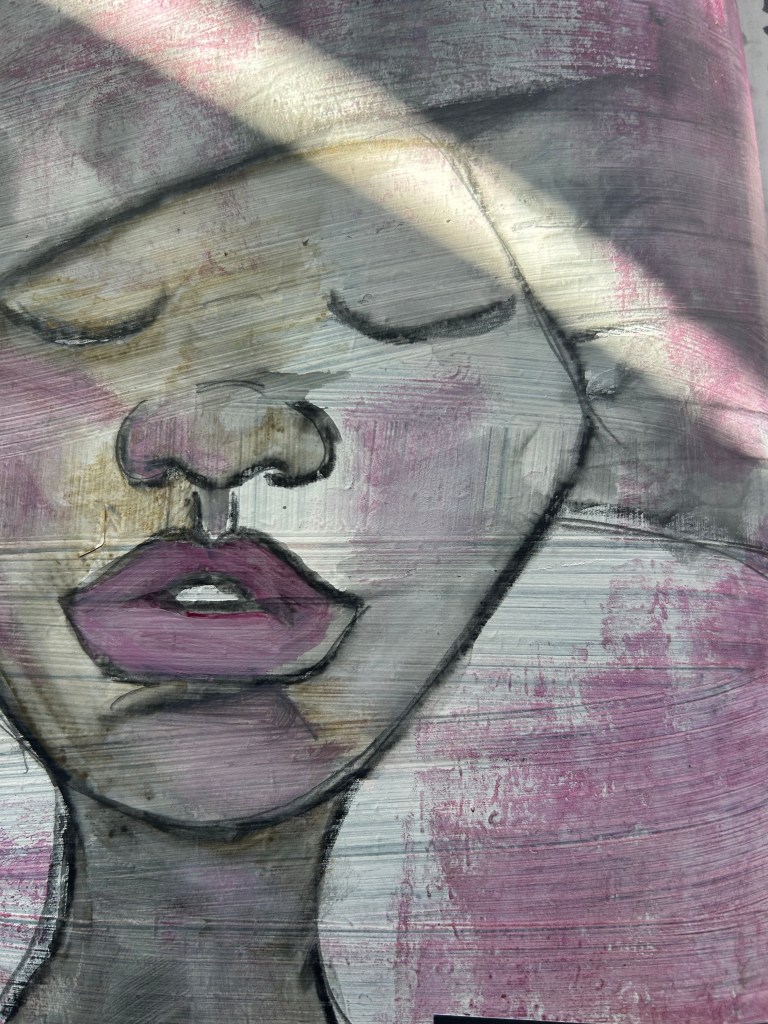
In the time it takes me to write this sentence,
my mum must have lost her capacity to breathe.
Quick and unexpected, her passing.
Here one day and then gone the next.
I’m keeping close to the bone as the wound is raw,
27 years later.
Up until now, there’s been a balance –
the years I had her with me versus the years without.
Loss constitutes a black mother’s life, but what about their daughters?
Mourning in the early morning, when the news found me,
sleepless and fearful, until this Autumn when I will have to learn
how to navigate this life beyond without.
Loss splits time into the before and after.
A rupture fires the heart, triggers
the already-always -thereness of loss,
the always-already-thereness of the ghosts
we carry with us into our many battles
and violent (work)spaces.
after Danez Smith
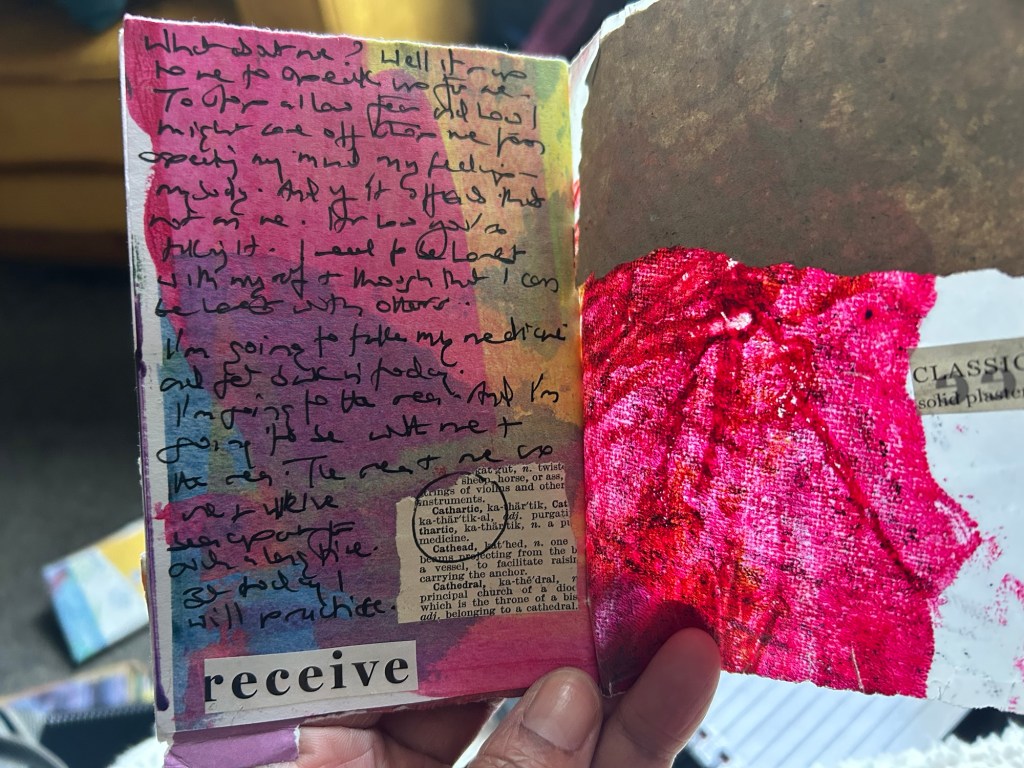
let this be the healing
the out of time and space
to flow back to the source
of love & care
let this be the honey to the wounds
the joy within the unknown
the hope to survive
in the mouth of the dragon*
let this be the refusal
the movement underground
to protect our vulnerabilities
let this be the healing
*a line from Audre Lorde’s ‘ The Transformation of Silence into Language and Action’ in Your Silence Will Not Protect You.
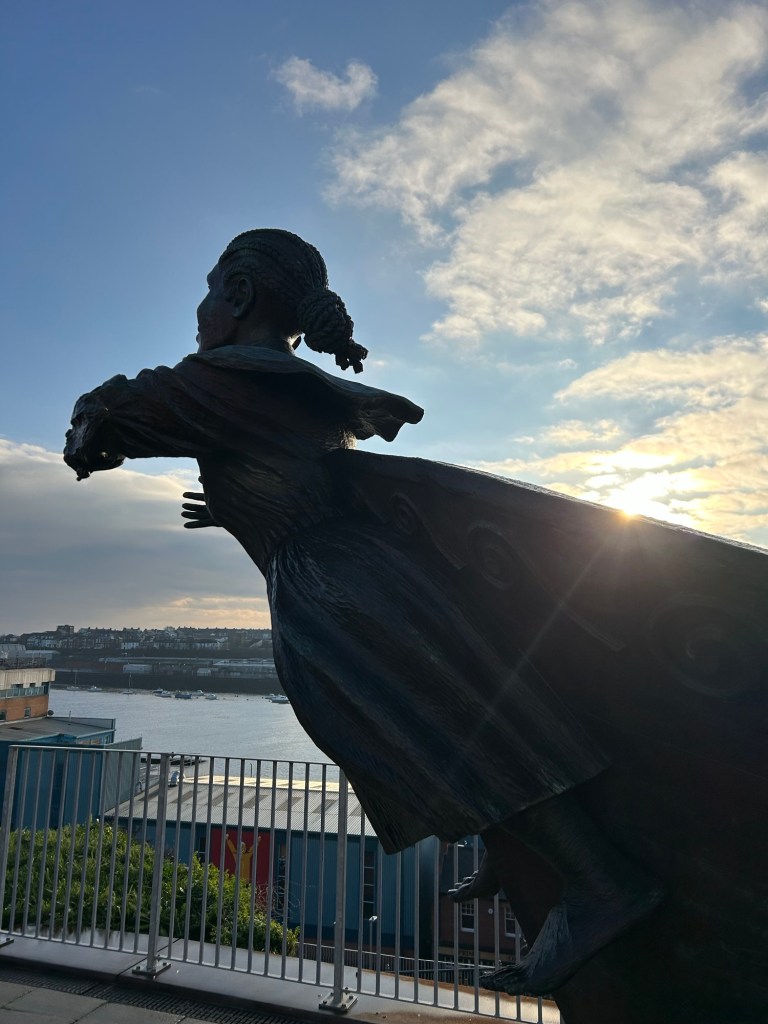
Walking into North Shields the other day, walking towards the Fish Quay where there is now accessible access connecting the centre of town down to the River Tyne, I caught sight of this sculpture of Mary Ann Macham.
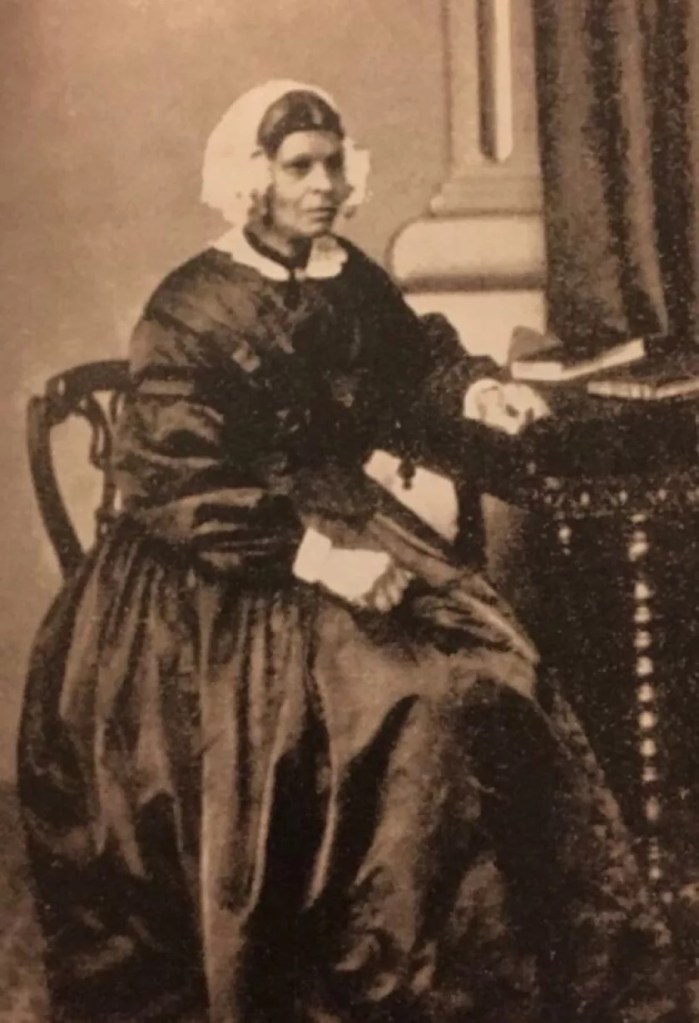
I first learned about Mary Ann in 2007, when I was researching the North-East’s involvement in the transatlantic slave trade to mark the bicentenary of its abolition.
I was writer in residence within the Literary and Philosophical society, researching their tracts and unearthing the names and lives of the once enslaved people who passed through and/or settled here.
I wrote a poem about Mary Ann, her escape and travel up to the North, and with the help of the Quakers, made a life for herself through working in service and getting married and living in North Shields. This was back in 1831 when she arrived here and lived for a further 60+ years as a free woman.
An aside here is how the Quakers at the forefront of the abolition movement here in the North- East, were against the slave trade and worked for the abolition but still held the racist beliefs of the day that white people were still superior to black people.
Mary Ann Macham told her story to a member of the Spence family, who she was in service to. There’s a lot that can be argued about the practice of black people, telling their stories to white people who wrote them down and how accurate these are as a true representation of their stories. But this is all we have now as ‘evidence’.
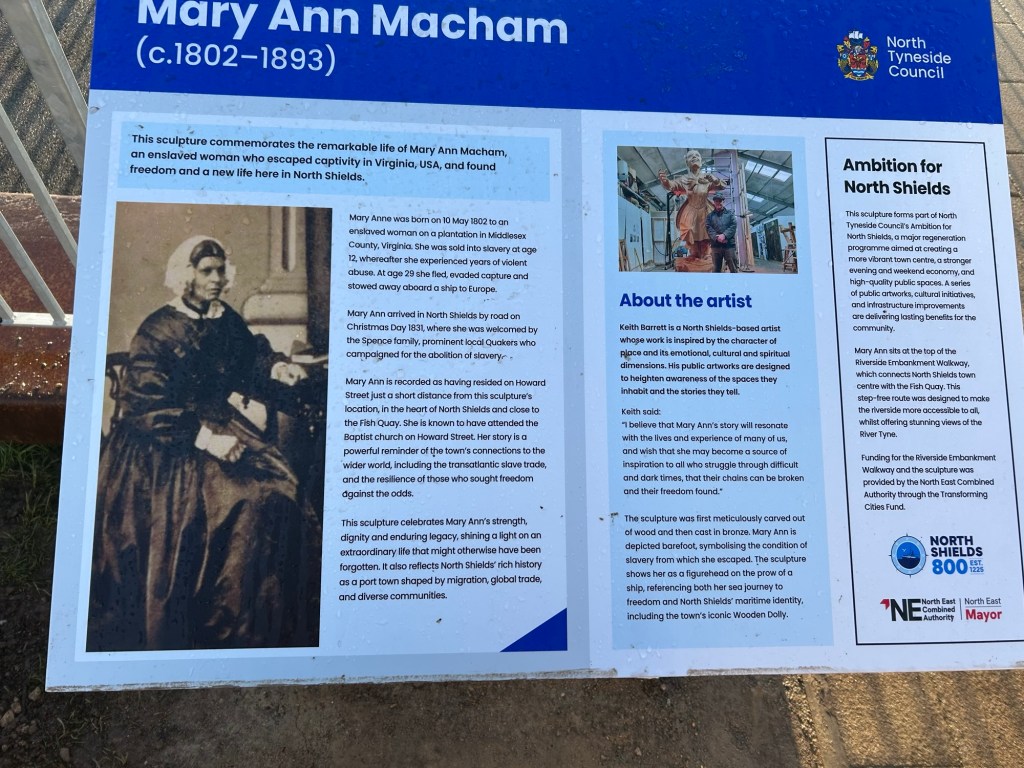
African Lives in Northern England completed research on Mary Ann Macham before this public statue and the local groups ‘found’ her.
I should be grateful and overjoyed that finally Mary Ann Macham is being remembered. That there is a public statue dedicated to her and that she is being reclaimed as part of the local community.
But something just doesn’t sit well with me. Maybe I’m being far too critical. Or maybe I’m just coming at it from a black woman’s point of view living within white supremacy culture?
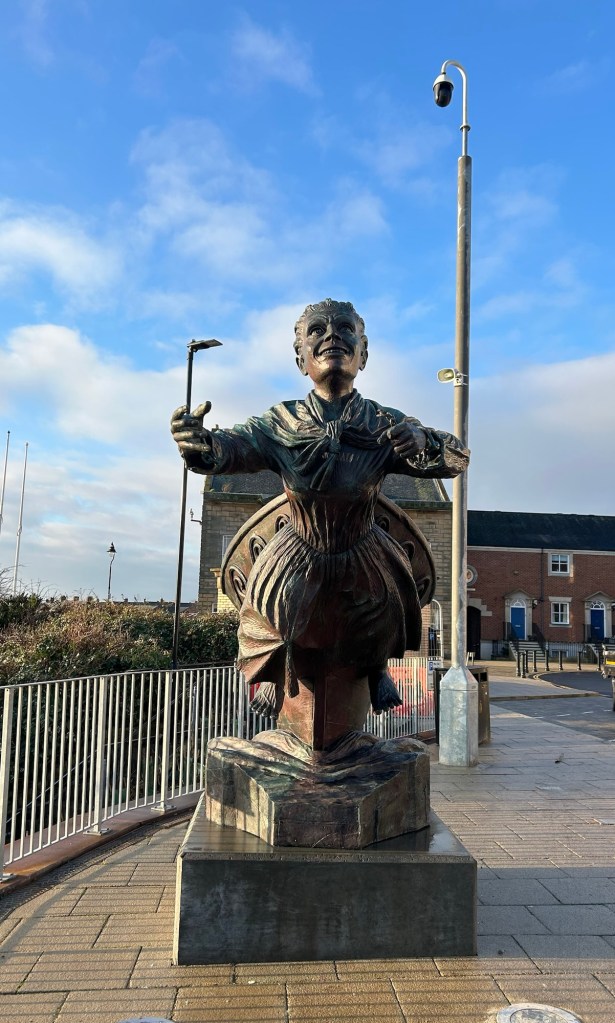
The press releases for this unveiling of the statue in November 2025, proceed to paint the impression that Mary Ann Macham has just been discovered. That this was hidden history that the locals have just uncovered and became fascinated with and had to find out more about. But unknown to whom?
If they had done their research they would have seen and also acknowledged the work completed in the past to shine a light on Mary Ann. But the story goes that they have just discovered her story. Or decided to just focused on only part of her story/life? Mary Ann Macham ( later Blyth through marriage lived until she was 92 years old).
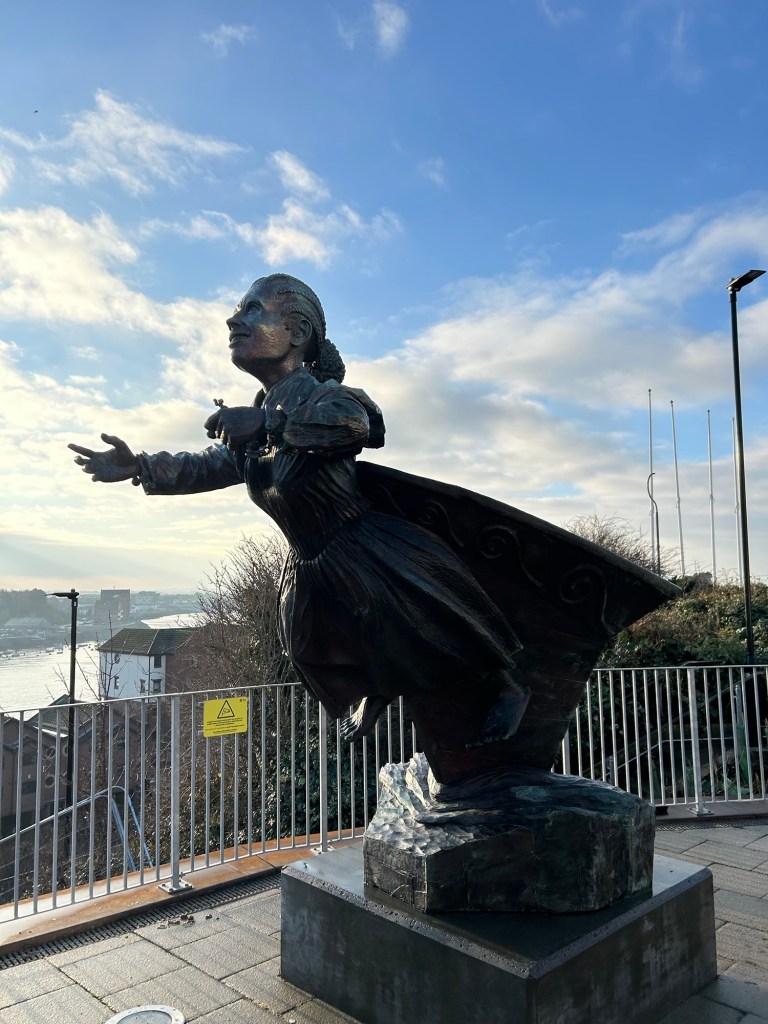
The local Sculptor Keith Barratt who created the piece has said to the local media that he wanted this sculpture to show that “she came from a place of great pain, but it’s also a story of human liberation, of breaking the chains and I feel that this is something universal that many people will understand”.
I suppose I have issue with how Mary Ann is framed within the story of her own life, which she doesn’t have control over maybe a bit then but definitely not now with how she is remembered.
I Love North Shields has more details about her life and attempts to create a bigger picture of her life before enslavement and after as a free woman living her life here in the north east. But frequently it has to be argued, the majority of time, Mary Ann is trapped within the ‘slave’ narrative perpetuated by white people. Although seeing her as ‘brave’ for plotting her escape, they still frame Mary Ann, tell her story within the role of once enslaved, and needing the help and support of kind Quakers. Sounds a lot like white saviorism. Then and now.
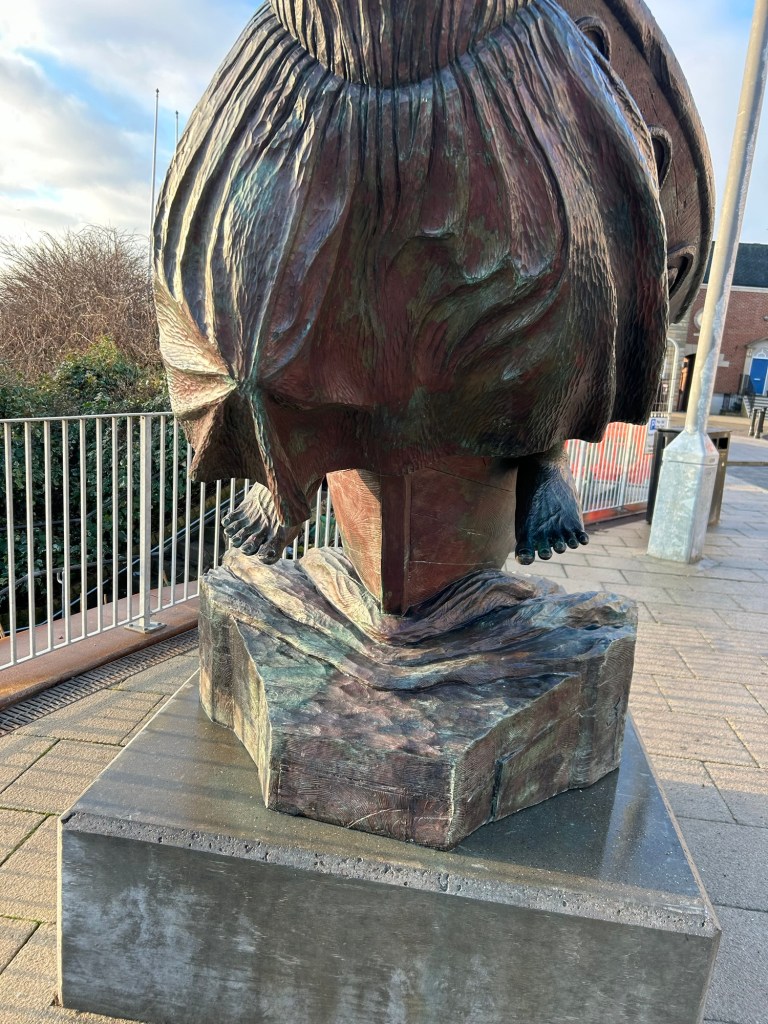
It’s almost like Mary Ann is stuck, encased in bronze, and barefoot to symbolise the condition of slavery. Enslavement she escaped from physically during her life, but trapped forever within this role in memorial because the white imagination cannot see/ grant Mary Ann her full humanity . The fullness of her life.
Time and time again, the mainstream constructs the stories they want to shed a light on and tell about people of the global majority which suits the narratives they’ve been running for centuries. The narratives where we don’t have agency or self-definition but are the objects, less than and victims. This is a means of control and domination.
This is why it’s important that we take every opportunity to tell our own stories. To control our own narratives. To leave these as archives for the people that come after we so they can be in no doubt that we lived big, beautiful, full lives on our own terms.
And is it me, or does the statue of Mary Ann Macham make her look like she’s white?
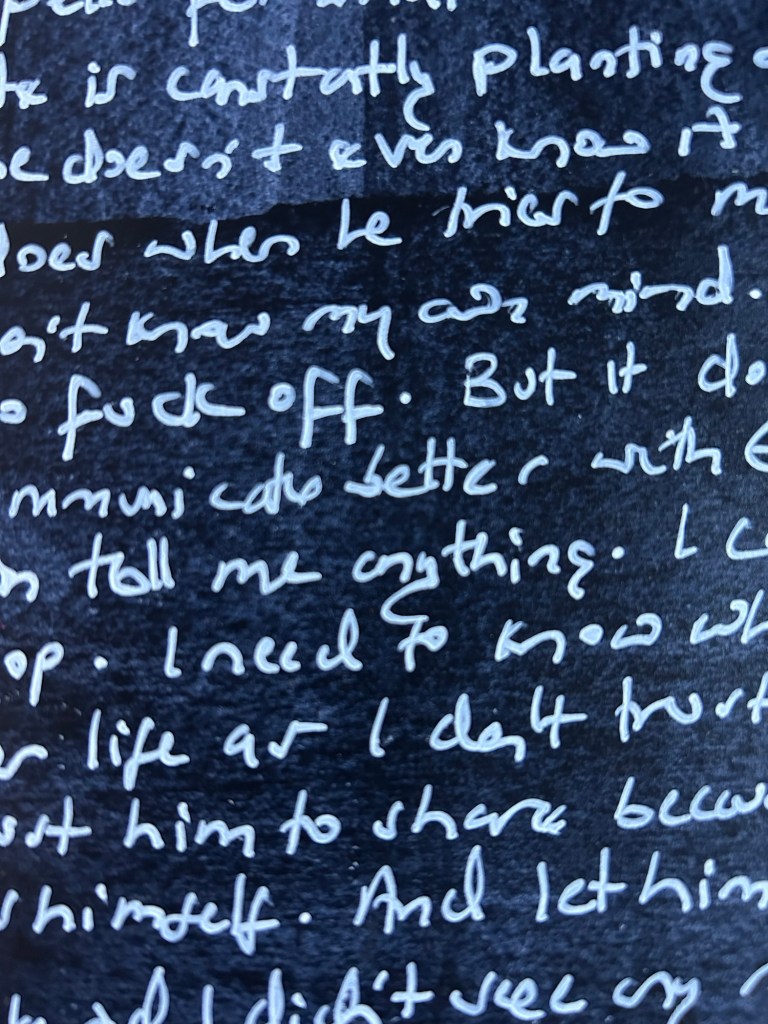
we have always been experimented on
they experimented on us
and then rolled it out to everyone
we warned you
but you didn’t listen
we were just the beginning
the prototype
they perfected their violence on us
and now it’s reaching everyone
no escaping now
there’s nothing more dangerous and hideous than whiteness
I develop a stronger sense of myself through my art-making practice. Be that word, image, audio, collage, stitch and projects.
I’m getting stronger in myself through my art-making practice. Be that refusing, choosing, completing, rejecting, leaving and committments.
I develop a stronger trust in myself through my art-making practice. Be that intentions, goals, visions, dreams, rest and hibernations.
I’m getting stronger in risks in myself through my art-making practice. Be that edges, boundaries, messes, mistakes, failures, and breakthroughs.
I develop a stronger sense of myself through my art-making practice.
Be that listening to my needs and wants, and acting accordingly,
leaning towards what brings me joy,
allowing myself to imagine and play,
rather than chase my worth and permission in other people’s acknowledgments and attention.
I develop a stronger self through my art-making practice. be that {BE} that.