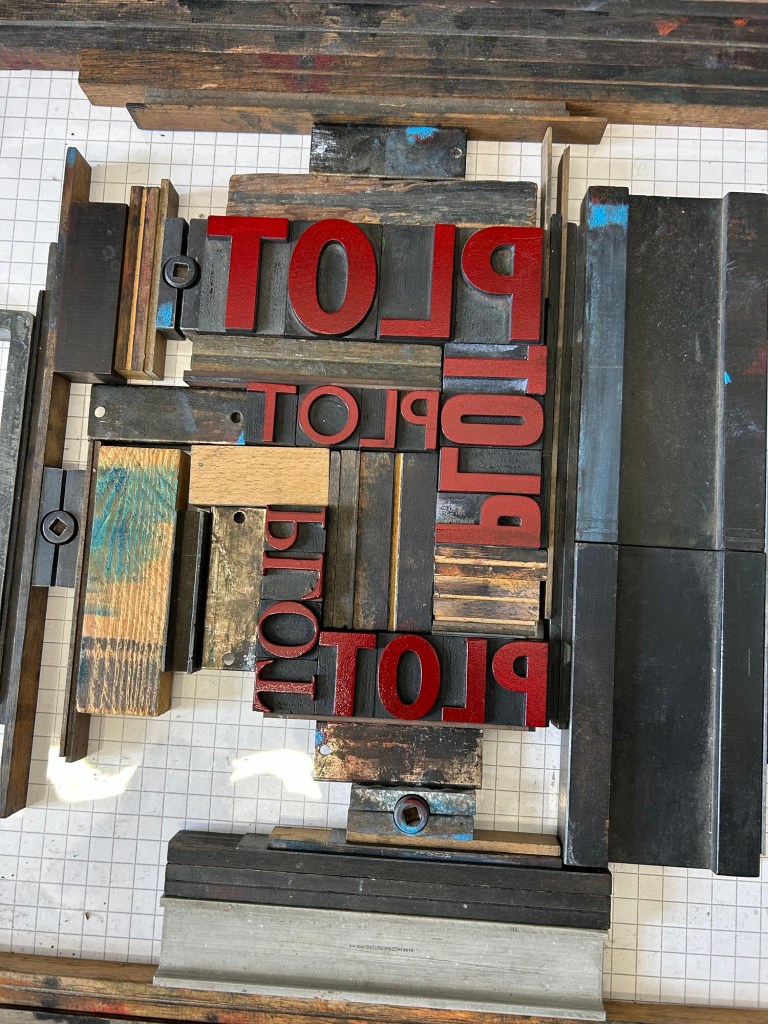
I’d set it up with Theresa Easton to go play with her letterpress printing gear again. I didn’t have so much as a plan as I did have a word: PLOT.
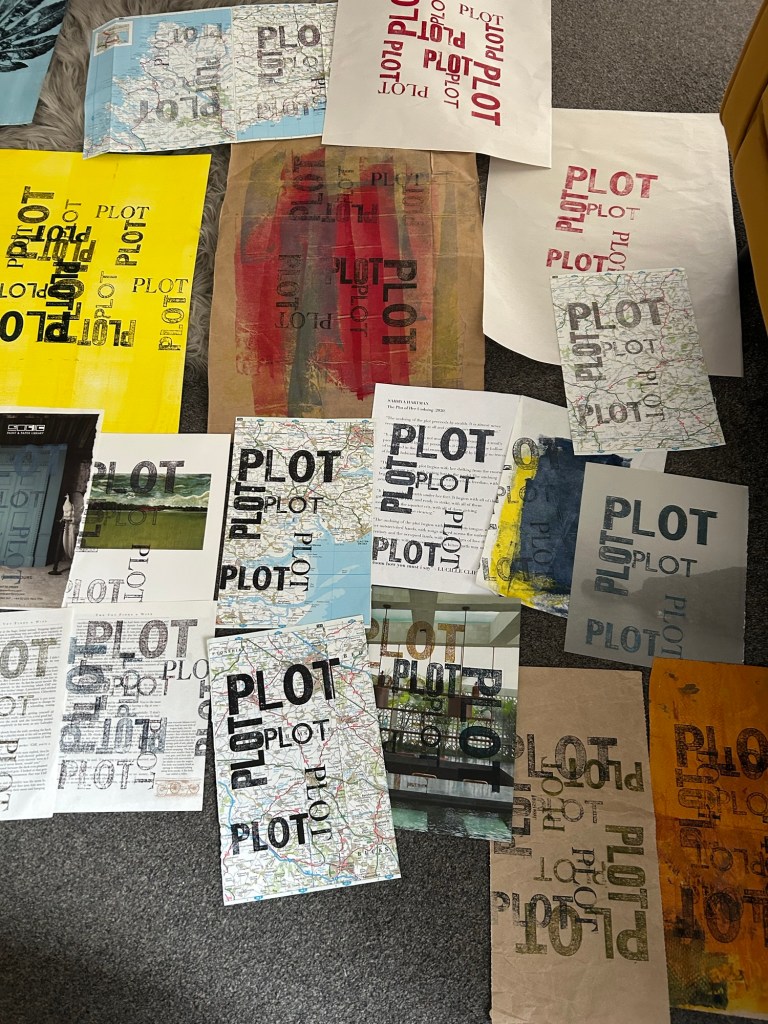
I rocked up with a number of different subtracts to play with and just wanted to explore what I mean when I use the word, PLOT.
We set up the printing plate with the word PLOT repeated in different type fonts. We arranged them into a neat A5 sized piece and then let the inking commence.
I played with different coloured inks, directions of papers, different papers and got myself into a meditative rhythm.
It was so much fun and I’m so grateful to Theresa to allowing me to play in her studio for free.
“Plotting, like learning, is about “invention and re-invention…the restless, impatient, continuing, hopeful inquiry human beings pursue in the world, with the world, and with each other,” says Brazilian educator Paulo Freire. Your plot, too, doesn’t have to mean committing to only one thing. Whether digging deep or sowing seeds far and wide, plotting is about questioning the scripts you’ve been handed and scheming with others to do and be otherwise for the collective good of all.”
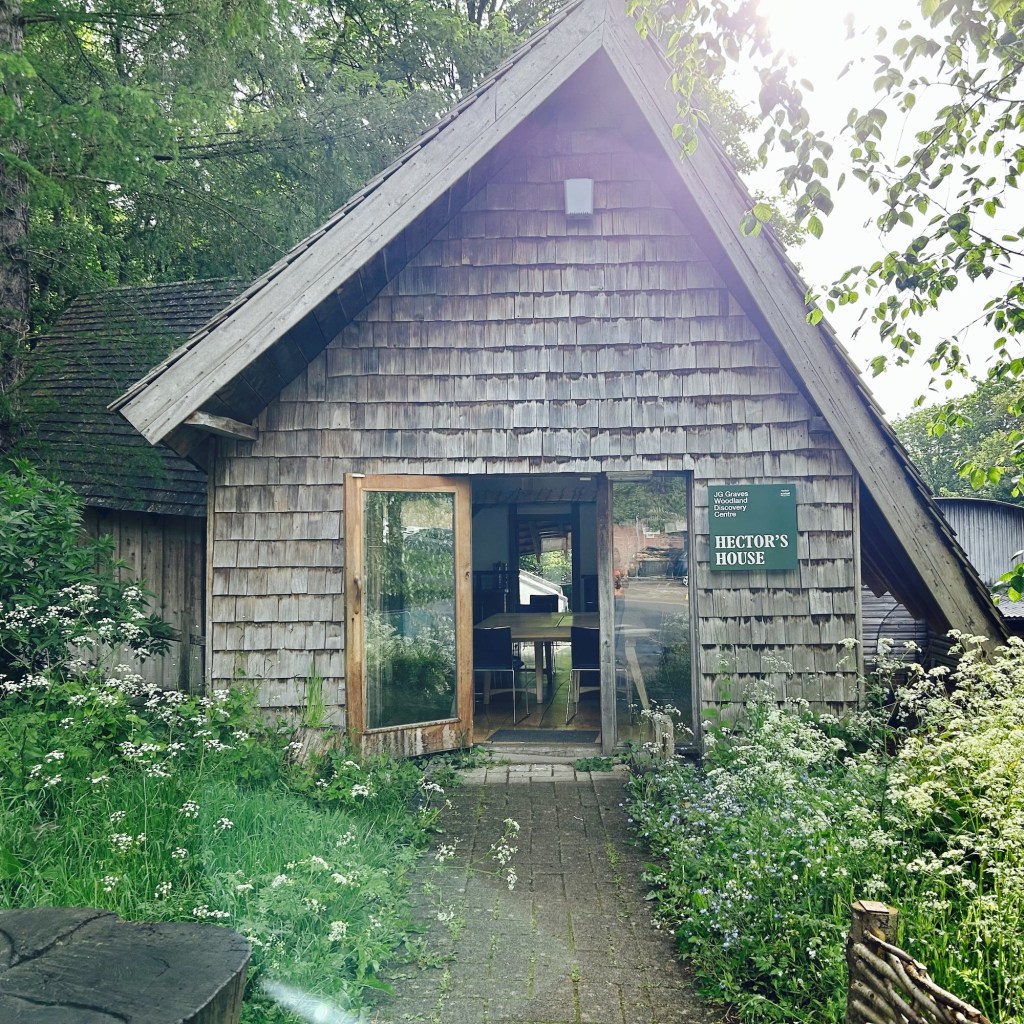
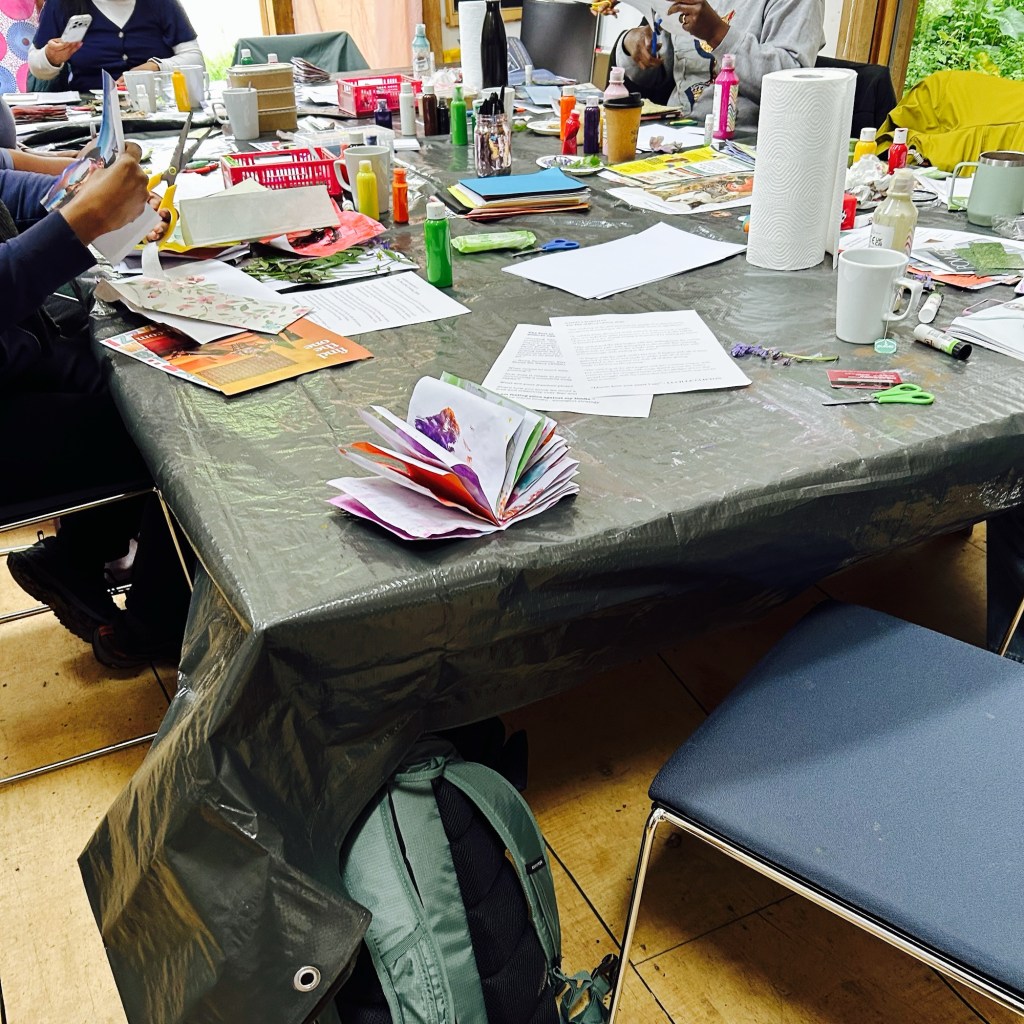
I had the pleasure of gathering with the WOC Azadi again in Sheffield today.
We gathered to share ideas around how to plot/plotting our healings, our liberation together.
Visual journaling was on hand to capture our thoughts, feelings, plans and plots.
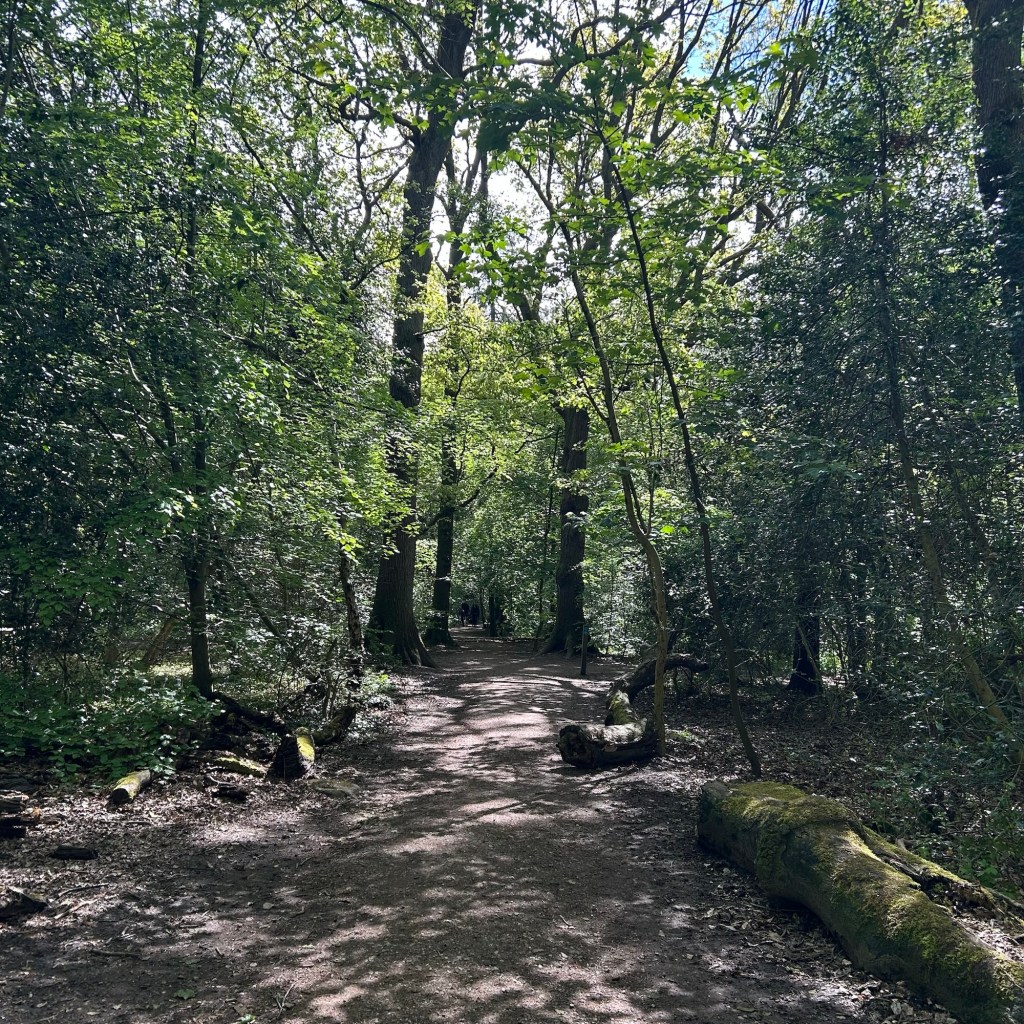
It was such a nurturing and nourishing space in nature. It was a gathering of hope and aspirations.
It was an honour to be part of the day retreat. Ideas for The Plot of Our Repair came about from a reading is Saidiya Hartman’s essay , The Plot of her Undoing (2020).
The plot of her undoing begins with his dominion. It begins in the fifteenth century with a papal bull, with a philosopher at his desk, pen in hand, as he sorts the world into categories of genus and species. It begins with a bill of sale, with a story in the newspaper that enumerates her crimes, with a note appended to the file: she answers questions easily, but appears stupid; it begins with a wanted poster that reduces the history of her life to a single word-condemned.
And then towards the end of this essay there is a switch. A turn to explore how we can undoing the plot of her undoing. How we can move against the forces aiming to ruin/ control/ oppress the black/brown woman.
The undoing of the plot proceeds by stealth. It is almost never recognized as anything at all and certainly never as significant.
…
It begins with the earth under her feet. It begins with all of them gathered at the river and ready to strike, with all of them assembled in the squatter city, with all of them getting ready to be free in the clearing.
The undoing of the plot begins with her runaway tongue, with her outstretched hands, with songs shared across the unfree territory and the occupied lands, with the pledges of love that propel struggle, with the vision that this bitter earth may not be what it seems.
The undoing of the plot, the plot developing towards our repair was started before us. We stand on the shoulders of our ancestors. We continue this journey, this plotting together. Today makes me feel that we have already won.
It is hard to explain what’s beautiful about a rather ordinary colored girl, a face difficult to discern in the crowd, an average chorine not destined to be a star or even the heroine of a feminist plot. In some regard, it is to recognize the obvious that is reluctantly ceded: the beauty of the black ordinary, the beauty that resides in and animates the determination to live free. Beauty is not a luxury; it is a way of creating possibility in the space of enclosure, a radical art of subsistence, a transfiguration of the given. Only the wayward appreciated this girl’s riotous conduct and wild habits— her longing to create a life from nothing. Only they could discern the beautiful plot against the plantation that she waged each and every day.