I made a commitment to myself in 2025 to be creative everyday. To show up here and post something everyday. Anything.
I used to have this practice of everyday creativity. For years I posted every day. I fell out of practice as well as out of love with the practice about 10 years ago.
But last year, I didn’t manage every single day but I ended up with 350 posts. The most posts on this website within one calendar year ever.
I’m mighty proud of that achievement. For me it speaks of consistency and trust in the process.
I’m not sure if I’m going to keep on going into 2026 with being creative everyday however, I’m sort of into the rhythm/ habit/ groove of it now and it would be a shame to let the momentum go to waste.
We’ll see. I’ll not be holding the commitment as tightly this year, but then again if I’m into the practice of posting everyday I won’t need to be so obsessed or disciplined as it would just happen no matter what.
All last year I kept saying to myself, I desire to book a night’s stay at a Malmaison hotel.
Particularly the Newcastle one. Years ago I’d stayed in this very hotel, for different reasons at different times in my life.
I kept saying to myself book yourself in, as a treat. Rest up and enjoy the luxury. And it is a luxurious hotel chain. Decadent and opulent. And way out of my price range.
I couldn’t justify the cost. It was just to fulfil a whim.
When plans for the New Year changed and I found myself at a loss, I fulfilled my dream of 2025 on the first day of 2026.
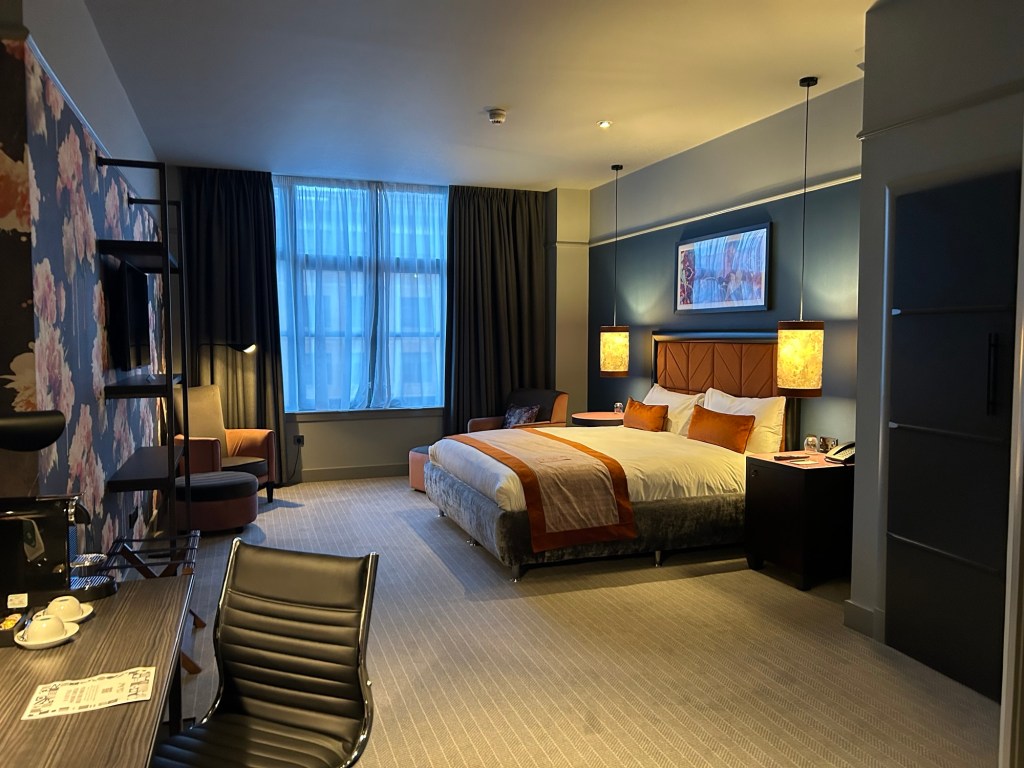
I booked an overnight stay at Malmaison Newcastle. A Club Delux room, a free upgrade.
I didn’t do much while there except write, paint, shower and sleep.
I enjoyed the space, I enjoyed the nice smelling toiletries and the complimentary chocolates.
But …
I won’t be needing to book another night or two at a Malmaison hotel. I lived the dream. Enjoyed the dream.
But …
I much prefer the life I’ve cultivated in reality, in real life. Right now.
I was gifted a voucher for a ClassBento creativity class last Christmas. And I’m just getting around to using it today as I attended a photography class with Daniel Dabrowski.
I’ve wanted to experience the dark room and developing my own photography for decades. So I was super excited to finally fulfil this dream.
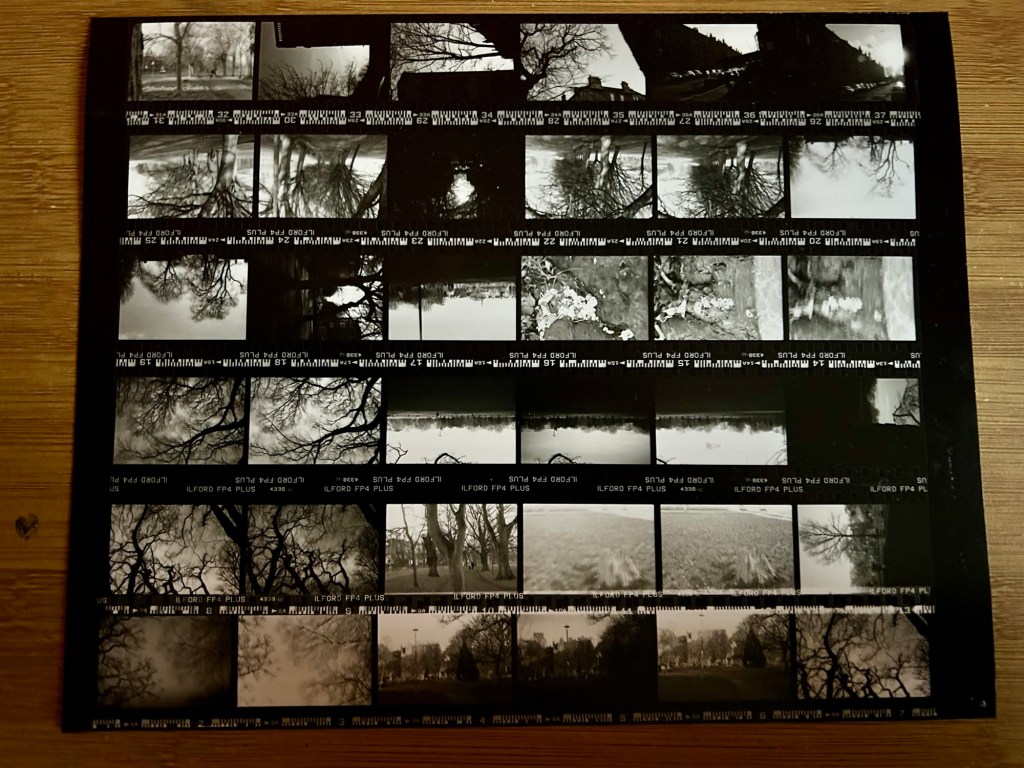
I used a ME Super Pentax 35mm camera. Daniel gave me some instructions around the camera – aperture, shutter speeds, the light and composition.
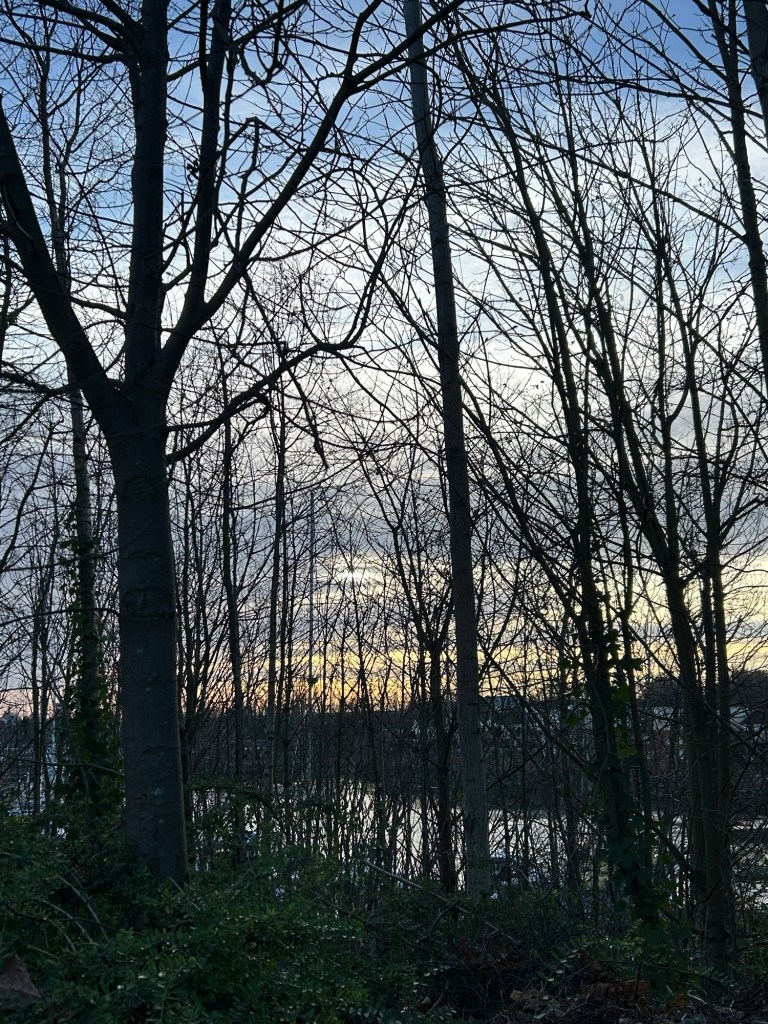
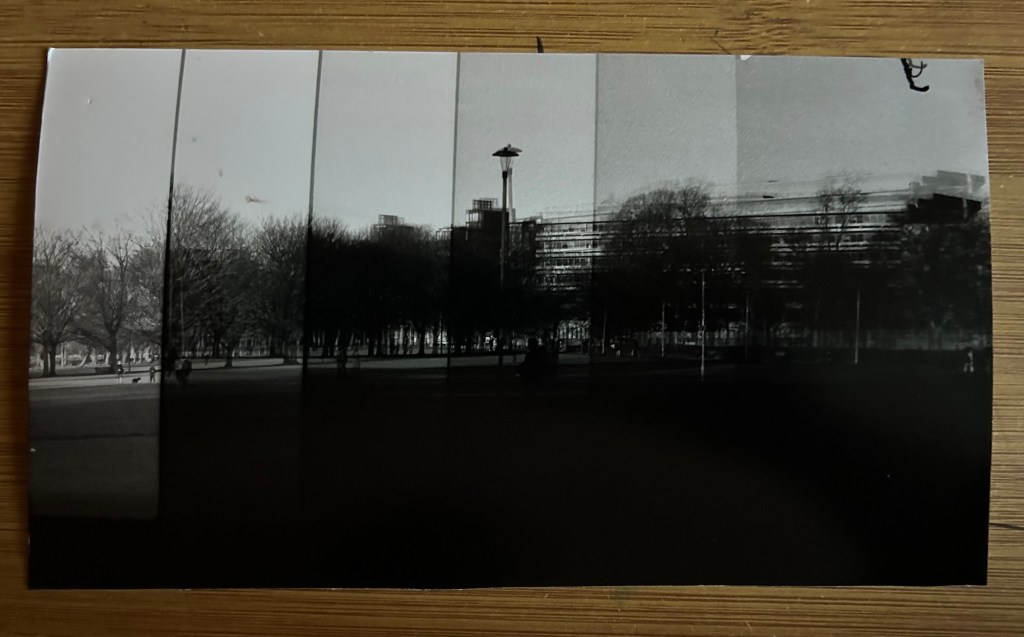
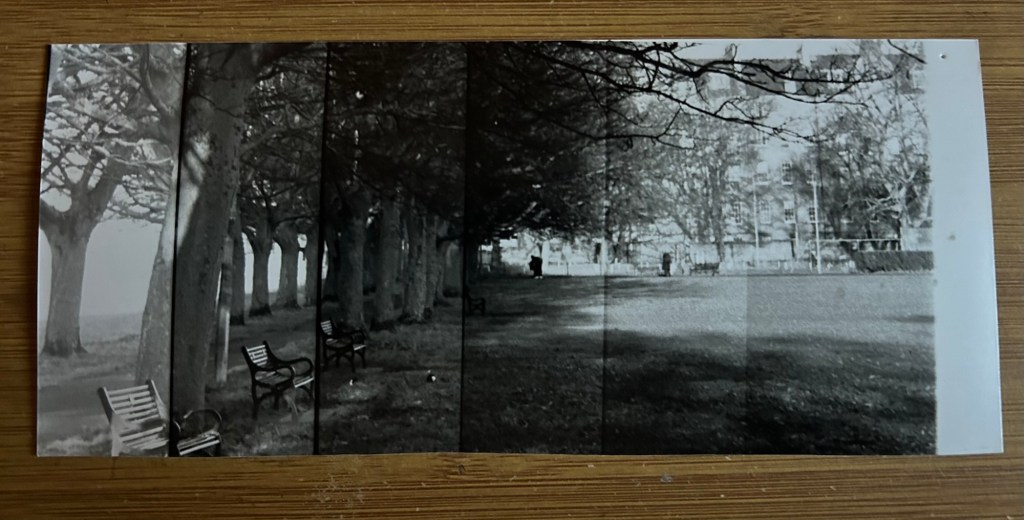
And then I was let free to take images in the park. I was in The Meadows, Edinburgh. It was dry but grey. But I loved the opportunity, the freedom to roam and snap.
The light is everything.
Once I got 36 images it was back to get the film out of the camera off the spool and developed.
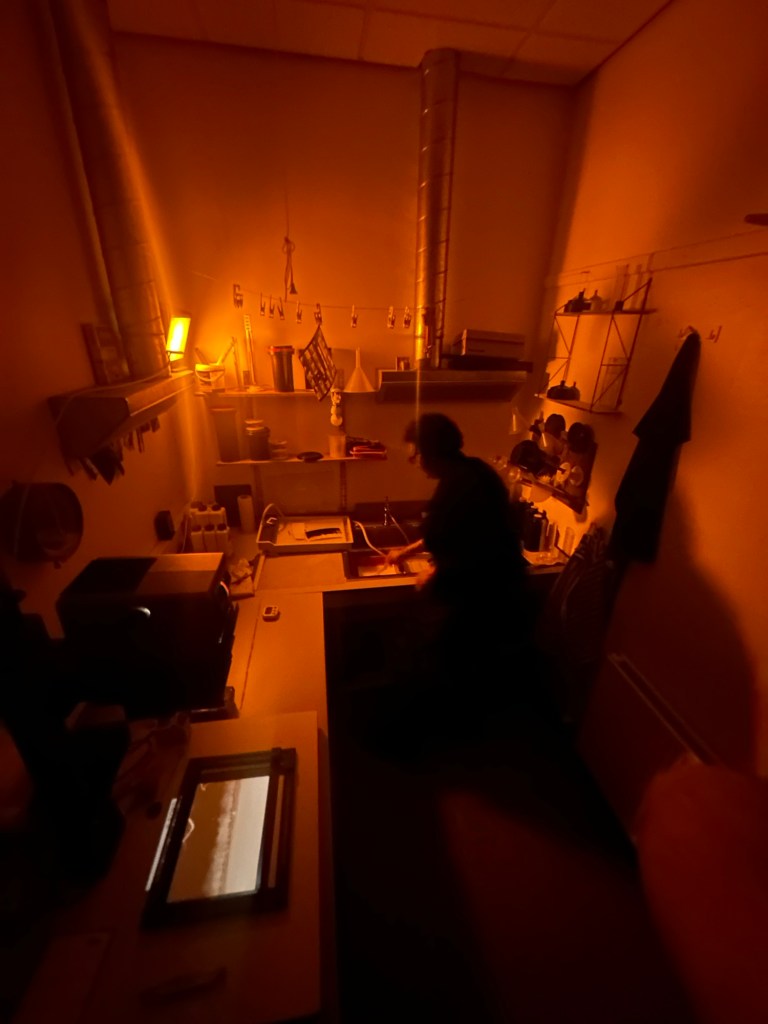
I learnt so many new things that I’ll probably forget but I did learn to do it all in the dark. Feeding the film into a reel to be placed a canister so is light protected. Then adding the chemical to the special quantities needed for the film. Shaking gently for certain times and letting it stand. Hanging up the film reel to dry. Yes. There are images captured on the film. No duds. We have something to work with. Relief.
So many steps in the process of developing your own film and you can get into a focused rhythm, a meditative magic. It’s such a beautiful dance. Another experience where I felt as if I’d stepped out of time.
All that mattered was what was right in front of me. Witnessing the images appear. Shadows, ghost, haunting upon the papers.
This was quickly followed with the writings and (re)drafts of Darkling, my poetry/hybrid collection published in October 2024.
After this 2025 has been a period of extended rest and refusal.
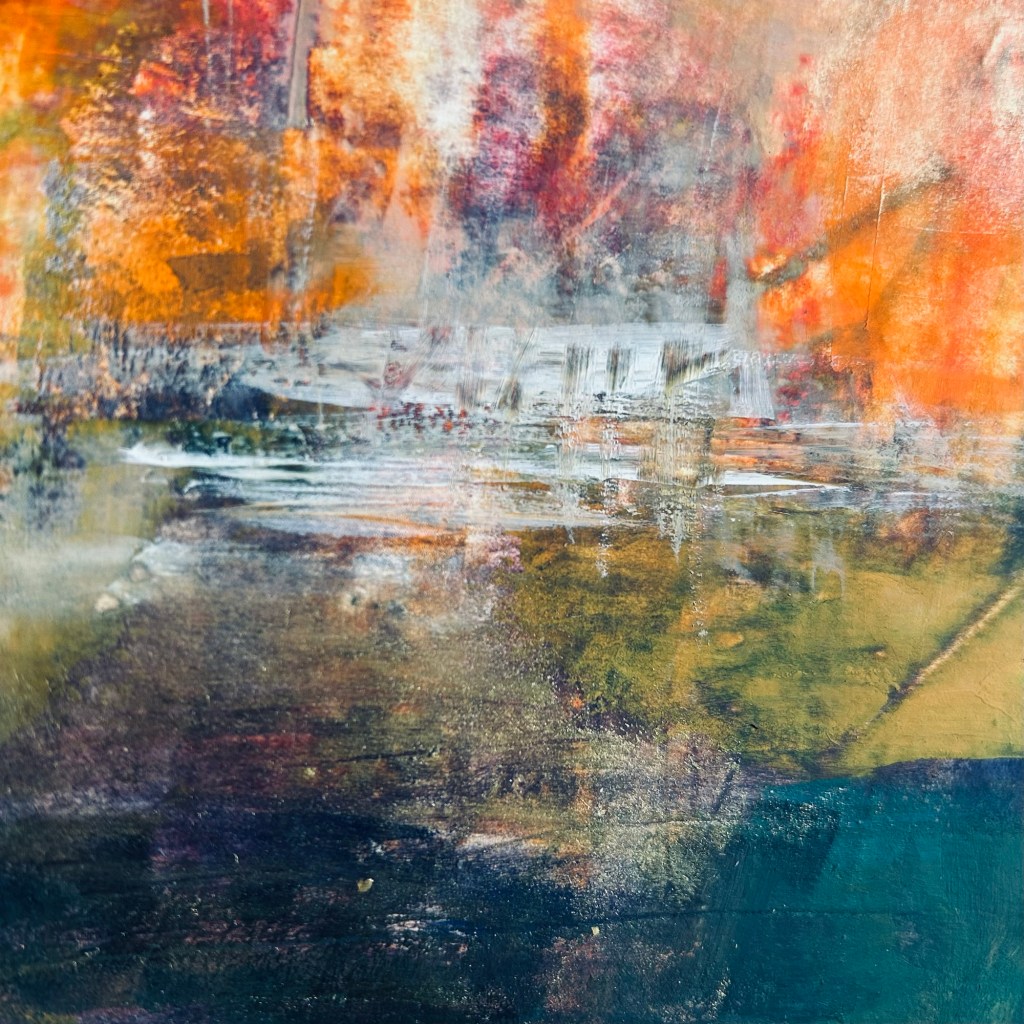
But something has been niggling me. The desire to create with paint again. the desire to play without expectations and outcomes/ products.
I’ve just scratched the itch through scrolling through Pinterest. Adding another abstract or landscape painting to a board that I’ll probably not look at again.
But it satisfied this niggling feeling. Until it didn’t.
It was going back into the classroom. Completing a few days of supply that pushed me over the edge.
The time I gave away for money. The time I’d lost pursuing my own pursuits. And realising that I wasn’t pursuing all the pursuits I wanted to pursue in the time I had/have.
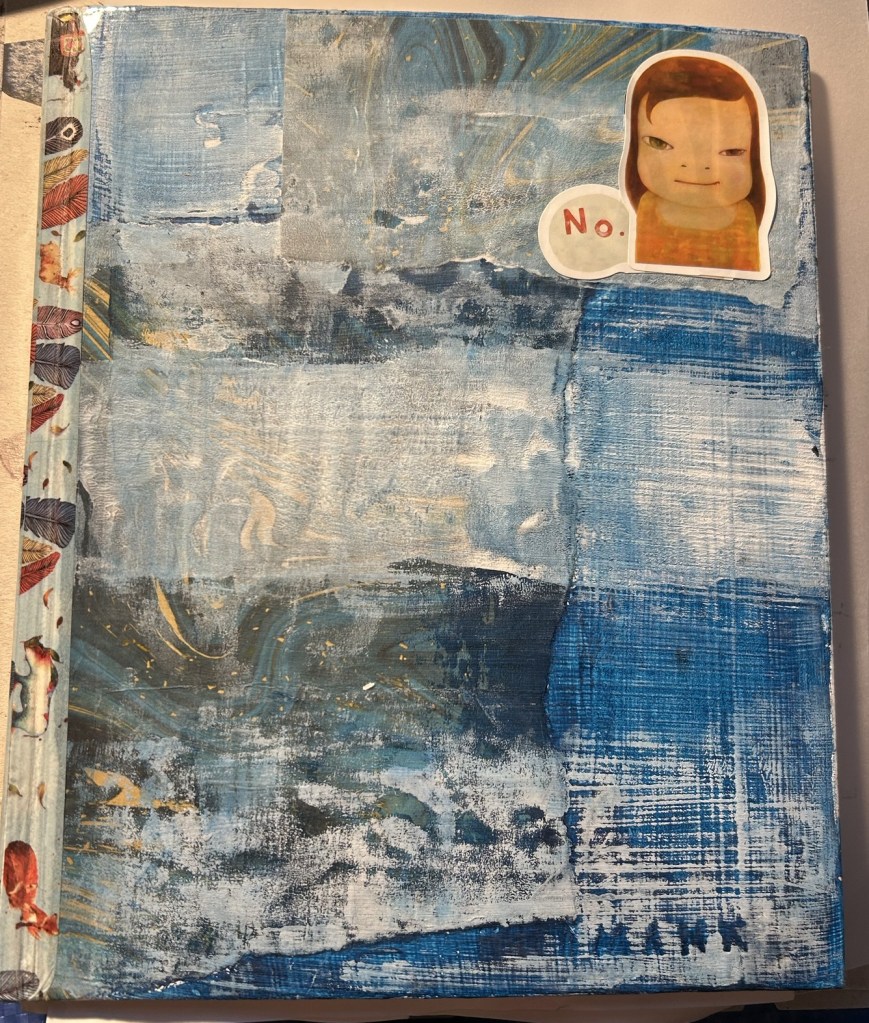
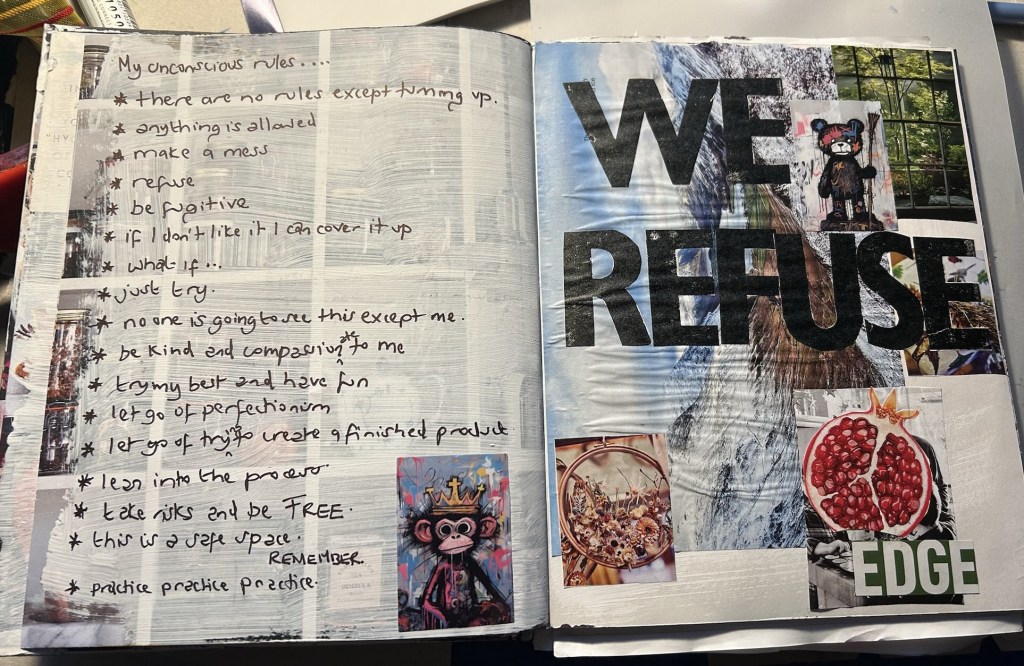
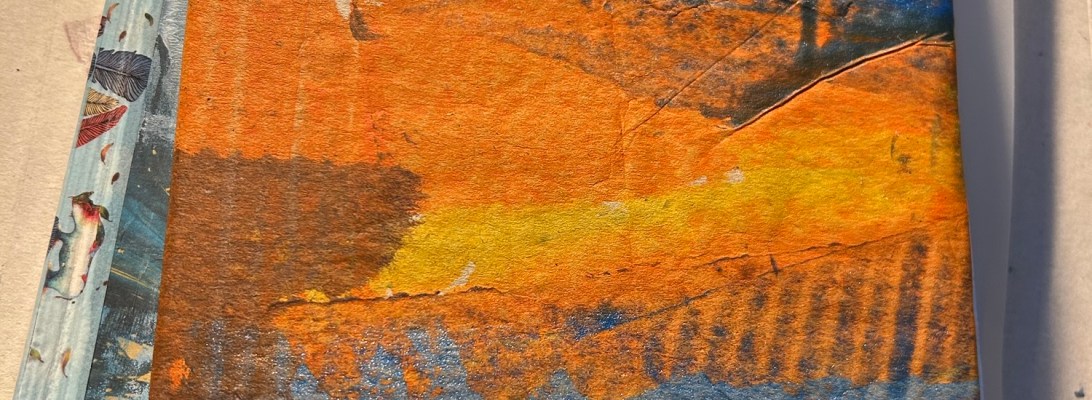
So out came a creative sketchbook, inspired by the 30 days sketchbook challenge created by Cheryl Taves over at Insight Creative.
This is as much as I’m willing to share for now about the challenge, my creative sketchbook, processes and insights.
One of my rules is that it’s just for my eyes only. I want to see how this rule changes my practice. I want to create without fear but with curiosity. I want to give myself all the freedom without worrying about what others will think or say or comment on.
It’s not like I’m hanging on other people’s responses and reactions but I have gotten into a habit of just sharing anything and everything on my blog and I’m curious to see what happens when I keep things to myself.
Just for my eyes, heart, and soul only.
So far I’m enjoying the process of the challenge and I’m reflecting and paying attention to what makes my heart sing, what’s my creative vocabulary, what pushes my energies.
Do doubt whatever I explore within my creative sketchbook will be showing up in everything that I create. In everything who I {BE}. For sure.
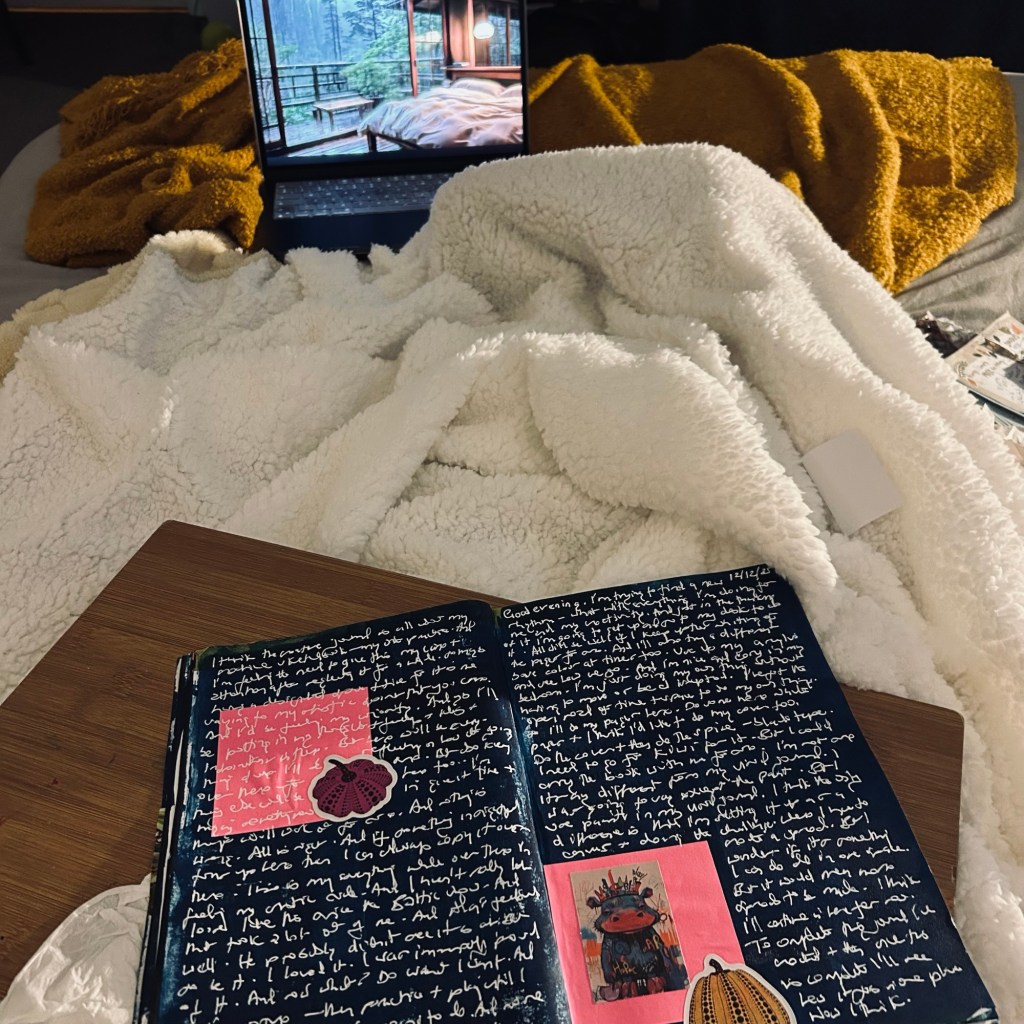
After a busy week, where it felt as if I didn’t get a weekend, because I didn’t as I was permaculturing and fugitivity spreading, I’m making myself comfy and cosy.
I’m all wrapped up in bed, catching up with my creativity. Catching up with myself.
And I feel so grateful for this cosy fort, for the week I’ve enjoyed, mostly on my own terms, and for the weekend to come. Rest and creative fugitivity.
I’ve still got mothering and taxiing duties this evening but I feel, in my cosy fortress, I’m on my own time/space.
I get to play and be curious and satisfy my desires. And right now all I want to do is be here. Right. Now.
I’m safe. I’m warm. I’m stealing my life back. Each cosy, comfy fort at a time.
 Living Wild Studios