It hurts living on our knees

This piece originally was published over on Medium with Binderful. I’m drawing this piece into the Living Wild Studios archives. Because I can!
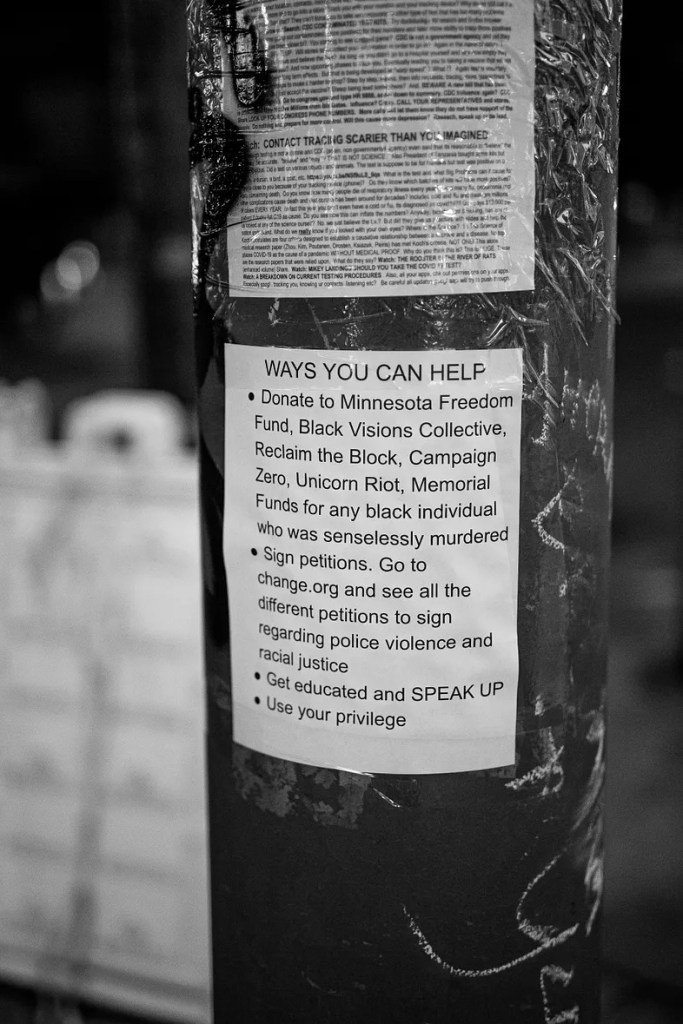
Image credit — Donovan Valdivia

How difficult is it for one body to feel the injustice wheeled at another? Are the tensions, the recognition, the disappointments, and the failures that exploded in the riots too foreign?

Claudia Rankin

In August 2014, there’s a summer of “hands up, don’t shoot” protests, in Ferguson, Missouri, in response to the unlawful shooting of Michael Brown Jr.. In November, Darren Wilson, the white Ferguson police officer responsible for Brown’s murder isn’t indicted. In December, filled with rage and helplessness, I organise the first ‘Black Lives Matter’ protest in the North of England; a political poetry reading at our city centre library. Together artists and writers, cram into a hot room on the top floor of a building made of glass, and pour out our rage and pain through our writings. Black people’s words. Our ancestors’ words.

I’m criticised by one Black woman, in particular, because I invite white poets to read. They could only read the words of Black people as this event is centring our lives. Black lives. A white people’s presence is not what this Black woman wants. She wants a safe Black only space. I respect and understand her views. We all want a safe space for Black people. But I feel we can achieve so much more when we work together, Black and white, to solve our society’s problems. 
I know where she’s coming from though; a place of pain and suffering and hatred. As Black people, for so long, we have endured so much hate and violence from the hands of white people. For far too long, we have been excluded from a share in the economic wealth our ancestors paid for with their lives to create. We’re sick and tired of being excluded from the abundantly spread societal table which our ancestors give the skins off their backs to forge. And this hurts.

In March 2017, there’s a ‘Stand Up to Racism’ demonstration in London, Miss Ella, my seven year old daughter, and I dance behind the sound system truck, towards Trafalgar Square. Crowds behind metal barricades line our route, with the Metropolitan Police shepherding us along. We shout, ‘Refugees are welcome here.’ Miss Ella, dressed as her superhero, Black Widow, looks as if she’s just stepped out of a Black Panther’s meeting. With her long brown hair blowing in the wind and her peachy fist punching the air, she’s learning long before I did how to use her voice to bring about change. She carries her homemade banner stating, ‘Black Lives Matter,’ high with pride and courage. Along the way, a white woman with screwed up face screams at us to shut up and go back home to where we come from. Disallowing our protests, devaluing our presence here.

I recognise where she’s coming from; a place of her ignorance and pain and hatred. As white working class, for so long, she’s been fed the lies that Black people and immigrants come over here and take their homes and jobs. For so long, the poverty they’re experiencing is down to these Black illegal criminal and not a capitalist system rigged in favour of a few priviledged people. We’re just as sick and tired of this too. And we know it hurts.

In May 2020, there’s ‘Black Lives Matter’, protests around the world. In response to the recent killings of George Floyd, Tony McDade, Ahmaud Arbery, and Breonna Taylor, to name just a few, the streets are talking through fire and smoke. Thousands take to the streets, Black and white, to demand justice for all our Black brothers and sisters who have been and continue to be murdered by state sanctioned violence.

I’ve grateful for their voices and bodies. This time, I protest through my words and art. As the Covid-19 pandemic still poses a real threat here in my part of the world. I’m a Black, fat woman carrying yet another target on my back. While protesting, the odds of getting molested and arrested, and not surviving the experience is higher for me than any white person. Just as the odds are greater for me of dying from the Coronavirus than a white person.

Black, Asian, and ethnic minorities in the Western world are dying at a disproportionately higher rate and number than white people during this pandemic. Many explanations for this reality have been voiced with the blame thrown at the feet of Black people. That it is our unhealthy bodies and behaviours which are spreading this disease, conveniently not addressing the inherent racism and systematic inequalities that have operated for over 400 years that has brought about this dis-ease, making our weathered bodies more susceptible to this virus.

We rather die on our feet than keep livin’ on our knees,’ taken from the James Brown song, ‘I’m black and I’m proud’, I feel this as we see thousands of Black people (and white people) take to the streets, even though there’s a greater risk to their lives than ever before. But I recognise where’s they’re coming from. We’ve had enough. We’ve endured enough. We’re not prepared to accept Black lives being devalued anymore.
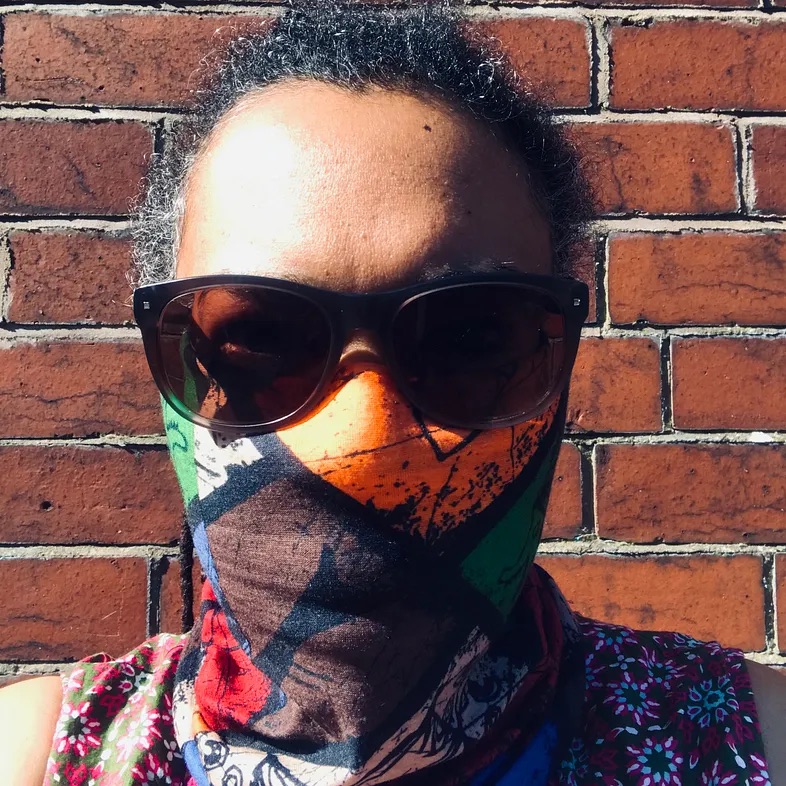
Waiting to be allowed in

This piece was written back in 2020 and published on Medium. I’ve brought it over here to be part of my writing archive. I also feel that the case needed restating frequently. Did I say daily?

We queue with our shopping basket. This is the norm now. But we don’t complain. It keeps everyone safe. We’re at the front of the queue, for a change. My daughter and I. We’ve only come to the one shop. I let her ride her bike into town. She needs the exercise as she’d be happy in front of her screen all day. I probably would too, as at least she’s inside safe, connecting with her friends, and I get a moment to myself.

Front of the queue, but we hold back as the woman in front of us has just gone into the shop. There’s someone coming out at the same time. The store security guard is standing in the mix too. We allow a gap to form between us; the woman and the entrance and our bodies. Coming across from an adjacent shop, a man and woman stride. Stride into the front of the queue, ready to walk into the shop. I raise my voice just above my normal speaking voice to say to them, There’s a queue. We’re waiting to go into the shop too.

I think I’m smiling but how can they know? How can anyone tell if you’re smiling when you’re wearing face protection? By your eyes. I think by the eyes, you can tell if someone is smiling. It’s a warm, sunny day. I’m wearing sunglasses. Maybe they can’t see my eyes. They can only use my voice as means of communication.

Sorry, they say. We thought the queue was going the other way. They walk to join the queue behind us. I say, in a tone of voice which I think says I understand, No, the lady in front of us has just gone in and we’re waiting back here to giving everyone some space.

In the time it takes for the couple to walk and wait behind us, at the recommended 2 metres, the woman of the couple has already started saying in a loud enough voice for us to hear, Some people are just getting angry about the situation now, and there’s s no need for it. We walk into the shop.

Note: The angry Black woman stereotype portrays a black woman as sassy, ill-mannered, and ill-tempered by nature.

Walking back home, Ella walking with her bike, I approach what happened outside the shop, asking Ella if she heard what the woman said about people getting angry.

She was referring to me. I explained. She saw me as an angry Black woman. Do you think I was angry because you’ve seen me angry?

My daughter knows me. She knows I wasn’t angry and says so.

When you live in a society where you’re powerless, perceived as worthless and inferior, those who have power, believing themselves to be superior, spend their time telling others how they handle the situation isn’t right. They tell you that how you speak or act or response isn’t appropriate. You are wrong. They gaslight you, forcing you to doubt yourself; your actions and capabilities. You are at fault, always. You are wrong. You are silenced.

Back home, I talk to my husband, who’s a white man. I think if he’d been with us, the woman behind us, wouldn’t have uttered the angry line. He disagrees. She sounds like a woman who would have gotten annoyed if anyone had checked her behaviour, he said.

He has the right to think and say that. And maybe he’s right. Who knows? But to accept this explanation, I’d have to disallow what I feel about the situation. I’d have to make allowances once again for someone else’s behaviour, reaction and treatment of me. I’ve spent a lifetime of making allowances for other people’s treatment of me. How can I be sure that when they treat me unfairly, or discriminate against me that this isn’t how they treat everyone else? I don’t know. All I have is the way they make me feel. My lived experience as a Black woman.

All I know is that when I’m walking down the street and someone is coming towards me, it’s me who walks into the road to maintain social distancing. It’s me who walks into the gutter to keep us both safe. Would they do the same? I don’t know. I can’t take the risk to wait and find out either.

I’ve been socialised, fed the stereotype of the angry Black woman for so long, I police myself. I play my part. I don’t raise my voice. I don’t protest or question. It’s part of my make-up to check myself so I appear in society as passive and non-confrontational and unseen.

I remember my place.

Pandemic Food Ways :: A Little Sweet Treat

This piece was originally published on Medium with Binderful back in 2020. I’m sharing this piece here because I was reminded that it existed over there when I made some crackers and jam this morning. It was good to revisit it. I share it with you now.

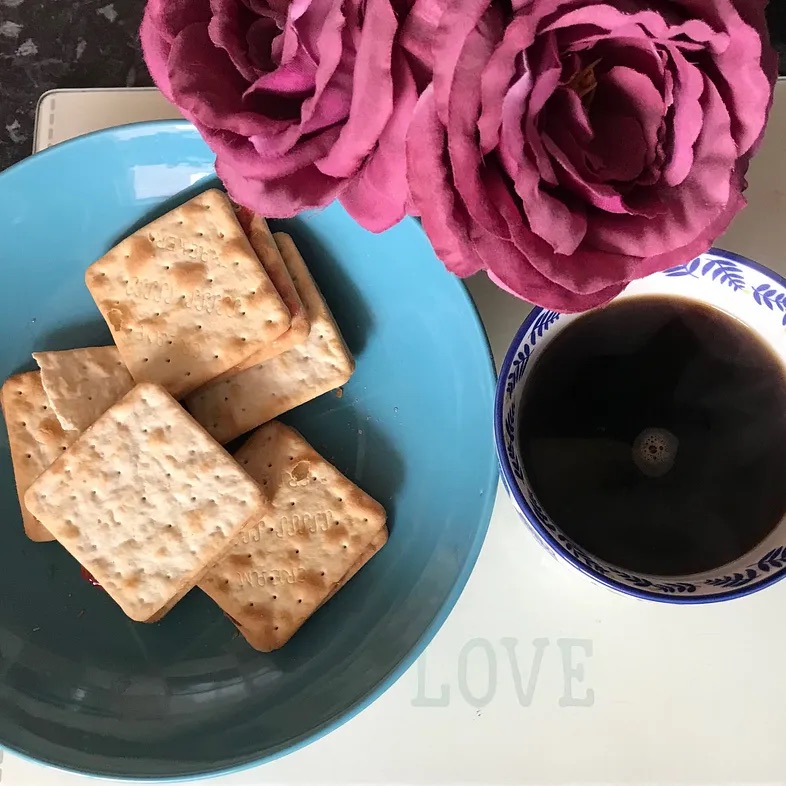
During these quarantined times with Covid-19, I’m trying to find way to support my well-being. I’m making sure I take the time and space to tune into my needs and wants, beside those of my family. I’m finding joy and memories in my day when I make solitude. This happens, usually in the morning, when I make my breakfast. It’s nothing fancy either. Its crackers and jam and black decaf coffee. The plain taste of the hard crackers against the sweet soft stickiness of raspberry jam (no seeds) is divine. This is a little sweet treat and takes me back to two moments in time.

The first is childhood. Crackers and jam was weekend breakfast when I was a kid. Dad would bring it to our bedroom, my sister and me, and we were allowed to eat them in bed. Crackers and jam is a poor man’s breakfast. But when I ate them as a child, I felt rich. I felt like a princess. I felt loved. Especially because my dad made it. A harsh Trinidadian man who ruled us with beats but who I idolised and always wanted to love me more. These Saturday mornings, tucked up in bed, I felt cosy and safe. As children most of our days were spent inside, with our imaginations and Enid Blyton. And this felt good. Now with my daughter, there isn’t any Enid Blyton more like David Walliams, but there‘s a generous amount of storytelling as we stay safe indoors. Learning from my childhood, when I received anger and beats for questioning why, our kids have been brought up wonder out loud and to receive a reason or answer rather than that feeling of saying or doing something wrong.

The second memory around crackers and jam takes me back to my first artist residency in Iceland. This would be my second time back to the island but the first time remaining in place, the remote Westfjords, for two weeks. Surrounded by white upon white. With the cold biting at all exposed flesh, I searched for any familiar signs, in the landscape, because I felt lost and adrift. I didn’t know why or what I was doing miles away from home, alone, in residence pretending to be an artist. I remember making crackers and jam and coffee one morning, knee deep in my unhinged being and remembering who I was. Memories came back about being a little girl craving love and safety and comfort. And how even though, I’d a harsh upbringing, in some respects, I know discipline and perseverance and self-preservation were forged then.

I suppose this mirrors how I feel and be now, in these uncertain times, and how making crackers and jam satisfies these urges and needs and fuels my desire to survive and thrive.

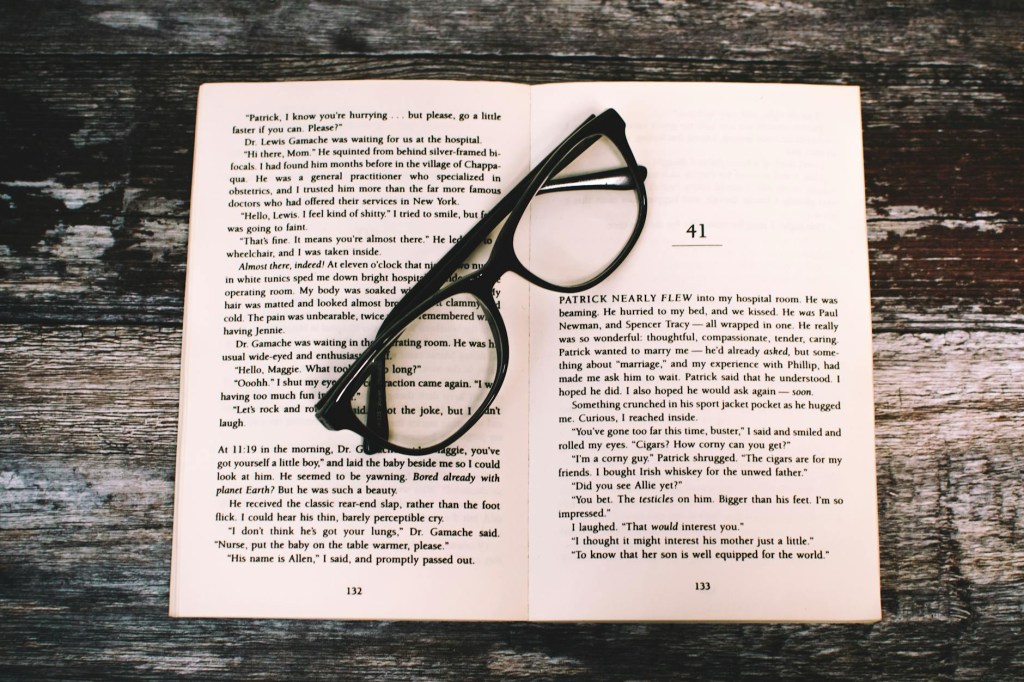
Comfort Reading

This piece was published over in Binderful’s Medium page back in 2020. I’m republishing them here as I revisiting the writing, the wisdom as well as create my archives.

What are you reading that is bringing you comfort during this pandemic?

When Amy (Mama Scout) asked me about what I’m reading during these troubling times of the pandemic, my first thought was, what am I NOT reading? As the spaciousness within my life has opened up, I’m grateful to be able to slow down and lose myself in practices that feed my soul.

I read the news, maybe once every two days, to keep abreast of developments around the world. I’ve always read world news, as I might live in the UK, an island, but I believe we’re all connected, humans and non-humans. What’s happening to you, is happening to me also. We are one. I love lingering over longer articles and reports in The Guardian, The New Yorker and The Atlantic. Also Orion Magazine is releasing daily previously unreleased articles from it’s archives to read for free. These are a welcomed gift.

My guilty pleasure is crime fiction. After a lifetime of reading about crimes happening around the world, I love Nordic Noir, I’ve recently gotten into the mystery series with DCI Ryan set on my doorstep in the Northeast of England by L J Ross. Taking iconic buildings and monuments within the region, such as Cragside House, the Sycamore Gap tree, the bridges over the River Tyne, as the settings, a series of murders are carried out and a team of detectives, who the reader grows to love, try to solve them while trying to have normal loving relationships themselves. I love recognising places and streets and people even within the pages of these novels.

My weak spot is personal essays. Probably because I’m in the process of creating a mixed-genre memoir which includes personal essays, poetry, images, collage, quotes and photography, I gravitate to those writers I wish I could write like such as Roxane Gay, Audre Lorde and Terry Tempest Williams.

So at the moment, I’m reading Alexandra Chee, How To Write An Autobiographical Novel which is so illuminating about his time growing up, in the 80s, through identity politics and navigating his way while unbelonging. I’ve just started, Thick, a collection of essays by Tressie McMillan Cottom, which have the black woman’s body at the centre of the debate for a change. A mixture between the personal and the academic, I find myself reading sections and nodding my head or even shouting out loud, ‘Yes.’

And finally, to my shame, I’ve just restarted Becoming, by Michelle Obama, after watching the documentary on Netflix. When the memoir first came out a couple of years ago, I started it but I didn’t get far. They say you fall into a book when it’s the right time for you; when you’re ready. Well I’m ready now. I’m absorbing Michelle’s vulnerable words of wisdom, checking in and checking myself. Reasons for reading; to keep checking in with myself, how I’m feeling, what is what I’m reading bringing up in me. At the same time as checking myself, doing the work on myself, to make sure I’m moving through this world as the best version of me.

Learning to be on the Inside

This was published on Medium back in 2020, and I recently rediscovered it. I’ll be sharing this piece along with some other pieces from that time because they just tickle my fancy.

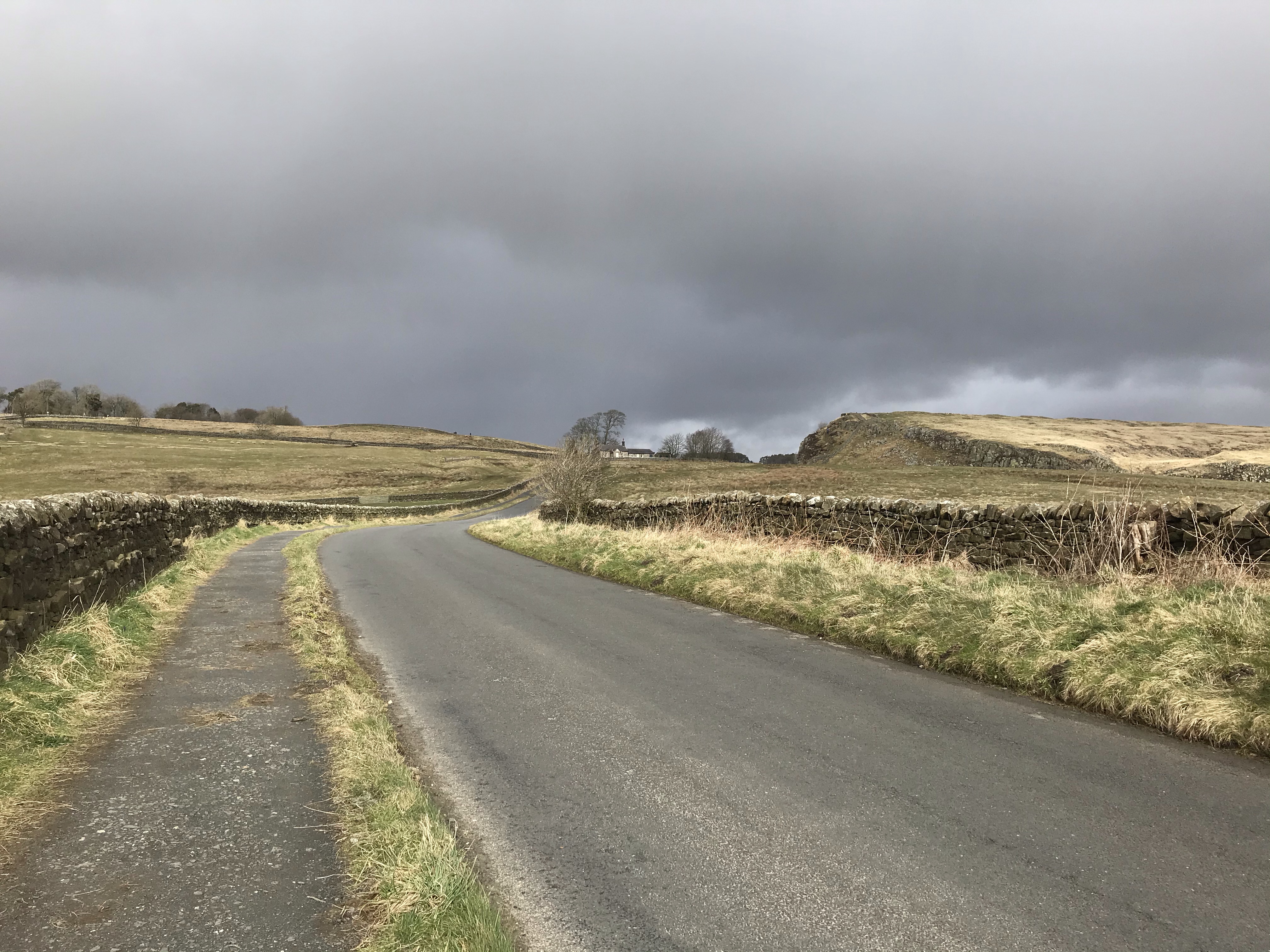
Longsands, Tynemouth

Learning something new isn’t easy and doesn’t happen overnight either.

There’s no magic cure, no short cuts to learning a new behaviour or new skill. You just have to practice. Show up each and every day. And do your best.

There are certain steps to follow if you want to adopt a new habit or develop a new skill. Being a creative being, I’m open to being inspired by others. The following steps have been adapted from an Instagram post by Lisa Congdon in relation to building a skill, particularly in wanting to become an artist.

I think these steps apply just as much to learning to stay indoors during the Coronavirus lockdown as to developing any new skills and habits. Here I explore how I’ve been learning to stay inside.

  1. Begin — One. Two. Three. Four. Five. The inflow and out flow of the breath. I’ll admit, I’ve been complacent about the Coronavirus. I thought it was far way from home. I felt sorry for the thousands of deaths I was witnessing in China but I felt secure in the U.K. I was ignorant and selfish. And I was wrong. Just as the buds begin to appear on the linden trees along my street, reports start to come in about individuals being infected in England. The virus is spreading. I begin to understand it spreads through person to person contact. Around about 12th March, I make the decision to cancel events which involve people gathering. I’ve been working on a number of projects which offer opportunities to black, Asian and ethnic minorities in my region to develop a relationship with nature. Disappointingly, I put a stop to these activities. I walk into the sea to heal.
  2. Practice — As an individual, I start to self-isolate. I stop unnecessary trips out and keep my distance from friends and family, and people, in general. It’s difficult as it’s like swimming against the tide. No one else seems to be worried about closeness. I do the responsible thing. I look after myself by taking my medicine. I go back into the sea and breathe.
  3. Keep showing up — With my world shrinking, I contact our funders, our partners and our groups in relation to our Black Nature projects and inform them we are canceling and/or postponing events and activities scheduled for Spring and Summer because of the Coronavirus. It kills me to pick apart projects which have been six to seven years in the making but I know it’s the right thing to do to keep everyone safe. I lean into my writing practice using this time at home to follow a strict regime of morning pages, journal prompts, poetry exercises, visual journalling and reading. I’m in control of the situation.
  4. Practice some more– Crowds of daffodils bob along the roadside as I make the twice daily trips to drop off and pick up from school. I‘m worried about our children. Our 9 year old daughter at school. Our 21 year old son away from home teacher training. It doesn’t sit well with me that I‘m self-isolating but sending my babies out into the world daily. I worry they’re at risk. I go food shopping. Shelves begin to empty and I feel people’s panic. This escalates my panic. I stop going into the sea.
  5. Stretching self — Tuesday 17 March, we pick our daughter up from school, and don’t send her back the next day. We feel the U.K. government doesn’t care about us. We feel they’re not doing enough to protect us and stop the spread of the virus. We make our own decision to lockdown as a family. We start out as if it’s a holiday. A chance to rest and relax and catch up on TV shows and films. We have no routine. We listen to the gulls outside our windows squawking their freedom.
  6. Practice — I shop alone for what we need. And yes this includes extra toilet rolls and pasta. I’m privileged enough to be able to buy plenty of whatever we want. People still don’t keep their distance. Their anxiety rubs off on me. I take my annoyance and frustration back into the home. No amount of showering and clothes washing can rid the stench of fear. I meet people who matter to me through a screen. I don’t go into the sea.
  7. Practice – 23rd March the British government puts the whole country on a three week lockdown. The Prime Minister announces the police will now have the power to fine people if they leave their homes for any reason other than the following: shopping for basic necessities, one form of exercise a day, medical need or to provide care for a vulnerable person and traveling to work but only for key workers.
  8. Note your improvements – I haven’t been in the sea for two weeks. I‘m not coping well under quarantine. I‘m not using the time away from the outside world in any productive way. I‘m beating myself up for not doing more. For not finishing the book, for not cleaning the house. For not moving forward but instead treading water. As cherry blossom blooms pink and white and raspberry, are tossed about in the wind, I’m wrapped in grief. Grieving for the life I’d built from rock bottom, in the last 5 years, gone in an instant. I’m grieving for the projects I’d worked hard and persevered with to create with others for others gone in a click of a button. I’m grieving for not being able to go to my favourite coffee shop and order an extra hot, vanilla oat latte and savour the taste while writing my morning pages. And yes I know how thoughtless and trivial that sounds. I‘m missing the sea.
  9. Practice — My days are different now. Time seems to move differently, faster and slower at the same time. Days morph into each other and weekends just don’t feel the same when you find yourself not going out into the world to work during the week, and coming home late craving some downtime. Now every day feels like down time. It’s easy to get lost in the nothingness if I don’t have something to do. My moods are up and down as I try to enforce some structure. And then try to just go with the flow. It’s difficult to keep things together for myself and my family. Especially when I’m denying myself my medicine, the sea. Because of fear. Fear of the patrolling police questioning me. The police not just fining me but imprisoning me. I’m a vulnerable Black body outside when I’m not supposed to be outside. Try to feel my fear. Fear of other people not keeping their distance. Fear of people in general. I can only control my actions and some people are still acting in irresponsible ways through ignorance or entitlement. I tell myself: I’m not the waves of life. I try to drop below the waves and find the calm and peace underneath.
  10. Practice — Stay home. Protect the NHS. Save lives. A constant reminder whenever I go outside. Every Thursday at 8 pm, we go outside and clap to show our appreciation for all the hard work the key workers within the NHS are doing. Are enduring. I go out once a week to do a big shop wearing a face mask and gloves. I hope my eyes tell the story that I’m smiling at the shop workers. I make a point of telling them my appreciation. I wish them safety and wellness. I make sure our daughter gets out once a day for some fresh air otherwise she’d just stay glued to her screens. One. Two. Three. Four. Five. The inflow and outflow of the breath.
  11. Repeat — One. Two. Three. Four. Five. The inflow and outflow of the breath. I practice self support. I support myself during these unprecedented times by being kind to myself. I try to have an intention regarding how I start my day. How I want to feel today. Most days, I want to be present. Most days are a present. I hold gratitude for the life I’m living, at the moment. Life is moment to moment. One moment, I’m on my mat feeling the morning chill caress my neck and shoulders. The next movement, I feel my body, it’s heaviness pulled towards the earth. I’m part of Earth. I’m trying to stay more in the now. And not worry about the future or mourn too much about the past. I’m human so it takes practice.
  12. Begin again— We’re still in lockdown. This isn’t a happy ending. This is me learning new habits, new ways of being. Tapping into moments of joy and peace being inside. And getting back into the sea

To Panic, or not to Panic

“Giving clear and consistent information to public at the right time on #coronavirusis vital. Governments’ media strategies must reflect the importance of that. This is not a run of the mill political issue. @scotgov will set out advice to the public in an orderly manner.March 15, 2020

Nicola Sturgeon (@NicolaSturgeon) on Twitter

Here is the U.K. there is mass panic. Panic buying. Panic spreading of misinformation. Panic induced inability to act.

Our U.K. Government doesn’t have a fucking clue and it is down to voluntary created community groups to look out for and support the vulnerable individuals in our society who might succumb to the corona virus and die.

I’m trying to keep things on an even keel and reduce the risk of catching and spreading this dangerous virus to all those I have been or come into contact with. But it’s difficult when this menace is unseen and deadly.

I’m moving towards self-isolating myself via working from home and having virtual meetings. But this is all useless if I continue to send my child to school where we all know illness can spread like wildfire.

Our Government continues to fail in taking action and issuing recommendations because it’s first priority is economics rather than human lives. It is ill-prepared to handle this pandemic and our NHS is under financed and resourced to take the ongoing and on coming strain. This is not a pessimistic mentality. This is our reality.

I send out virtual hugs and love today as I wish you to stay safe and vigilant. Look out for each other and make sure those who are vulnerable and alone are not feeling alone and that they know you are there for them. This is the time we pull together and be there for each other.

Let’s all try to do the right thing for once.