I go to my local probably about once a week if not more. I was brought up next to a library, in Bradford and in Newburn. They were places I could go to for some sense of freedom and adventure.
The librarians knew me and would recommend books to me and events. They wouldn’t rush me, I was welcome to stay as long as I wanted.
Today, I love to pop in to see the book sales at my local libraries. As I have a few on my doorstep now. I flit between them, collecting worn and torn books that I repurpose.
I was brought up to know it was ‘wrong’ to write in books. They were sacred in our home. Probably because we were poor and if we bought books, usually from the indoor market in town, we knew it was money we couldn’t afford to spend on books. But my parents spent it anyway, as they valued books, learning and education. It was our way out of poverty.
I wonder what they would say now, if they saw what I did to books?
10p is all I pay for big, colourful children’s books, withdrawn from library stock. I have to feel the paper first though before I buy them. Even if only 10p, too shiny the page and the paint won’t grip it as well. The paint just swirls around and doesn’t stick.
I like my pages rough and matt finished. Ready to absorb whatever I put down on it.
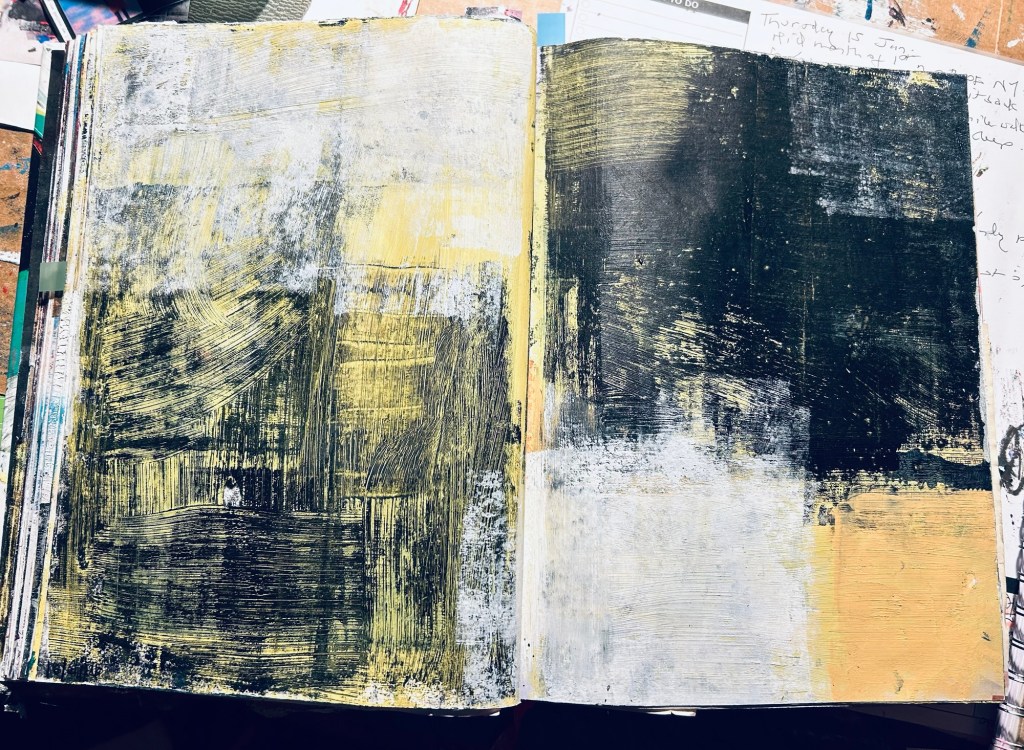
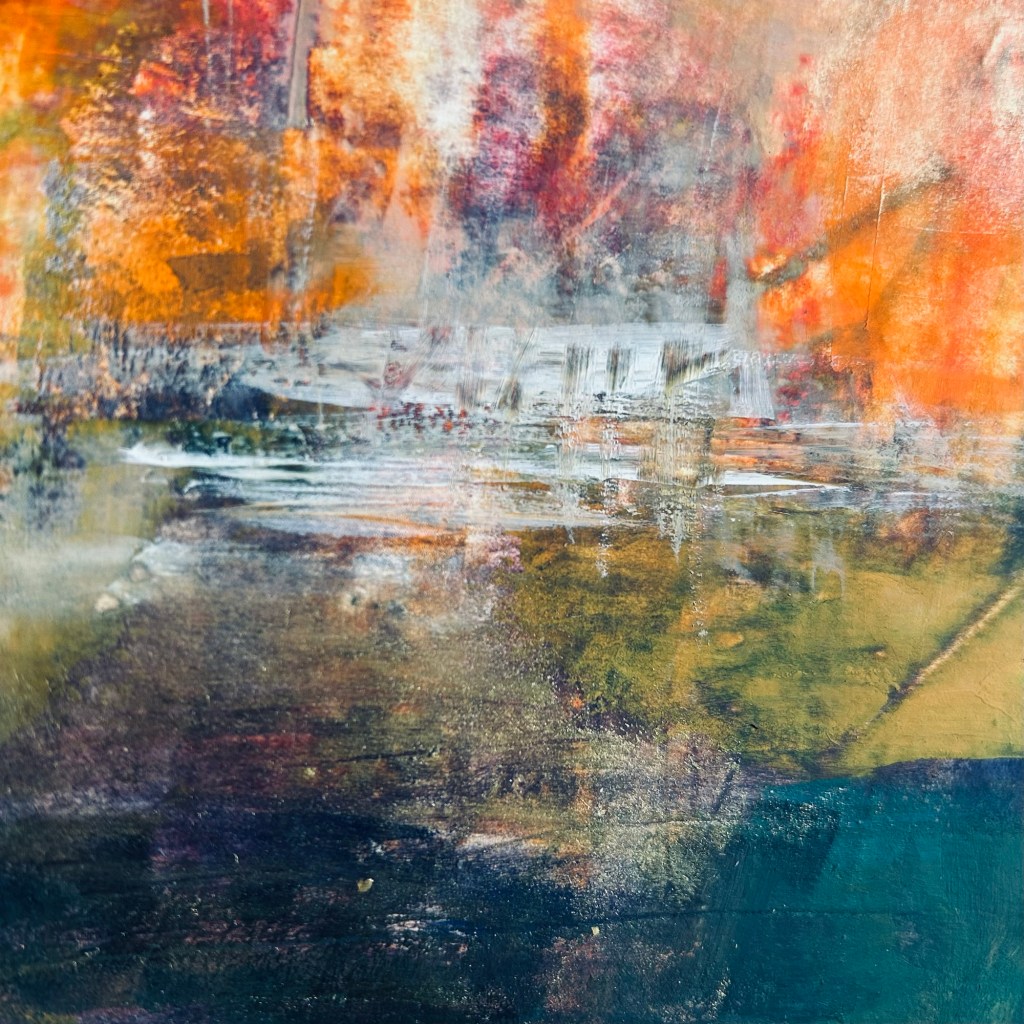
This sketchbook was my side hustle for the last month. Side hustle to my main creative sketchbook. Here I just lay down colour and see what happens.
I like when what’s underneath the paint bleeds through. I like when the different layers of paint and pencil and pen bleeds through to the surface too.
It’s like a palimpsest. The marks beneath is the feeling I’m after. The haunting, the trace, the evidence of time and the passage of time. The archive is present now.
Yesterday marked 50 days of my creative sketchbook practice. 50 days of consistently turning up to the page to play and experiment.
What I’m learning is that I can trust myself to turn up for myself. I’m learning that my practice muscles can be strengthened. I’m learning that I love creating colour fields. It like what I create with visual journaling but different.
Here with these colour fields, there’s layers built up and then stripped back. Marked into. Scratched away to leave textures I like to see and feel. This practice is definitely expanding my palimpsest exploration and obsession.
I’m learning that I want this my creativity to be the main focus of my day and everything else is the add on, not the priority. Not the main meal. My creativity is my life source/force.
I’m practicing taking my creative sketchbook practice into my life. The attitudes, the risk-taking, the consistency, the trust in self and my art-making, these values and practices I’m carrying with me throughout my day, no matter who I come into contact with.
This creative sketchbook practice keeps me centred and focused on my feelings of joy and abundance. This practice keeps me present and checked in with myself, moment to moment.
On top of my visual journaling practice, this safe space of play and to {BE} me, is enough. Is more than enough to fill my day with bliss and connection. A practice that I’m finding opens up doors inside and outside of me, for me and others.
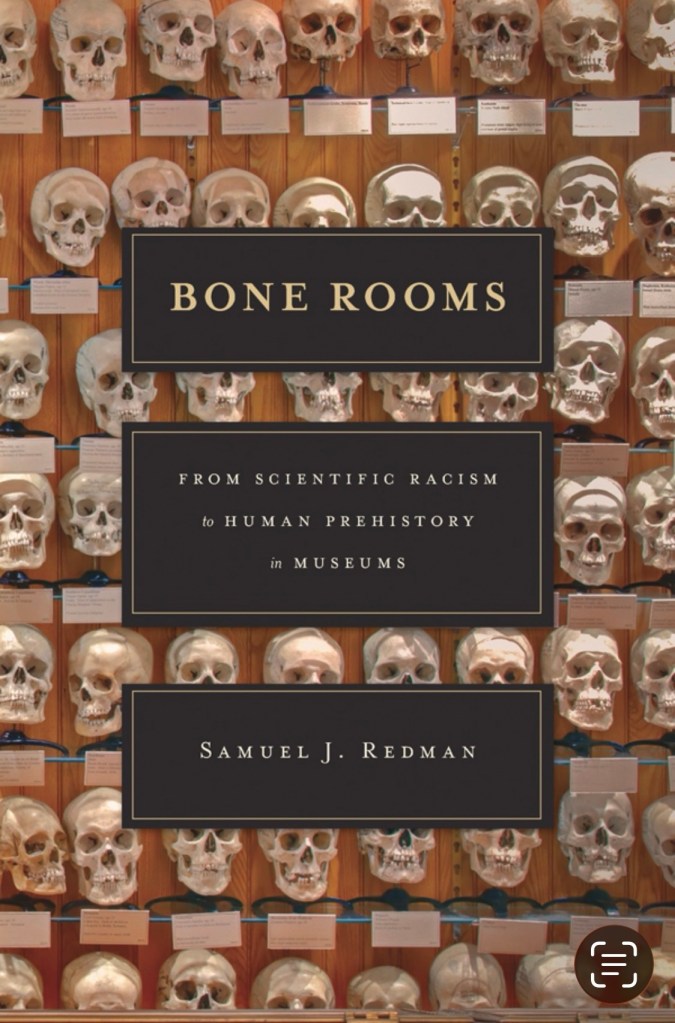
I started reading this book, hardback, a few years ago from the university library. It got recalled before I could finish it.
I was reading it after reading about how for decades the remains of two MOVE children had been kept at Penn Museum and later Princeton University illegally.
How they were using these children’s remains ( bones) in an online course for demonstration purposes as if they were nothing. Just fine specimens to illustrate a scientific point and not actually once being human and that their family was still alive and none the wiser. They thought they’d buried their children after they were bombs but piece of them were missing. And this wasn’t a mistake or oversight, the family had been lead to believe that all remains had been released to them to lay their children to rest.
I took an interest in this case along with the fascination of bone collecting/ salvaging/ pillaging to study and use as evidence of race hierarchies.
I even started a creative hybrid piece around it all as a means of trying to understand it as well as shed light in the continued extraction and exploitation of black bodies even beyond death.
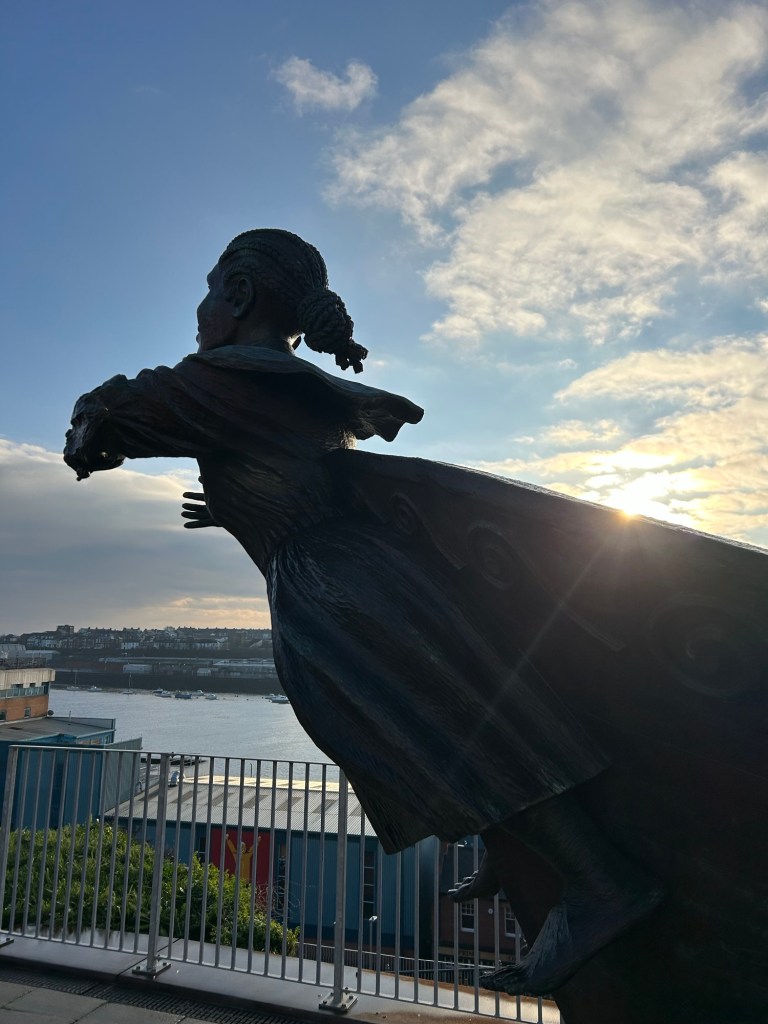
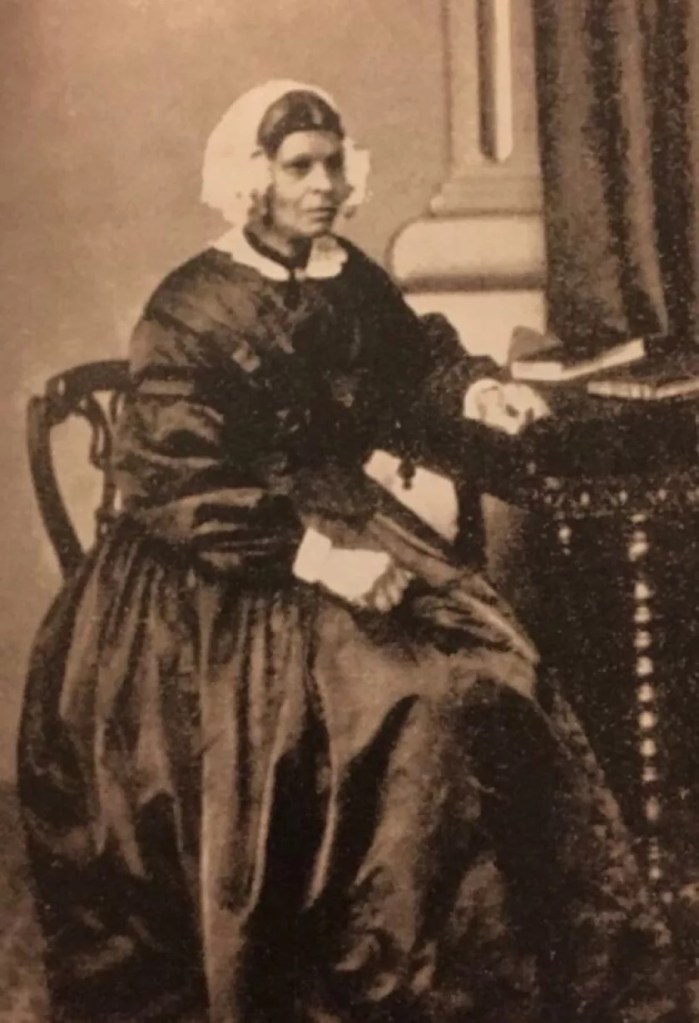
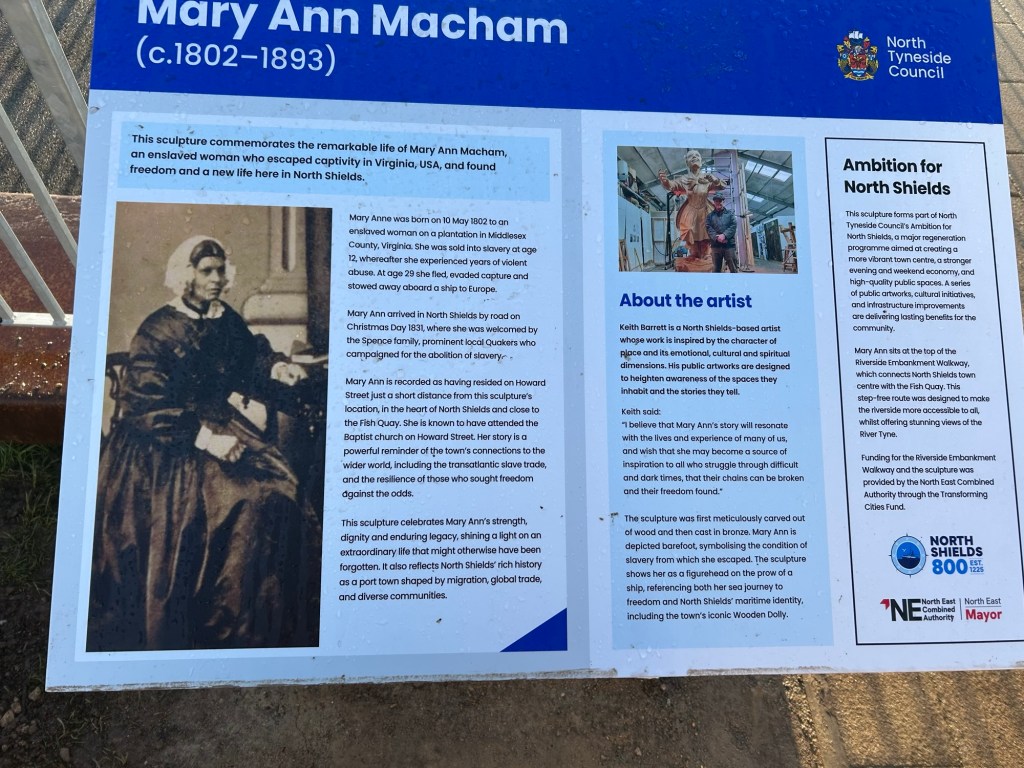
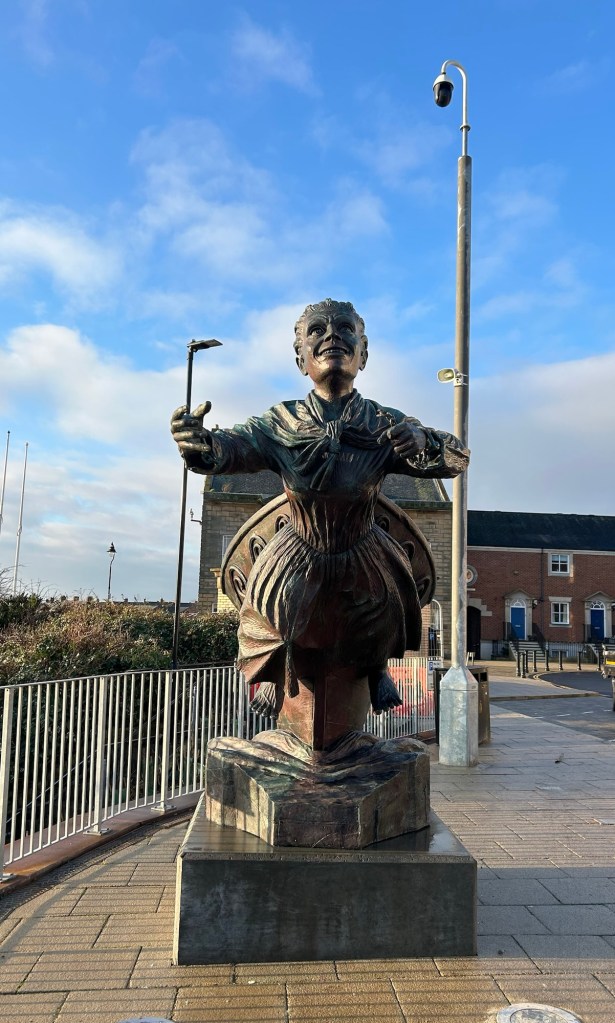
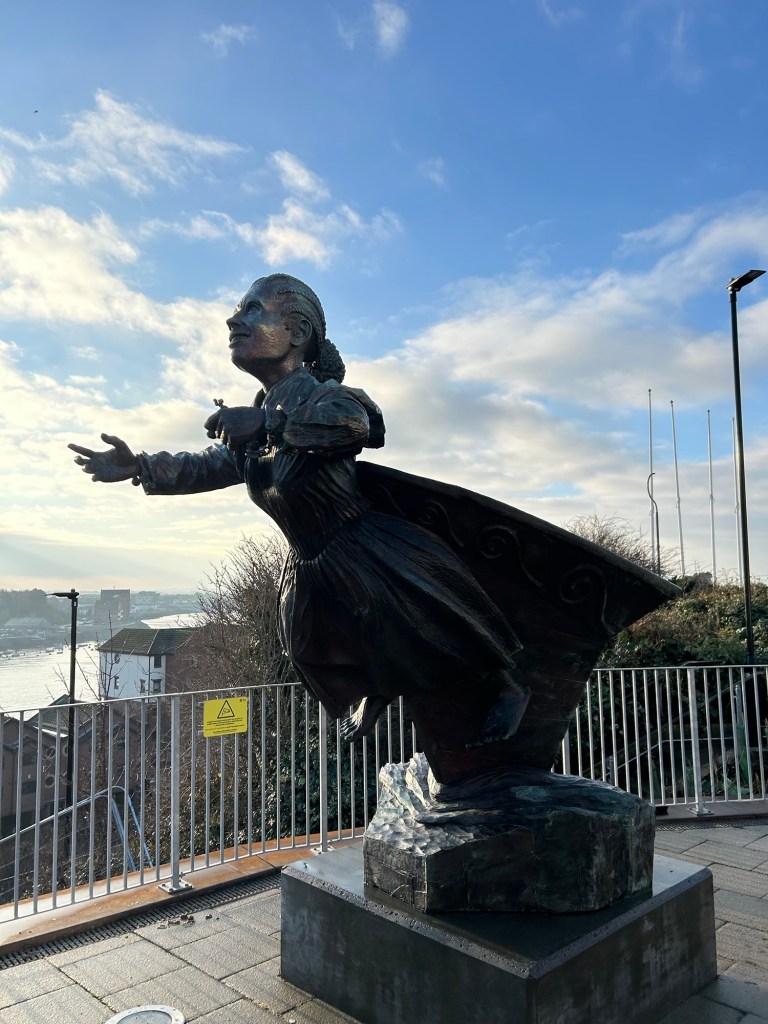
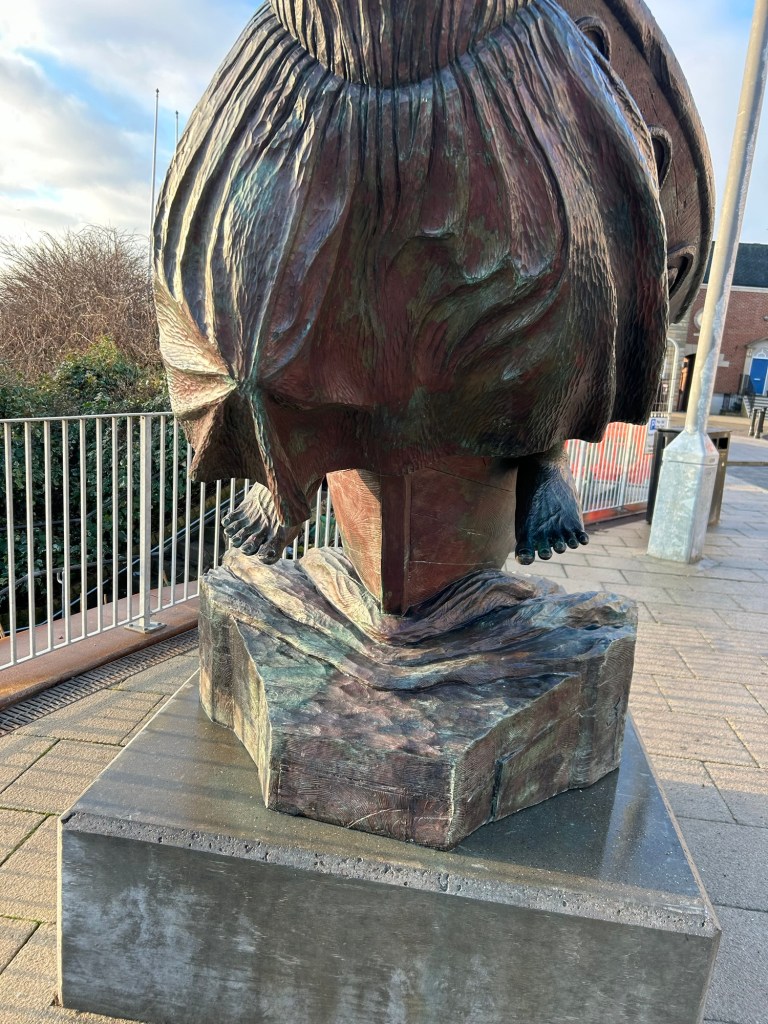
Walking into North Shields the other day, walking towards the Fish Quay where there is now accessible access connecting the centre of town down to the River Tyne, I caught sight of this sculpture of Mary Ann Macham.
I first learned about Mary Ann in 2007, when I was researching the North-East’s involvement in the transatlantic slave trade to mark the bicentenary of its abolition.
I was writer in residence within the Literary and Philosophical society, researching their tracts and unearthing the names and lives of the once enslaved people who passed through and/or settled here.
I wrote a poem about Mary Ann, her escape and travel up to the North, and with the help of the Quakers, made a life for herself through working in service and getting married and living in North Shields. This was back in 1831 when she arrived here and lived for a further 60+ years as a free woman.
An aside here is how the Quakers at the forefront of the abolition movement here in the North- East, were against the slave trade and worked for the abolition but still held the racist beliefs of the day that white people were still superior to black people.
Mary Ann Macham told her story to a member of the Spence family, who she was in service to. There’s a lot that can be argued about the practice of black people, telling their stories to white people who wrote them down and how accurate these are as a true representation of their stories. But this is all we have now as ‘evidence’.
African Lives in Northern England completed research on Mary Ann Macham before this public statue and the local groups ‘found’ her.
I should be grateful and overjoyed that finally Mary Ann Macham is being remembered. That there is a public statue dedicated to her and that she is being reclaimed as part of the local community.
But something just doesn’t sit well with me. Maybe I’m being far too critical. Or maybe I’m just coming at it from a black woman’s point of view living within white supremacy culture?
The press releases for this unveiling of the statue in November 2025, proceed to paint the impression that Mary Ann Macham has just been discovered. That this was hidden history that the locals have just uncovered and became fascinated with and had to find out more about. But unknown to whom?
If they had done their research they would have seen and also acknowledged the work completed in the past to shine a light on Mary Ann. But the story goes that they have just discovered her story. Or decided to just focused on only part of her story/life? Mary Ann Macham ( later Blyth through marriage lived until she was 92 years old).
The local Sculptor Keith Barratt who created the piece has said to the local media that he wanted this sculpture to show that “she came from a place of great pain, but it’s also a story of human liberation, of breaking the chains and I feel that this is something universal that many people will understand”.
I suppose I have issue with how Mary Ann is framed within the story of her own life, which she doesn’t have control over maybe a bit then but definitely not now with how she is remembered.
I Love North Shields has more details about her life and attempts to create a bigger picture of her life before enslavement and after as a free woman living her life here in the north east. But frequently it has to be argued, the majority of time, Mary Ann is trapped within the ‘slave’ narrative perpetuated by white people. Although seeing her as ‘brave’ for plotting her escape, they still frame Mary Ann, tell her story within the role of once enslaved, and needing the help and support of kind Quakers. Sounds a lot like white saviorism. Then and now.
It’s almost like Mary Ann is stuck, encased in bronze, and barefoot to symbolise the condition of slavery. Enslavement she escaped from physically during her life, but trapped forever within this role in memorial because the white imagination cannot see/ grant Mary Ann her full humanity . The fullness of her life.
Time and time again, the mainstream constructs the stories they want to shed a light on and tell about people of the global majority which suits the narratives they’ve been running for centuries. The narratives where we don’t have agency or self-definition but are the objects, less than and victims. This is a means of control and domination.
This is why it’s important that we take every opportunity to tell our own stories. To control our own narratives. To leave these as archives for the people that come after we so they can be in no doubt that we lived big, beautiful, full lives on our own terms.
And is it me, or does the statue of Mary Ann Macham make her look like she’s white?
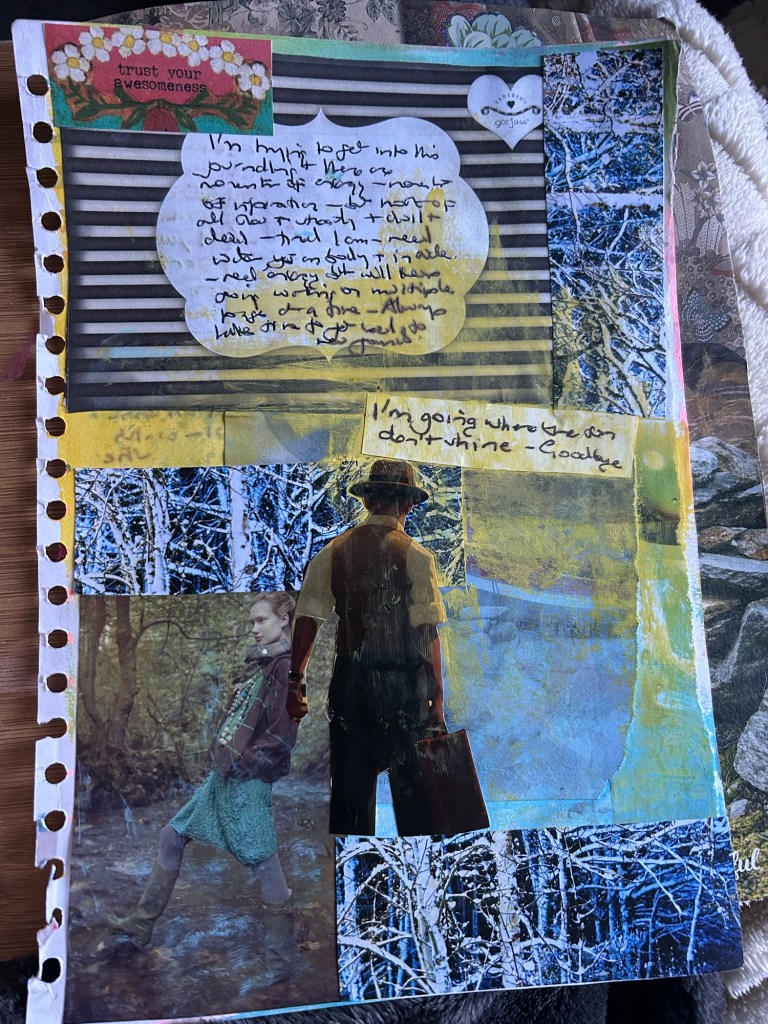
In preparation for a visual journaling workshop over the weekend, I’ve been going through past journal spreads.
I started visual journaling in August 2015. This image above is from a journal I created later that year. Back then visual journaling was a life line. It provided me with a path out of rock bottom and all it was, was dreaming on paper. Creating a safe space where I wouldn’t be judged or dismissed but where I was held.
Since this time, my visual journaling has morphed and changed. It’s needed to because my life and circumstances have changed so much since then. The world has also.
But the main premise remains – it’s a simple but powerful tool of connection with myself. It supports me in turning up in this world in all my fullness.
Wanted or not, I’m here and this practice keeps me present. Makes me present. Makes me pay attention and breathe.
I’ll tell you the truth, I heard about Keith Porter Jr. 1 day ago.
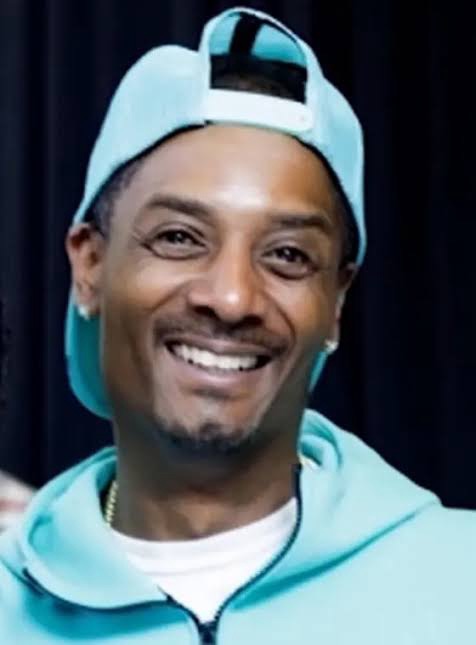
Keith Porter Jr., a 43 year old father of two girls. He loves fishing and spending time with his family. Laughing.
Keith fundraised for battered women’s shelters, supported street artists, advocated for health services. With real family and friends, real daughters and a real presence in his community, Keith Porter Jr. is no longer with us.
Rest in Power Keith.
On New Year’s Eve, in Northridge, Los Angeles, Keith was seeing in the new year with family and friends in his neighbourhood. Tradition was to fire a gun into the air in celebration.
An off duty ICE agent, heard the shots, and inserted himself into the situation. A situation he shouldn’t have been in as an ICE agent is supposedly trained in compliance, transportation, custody paperwork. Immigration.
ICE is not designed or trained in community engagement responses. community law enforcement.
It is argued that after a short verbal exchange, the ICE agent shot and killed Keith.
Official reports from federal agencies say the ICE agent was responding to an ‘active shooter situation’. The department of homeland security says Porter fired at the agent before he was killed (in cold blood).
Watch how they change the narrative. Remember Keith Porter Jr. the man laughing with his family, caring and empathetic will become the monster who deserves to be dead.
Family and community advocates dispute this claim, stating that there is no independent released video evidence showing Keith Porter Jr. posed an imminent threat or fired at the agent.
Rather than lethal force, this off duty ICE agent should have done his citizen’s duty and called local Police as this was not an immigration issue. This was not his jurisdiction, his authority.
Keith Porter Jr. became an imminent threat only when this ICE agent turned up.
ICE has no community engagement training. They might have authority but not in the community, they don’t have the judgement and empathy to be on the streets. But obviously this ICE agent, off duty, thought otherwise.
Nearly two weeks ago Keith Porter Jr. was shot and killed. And people, the average person, even those online are just starting to find out about this murder. Only after Renee Good’s cold bloodied murder.
There is selective outrage in America. As I wrote last week, I have no issue with the response to Renee Good – that’s how we should be respond in this situation.
But
#SayHisName
Keith Porter Jr.
His family had been struggling to get his story, his unlawful killing into the current media cycle. This just compounds what I’ve been saying about the lack of visibility in mainstream media of black people being unlawfully killed by law enforcement.
Be honest have you heard of Keith Porter Jr? But you’ve heard of Renee Good?
There are arguments we can put in place here . You might not have heard his name, Keith Porter Jr. because he was killed by an off duty ICE agent not on duty with a large crowd there. Might be because there’s little video evidence circulating around. But the main reason is because Keith Porter Jr. was a black man.
This is part of the reason for not using #SayHerName for Renee Good.
No one’s even heard of Keith Porter Jr. No national attention for his murder but within 24 hours everybody knew Renee Good’s name.
This is the very reason #SayHerName was created for the invisible black women and black men who are causalities of the state, of state terror.
And it’s only now that white people are waking up to this terror when black people have been enduring if for centuries. This is why I argue to consider the language used and to give credit and recognition for where it originated, why it was created in the first place.
And yet the same stories are being used to justify the unlawful killings of Renee Good and Keith Porter Jr. They were both pointing weapons at ICE agents, posed a threat and had to be eliminated.
I say
2 different people
2 different cities
but the same structural problem.
Later down the line this might get read as the one bad apple or one bad moment. But this is clearly a system which once hidden no longer neededs to remain hidden.
A system that is built without limits or accountability.
De facto special powers bestowed by the Trump administration on ICE that seem to supersede police powers. ICE is now inserting itself into everyday life and every day neighbourhoods. And as we are witnessing this very presence is killing people. Killing more and more people who weren’t even their targets.
But that no longer seems to matter.
As I’ve said before and I’ll say again, I don’t have an issue with the response to Renee Good – that’s how we should be responding in a situation like this. I just argue that the others, and there’s a long list that is growing of people who have been killed by ICE during this administration, deserve the same energy that is surrounding the murder of Renee Good.
As last time I checked, these are not animals, criminals or just talking points but human beings. Real human beings with grieving families. And this is something that gets forgotten in the media.
We need to continue to have these conversations and we need to keep fighting, on the small and large scale, against fascism near and far.
This is one of my favourite images from my extensive collection.
I know exactly when and where it was taken. Westfjords Residency, Iceland, Feb/March 2017.
This was my go to breakfast. Coffee, cornflakes and Skyr, Icelandic protein enriched yogurt. I love the colours, the composition. The items included. But most of all, I love the memories and feelings just looking at this image evokes.
It takes me back to that time of wonder and discovery during my second time to Iceland. A residency I gifted to myself, writing the application while teaching temporally; frustrated, longing to get out and create.
I stayed for two weeks in the shadows of the mountains, knee deep in snow most days until the thaw came with some greening of the landscape.
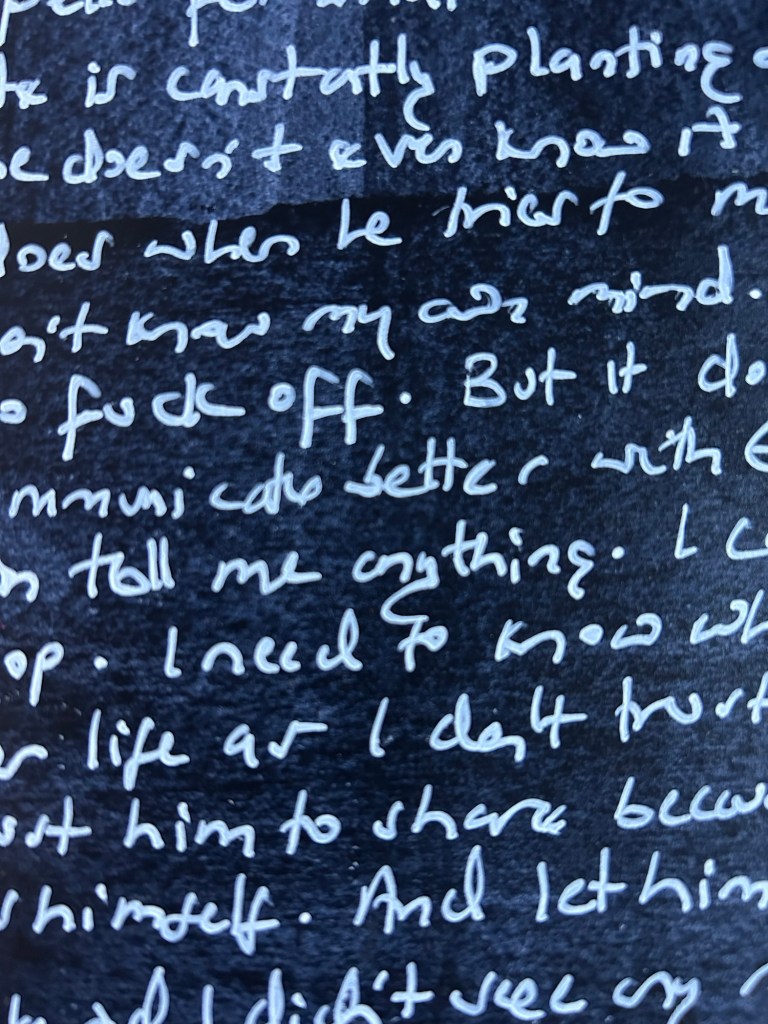
I didn’t know what the fuck I was doing there back then. I just knew in my body that I needed to get away, gain inspiration from the landscape and {BE}.
I might not have completed much when I was out there, but I know when I returned the experience shifted my creativity and how I saw myself as a creative.
I saw glimmers of the Northern Lights during this retreat. Pale creamy wisps and trails in a dark navy sky. It was magical and a mystery.
This makes me think about my art-making practice and how most of the time I’m working in the dark, moving out of my comfort zone into the unknown, looking and listening hoping to catch a glimpses of magic and mystery in the process.
What’s created on the page, like this photography, is an archive, a record which when looked upon brings to the surface all the memories and feelings of the process, the experience once again experienced to the full with wonder and a smile.

 Living Wild Studios