While completing my visual journaling this morning, at my old wooden table moved in front of my bedroom bay window looking out onto my rainy, foggy street, I had the thought that I’ve lived most of my life already.
This year I’ll turn 55 in October and it just struck me how the majority of my life/ living is behind me.
Then it got me thinking about how many years do I have left. I played with the idea of thinking, what if I’m just reaching the mid-point of my life? What if I have another 55 years of living ahead of me?
How would I feel about that? What would I need to do now to make that happen? Do I want to live to 110 years?
It has been done. It can be done even though those ‘blue zones’ where the majority ofcentenarians live are shrinking.
I feel I’d have to change a few habits first to give it a good shot at living until 110.
I know I could have been looking after my body better up until this point. But it’s never too late right, to start using food as medicine and to stop punishing my body for being black fat and ageing.
There’s still time right? There’s still a lot of twists and turns and bumps in this road left of this journey, right?
Visual journaling in community is always time well spent.
Even if it’s their first rodeo, to witness the freedom, the mess, the expansion as paint meets paper meets card. Bliss. Magic. A gift.
Walking out with their own visual journals clutched close to their chests, promising to carry on the practice themselves, now they’ve got the power within their hands, hearts and soul.
A job well done any time the visual journaling practice is passed on.
I do believe it makes us better human beings. Better to each other and ourselves. Softer, caring and well-nourished.
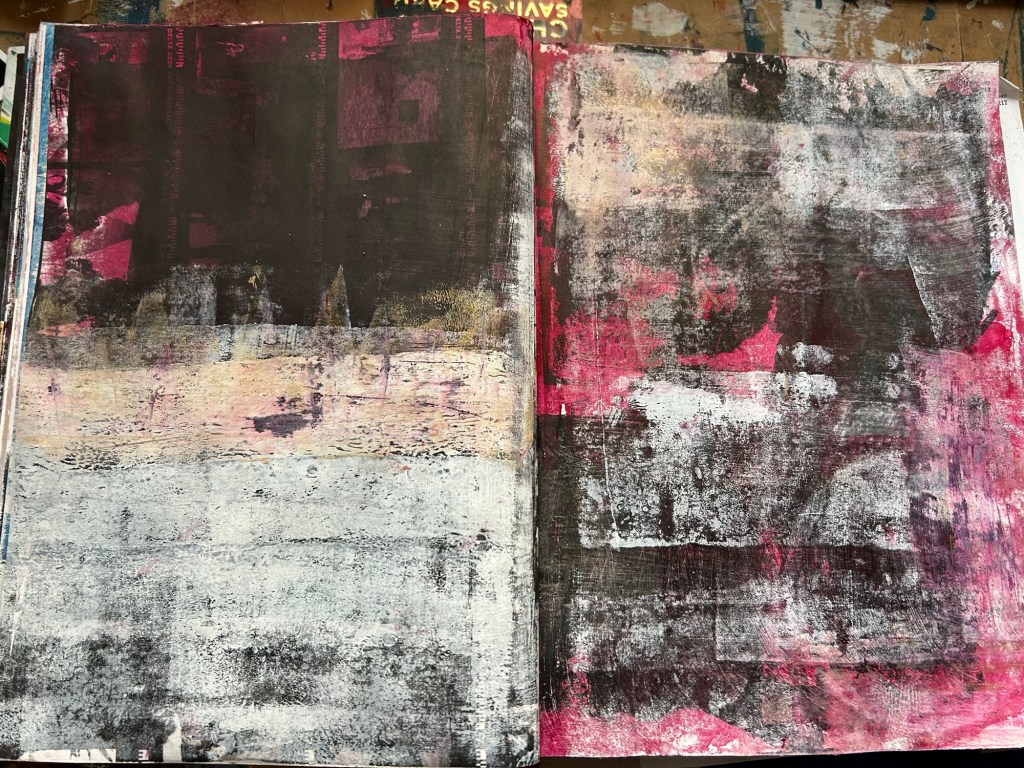
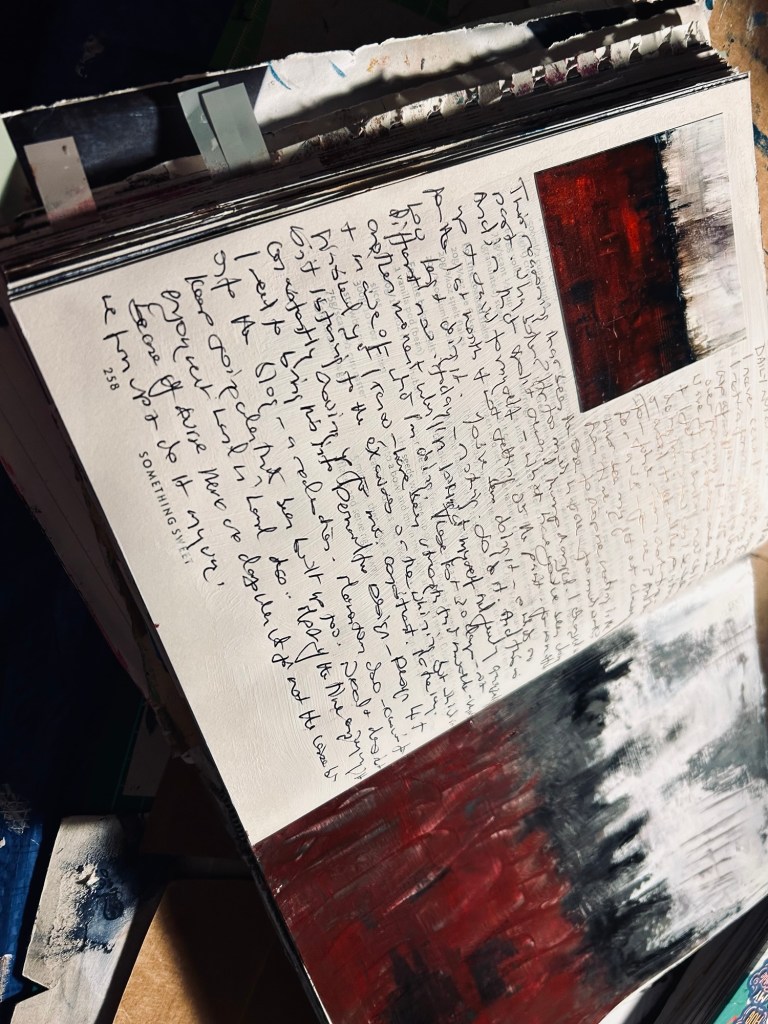
In preparation for a visual journaling workshop over the weekend, I’ve been going through past journal spreads.
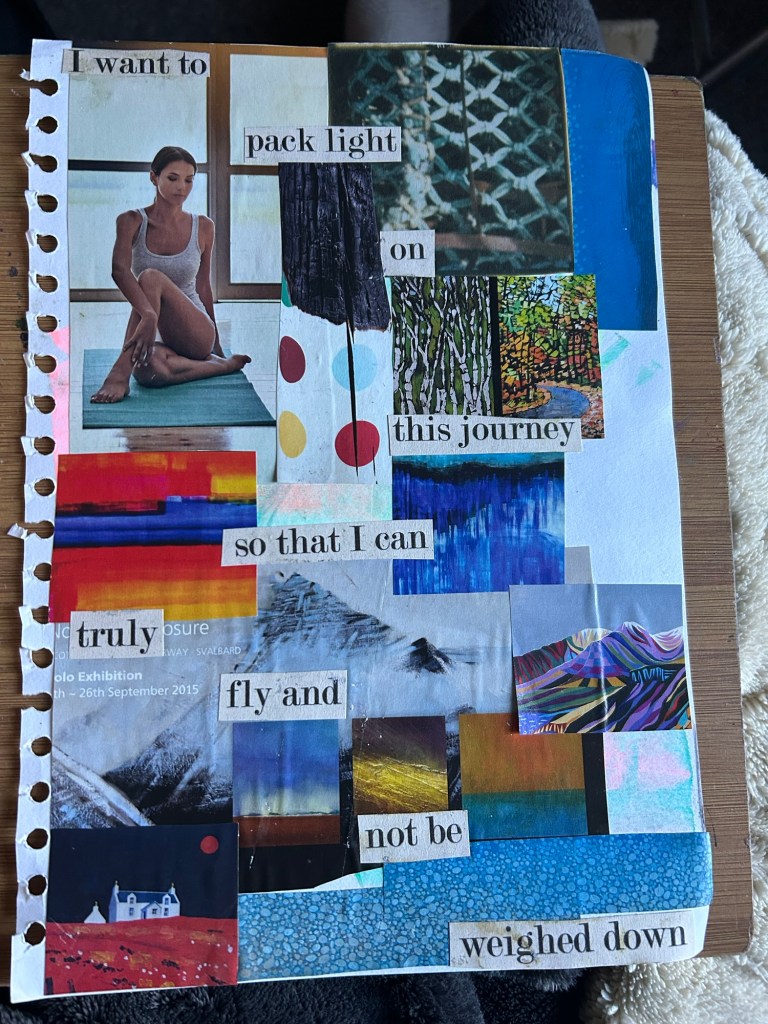
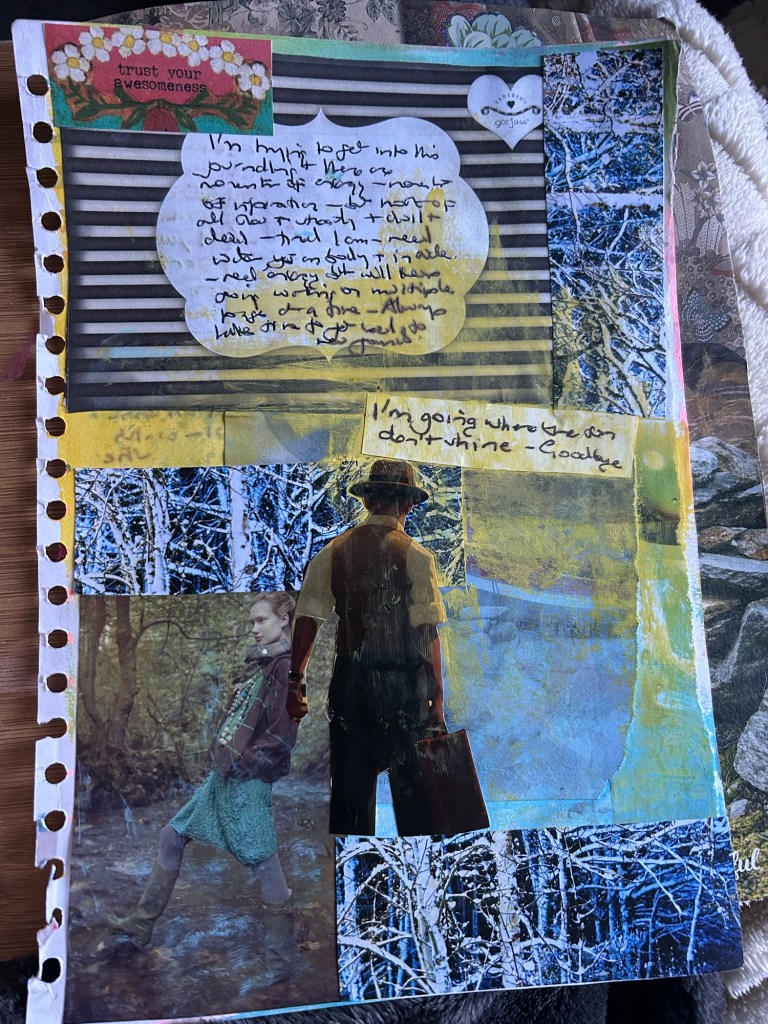
I started visual journaling in August 2015. This image above is from a journal I created later that year. Back then visual journaling was a life line. It provided me with a path out of rock bottom and all it was, was dreaming on paper. Creating a safe space where I wouldn’t be judged or dismissed but where I was held.
Since this time, my visual journaling has morphed and changed. It’s needed to because my life and circumstances have changed so much since then. The world has also.
But the main premise remains – it’s a simple but powerful tool of connection with myself. It supports me in turning up in this world in all my fullness.
Wanted or not, I’m here and this practice keeps me present. Makes me present. Makes me pay attention and breathe.
By taking time to acknowledge ourselves for what we have done, we recognize that we’re more capable than we thought, we’re doing more than we were aware of, and we’re making incremental progress in our skill building. When we allow a space for positive thoughts and feelings, we find we feel more encouraged and forward
movement is inevitable from that place. Some days showing up for your creative work is all that you can do, and that is enough and worth acknowledging.
A couple of days ago, I completed the 30 day sketchbook challenge, successfully. Not a day missed.
I’m really proud of this achievement as it proves to myself that I can turn up for my art-making consistently. That I can use my sketchbook as a place of play and wonder. A place to take risks, safely.
The importance I place on the creative sketchbook practice is immense but not to the point of paralysing myself and then not creating out of fear of failure.
The plan is to continue the practice. And I have been turning up each day since. I’ve been using my own prompts, following my curiosity, leaning into my own style. Listening to my voice.
The original course came with an additional 30 prompts. So I’ll start them when I run out of my own ideas. Then I can also restart the original course again and then explore a comparison between the creations and reflections of the first round with the second.
This is definitely, at the point, turning into an 100 days project, an just saying that as another milestone to meet and to keep myself accountable.
And again, I’ll keep the pages for my eyes only, not ready or even wanting/needing to share the pages I create or to move onto larger, external canvas or panels.
I do not feel the need or the call to create any formal work as yet or share. I’m happy exploring within my sketchbook and following where that takes me within the pages.
I realise that has been where I’ve gone wrong in the past. Skipping the sketchbook phase which I’m thinking is simply like the drafting stage of writing. The loose, trial and error phase, where we’re just playing. I’ve been missing out this phase and going straight to the big stuff, the art put into the world. The exhibitions, the judgments and appreciations.
And what I’ve produced mainly carried little meaning for me or messages for the viewer. I feel that it’s fallen flat and felt like a void. And I think this is because I wasn’t sure of my voice, my style, my meanings and messages.
This is what I’m taking away from this sketchbook practice now. And I’m so enjoying the process and I’m open to what surfaces. But I’m also patient and loyal in terms of showing up and doing the work. I trust all will become clear and strong and full in the process.
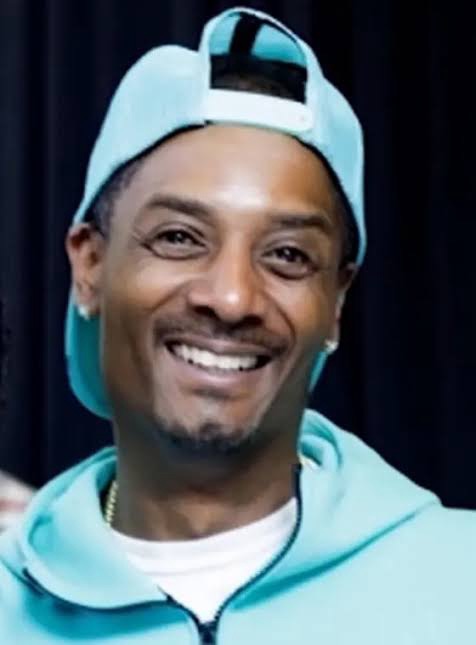
I’ll tell you the truth, I heard about Keith Porter Jr. 1 day ago.
Keith Porter Jr., a 43 year old father of two girls. He loves fishing and spending time with his family. Laughing.
Keith fundraised for battered women’s shelters, supported street artists, advocated for health services. With real family and friends, real daughters and a real presence in his community, Keith Porter Jr. is no longer with us.
Rest in Power Keith.
On New Year’s Eve, in Northridge, Los Angeles, Keith was seeing in the new year with family and friends in his neighbourhood. Tradition was to fire a gun into the air in celebration.
An off duty ICE agent, heard the shots, and inserted himself into the situation. A situation he shouldn’t have been in as an ICE agent is supposedly trained in compliance, transportation, custody paperwork. Immigration.
ICE is not designed or trained in community engagement responses. community law enforcement.
It is argued that after a short verbal exchange, the ICE agent shot and killed Keith.
Official reports from federal agencies say the ICE agent was responding to an ‘active shooter situation’. The department of homeland security says Porter fired at the agent before he was killed (in cold blood).
Watch how they change the narrative. Remember Keith Porter Jr. the man laughing with his family, caring and empathetic will become the monster who deserves to be dead.
Family and community advocates dispute this claim, stating that there is no independent released video evidence showing Keith Porter Jr. posed an imminent threat or fired at the agent.
Rather than lethal force, this off duty ICE agent should have done his citizen’s duty and called local Police as this was not an immigration issue. This was not his jurisdiction, his authority.
Keith Porter Jr. became an imminent threat only when this ICE agent turned up.
ICE has no community engagement training. They might have authority but not in the community, they don’t have the judgement and empathy to be on the streets. But obviously this ICE agent, off duty, thought otherwise.
Nearly two weeks ago Keith Porter Jr. was shot and killed. And people, the average person, even those online are just starting to find out about this murder. Only after Renee Good’s cold bloodied murder.
There is selective outrage in America. As I wrote last week, I have no issue with the response to Renee Good – that’s how we should be respond in this situation.
But
#SayHisName
Keith Porter Jr.
His family had been struggling to get his story, his unlawful killing into the current media cycle. This just compounds what I’ve been saying about the lack of visibility in mainstream media of black people being unlawfully killed by law enforcement.
Be honest have you heard of Keith Porter Jr? But you’ve heard of Renee Good?
There are arguments we can put in place here . You might not have heard his name, Keith Porter Jr. because he was killed by an off duty ICE agent not on duty with a large crowd there. Might be because there’s little video evidence circulating around. But the main reason is because Keith Porter Jr. was a black man.
This is part of the reason for not using #SayHerName for Renee Good.
No one’s even heard of Keith Porter Jr. No national attention for his murder but within 24 hours everybody knew Renee Good’s name.
This is the very reason #SayHerName was created for the invisible black women and black men who are causalities of the state, of state terror.
And it’s only now that white people are waking up to this terror when black people have been enduring if for centuries. This is why I argue to consider the language used and to give credit and recognition for where it originated, why it was created in the first place.
And yet the same stories are being used to justify the unlawful killings of Renee Good and Keith Porter Jr. They were both pointing weapons at ICE agents, posed a threat and had to be eliminated.
I say
2 different people
2 different cities
but the same structural problem.
Later down the line this might get read as the one bad apple or one bad moment. But this is clearly a system which once hidden no longer neededs to remain hidden.
A system that is built without limits or accountability.
De facto special powers bestowed by the Trump administration on ICE that seem to supersede police powers. ICE is now inserting itself into everyday life and every day neighbourhoods. And as we are witnessing this very presence is killing people. Killing more and more people who weren’t even their targets.
But that no longer seems to matter.
As I’ve said before and I’ll say again, I don’t have an issue with the response to Renee Good – that’s how we should be responding in a situation like this. I just argue that the others, and there’s a long list that is growing of people who have been killed by ICE during this administration, deserve the same energy that is surrounding the murder of Renee Good.
As last time I checked, these are not animals, criminals or just talking points but human beings. Real human beings with grieving families. And this is something that gets forgotten in the media.
We need to continue to have these conversations and we need to keep fighting, on the small and large scale, against fascism near and far.
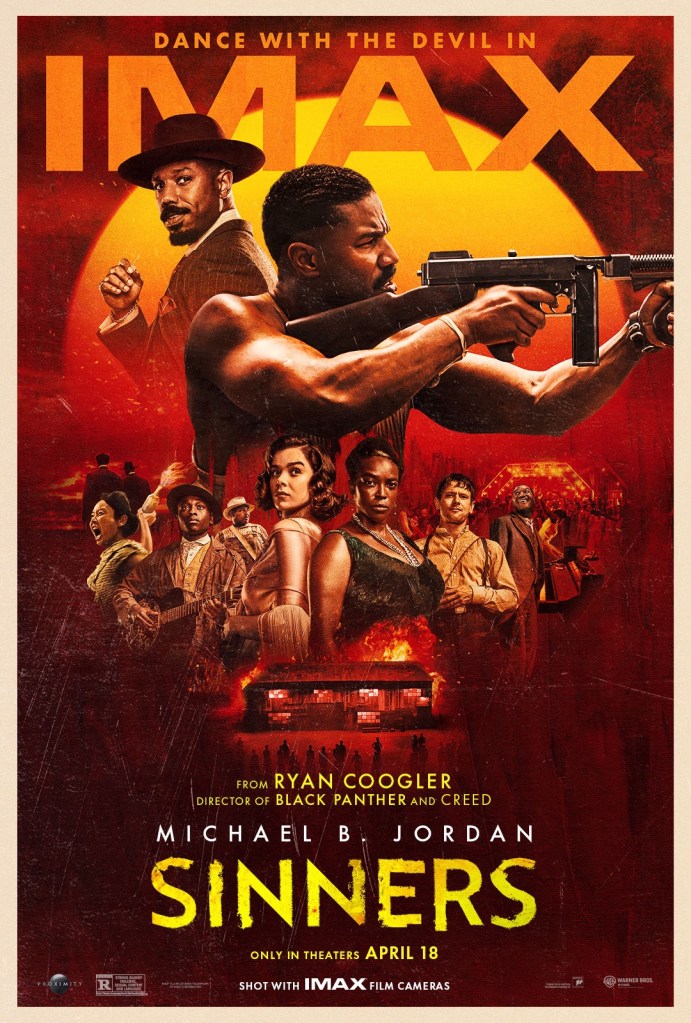
With it being awards season and all, I felt called to watch Sinners again. This might have been my fifth or sixth time. I’m sorry, I’ve lost count. It still hasn’t lost its magic. The film just keeps on giving for me. To me.
This time, I’m struck by how many times freedom is mentioned. How to get free? How to be free? How to protect that freedom?
I think Sinners explores the price of freedom. The price of being free. There’s always a cost for attempting to live life on your own terms.
From the beginning, we might be introduced to sharecroppers, working for the white men, still on plantations. But this will be a self-sustaining community. More than bodies for working on the farms, the land they do not own. But they have each other. Each character is developed at the beginning of the film. The viewer is allowed to get to know them and see them in their element. They be vibrant and they be fixing to be free. Free from the restrictions of white supremacy culture, capitalism, patriarchy the whole shebang. And this isn’t without pain but also joy and laugher and love.
Sinners is what happens when a community, when people are living their own lives and are infiltrated by others, who want what they have. Outside threats come to ruin the day. Vampires come and covet what this community has. Sammie. Sammie has a gift, the gift of music that connects him with all ages. Griot.
Delta Slim’s says, “With this here ritual, we heal our people. And we be free.” This is the power of music and how a community can tell their stories through music. And outside forces, in this case vampires, who hear, see, realise this power, are threatened by it as well as want it. Want to control it take it away from this black community who are gain strength and sustainance through it all. And be free.
Sammie’s gift, the music, the very culture needs to be/ has to be protected from these outside threats at all costs. As culture, its very existence is threatened from being sucked dry by the devils coming tonight.
So as a people, as black people, we do whatever we can do to tell our own stories, protect and preserve our music, our culture as through this we heal. And we be free.
Yesterday after the school drop off, I braved the icy pavements ( you remember my fall last year right? year ago this weekend in fact!). Anyway walking like a duck with piles, I got down to my favourite beach and braved the icy metallic waves.
They say you never regret a sea swim. Well not so much swim, as the tide might have been going out but those waves were getting bigger coming in.
But it was worth it. This cold, freezing, numbing refreshing sea dip, skip, swear swim. Then it was back onto the icy pavement to the local coffee shop to warm up.
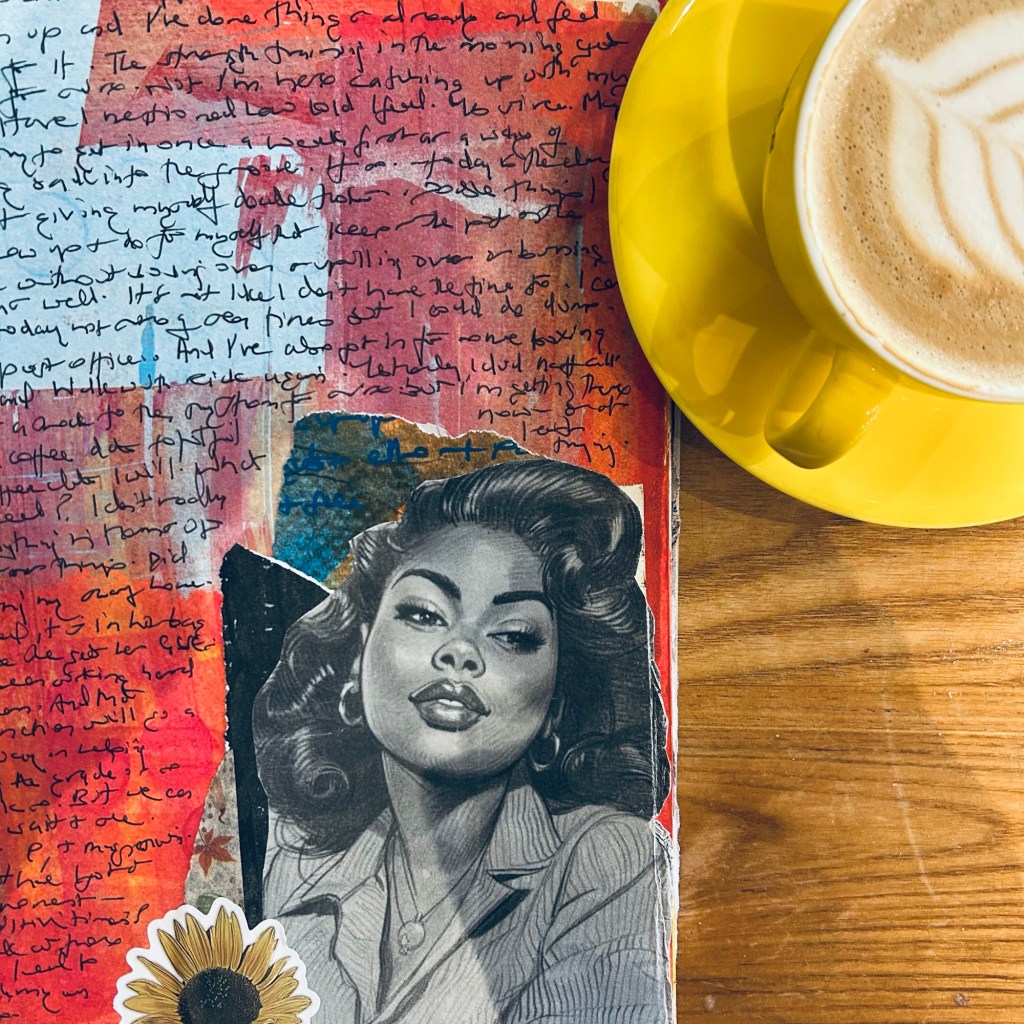
Got myself a seat by the radiator and enjoyed completing my visual journal spread for the day with an extra hot oat vanilla latte.
And this coffee comes courtesy of gift. I give thanks for the coffee to two people who kindly gifted me with ‘ buy me a coffee’ monthly subscriptions this week, responding to the post I put out this week asking for support, no doubt.
You know who you are and I’d like to thank you again for your generosity.
As you can see I’m putting your support to good use. I’d been sluggish all week as I get back into the school routine after the break. The sea woke me up. Fired me up and the coffee just kept the fires burning.
This is one of my favourite images from my extensive collection.
I know exactly when and where it was taken. Westfjords Residency, Iceland, Feb/March 2017.
This was my go to breakfast. Coffee, cornflakes and Skyr, Icelandic protein enriched yogurt. I love the colours, the composition. The items included. But most of all, I love the memories and feelings just looking at this image evokes.
It takes me back to that time of wonder and discovery during my second time to Iceland. A residency I gifted to myself, writing the application while teaching temporally; frustrated, longing to get out and create.
I stayed for two weeks in the shadows of the mountains, knee deep in snow most days until the thaw came with some greening of the landscape.
I didn’t know what the fuck I was doing there back then. I just knew in my body that I needed to get away, gain inspiration from the landscape and {BE}.
I might not have completed much when I was out there, but I know when I returned the experience shifted my creativity and how I saw myself as a creative.
I saw glimmers of the Northern Lights during this retreat. Pale creamy wisps and trails in a dark navy sky. It was magical and a mystery.
This makes me think about my art-making practice and how most of the time I’m working in the dark, moving out of my comfort zone into the unknown, looking and listening hoping to catch a glimpses of magic and mystery in the process.
What’s created on the page, like this photography, is an archive, a record which when looked upon brings to the surface all the memories and feelings of the process, the experience once again experienced to the full with wonder and a smile.


 Living Wild Studios