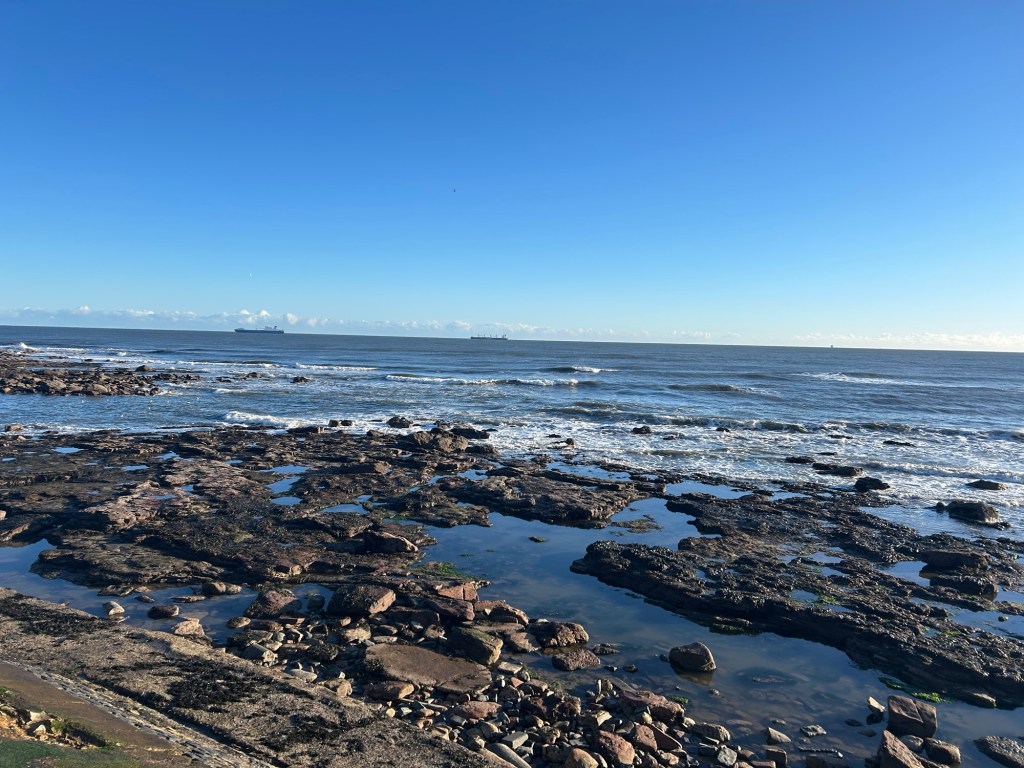
An evening in Rome

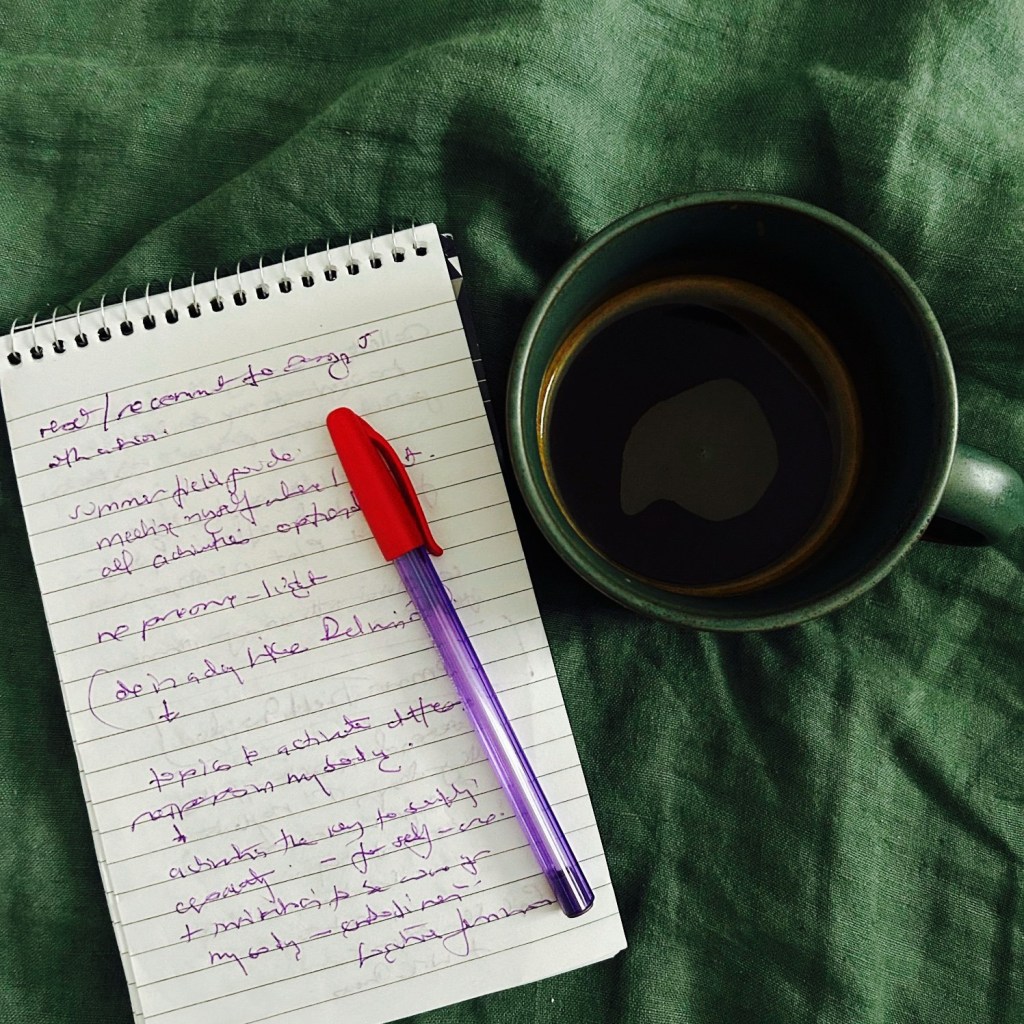
Sometimes when I get a download, I just have to grab the first bit of paper and pen I can see and write.
It feels as if I haven’t got the time and patience for my visual journaling practice and I’ve just got to get the words on the page.
Like short, sharp, frenzied sex after a drought, a stream of consciousness shit comes rolling out of me. From my body. Onto the page. Words here. Paint there.
And within this pile of words/ marks are glimmers, signs, clues for next steps, moves forward. Invitations.
I’m been resting, after a full on time of exams and work and in that resting time, I did nothing creative except breathe. Breathe a little deeper and longer. Fuller.
There are still times when I have that moment of dread, that I’ve forgotten something. That I should be doing something else instead of doing nothing.
I know time will heal the wound. Time will suture the skin over the rupture and this period will become a memory. A trace left in an ache running down my neck and shoulder. A dull tugging at my soul.
Anyway, I’m back here. And I’m not going to try and fill in the gaps. The gaps are important, these liminal spaces where possibility and potential are ripe.
I come back with plans to share a new series of posts which I’m loosely calling my ‘Summer Field Guide’. My plan to get intentional about the summer ahead ( or here already!) and offer myself space to play, get curious, dream and imagine. No pressure just {BEING} my inner child out loud.
I’m excited.
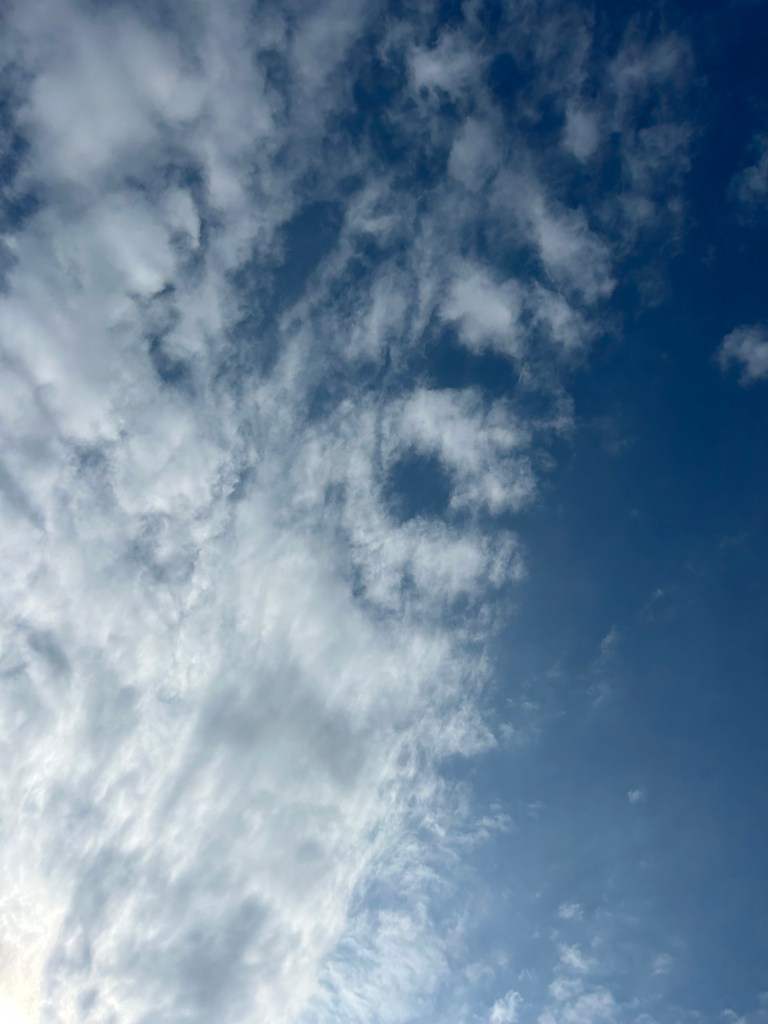
Today, 1st June, is the start of meteorological summer in the Northern Hemisphere. 21st June will bring the Summer Solstice: the longest day and solar peak of the year.
I’ve got a love/ hate relationship with summer. While teaching, I couldn’t wait to get to the summer holidays, time off from school. But those 6 weeks always went far too fast. Maybe because I was trying to squeeze in as much as I could, as I was high on freedom.
These last few years, summer has been a more laid back kind of affair. But there’s still, sometimes, an underling tension of not doing enough. Not making the most of my days. Not being out when I think I should be. Not being in when I feel I should be. Sometimes, there can be a frenzied, frazzled energy where rest and relaxation is more of a performance than actually restoring my energy and inspiration levels.
May, June, July, August. Months of summer. Rising energies to the peak. The peak can either be superdeluxe and flourishing or too heady, overloaded and burnt out.
How do I want to experience this summer?
After months of stress and worries, GCSE’s, hustling and financial insecurities, I’m fixing for my summer to be calm and chill. Wholesome and good for my soul. Slow warm mornings, times to linger over coffee and a book. Feasting my eyes on beauty and questions to satisfy the Creatrix in me.
Siestas, sea dips and lake swims. New foods and drinks lingering on my tongue and heart. Scents of rose and peonies reminding me of childhood, ripe strawberries and juicy honeydew melon, tingling in my mouth. Reminds me that, I can slow down and soften. I can stretch out like a cat in the sun, cloudgaze, feel the warmth ease out the tensions and pressures, knowing that nothing lasts forever.
And yet, I’m grateful for being here now, savouring the now. Summer. Summer. Summer ( that High School Musical kind of vibe!)
How do you want experience summer?
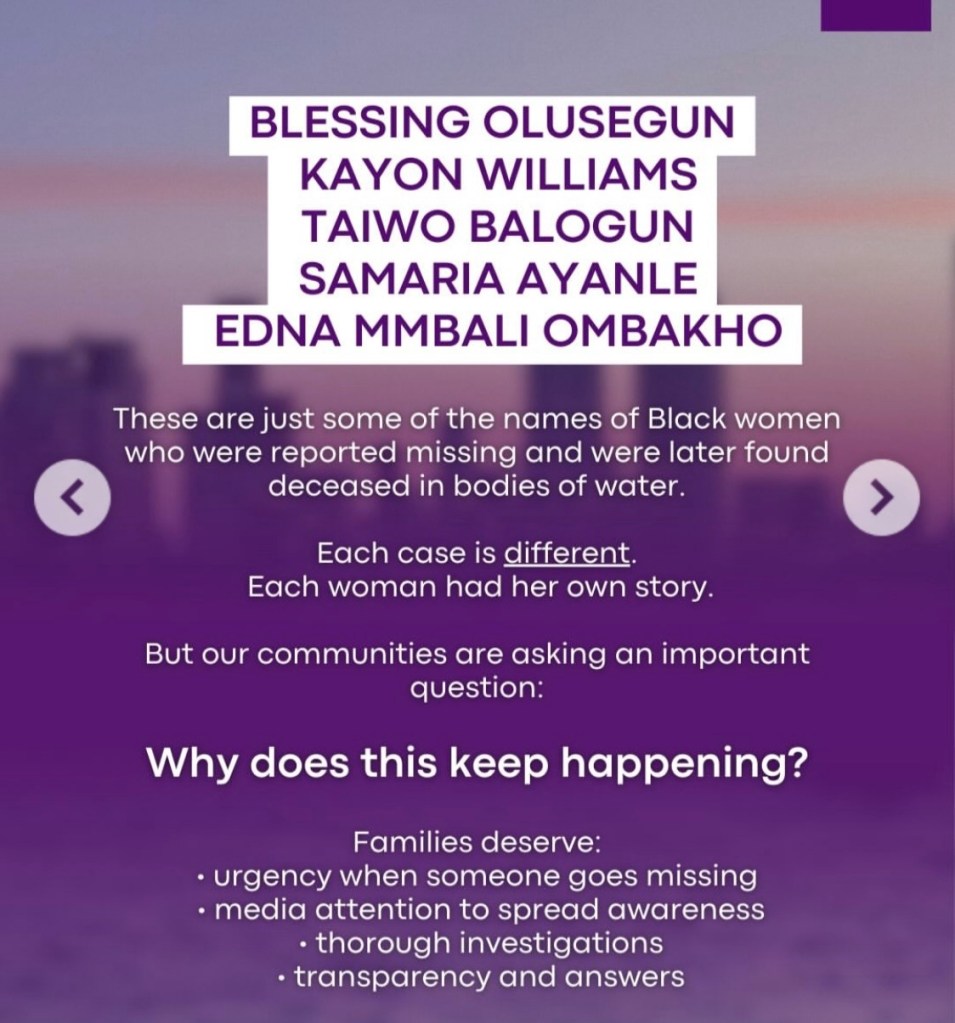
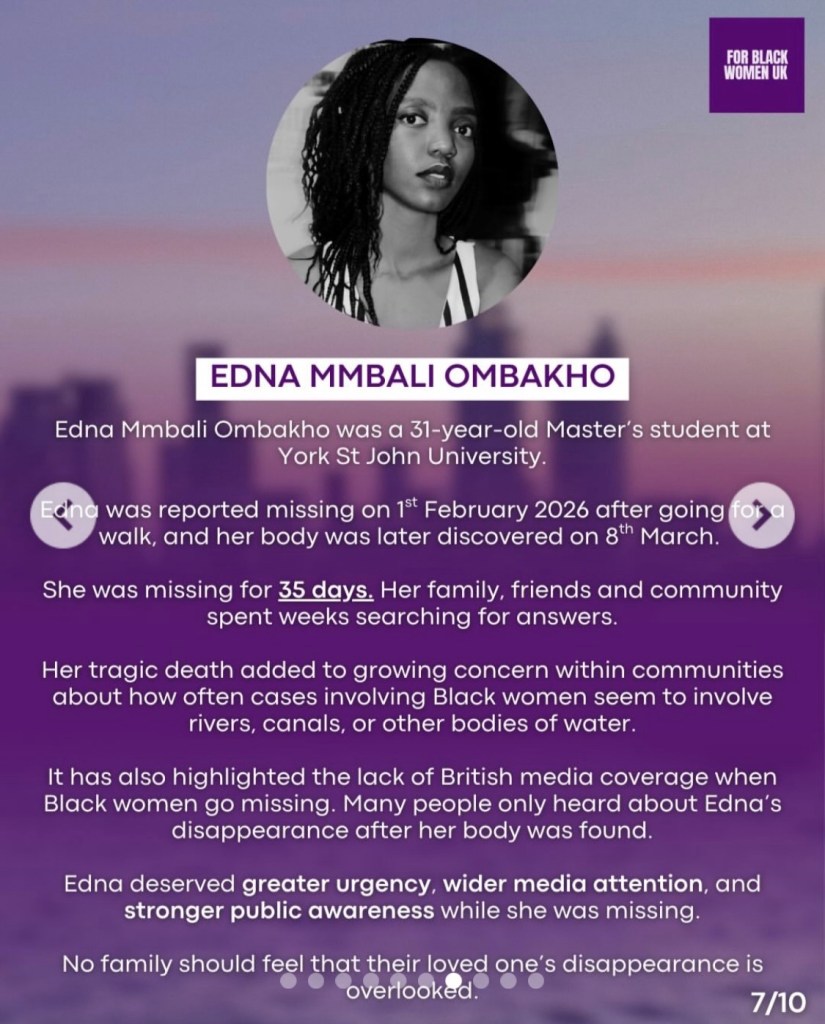
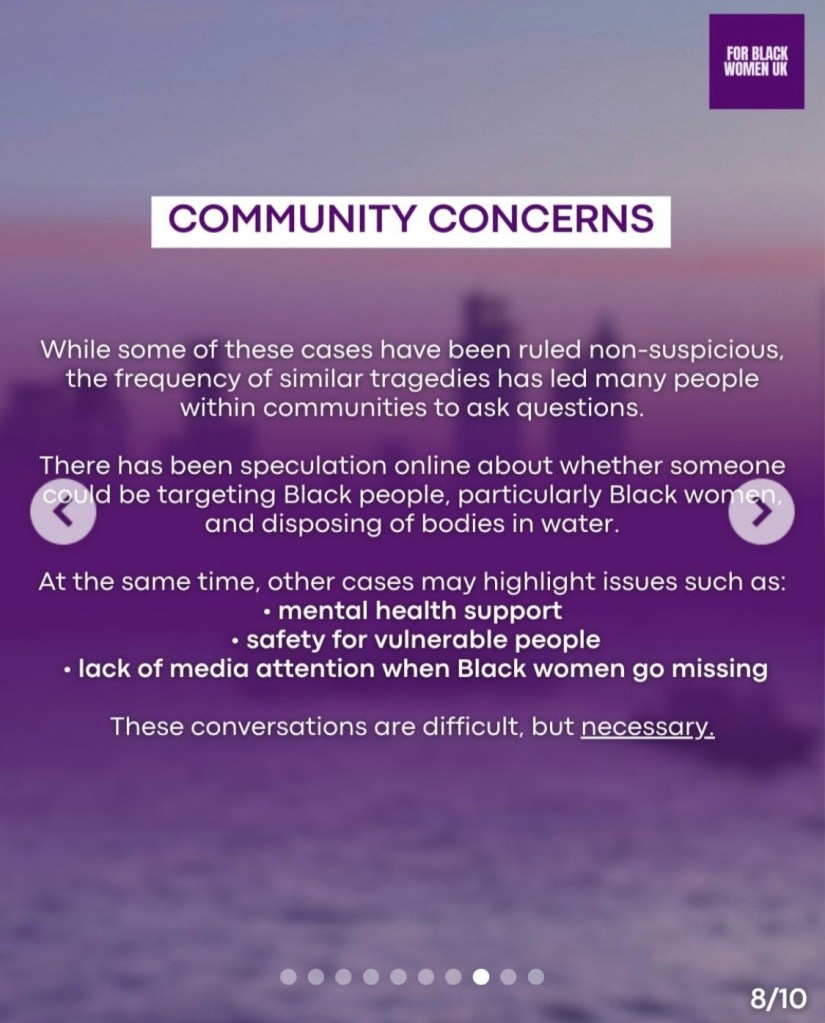
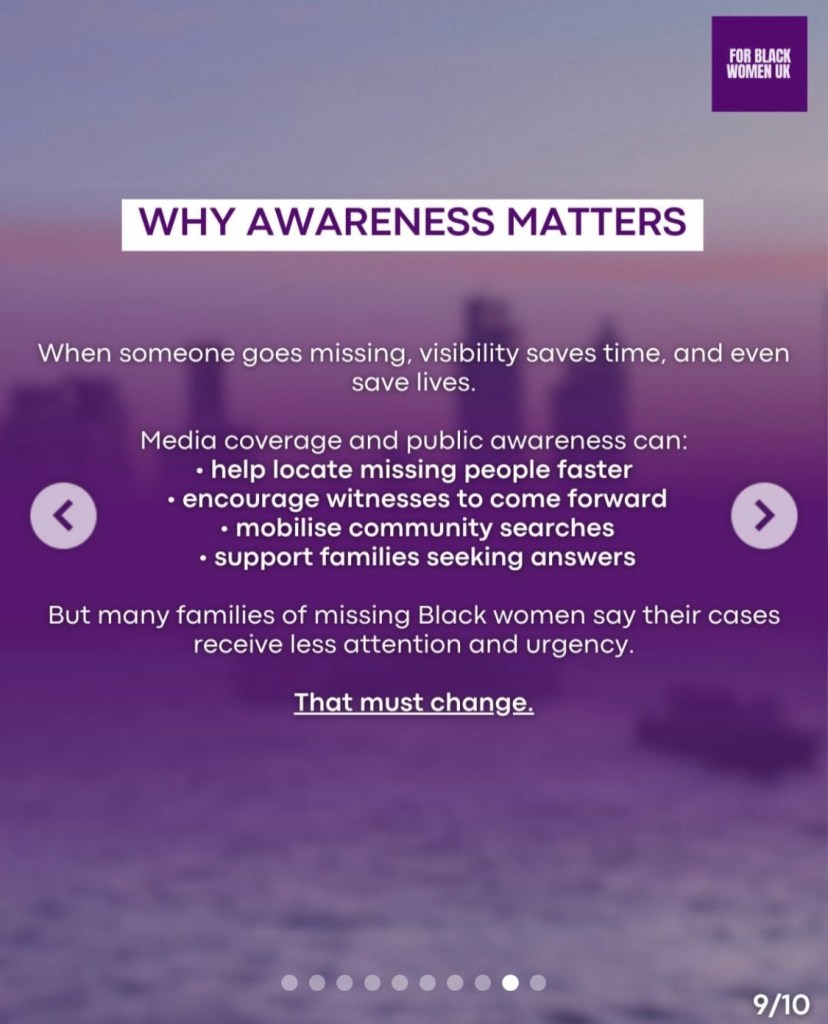
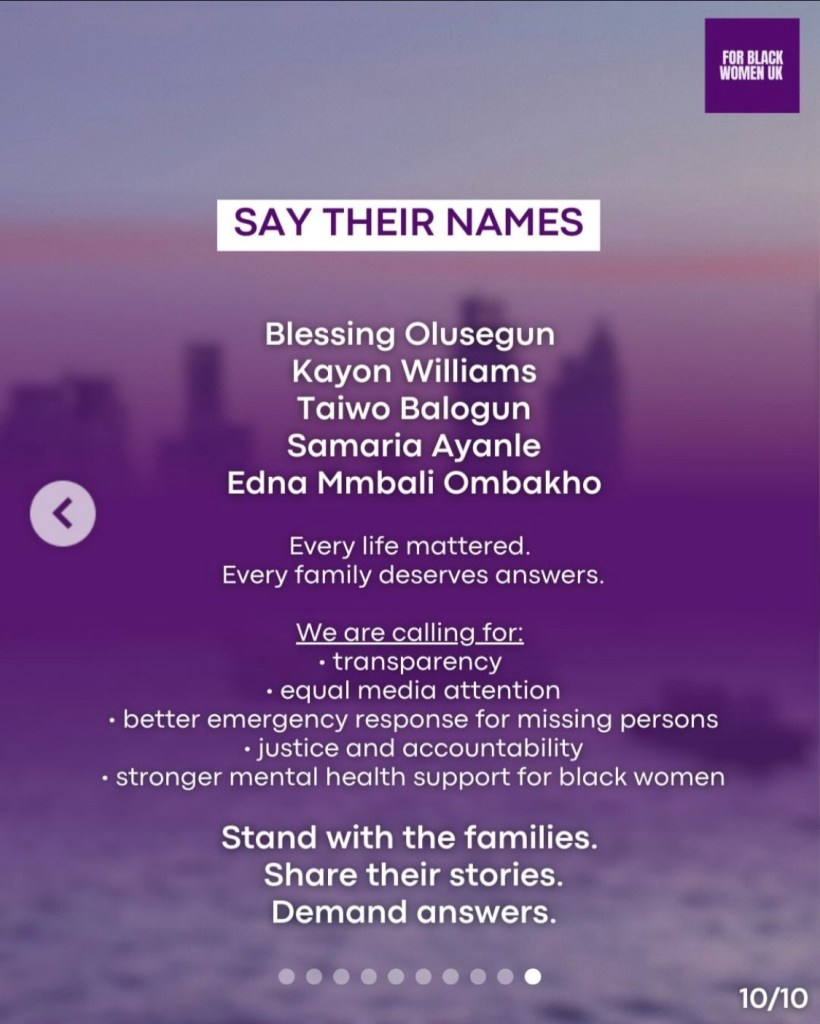
This photo essay comes from the Instagram account of For Black Women and Girls UK.
It is reproduced here to raise awareness of a troubling increase in the number of black women going missing and later found dead by/ within bodies of water.

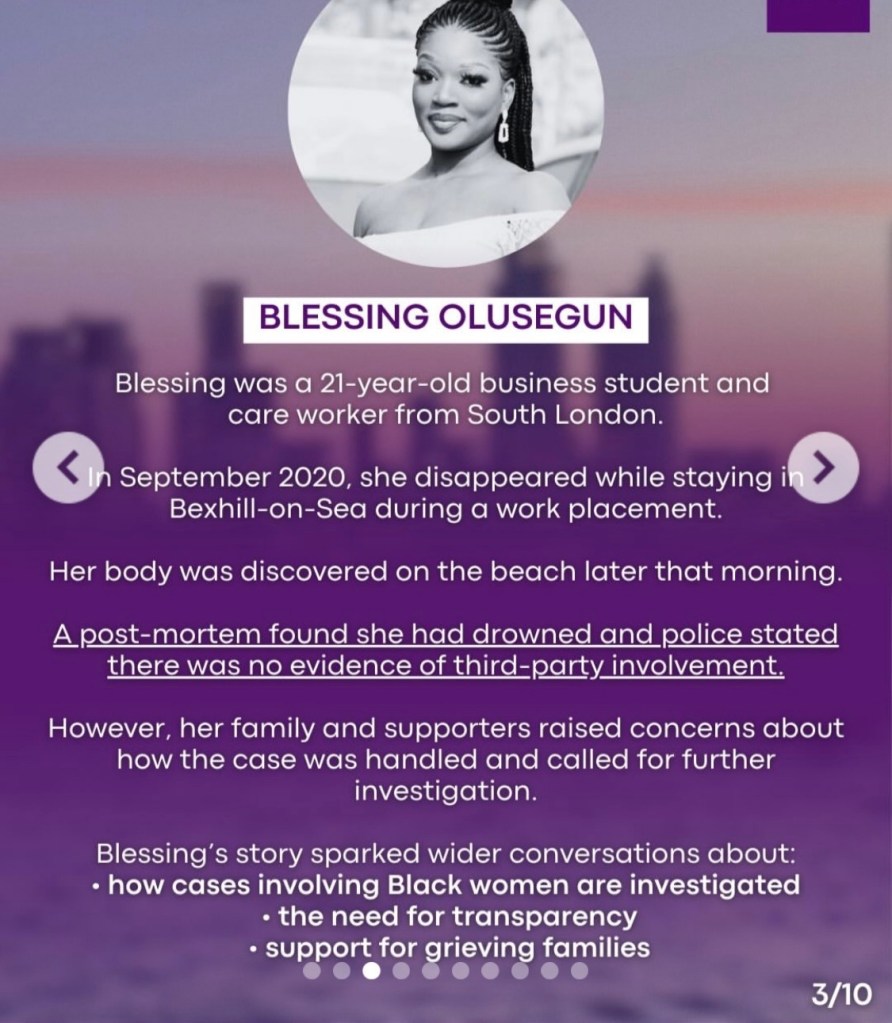
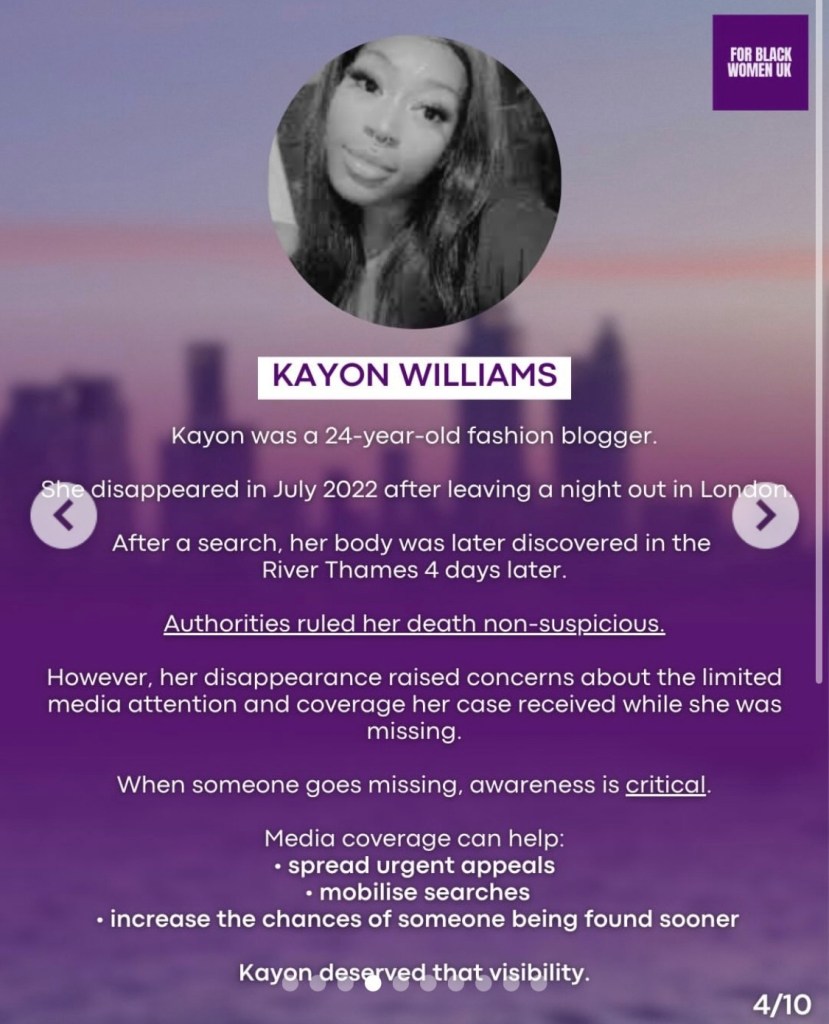
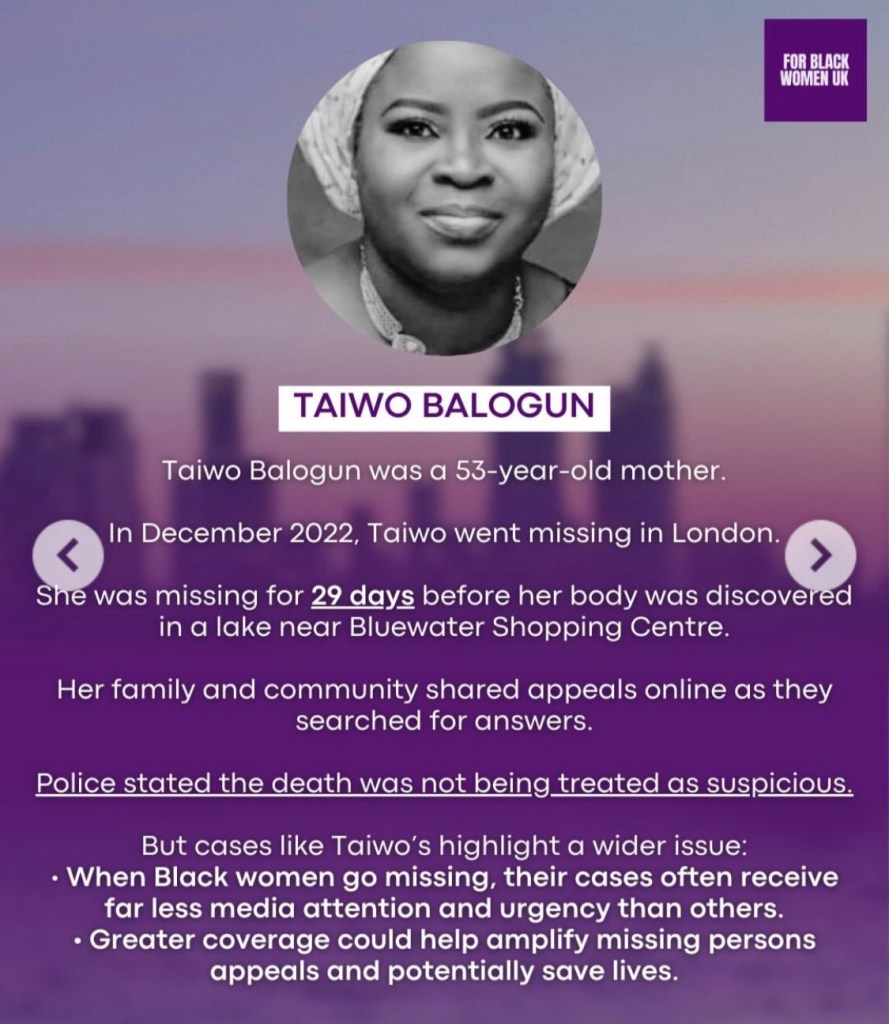
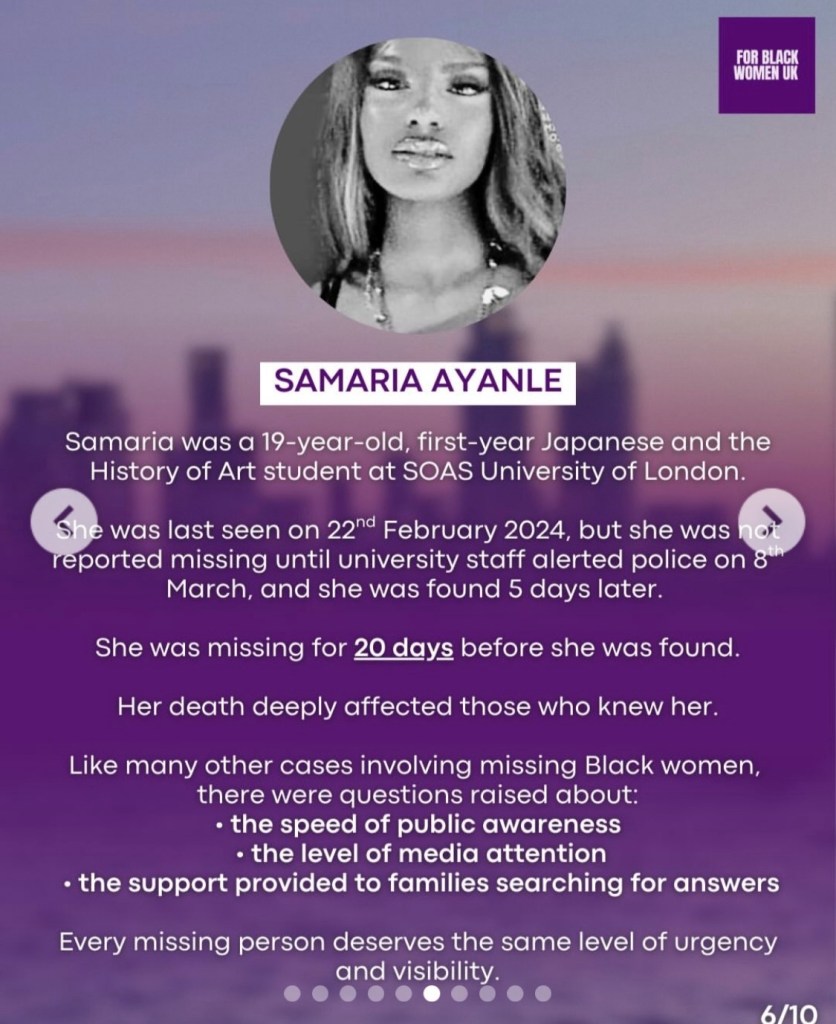
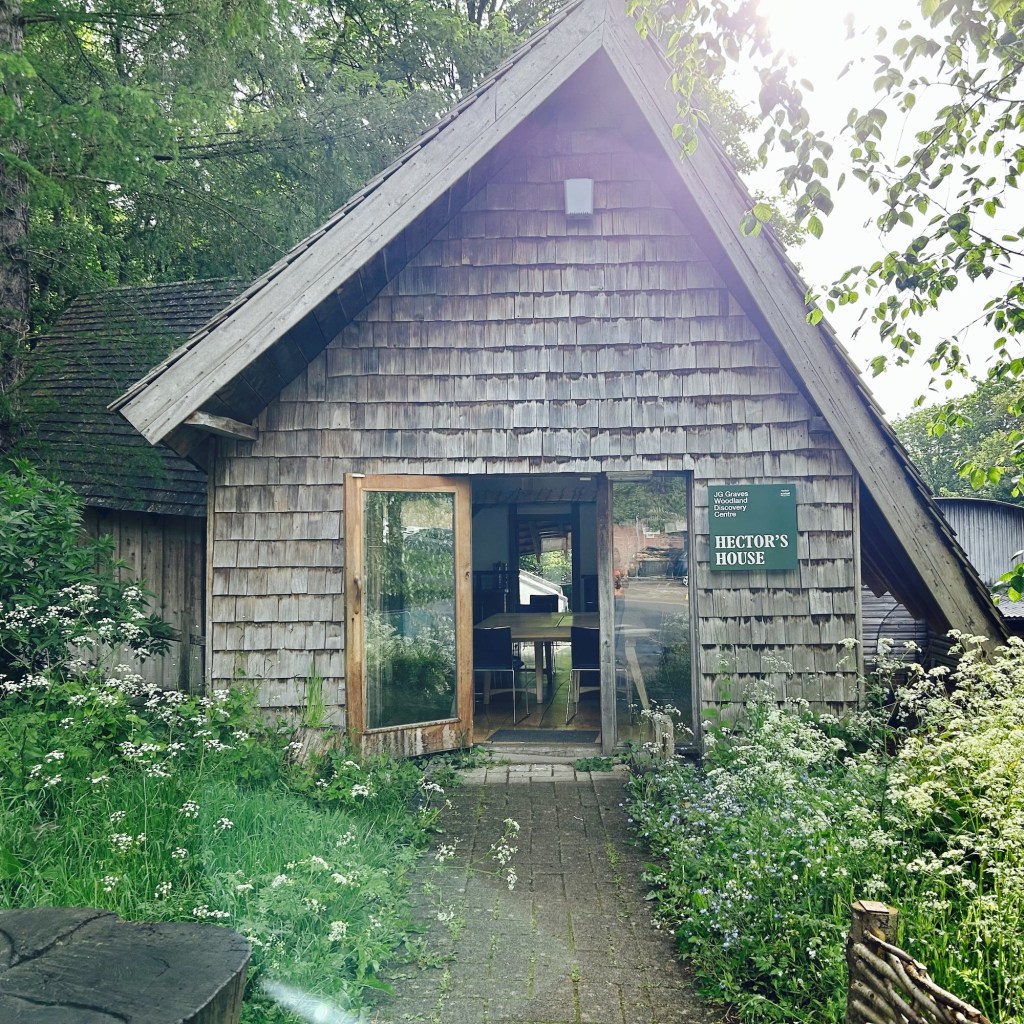
I had the pleasure of gathering with the WOC Azadi again in Sheffield today.
We gathered to share ideas around how to plot/plotting our healings, our liberation together.
Visual journaling was on hand to capture our thoughts, feelings, plans and plots.
It was such a nurturing and nourishing space in nature. It was a gathering of hope and aspirations.
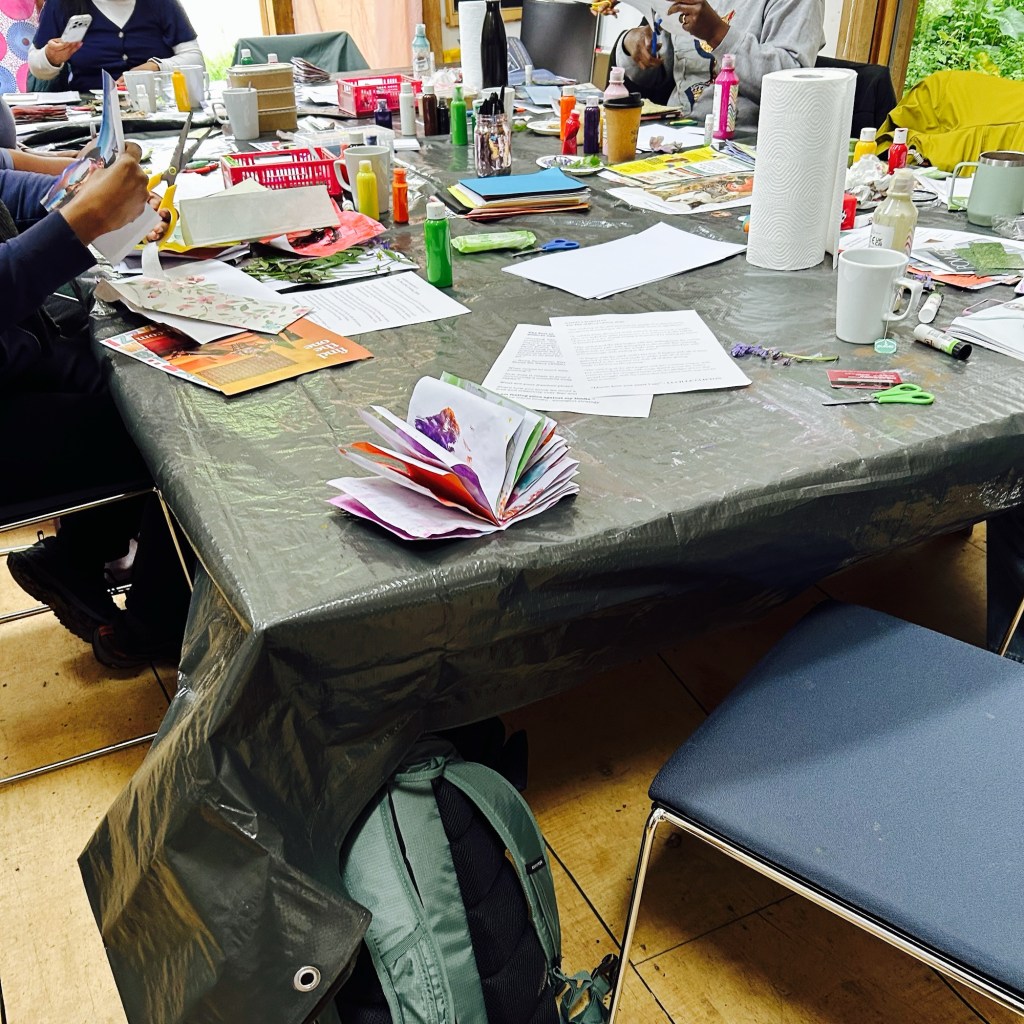
It was an honour to be part of the day retreat. Ideas for The Plot of Our Repair came about from a reading is Saidiya Hartman’s essay , The Plot of her Undoing (2020).
The plot of her undoing begins with his dominion. It begins in the fifteenth century with a papal bull, with a philosopher at his desk, pen in hand, as he sorts the world into categories of genus and species. It begins with a bill of sale, with a story in the newspaper that enumerates her crimes, with a note appended to the file: she answers questions easily, but appears stupid; it begins with a wanted poster that reduces the history of her life to a single word-condemned.
And then towards the end of this essay there is a switch. A turn to explore how we can undoing the plot of her undoing. How we can move against the forces aiming to ruin/ control/ oppress the black/brown woman.
The undoing of the plot proceeds by stealth. It is almost never recognized as anything at all and certainly never as significant.
…
It begins with the earth under her feet. It begins with all of them gathered at the river and ready to strike, with all of them assembled in the squatter city, with all of them getting ready to be free in the clearing.
The undoing of the plot begins with her runaway tongue, with her outstretched hands, with songs shared across the unfree territory and the occupied lands, with the pledges of love that propel struggle, with the vision that this bitter earth may not be what it seems.
The undoing of the plot, the plot developing towards our repair was started before us. We stand on the shoulders of our ancestors. We continue this journey, this plotting together. Today makes me feel that we have already won.
In the time it takes me to write this sentence,
my mum must have lost her capacity to breathe.
Quick and unexpected, her passing.
Here one day and then gone the next.
I’m keeping close to the bone as the wound is raw,
27 years later.
Up until now, there’s been a balance –
the years I had her with me versus the years without.
Loss constitutes a black mother’s life, but what about their daughters?
Mourning in the early morning, when the news found me,
sleepless and fearful, until this Autumn when I will have to learn
how to navigate this life beyond without.
Loss splits time into the before and after.
A rupture fires the heart, triggers
the already-always -thereness of loss,
the always-already-thereness of the ghosts
we carry with us into our many battles
and violent (work)spaces.
I go to my local probably about once a week if not more. I was brought up next to a library, in Bradford and in Newburn. They were places I could go to for some sense of freedom and adventure.
The librarians knew me and would recommend books to me and events. They wouldn’t rush me, I was welcome to stay as long as I wanted.
Today, I love to pop in to see the book sales at my local libraries. As I have a few on my doorstep now. I flit between them, collecting worn and torn books that I repurpose.
I was brought up to know it was ‘wrong’ to write in books. They were sacred in our home. Probably because we were poor and if we bought books, usually from the indoor market in town, we knew it was money we couldn’t afford to spend on books. But my parents spent it anyway, as they valued books, learning and education. It was our way out of poverty.
I wonder what they would say now, if they saw what I did to books?
10p is all I pay for big, colourful children’s books, withdrawn from library stock. I have to feel the paper first though before I buy them. Even if only 10p, too shiny the page and the paint won’t grip it as well. The paint just swirls around and doesn’t stick.
I like my pages rough and matt finished. Ready to absorb whatever I put down on it.
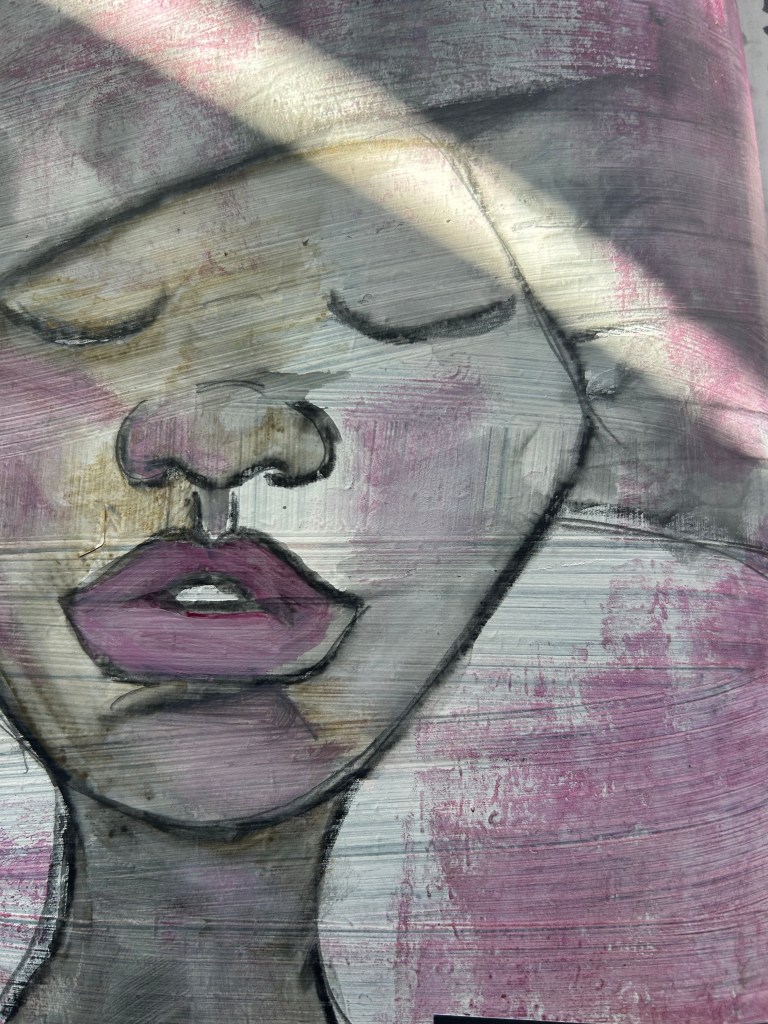
This sketchbook was my side hustle for the last month. Side hustle to my main creative sketchbook. Here I just lay down colour and see what happens.
I like when what’s underneath the paint bleeds through. I like when the different layers of paint and pencil and pen bleeds through to the surface too.
It’s like a palimpsest. The marks beneath is the feeling I’m after. The haunting, the trace, the evidence of time and the passage of time. The archive is present now.