As they become known and accepted to ourselves, our feelings, and the honest exploration of them, become sanctuaries and fortresses and spawning grounds for the most radical and daring of ideas, the house of difference so necessary to change and the conceptualization of any meaningful action. Right now, I could name at least ten ideas I would have once found intolerable or incomprehensible and frightening, except as they came after dreams and poems. This is not idle fantasy, but the true meaning of “it feels right to me.” We can train ourselves to respect our feelings, and to discipline (transpose) them into a language that matches those feelings so they can be shared. And where that language does not yet exist, it is our poetry which helps to fashion it. Poetry is not only dream or vision, it is the skeleton architecture of our lives. It lays the foundations for a future if change, a bridge across our fears of what has never been before.
Audre Lorde, ‘Poetry is not a Luxury’, on Sister Outsider: Essays and Speeches (Trumansburg, NY: The Crossing Press, 1984), 37.
I’ve always felt nervous when meeting new people. Not because I’m worried about what they’ll think of me, but because at some point in the conversation I will no doubt be asked the question, “So, where do you come from?”
When a white person asks me, this question comes with the implicit assumption that I am not ‘from here’. They might think this is a simple question to ask but it is not a simple question for me to answer.
Should I say Bradford, West Yorkshire, where I was born and brought up until the age of ten? Or the North-East Coast where I live now with co- parenting my daughter? Or even London, where I went to University and got in touch with my ‘black’ side? Or Trinidad, Ghana, Barbados, Nigeria, and Sierra Leone where my ancestral roots lie?
When I was younger in the 1970s and living in Bradford, my dad didn’t talk about Trinidad, but we knew it was the land of his birth. One of the reasons we knew this was because of the black crushed velvet scroll that hung in our front room depicting the islands of Trinidad and Tobago. We didn’t even know he had siblings until, after 25 years of no contact, he received a letter from his sister, Tantie Gladys living in the United States, which started a new relationship with ‘family’.
After my dad’s death in 1981, all the silences changed. Our mum told us the stories our dad had told her but had decided not to tell us about his land, his family, his home. We moved to Newcastle then, to be closer to mum’s family.
It was being closer to my grandparents, listening to them talking and seeing photograph after photograph, that I began to understand my heritage. My maternal great granddad, my nana’s dad, was from the Gold Coast, now Ghana. Charles Mason was billed as the first black man in Newburn, our small village.
I knew that someday I would visit my ancestral lands, Trinidad, Ghana, Barbados, on my granddad’s side, and Sierra Leone and Nigeria, a new piece of information which places my Trinidadian family as descendants of slaves.
“Where will you be buried?” asks a friend. For her the answer is simple; born in England, lives and works in England, dies in England, buried in England. But for me, it’s a tricky question because frankly, I’m not sure where I’m from. I live in Nirth-East England, but I don’t call it home; it’s my base. I wouldn’t call Bradford home, even though I still carry the Yorkshire accent around with me.
‘Home’ as a concept is problematic as it makes visible such notions as gender, diaspora, identity, culture. ‘Home’ as a term includes the sense of ‘knowing home’, what and where home is. It also encompasses that feeling of ‘being at home’ or away from home. But most importantly, ‘home’ includes that matter of ‘belonging’. There are multiple and fluid meanings of home, from private to public, from physical to imagined. The idea of home is plural, a conflicting site of belonging and becoming.
‘Confused’ is one word that should be on my passport. In 2007, I took the plunge. I approached a visual artist friend and said, “I’m going to Trinidad and Tobago. Want to come?” At the time, I wasn’t sure what I was planning. I was excited, worried, nervous and scared. When I tried to visualize myself there all I could see was the touristy, travel brochure images of the Caribbean; blue sky, blazing heat, turquoise sea, crystal white sands and swaying palm trees. All my knowledge of my heritage was based upon Westernized sources, framing the islands in a certain way.
Having completed a visit to the Caribbean, I can not really imagine what it is/was like to live there, to be born there and grow up there, as my ancestors did. I am second and third generation of immigrants, depending of which side of my family is in focus. I do not have that first hand knowledge of ‘home’, be it the Caribbean or Ghana, but I do of England. As
Avtar Brah says, ‘home’, is a mythic place of desire in the diasporic imagination. Nostalgia is a sentiment of loss and displacement. My experience of my ancestral homelands is limited. In terms of nostalgia, I have a longing for places that are far removed from my everyday but are part of my identity. I may gain an impression of these places through my travels to them or through my family members, sadly all of which are now dead, except my sister. I have that sense of loss of place and of people. I use my writing to create those lost worlds.
There is a photograph of me, in holiday gear (green and white striped top and white cargos), grinning like an idiot, clinging tightly with two hands, onto the arm of a man I’ve just met ten minutes ago in Laventille, Port of Spain, Trinidad. My smile speaks of satisfaction, joy, relief and belonging. This man is a cousin I did not know I had. This embrace is one of ownership. He is family and he is mine. He is part of my past, my present in that photograph, and my future. The past is in our futures, in our nows. I carry with me the baggage of the past into my present and future. My Laventille visit was like going to collect baggage from the left luggage department,finding and claiming baggage that I didn’t know I had lost, but is now vital to me in my task of trying to know myself better.
This feeling of belonging, this split identity/mixedness of being/feeling British, Caribbean, African without exclusive claim to any of them is something difficult to live with, to function with.
This is an updated and redrafted extract taken from my 2010 PhD thesis, ‘A Drift of Many-Hued Poppies in the Pale Wheatfield of British Publishing’ Black British Women Poets 1978 – 2008
This piece originally was published over on Medium with Binderful. I’m drawing this piece into the Living Wild Studios archives. Because I can!
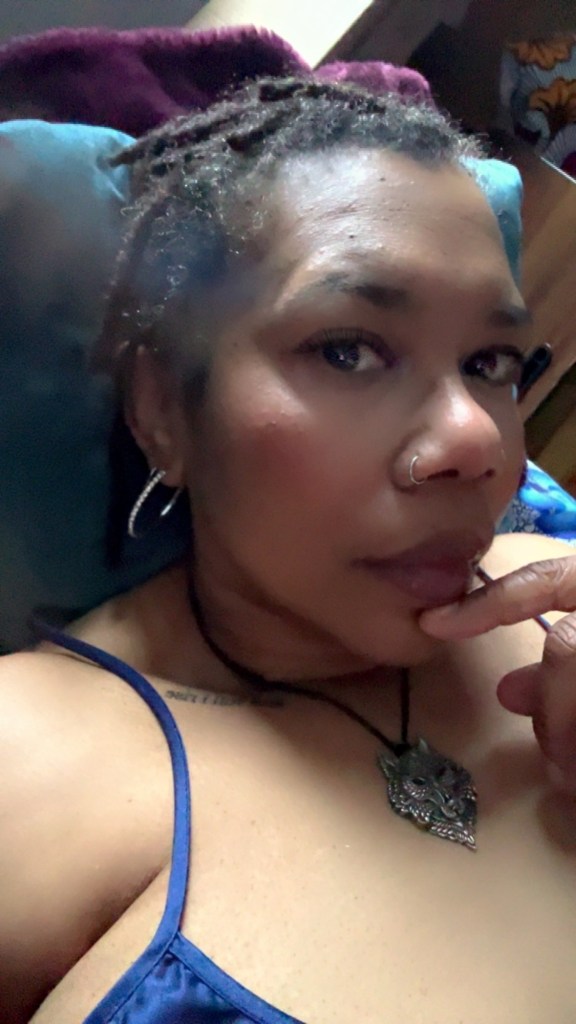
Image credit — Donovan Valdivia
“How difficult is it for one body to feel the injustice wheeled at another? Are the tensions, the recognition, the disappointments, and the failures that exploded in the riots too foreign?”
Claudia Rankin
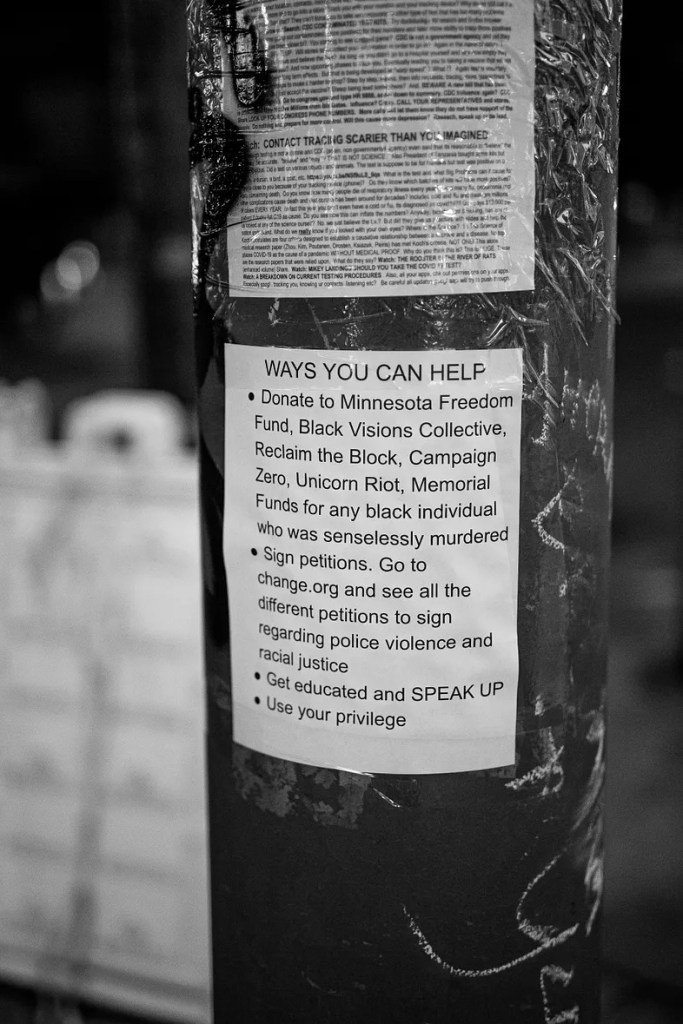
In August 2014, there’s a summer of “hands up, don’t shoot” protests, in Ferguson, Missouri, in response to the unlawful shooting of Michael Brown Jr.. In November, Darren Wilson, the white Ferguson police officer responsible for Brown’s murder isn’t indicted. In December, filled with rage and helplessness, I organise the first ‘Black Lives Matter’ protest in the North of England; a political poetry reading at our city centre library. Together artists and writers, cram into a hot room on the top floor of a building made of glass, and pour out our rage and pain through our writings. Black people’s words. Our ancestors’ words.
I’m criticised by one Black woman, in particular, because I invite white poets to read. They could only read the words of Black people as this event is centring our lives. Black lives. A white people’s presence is not what this Black woman wants. She wants a safe Black only space. I respect and understand her views. We all want a safe space for Black people. But I feel we can achieve so much more when we work together, Black and white, to solve our society’s problems. I know where she’s coming from though; a place of pain and suffering and hatred. As Black people, for so long, we have endured so much hate and violence from the hands of white people. For far too long, we have been excluded from a share in the economic wealth our ancestors paid for with their lives to create. We’re sick and tired of being excluded from the abundantly spread societal table which our ancestors give the skins off their backs to forge. And this hurts.
In March 2017, there’s a ‘Stand Up to Racism’ demonstration in London, Miss Ella, my seven year old daughter, and I dance behind the sound system truck, towards Trafalgar Square. Crowds behind metal barricades line our route, with the Metropolitan Police shepherding us along. We shout, ‘Refugees are welcome here.’ Miss Ella, dressed as her superhero, Black Widow, looks as if she’s just stepped out of a Black Panther’s meeting. With her long brown hair blowing in the wind and her peachy fist punching the air, she’s learning long before I did how to use her voice to bring about change. She carries her homemade banner stating, ‘Black Lives Matter,’ high with pride and courage. Along the way, a white woman with screwed up face screams at us to shut up and go back home to where we come from. Disallowing our protests, devaluing our presence here.
I recognise where she’s coming from; a place of her ignorance and pain and hatred. As white working class, for so long, she’s been fed the lies that Black people and immigrants come over here and take their homes and jobs. For so long, the poverty they’re experiencing is down to these Black illegal criminal and not a capitalist system rigged in favour of a few priviledged people. We’re just as sick and tired of this too. And we know it hurts.
In May 2020, there’s ‘Black Lives Matter’, protests around the world. In response to the recent killings of George Floyd, Tony McDade, Ahmaud Arbery, and Breonna Taylor, to name just a few, the streets are talking through fire and smoke. Thousands take to the streets, Black and white, to demand justice for all our Black brothers and sisters who have been and continue to be murdered by state sanctioned violence.
I’ve grateful for their voices and bodies. This time, I protest through my words and art. As the Covid-19 pandemic still poses a real threat here in my part of the world. I’m a Black, fat woman carrying yet another target on my back. While protesting, the odds of getting molested and arrested, and not surviving the experience is higher for me than any white person. Just as the odds are greater for me of dying from the Coronavirus than a white person.
Black, Asian, and ethnic minorities in the Western world are dying at a disproportionately higher rate and number than white people during this pandemic. Many explanations for this reality have been voiced with the blame thrown at the feet of Black people. That it is our unhealthy bodies and behaviours which are spreading this disease, conveniently not addressing the inherent racism and systematic inequalities that have operated for over 400 years that has brought about this dis-ease, making our weathered bodies more susceptible to this virus.
‘We rather die on our feet than keep livin’ on our knees,’ taken from the James Brown song, ‘I’m black and I’m proud’, I feel this as we see thousands of Black people (and white people) take to the streets, even though there’s a greater risk to their lives than ever before. But I recognise where’s they’re coming from. We’ve had enough. We’ve endured enough. We’re not prepared to accept Black lives being devalued anymore.
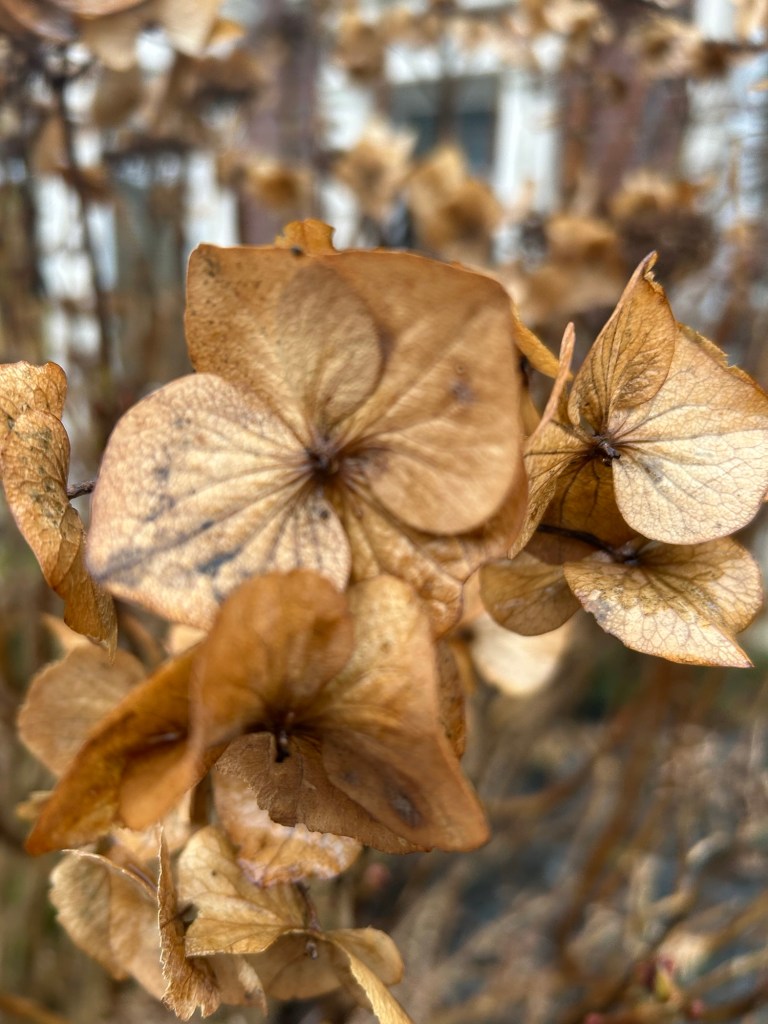
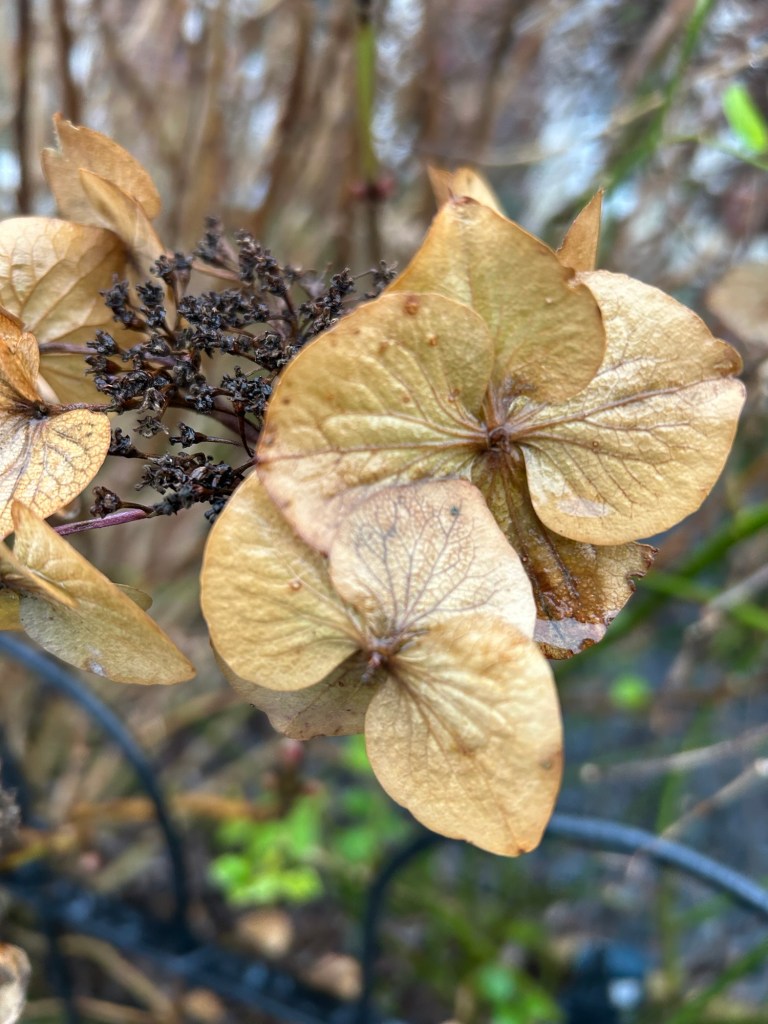
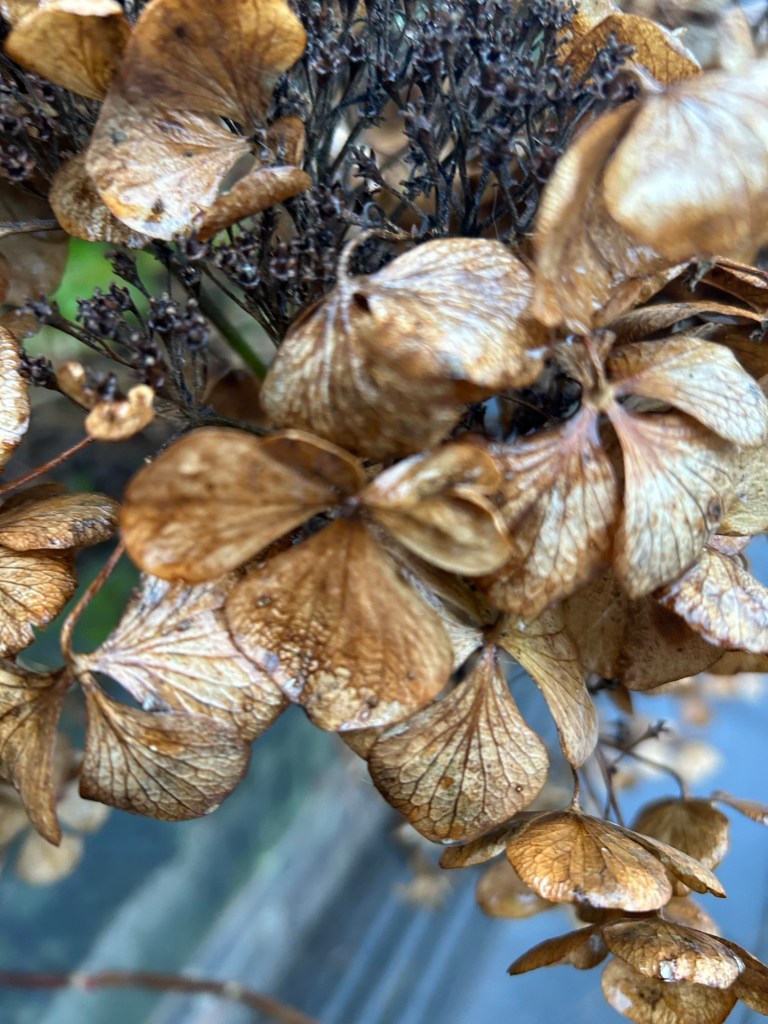
This is what I’m noticing when I move my body outside. Sharing the beauty in decay, something I used to shield myself from out of fear. But now I appreciate the natural cycle of things. From death there comes rebirth. A renaissance.
She’s called Daphe, the woman running the business training out of her Notting Hill home.
The Thames curves south from here by Chelsea, sluggish brown. The city’s awake and burning.
Have you been to see the damage yet? he asks, in our snatched conversation.
Almost gleeful in his hunger to hear details about the tower block which blazed leaving so many people missing or dead.
He says there’s photographs of the missing stuck to tree trucks, walls and railings. Black, brown and olive skinned and missing.
I don’t want to see this suffering. The ruins becoming a tourist attraction. Leave them with some dignity. Always having to endure the gaze in life and death.
I love this time of year. Autumn is my birth season and it’s when I shine. There’s that ‘back-to-school’ feeling accompanied by the change in energy and light. There’s a bubbling of anticipation as the landscape is on the turn. Transformation is possible.
I lean into the season by getting outside into nature as much as possible. Usually when the schools go back , we can enjoy a few weeks of sunshine, a late summer roll out of heat before the temperatures drop.
September is also a good month also to enjoy sea swimming as this is as warm as it’s going to get, The North Sea, after storing some of the summer’s warmth. The water can be so clear sometimes, calm and still.
This transitional season is beautiful because where there is life there is also decay and death. The late blooming flowers still have some joy to give. At the same time as the berries are bursting out of brambles and bushes. Leaves begin to turn colour, to collect in brown bundles. A time to harvest those seeds we planted in spring. A time to count our blessings and give thanks.