Reading Bone Rooms by Samuel J Redman, which starts off documenting the beginning of the frenzy to collect bones in the 1800s, especially Native American bones, as a means of establishing pseudoscientific ‘evidence’ to support the racial hierarchy, I am hit by the continued disregard/ disrespect/ lack of recognition of the humanity of black and brown bodies. History is littered by these practices one example being the transatlantic slave trade.But it would seem that history continues to repeat itself and we as a civilisation have failed to put in place safe guards against these atrocities happening again and again.
Has there no just been Holocaust Remembrance Day and the rally call always that we will not let this happen again, and yet we stand by and allow it to happen again and again within our lifetimes because we, and the establishment, pick and choose who’s life is more valuable and recognised and willing to fight/ stand up for. Usually black and brown bodies are not protected and usually there is no up roar in our blatant and deliberate destruction .
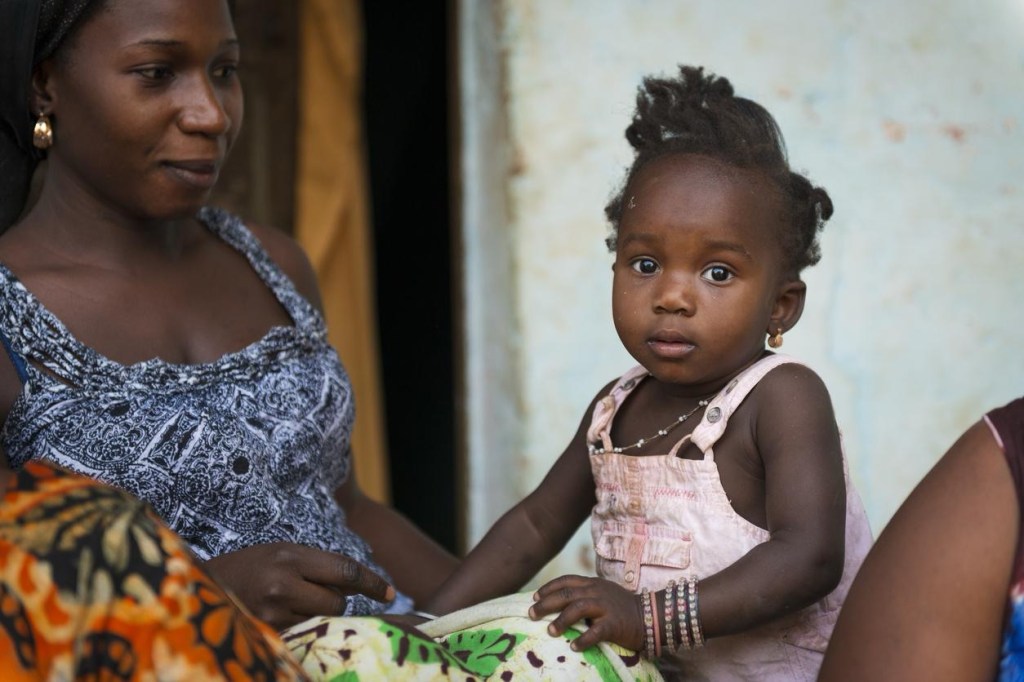
I come here today enraged and saddened as hear about the case of the USA funded , Danish scientists medical study on Guinea-Bissau newborns around the hepatitis B vaccination.
Within the UK, newborns are given the hepatitis B vaccination within 24 hours of birth as it is proven to lower the paediatric contraction of the disease. There is no cure for this disease which is life threatening. But does not pose a threat here or any of the western countries because of this preventative medicine as birth.
In December 2025, the U.S. Centers for Disease Control and Prevention (CDC) made the announcement that they were stopping their country’s hepatitis b vaccination programme for newborns as there was worry about the effectiveness and safety of such vaccinations. Bearing in mind that the programme has reduced new infections, with up to 90% effectiveness in preventing perinatal transmission when administered at birth and 98% immunity for infants, resulting in decreased liver cancer and mortality.
Why this change of policy? Robert F Kennedy, and the Trump administration.
Then just two weeks later, there is the announcement that the USA will fund Danish scientists in Guinea-Bissau to carry out the medical study on newborns around the effectiveness of the hepatitis B vaccination.
Over 14,000 babies involved where half would be given the vaccine within 24 hours of birth and the other half had the vaccine withheld until 6 weeks old.
1 in 5 people in Guinea-Bissau are infected with hepatitis B far more than USA, Denmark etc. This country is one of the poorest in the world. Why run tests on a vaccine that they know works in reduced the contamination of the disease. And why if there’s concerns about the vaccination why not carry on this study on American babies or Danish babies?
Guinea-Bissau has not asked for this study to take place. This is ‘medical’ colonialism.
The effectiveness of the vaccine has been proven so why carry out further tests that they know will endanger the lives of newborn babies? Will probably plunge the country into further poverty and disease, suffering and deaths related to hepatitis B.
This is just another example happening now of a foreign ( white) state/ power/ institution acting as if they have a god given right to exploit, extract, experiment on black/ African/ brown bodies? As if our lives do not matter as we are just disposals.
That our only value upon this earth is to further the will/ need/ wants/ lives of white people.
This sickens me. This is a policy, funded by fascists, to deliberately murder African babies. Why? Because they think they can. Because they have done so before. Because we live in a system where whiteness reigns supreme.
History does continue to repeat itself and whiteness finds new ways to justify the same harm. Or is the harm getting worse?
I’ve got a reading streak going on with kindle – not including the physical books I’ve read this year.
I’m at about 210 days and 70 books done. I surpassed my projection of 50 books on kindle.
Anyway when I get sick, I get to taking it even slower and instead of watching pap TV I turn to books to escape from my uncomfortableness and irritability.
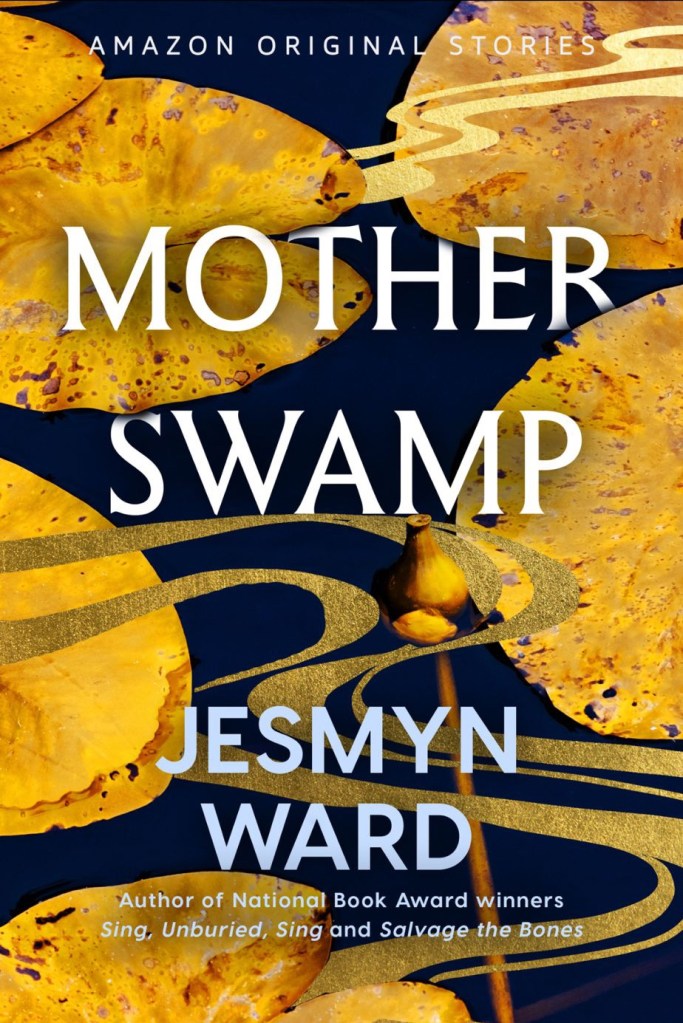
It soothes me to read a good book. And I’ve been getting into speculative fiction. I would have said I’m crime fiction and romance fiction till I die. But once I’ve come to realise, really see how both of these genres prop up the capitalist, white supremacy, patriarchal, colonialist system, I can no longer read them with joy.
I can no longer read them full stop. So to fill the void, I’ve been reading non-fiction by black authors and speculative fiction by black authors too.
If I’m gonna be buying this shit then let me buy the shit that supports my people and continues to help me get free.
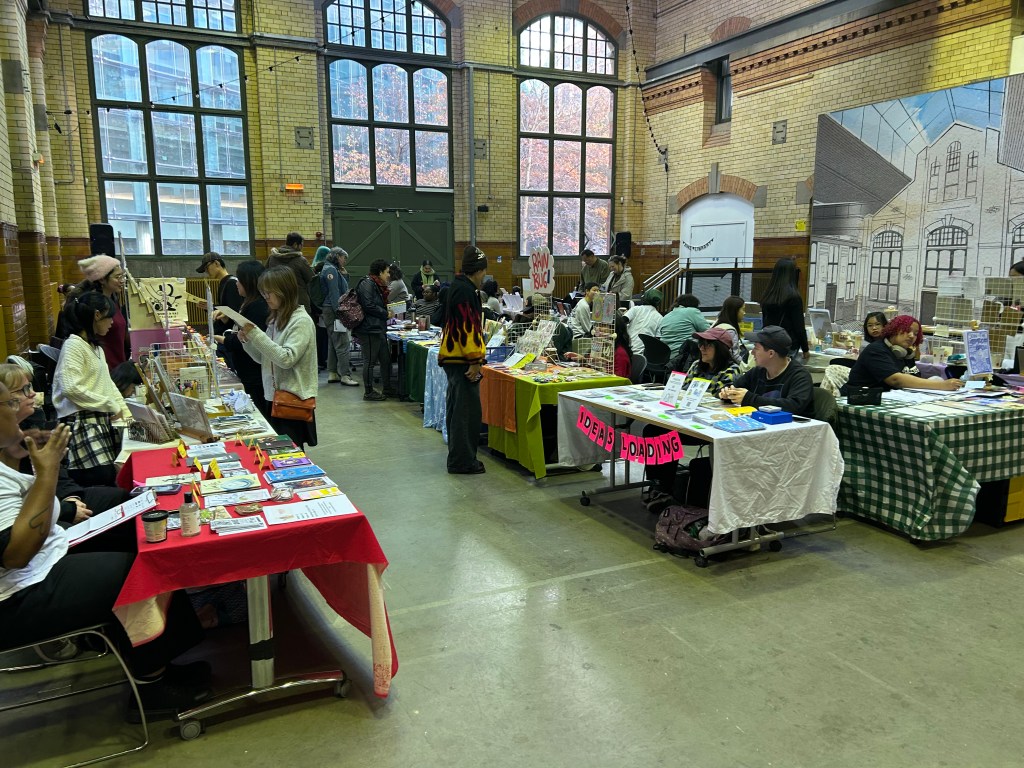
Today, Dal and I were in Manchester as the Over Here Zine Festival again. I think is out third year there together, sharing a table of our creations and laughing far too loud for such a small room in People’s Museum in Manchester.
It was good to be in a space that was created for people of the global majority to share their zines. It’s usually a safe and supportive space. And it still is in some respects. But what is worrying is that more and more white people are infiltrating our safe spaces. I know that white people come in to see and buy our creations. I can this is who we are selling to, while we swap with each other. But at the same time, I noticed white people behind the curtain, on the wrong side of the tables selling zines. But I could be wrong?
An article I read the other year, titled ‘Ontological Expansiveness’ by Chris Corces-Zimmerman, Devon Thomas, Elizabeth A. Collins and Nolan L. Cabrera, where I learnt the language I needed to call out this sense of expansionof white people into black and brown spaces where maybe the ethos and intention is exclusivity.
Ontological Expansiveness is a theoretical framework used under the umbrella of Critical Whiteness Studies (CWS) that was conceptualized by Sullivan (2006) to describe the complex and nuanced relationships that exist among race, Whiteness, and space. Sullivan (2006) argues, “As ontologically expansive, white people tend to act and think as if all spaces – whether geographical, psychical, linguistic, economic, or otherwise – are or should be available to them to move in and out as they wish” (p. 10).
I could be wrong, but how is feels to me, and how I’ve been experiencing things, is that white people think and act and move as if they have a right to be in any and all spaces. Sullivan suggests that White people tend to think of themselves as though they are the only people to exist or have worth in the world. Black and brown people just don’t come into the equation. Colonialism is the epitome of ontological expansiveness.
In this example as the zine festival, I’m talking about taking up physical space, but ontological expansiveness also applies to language and who white people claim ownership, through creating definition of what is proper English for example. What’s acceptable is the language and tone and style of whiteness, any other forms of communications are wrong. Yet that doesn’t stop white people wanting to use Ebonics or use the ‘N’ word. And then there’s the appropriate of our cultural practices .
As Sullivan (2006) states, White people frequently act as if, “The appropriate relationship is one of appropriation: taking land, people, and the fruit of others’ labor and creativity as one’s own” (p. 122). Frequently, instances of White people engaging in acts of cultural appropriation represent a fetishizing and exploitation of the language, customs, or practices of Communities of Color.
Of course white privilege is wrapped up in this but it’s not enough to say this privilege needs to be given up or shared. Before anything changes white people need to acknowledge what they are actually doing, but how are they going to do this if they are oblivious to what they are doing?
I invite white people to recognise that they will feel uncomfortable when they do enter spaces that are predominantly non-white and get used to it. As in that discomfort is the seed of change.
I’ve been seeking people, groups and organisations that I can become part of.
After a life changing anti-racism training session, which I no longer call it as such, where I realised that what I’ve been doing is really just continuing to centre whiteness and uphold white supremacy culture through this training, I feel the need to not be alone any longer in my views and activism.
I need comrades and solidarity in action.
This search for my tribe has seen me reaching out to the Revolutionary Communist Party( RCP) and the Revolutionary Communist Group – Fight Racism, Fight Imperialism, The Ella Baker School of Organising and their recent conference in London titled Defeating Narratives of Division and just yesterday, attending a meeting of the North East Anti-Racism Coalition. Let’s explore each of these experiences in turn as there has been much learning as well as clarification of where I stand in the mix.
First, my main concern around the anti-racism training I’d been doing for the last five years was that it wasn’t looking at the class system, oppression through class which is a result of capitalism. It really isn’t critical enough, or even analysing capitalism and how this is our common enemy. Through focusing on whiteness, white privilege and white supremacy culture is fails to acknowledge and really get to the roots of what and where racism came about. Race was the creation of the rich landowners afraid of the workers, both black and white, rising up and revolting. So they created the elevated status of whiteness, and the white class to bestow certain right and privileges on to the poor white workers who shipped over to the Americas for a better life form England as a means of separating them from this black workers they were so recently working side by side with. To continue to maximise profit through brutal working conditions the white working class was created, whiteness was now at the top of the hierarchy and could weld power over black workers who were once their comrades and fellow sufferers.
I realised that the common enemy is capitalism. We may have differences but we can find that common ground and come together to fight for better lives and conditions, or even destroy the whole capitalist system as then everyone, every worker would be better off. The means of production and money and gains within society would the shared out equally to all members of community. No one would be ruling over another, no bourgeois as Marxists would say.
I was looking for comrades and solidarity not allyship so I started to explore the Revolutionary Communist Party UK which split off from the Revolutionary Communist Group ( Fight Racism, Fight Imperialism) in 1978. I’ve been exploring them both really once I established the distinction between them. I’ve reached out to both, subscribed to the newspaper, Fight Racism, Fight Imperialism and bought some books. I must say it’s kind of like a labyrinth to try and get involved. The need for some connection or someone to just respond in an email what they are doing and how someone like me could get involved was needed. They want to talk to you on the phone and share what they are doing and almost interview me in terms of what I’m looking for or do or think. I’ve felt at times as if I was being tested for something.
Then I received a long essay to read. Marxism ‘v’ Identity Politics, which is what the RCP stands behind and I assume RCG ( FRFI) do also. It’s a long read but I persevered. From the beginning by back was up because they were talking about women, and women being slaves to men and being oppressed before capitalism was created. I got the feeling that when they were mentioning women they were referring to white women. But I read on. And in all honesty I cannot stand behind this document if this is what Marxist and Communists stand for.
I know within this document , it is repeated that Marxists stand against all oppressions and yet it still uses the language of the oppressor in terms of using ‘immigrants and non-whites’ and ‘oppressed minorities’ . I find its tone offensive, condescending and dismissive.
Failing to acknowledge that Third World/ Black Feminism has always been about fighting all oppressions for the betterment of all, being anti-capitalist, anti-imperialist etc. I feel where feminism is mentioned within the article it is just referring to white feminism.
I do take on board and agree to a certain degree that intersectionality and identity politics are divisive. I have tended to adopt an intersectional approach to issues now. But I have to take issue with the lack of respect and care demonstrated towards people’s difference within the piece. It almost feels as if the document is calling people who fight along identity lines against oppression as stupid or near sighted and just thinking of the individual.
There is a case for being forceful and adamant about what Marxism stands for, but I just didn’t feel the care and kindness and joy within the piece which I seek within any movement I am part of.
So I’ve left my Marxist/ Communist involvements there as they focus on the workers, as capitalism, imperialism, colonialism are the problems, we can come together and fight together on but not at the expense of love as the foundation. I felt the love and joy at the recent Defeating Narratives of Division conference in London with the Ella Baker School of Organising but I think this was coming directly from the creatives present as well as the gay and trans-people present. That’s how we want our movement to feel, joyful , respectful and loving and caring for each other. I am still waiting to hear back from the organisers of this conference in how I can get more involved.
Finally, yesterday I took a trip to Hartlepool to attend the North East Anti-Racism Coalition gathering so find out what they are all about and up to. Formed in 2024, they aim to make the North East a region that actively opposes racism and hatred based on religious identity. I was interested in finding out about their journey this far, what they stand for and what are their next steps. It was well attended, with the majority of people being white. After details about how the coalition has developed and where they see things going focusing on campaigns, membership, raising awareness and learning, we were tasked, our tables, to introduce ourselves and why we were there. I was the only black person on the table and while I said I was there to agitate, others were there to gain information to take back to their organisations, maybe not realising that they were also there to give not just take. But let’s go on.
Next was the keynote speaker, Matt Storey from Cleveland Office of the Police and Crimes Commission. He gave a powerful speech about how diversity within the region is a positive, a strength and how they are standing up against the racist riots of last summer, but he frequently referred to people of the global majority within the region as immigrants, or refugees and asylum seekers, people who had come here on boats so to speak, not once referring to the black and brown people who were born here in the UK, or the region who have been here for hundreds of years. For me this is just playing into the narrative that we do not belong here. There was talk of fighting and defending these diverse groups of people, again falling into the white savourism narrative. I am not your victim, I do not need saving, I need comrades and solidarity. We don’t need any more heroes thank you.
From here it was to get into working groups to focus on such things as membership, campaigns, learning hubs, and research. Let’s just say something about their research. It was billed as if the coalition was going to share some research. The person presenting their findings another white person came to the conclusion that more research was needed and was beyond the scope of the working group and should be taken on board by the wider/ whole coalition. The research proposed, you guess it, a survey of black and brown people in the region to share their experiences of racism. It can be done anonymously but if you give your contact details you will be put into a prize draw to win £100 in shopping vouchers. So please share with your networks as the deadline is 18 July.
Of course everything I’ve just said there about the survey is done in a sarcastic tone as I am not promoting people of the global majority in the region to complete this survey as from my point of view there is plenty of research completed which demonstrate racism exists. Maybe they want some up to date data after the riots of 2024, but still I’m sure there is research out there where they wouldn’t have to exploit or expect us to share our experiences once more or fall into this habit of having to prove it exists once again. There was no mention or indication as to what this research would be used for afterwards either.
I joined the campaign working group to see what was happening there. One question we talked about in smaller groups was how can we build better connections across difference. Things that came up was attempting to find that common ground, where there is mutuality over issues that we can come together on and work together on to bring about change for everyone. Yes I can get behind this.
But then, from the few other black and brown people who were part of this small group, I got the impression that is was a competition to share as many stories and instances of when and where they experienced racism. Of course the white people in the group were lapping this up but I felt it was again a way to prove that racism exists and is happening or has been happening within the region for generations. And this is true, but for me I am past trying to convince anyone that racism exists. For me it is a given, let’s move on. For me it’s just treading water.
And the last point, from another group’s feedback, a white woman speaking said that it would be really important for building connections to hear first hand from black and brown people about their lived experiences around racism. It helps others to understand it, she said. And I disagreed saying it just re-traumatises someone to retell their experiences of racism again and again to strangers, no doubt. A black man disagreed stating that we should be sharing, telling our stories. And I just said well from personal experience, I’d rather not be triggered and again it’s as if we are spending our energy on trying to prove it exists. That racism exists. I’d rather focus on our joy, black joy which white people do fin threatening but at least ti would demonstrate we’re not just cardboard cut outs created to experience race and racism.
After this I left. I left early because I’d had enough. I felt as if I was on different page to people who where at the event. I know it’s not an either/ or, it’s a both/and. But for me what was lacking was listening to each other. People were talking over each other, people were there to take at the same time as be heard, but there wasn’t much giving and listening.
I know I’m a lone wolf in terms of being fugitive. In terms of the way I think and operate. I listen and consolidate and try to meet a consensus but there was just not enough respect and comradeship within the room for me. It was very transactional and very little care and love and kindness.
So I’m still on the hunt for my tribe. I wanted to contribute to whatever was happening already. Contribute to the flow already happening. But as of yet I have not found this space. Maybe need to create my own that can hold all the contradictions and differences but is build on solidarity, respect, kindness, care and love.
My time of hibernation is coming to an end and there is a whole heap of resistance. It’s not as if I’ve got loads of work lined up. It’s the thought that my time will not be mine alone, to do with what I want come April and beyond.
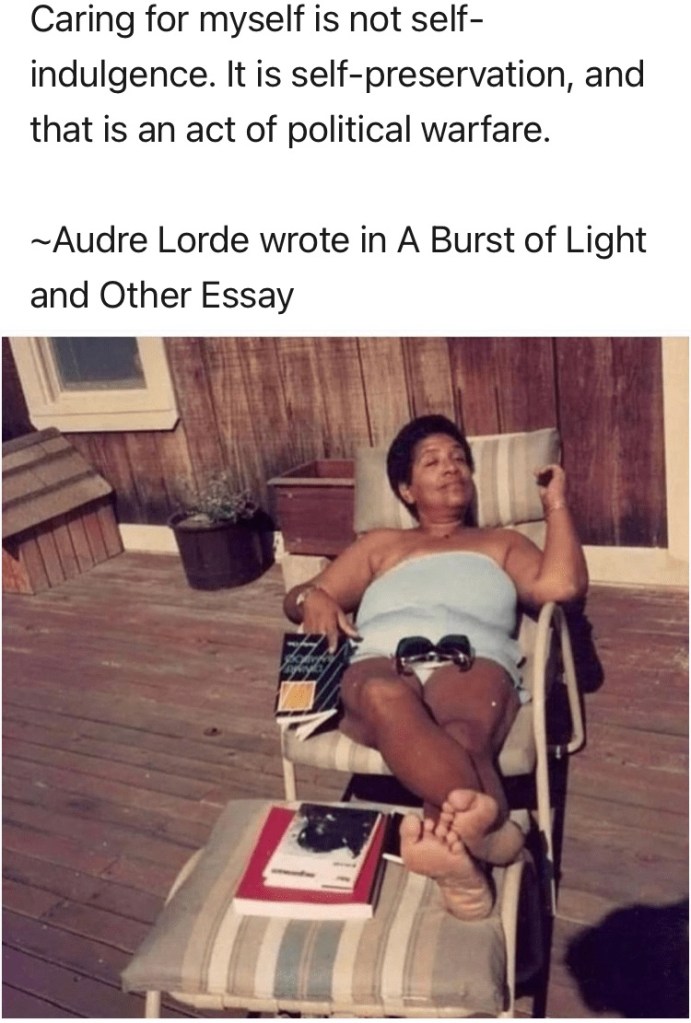
I took a major risk taking/ making the time away to rest and dream. But for me there was no other choice. I think I was a bit burnt out around the edges and I needed to pull back and heal. And I have done that but there is no end point for healing. No rubber stamping a certificate.
I continue with my morning routine and hope to continue beyond the hibernation period. And this will be where the true test lies. To continue to love on myself daily before I have to meet the world will make the difference between continuing on the healing journey or coming to a full stop. As there can be no healing and growth and self-love if I don’t protect the time to {BE}.
No amount of pampering can cure or stop that slow soul death I experienced being part of the system. Being a secondary English teachers within capitalism.
I was indoctrinated early to believe my worth was equal to how hard I worked. Even with a young son, I world get up early drop him off at nursery early to get into school extra early and be unpaid. I would work the full school day and stay late and be unpaid. And not complain. To then pick up my son late and spend very little time with him before bed and then I would work late into the night, marking and creating schemes of work and again all unpaid. And then repeat it all again for days, weeks, months and years.
“This is a Eurocentric, deeply white supremacist way of thinking and it is straight and ableist. It does not consider someone’s mental, physical, and emotional capabilities. … It does not consider offering space to dream, create, or simply partake in a longer lunch or even a nap.” Jennifer Mullan, Decolonizing Therapy.
I would do extra work, take on extra responsibilities, make sure I was seen being the ‘good’ teacher and look how good I am at handling pressure because I believed this is how I could prove that I was enough, I was good enough.
And there wasn’t just those internal pressures but there was also that external pressure that would flatter and coax and demand and make me feel that I wasn’t doing enough or that I was needed even more and only I could solve this problem or issue or be the one to stay late and sort it out.
I couldn’t rest and I shouldn’t rest and if I was feeling burnt out it was my fault. I should learn to manage my time better, eat better, do less and take care of myself. But how can you do that within a system which doesn’t allow it? That just keeps on rolling and takes you along with it through desire or force? I couldn’t afford to work less, to drop responsibilities as I needed the money to keep the roof over our heads, food on the table and clothes on our backs. Earning just enough to live from one pay check to the next. I felt trapped. I was trapped. Until I broke.
I got sick. Took time off. And stepped away. Self-care wasn’t the cure for burnout but it helped for a time as it gave me the time and space and clarity to realise that I wasn’t the problem. My burnout and breakdown wasn’t my fault. The problem was deeper than me. The root of the problem was the school, the education system, the businesses, the organisations, the media, the policies, the rules and expectations that kept me working to exhaustion, stressing about not doing enough, tired and struggling and giving more of my time and energy and heart to strangers than my own son.
“You cannot self-care or self-love your way out of systematic oppression.” Jennifer Mullan, Decolonizing Therapy.
I agree, however, I would argue that leaning more into self-care with slowing down and rest and learning to love myself through my reconnection with nature, did and continues to do so, provide the space and time and energy to question my conditioning, to agitate the ways things have always been done within capitalism, colonialism and patriarchy, to recognise the dehumanising, extractive and exploitative systems that are fixing to kill us and attempt to do something to stop it.
I continue on this path of decolonisation by starting with myself.
I wasn’t really sure what to expect about this event or what I was going to share. But on reflection now, I’m so glad that I was invited to take part because I learned so much about peatlands within the UK, around the world and the special place they hold within the global climate crisis.
So much of my language around nature and the environment has been formed through white supremacy culture which has been biased on colonialism and imperialism and capitalist consumption. And of which I am at great pains now to unlearn and find a new language or it is just a re-memory of the language of my ancestors where there is no separation between us and nature.
Something that was raised last night by Khairani Barokka, which was totally new to my knowledge and way of thinking was that within indigenous communities gender was much more fluid and diverse. The binary system of male and female/ he and she which we take as a given now, as the norm, is a construction and part of the colonist program.
That the idea of “the coloniality of gender,” which might have seen the binary gender system in Europe but was not the case for indigenous populations around the world who were brutalised, moved off the lands and eliminated through genocide. This is going to require more reading on my part but it will be completed eagerly as it’s more evidence of how this system to live and breathe is a construct of power for a few white people over the rest of us all.
The fire which burns outside is still greater, for most of us, than the one that burns within.
Burning Woman, Lucy H. Pearce
There are times when I have so much I want to say but don’t know how. Ideas come and go and those moments of connection, when something clicks and I light up. And then flounder in how to communicate it. How to express what lies within.
There are plenty of times I have something to say but doubts and fears get in the way of expressing them. I long to be more courageous and bold in my expression without fear of percussions or judgements.
I know what I think and feel goes against the grain and to express these things in public would invite the gaze, backlash and cancel culture.
For example, we’ve just had a four day bank holiday, where there were parades and street parties and celebrations for Queen Elizabeth being on the throne for 70 years. But really what is there to celebrate? For me it angers as for these 70 years, people have paid for the royal family upkeep. But more infuriating is that the Queen is a figurehead of colonialism; the subjugation and exploration of Black and brown bodies around the world for centuries. And as a Black person I’m expected to shut up, celebrate this and be grateful.
But to say these things to anyone, I’d be the one with the issue, unpatriotic with a chip on my shoulder as someone recently threw at me when I described a racist incident I’d experienced which was tried to explained away as something else.
Just how it bugs me, when the term ‘women’ is used there is a silent, hidden (white) before it. That the default setting for woman is white and anything else such as Black woman is the ‘other’. To point this out would invite the comment that I always have to play the race card, or not everything is about race? Not that when someone uses (white) woman or (white) women that they do not see me included.
A few years ago, I started reading Burning Woman by Lucy H. Pearce. I felt the rallying cry for women to take back their power. To not hide from or be scared of the fire burning within. “She who dares. She who does what they say cannot be done, must not be done. She who tries and fails. She who does it her way.”
But coming back to it today, the words jar. I identify with the burning passion and rage inside of me that I need to express and enact upon, but I don’t feel my whole being/ experience/ body is contained within this book or within the term ‘woman’. I know that if I dare and do what I want to do, succeed or fail, the repercussion as so much more dangerous, dire for me as a Black woman. Not even acknowledging this within this book, or other books I’m reading excludes my experience as well as makes me feel as if I have the problem, and not that white supremacy culture is the issue.
Reading Five Nights in Paris by John Baxter to reconnect with the place, I’m having to turn part of myself off because there are certain things he says that I could find offensive. Throw away comments about African-America jazz musicians, artist or writers who made their home in Paris are not given their proper respect/ admiration/ regard as fellow human beings. Some points I feel their talent or success is not theirs alone but down to the white people they were befriended by or associated with.
I think what these reading experiences are illustrating for me, except for stoking my internal fires, is how much my lens/ gaze/ perception has been readjusted, changed and re-educated. How I’m no longer duped by white supremacy culture and how I now see behind the veil, the workings and manipulations. I no longer accept them or toil under them in silence.
Yes I feel that fire in my belly, and I’m using it to fuel what I’m doing outside of me. I may still have some fear of being burnt by it, my passion, my voice, my expressions but my greatest fear is remaining silent about the fires burning outside of me which are denied, overlooked or dismissed. And I’m ready to challenge whoever is lighting them and keeping them burning.
Writing my mixmoir on my terms is my way of allowing free rein for all the things I need to express and share in order to not be consumed from within by my fire and rage. The writing process is taking the flames and creating something beautiful and scorching.
I’m a Black British artist. I’ve been involved in the union for artists in England. I’ve been involved in different exhibitions and events around the arts. What I know for sure is that the British art scene is elitist and exclusive.
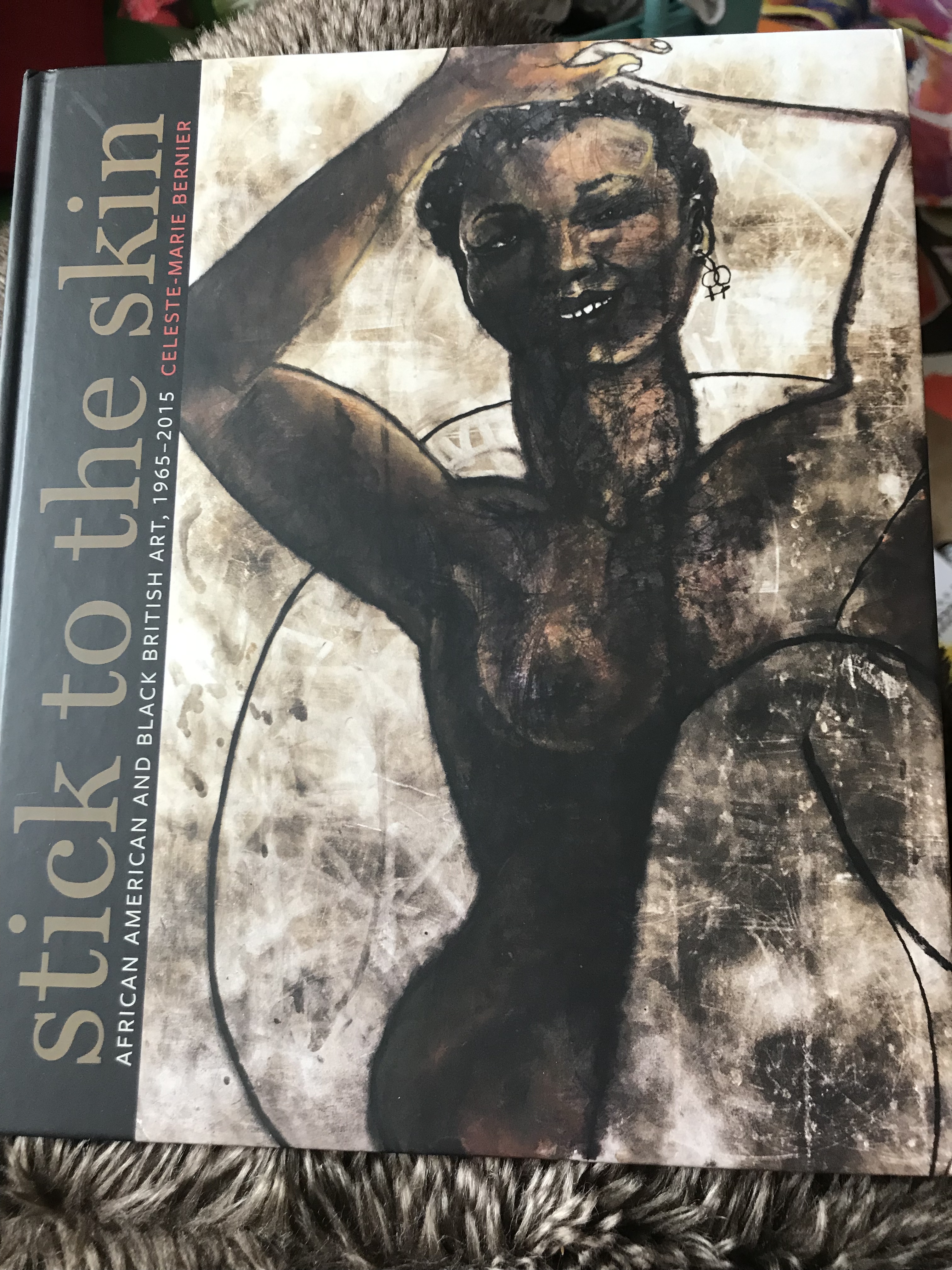
I’m actively attempting through my own practice as well as research and reading to make visible the invisible; the invisible history of Black British art. For centuries, Black artists have been visible amongst themselves/ ourselves being involved in individual and collaborative projects. But within official records and archives, the Black presence remains little and absent.
Histories and lives and stories are missing within British arts from an African diaspora perspective and I hope through my creating and agitating and archiving I’m changing the narrative.
Through a series of posts I hope to explore the Black British art tradition to bring this rich and diverse and valuable history to light and more recognition. I look forward to sharing my findings with you.



 Living Wild Studios