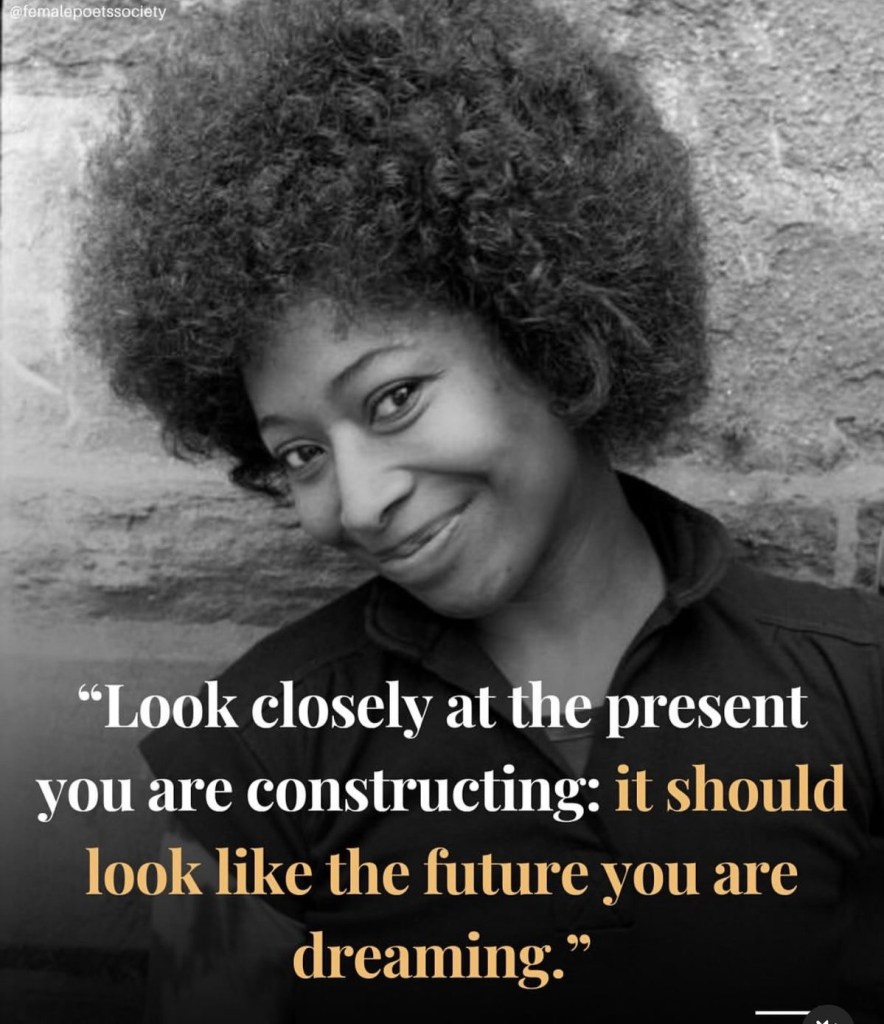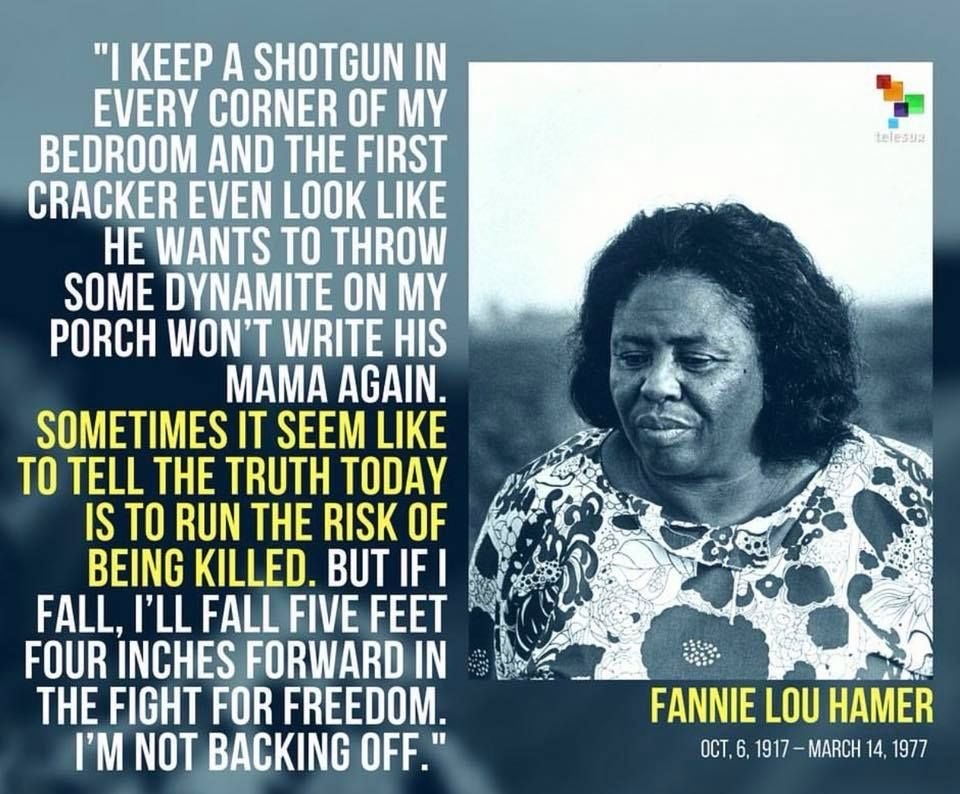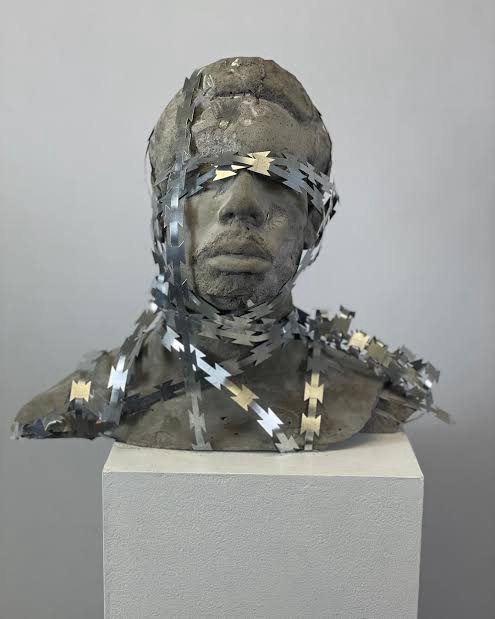
Fanny Lou Hamer came back to tell me


i’ve been spending the last week or so really diving deep into what my word for 2026 will be.
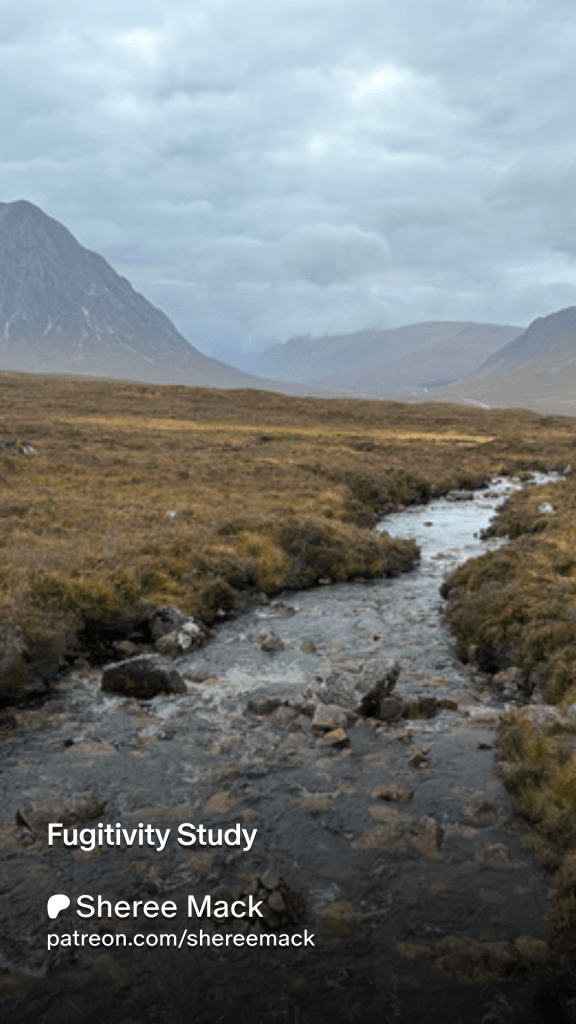
2025 was all about fugitivity, dreaming and conjuring. And this will continue into 2026. But i need some direction. Something that will encompass my purpose with room enough to expand and explore.
i learnt a few lessons in 2025 in adopting a persona/ a mask in order to protect myself / to create some safe space for myself so ‘ i may not see myself as others see me.’ Invisible Man, Ralph Ellison
i’m fixing to create ( or is it continuing to create?) new narratives around blackness in order to expunge the past dominant narratives we’ve been fed around blackness up until NOW.
i think i’ve found my word for 2026 – AFROSURREAL.

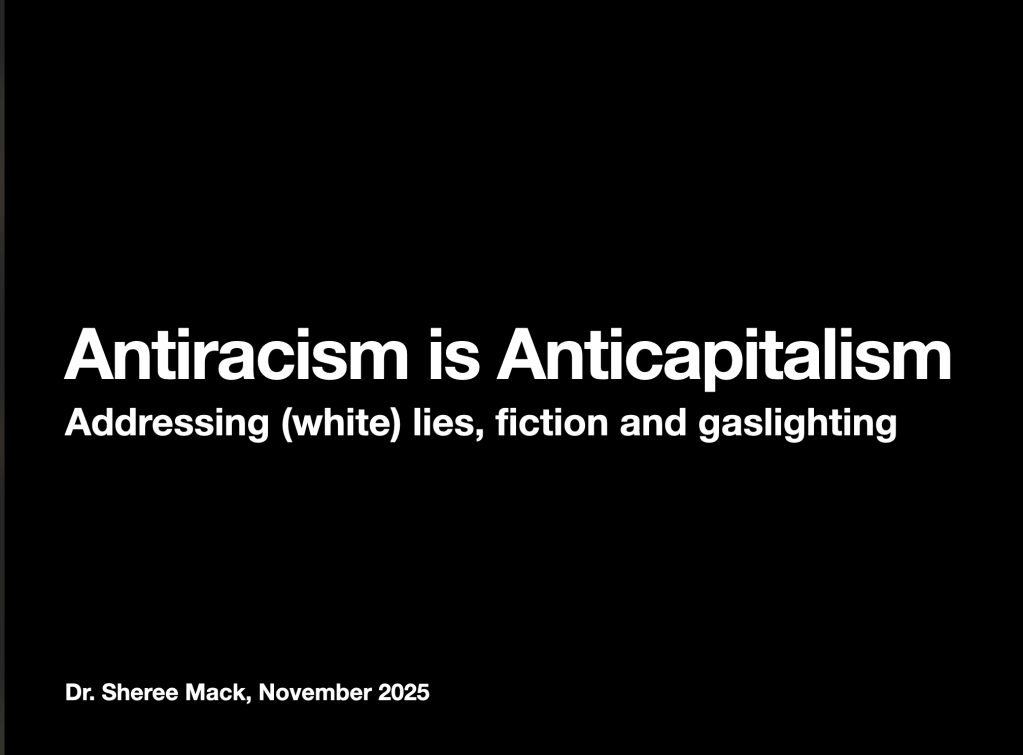
I spend so much time and energy on the work I share at Sunderland University, one or two sessions, out of their social work studies that I’ve decided the share what I create over on my Patreon in a special collection.
It’s just the power points for now. I’ll go back in at some point and share the resources as well. But I just thought it might be of some use for someone else. I’m not expert either. And my style and message has changed over the six years of doing it. I’m mighty please withy last one, November 2025, because I just centred blackness all the way. I was unapologetic and intend to stay this way.

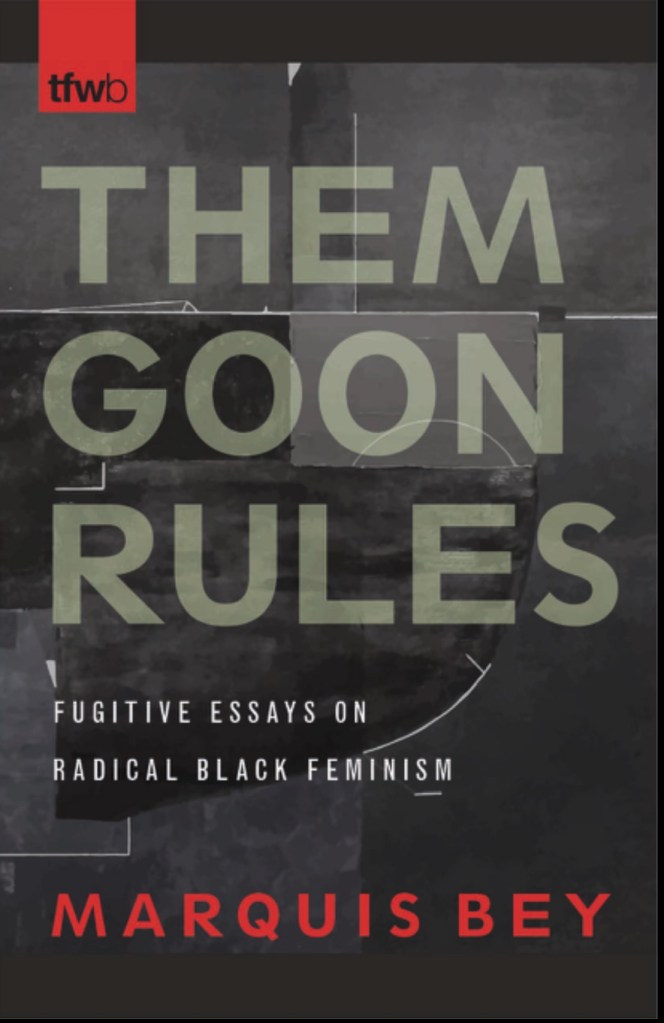
I was reminded that I had this book in my stash while listening to Marquis Bey talk on an episode of This Is Hell!, titled ‘ To steal one’s life back: On the power of fugitive Blackness’
It made me run straight to the book and start reading it with the hope it will support my fugitivity practice as well as provide some juicy quotes for the workshop I’m facilitating with WOC Azadi Collective this Sunday about my fugitivity and visual journaling practices.
It’s all sold out but you can read about it here and get in touch if you’re interested in coming along to some other sessions in 2026.
#decemeberreflections2025

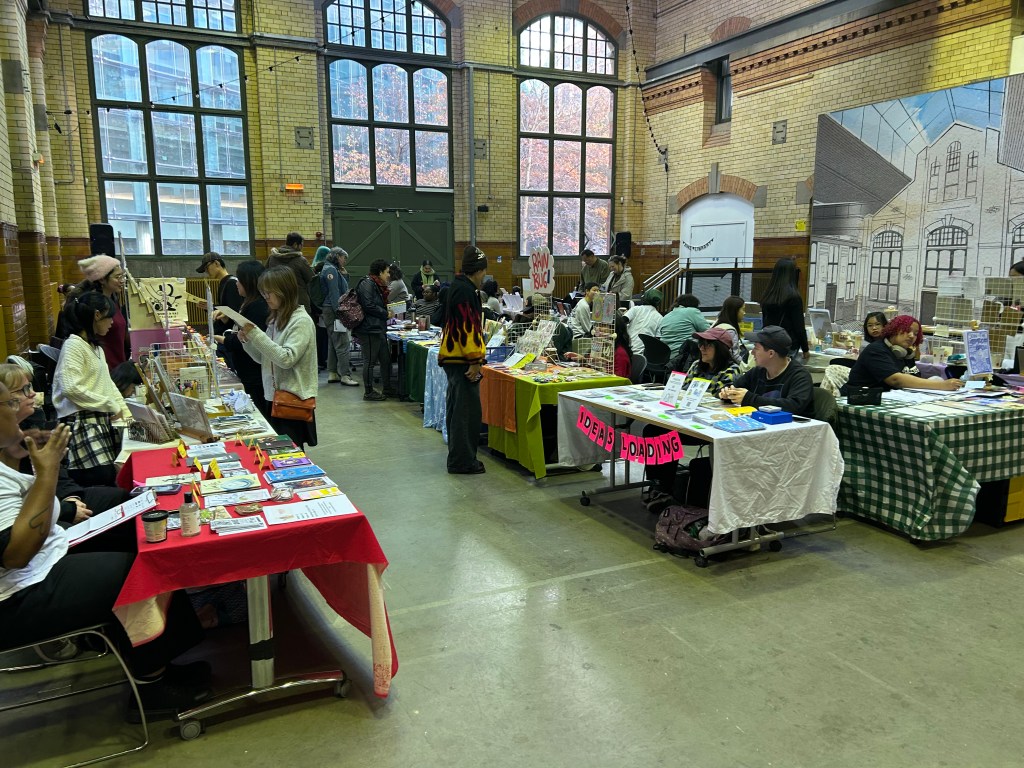
Today, Dal and I were in Manchester as the Over Here Zine Festival again. I think is out third year there together, sharing a table of our creations and laughing far too loud for such a small room in People’s Museum in Manchester.
It was good to be in a space that was created for people of the global majority to share their zines. It’s usually a safe and supportive space. And it still is in some respects. But what is worrying is that more and more white people are infiltrating our safe spaces. I know that white people come in to see and buy our creations. I can this is who we are selling to, while we swap with each other. But at the same time, I noticed white people behind the curtain, on the wrong side of the tables selling zines. But I could be wrong?
An article I read the other year, titled ‘Ontological Expansiveness’ by Chris Corces-Zimmerman, Devon Thomas, Elizabeth A. Collins and Nolan L. Cabrera, where I learnt the language I needed to call out this sense of expansionof white people into black and brown spaces where maybe the ethos and intention is exclusivity.
Ontological Expansiveness is a theoretical framework used under the umbrella of Critical Whiteness Studies (CWS) that was conceptualized by Sullivan (2006) to describe the complex and nuanced relationships that exist among race, Whiteness, and space. Sullivan (2006) argues, “As ontologically expansive, white people tend to act and think as if all spaces – whether geographical, psychical, linguistic, economic, or otherwise – are or should be available to them to move in and out as they wish” (p. 10).
Corces-Zimmerman, Chris & Thomas, Devon & Collins, Elizabeth. (2021). Ontological Expansiveness. 10.1163/9789004444836_058.
I could be wrong, but how is feels to me, and how I’ve been experiencing things, is that white people think and act and move as if they have a right to be in any and all spaces. Sullivan suggests that White people tend to think of themselves as though they are the only people to exist or have worth in the world. Black and brown people just don’t come into the equation. Colonialism is the epitome of ontological expansiveness.
In this example as the zine festival, I’m talking about taking up physical space, but ontological expansiveness also applies to language and who white people claim ownership, through creating definition of what is proper English for example. What’s acceptable is the language and tone and style of whiteness, any other forms of communications are wrong. Yet that doesn’t stop white people wanting to use Ebonics or use the ‘N’ word. And then there’s the appropriate of our cultural practices .
As Sullivan (2006) states, White people frequently act as if, “The appropriate relationship is one of appropriation: taking land, people, and the fruit of others’ labor and creativity as one’s own” (p. 122). Frequently, instances of White people engaging in acts of cultural appropriation represent a fetishizing and exploitation of the language, customs, or practices
Corces-Zimmerman, Chris & Thomas, Devon & Collins, Elizabeth. (2021). Ontological Expansiveness. 10.1163/9789004444836_058.
of Communities of Color.
Of course white privilege is wrapped up in this but it’s not enough to say this privilege needs to be given up or shared. Before anything changes white people need to acknowledge what they are actually doing, but how are they going to do this if they are oblivious to what they are doing?
I invite white people to recognise that they will feel uncomfortable when they do enter spaces that are predominantly non-white and get used to it. As in that discomfort is the seed of change.

I love me a good crime novel. Or even a romance. I’ve loved them from time. I’ve used them as escape, distraction, research even as I’ve always harboured desires to write them. I’ve been on a reading spree this autumn and these genres of fiction have been my go to. Devouring them in a matter of days.
Now I see how I’ve been checking out. I’m not dissing the genres, the writing, the individual books. But I am dissing their intention. Yes they’re for escape but they are also there along with consumerism and mainstream media to numb us. To help us stay muddled in thought and actions, propping up the racial capitalist system.
I’m taking back my time and attention and I’m starting my personal study curriculum.
Continued over on Patreon, check it out


I’ve just sent out this month’s Studio Notes from Substack. It’s me rambling on about beauty but you might be interested in what I have to say. Head on over there an take a look. And if you want to start receiving these notes into your inbox each month, just subscribe. It’s free.

“We are not the idea of us, not even the idea that we hold of us. We are us, multiple and varied, becoming. The heterogeneity of us. Blackness in a Black world is everything, which means that it gets to be freed from being any one thing. We are ordinary beauty, Black people, and beauty must be allowed to do its beautiful work.” Kevin Quashie describes in Black Aliveness, or, A Black Poetics of Being.