I am no one’s site of excavation.
-Austin Channing Brown, Full of Myself
More to follow …
I am no one’s site of excavation.
-Austin Channing Brown, Full of Myself
More to follow …
I’ve missed a few days here.
I don’t know if I expressed it openly but I’ve been trying to post every day here in honour of a practice from years ago of being creative every day.
This last week, home alone and probably depressed, I’ve been beating myself up for not doing more. More out in society as well as within my own practice. I’ve been on a rollercoaster of emotions and I’ve not been kind towards myself.
Coming out the other end though I can see that I’ve been doing what I’ve needed. Rest yes but also quiet, small magic.
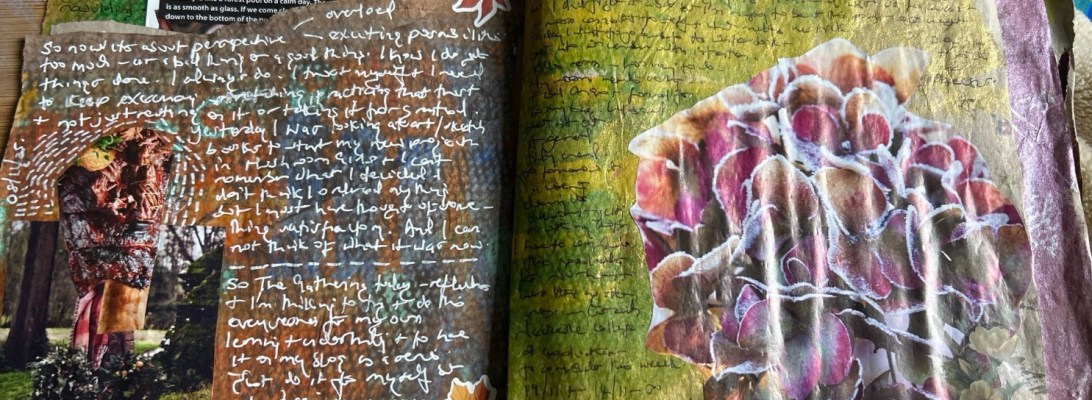
I’ve been collecting brown paper from packages. I thought I’d use them within the creative retreats I facilitated this year but it didn’t happen. So I have a very large pile and what I love about the brown paper apart from the sound and texture is the un/uniformativity of it.
These papers are teared to fuck. Fragile and worn and rough. And I love feeling them. So this week, I might not have been posting here but my sitting room became a factory conveyer belt as brown paper got the credit card treatment of smeared paints. Acrylic paints that I’m using up that I love the mixtures of, that gets under my nails and onto the carpet. And I love it. One side wait to dry and then the next and then let’s fold and put these single sheets together to make a whole
This practice has made me whole again this week. I’ve been writing within this new journal this past couple of days and I feel so good to be doing so. Better.
I’m grateful to wake up each morning and {BE}. I’m grateful that I’m no longer chasing recognition and the big bucks. I’m grateful that I don’t give a fuck about being perfect and always having to smile.
I’m grateful for the community I have around me. Cultivated over years. They care for me and I care for them.
I’m grateful to myself for never giving up on me and for always having my back even when it feels I’m falling apart. Falling apart but big hands to put me back together again, but better.
sometimes I fantasise about disappearing. not death.
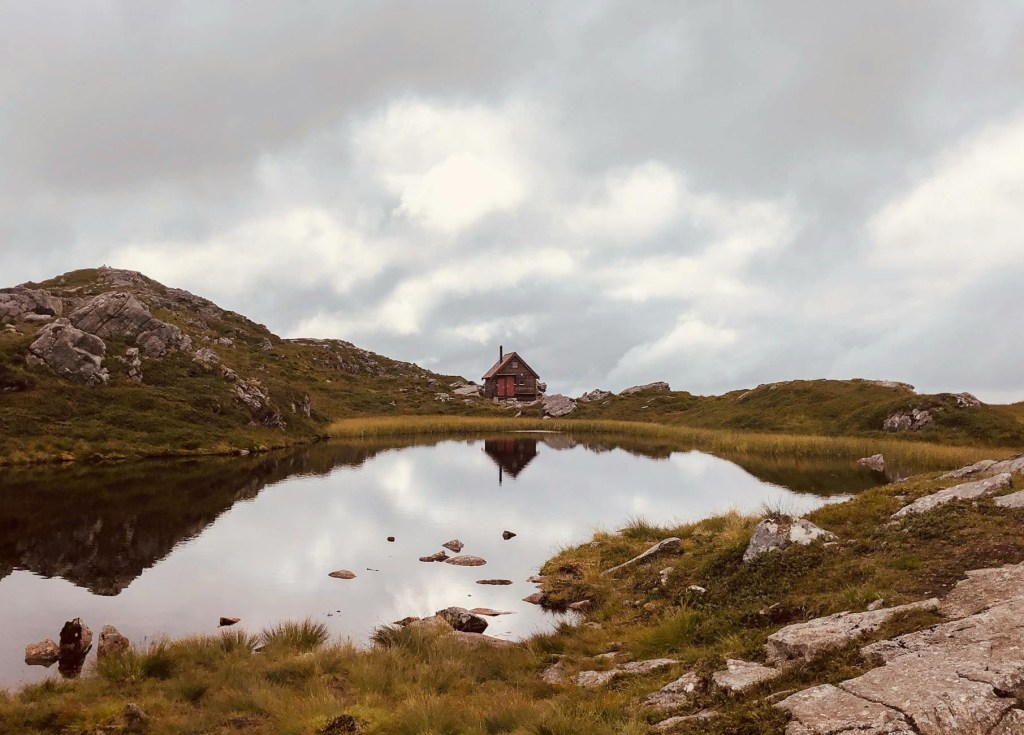
just checking out. take to my cosy cottage in the shadow of a mountain.
grow pumpkins and squash. swim in a lochan daily.
write that novel. for me. not caring if anyone reads it.
i’m {BEING} on my own time.
slipping under a liminal moon. free.
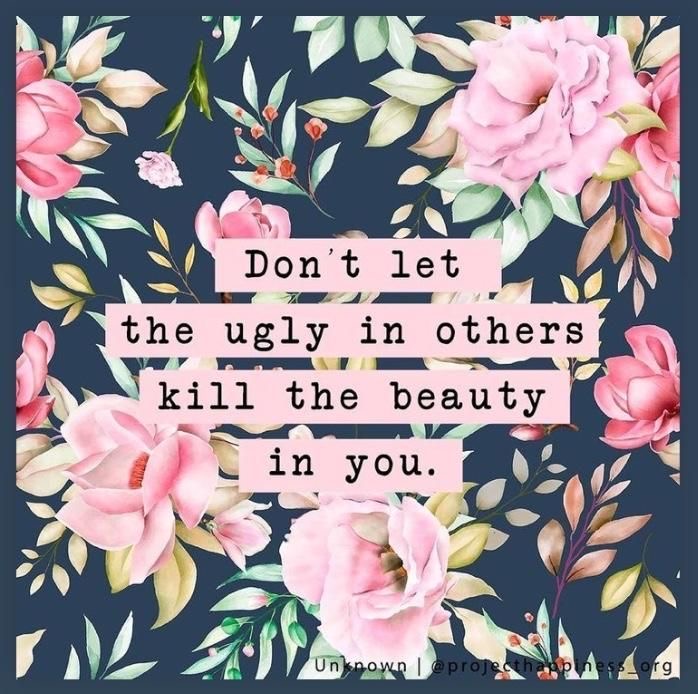
when the world is burning, what can we do? we can make fucking art. that’s what we can do!
“You can’t help it. An artist’s duty, as far as I’m concerned, is to reflect the times.”
― Nina Simone
sometimes i feel so small and insignificant. and what can i do that would make a difference? the world is burning. people are being exterminated. genocide over and over around the world, not just Gaza. Sudan, Yemen, Syria, Democratic Republic of Congo. genocide is history repeating itself. just in the last few days, a landmark Aboriginal-led inquiry has found that british colonists committed genocide against australia’s Indigenous population in victoria in the 1830s. why has it taken so long for this to be vindicated when the people themselves know when they have been dehumanised and persecuted? nations/ governments commit genocide because they think they can get away with it. no one seems to hold them to account.
what can I do when, as an artist, when the world has gone to shit? make art. that’s what i can do and that’s what were supposed to do.
it’s out duty to reflect the times. but the world is making it really hard for us not to do this. the world is working really hard to silence us. to suppress us. to keep us operating on fear and to box us in. all these social media platforms are owned by oligarchs who own and control us. we are discouraged from telling the truth. and when we tell the truth is is filtered, distorted and manipulated.
and yet. i remember. we need art. people need art. art helps use process our feelings and emotions. through art we can learn, heal and feel. art helps us to be in touch with ourselves and each other. art connects. art helps us reflect.
art gives me the words or the language for the things i didn’t know i needed to express to process to reflect to share. here in my little space on tin-ternet, i’m not bought or controlled. i’m not silenced or afraid. i embrace my duty as an artist to make art by any means necessary.
i hope you will join me in creating and reflecting the times. let’s not sit in our fears but connect in our strengths.

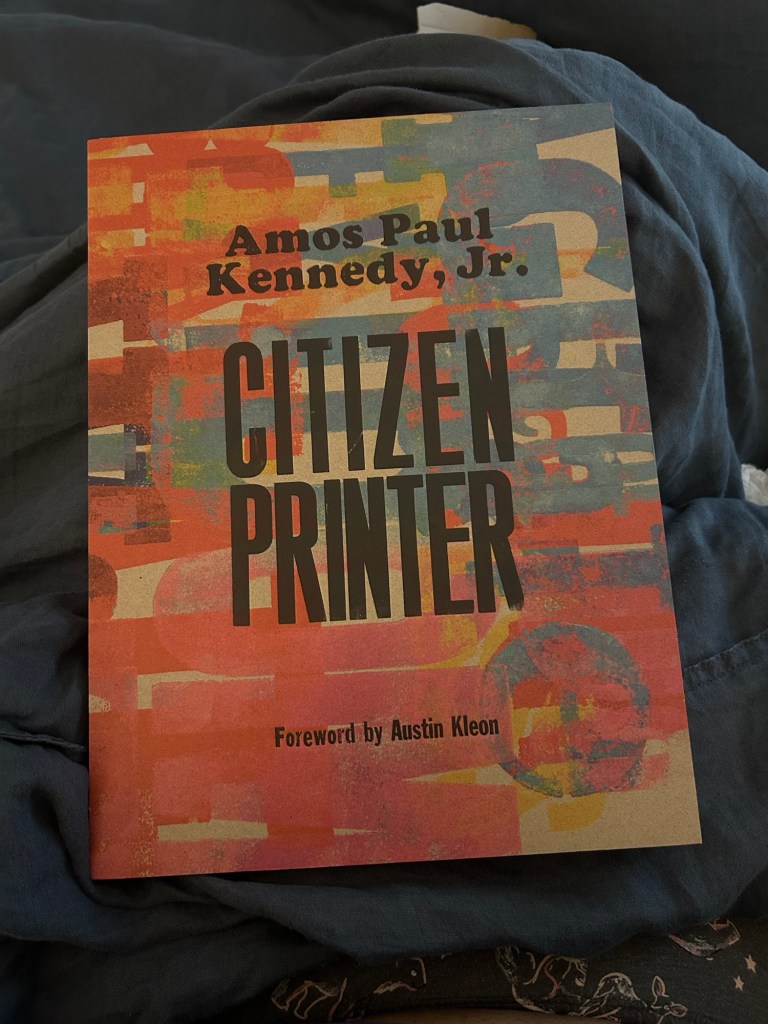

joy joy happy happy joy. LUSH!