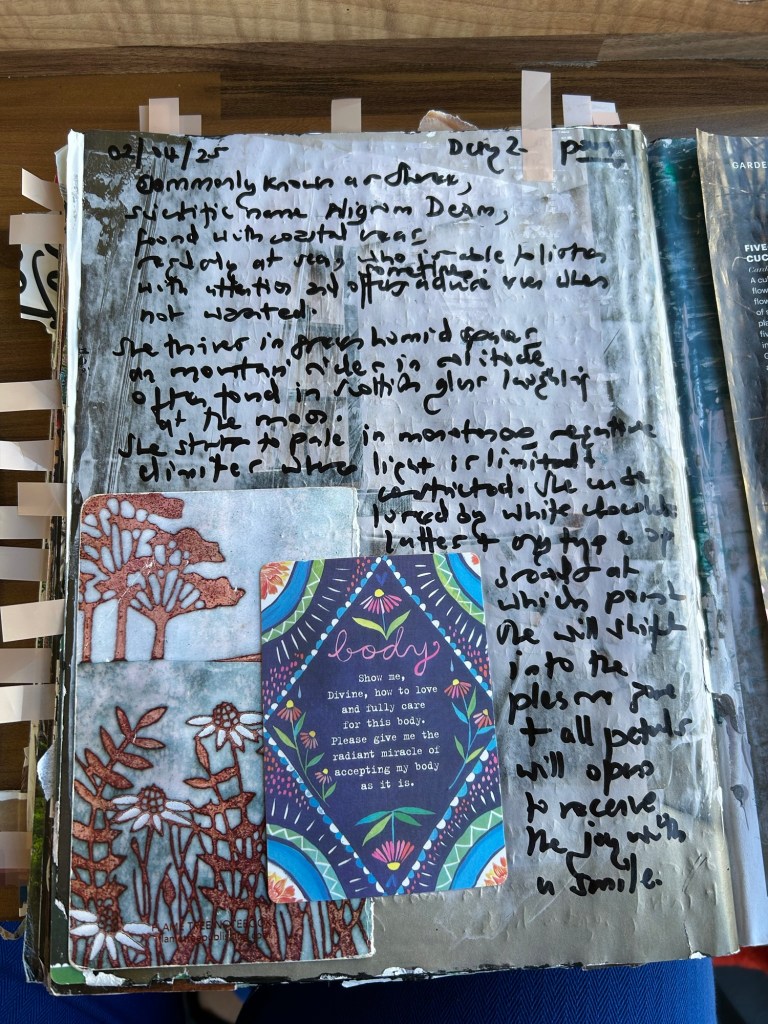
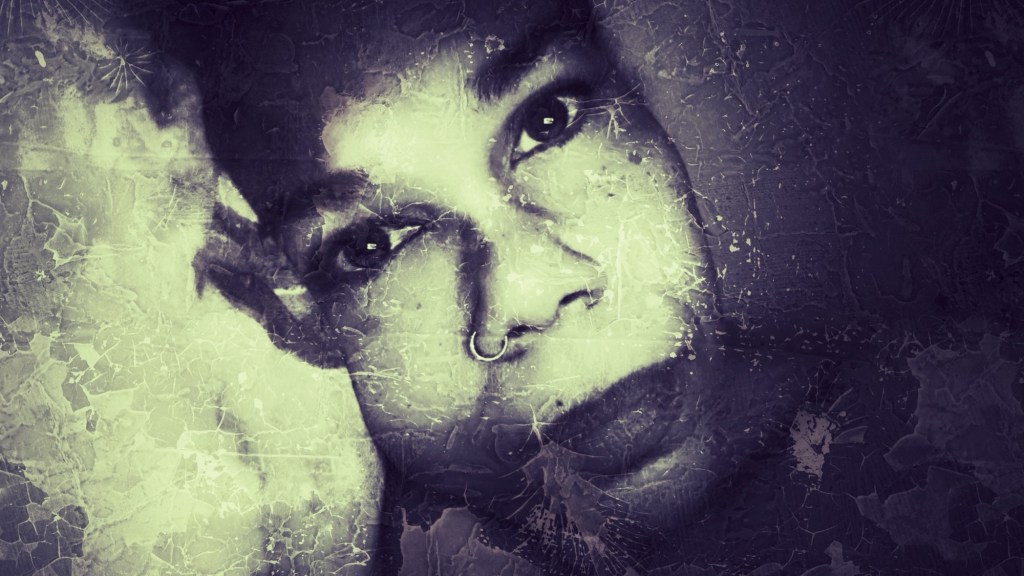
Commonly known as Sheree, with the scientific name being Nigtum Deam, found mostly within coastal areas, regularly at sea.
She is able to listen with attention and sometimes offers unwarranted advise. Her heart is in the right place.
She thrives in green humid spaces, on mountain sides in solitude, often retreating to Scottish glens to laugh at the moon.
She starts to pale and fade in monotonous, negative climates where light is limited and restricted.
She can be lured by white chocolate lattes and any variety of breads. At which point, she will shift into the pleasure zone, all petals opening to receive joys with a smile.
after Adam Zagajewski, translated by Clare Cavanagh
Try to praise this chaotic world, as the first of April dawns fresh, with welcome light, and slight breeze of delight. The blossom is waiting to bloom as the fruit trees inch towards the sky. You must praise this chaotic world. You must keep hope when things go awry while those few, usually white and male, act like stewards for all humankind, communities they have very little contact with let alone care about. You should praise the chaotic world. Remember you are not alone, within you are generations of people who have been here before. Who did not moan or falter but protested. They survived so we could thrive in companionship with the trees, seas, hummingbirds and ferns. Praise the chaotic world and the chance to emerge as Spring light has returned after when we think that all was lost.
It really wasn’t on my radar. But I must have signed up for a co-writing salon with Lemon Grove Writers. And you know how it is, afterwards they send you they send you other emails, sharing the stuff to buy into. Well one such email was sharing that the Lemon Grove Writerswere offering a free 30 day poetry prompt email send out for the month of April to coincide with National Poetry Month in the States. As you know I’ve tried a number of years to write a poem a day in April, some years more successful than others.
It’s free, what did I have to lose? So expect to find a poem a day here for the month of April as I try to create something to the given prompt. I begin today with the weather. If you want to receive these poetry prompts in your inbox, just sign up here. Happy writing.
I’m practicing how to show up in spaces, alone and with others, in fullness.
I’ve used wholeness before. Striving to get back to that sense of being whole, as we enter as already into this world. And then for the rest of our lives society and culture pull us away from our wholeness. When we realise, usually when much older and not giving a fuck, we spend our time and energy attempting to get back to that wholeness. This is a practice too, but to be whole sounds final and also out of reach.
Fullness. While fullness seems something that can be embraced now. In the present, moment to moment. Fullness for me gives the middle finger to those who have criticised me by saying I’m too much. Too Black. Too fat. Too loud. Too enthusiastic. Too Alive. Too much.
Fullness is me embracing my too-muchness and giving off that ‘don’t care less’ energy.
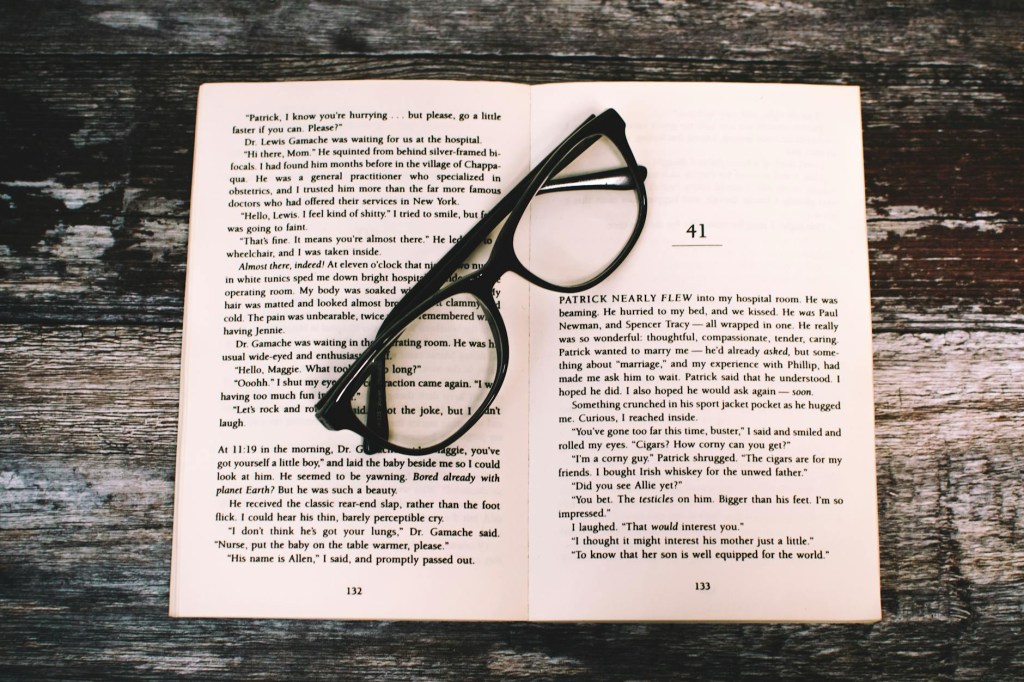
A book is much more faithful than a lover I think.
A book can open you up to so many different experiences at the same time as reaffirming everything you’ve been feeling and thinking and struggling with.
I’m not sure a lover can do all that for me. But many more than one lover could?
Hence spending copious amounts of time in bed with books.
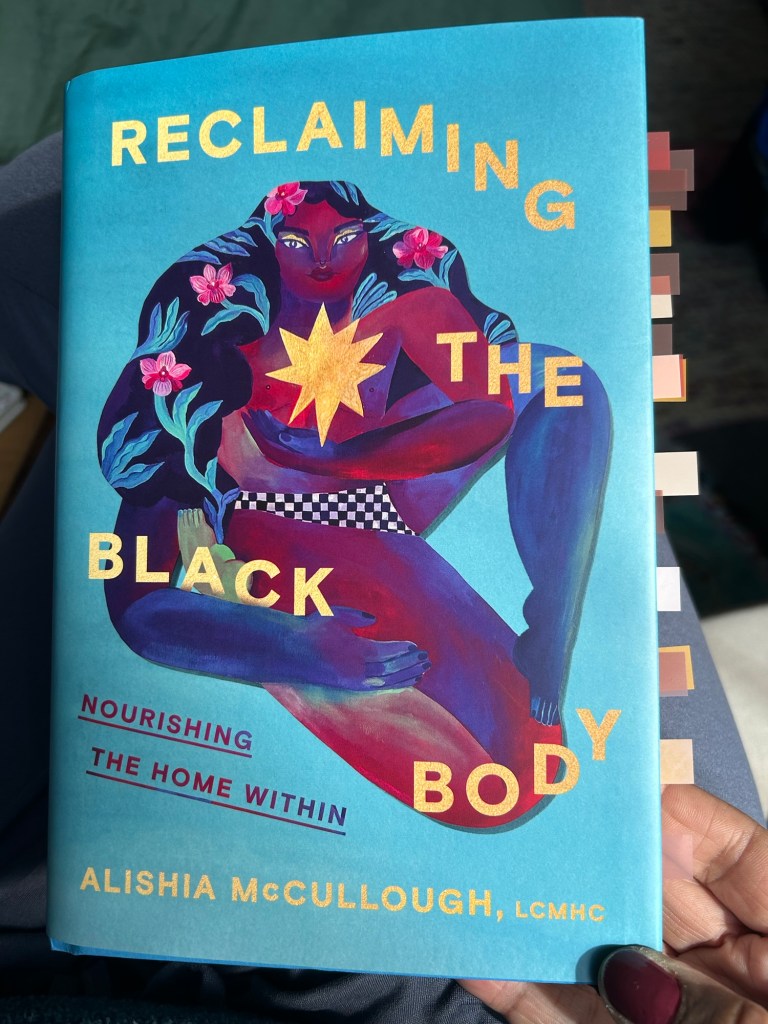
Reclaiming the Black Body: Nourishing the Home Within by Alisha McCullough is one of my current reads.
I used to be of the persuasion to read one book at a time. Devote all my time, focus and attention to one book in order to reap the glory/ knowledge/ whatever!
But these past few years, as I’ve become thirsty for stimulation and attempting to find like-minded people/ theories/ lovers, I’m moved into reading multiple books simultaneously, also known as “syntopical reading”.
And these books are not on the same topic either. They range from poetry around grief, non-fiction on gardening, personal essays around deep time, romantic and crime novels and short stories about myths and history. The list goes on!
I’m so enjoying this eclectic and multiple reading practice as it’s keeping me engaged, creating unique and original connections and it’s keeping me feeling loved.
By me.
So one of my current squeezes is Reclaiming the Black Body and I’m devouring it in small digestible bites because it is speaking to my soul.
This book is calling to attention the deep-seated, long-time, disproportionate amount of trauma, violence, marginalisation, discrimination, and adverse childhood experiences of Black women and femmes, and confounded by misognoir and racism, how we have learned to cope with it all through increased imbalanced eating behaviours.
Usually called “eating disorders” but even using that language implies that the individual is to blame and implying that some of us are just not equipped to nourish our bodies and do not know how to look after ourselves.
‘Disorder’ implies stigma and comes from the Western health ‘care’ system which from time has excluded and harmed Black people.
So this book is a balm for the wounds of silent struggles Black women and femmes have been going through around eating imbalances including myself. And is a vindication that we’re not fucked up and broken and just beasts, being less than human but that we are doing our best with the tools that we have to strive and thrive within a system that is hell-bent, historically and now, to demonise the Black body.
I will continue to cosy up with this book and others in bed, night and day, as reading is hitting the spot!
This piece was published over in Binderful’s Medium page back in 2020. I’m republishing them here as I revisiting the writing, the wisdom as well as create my archives.
What are you reading that is bringing you comfort during this pandemic?
When Amy (Mama Scout) asked me about what I’m reading during these troubling times of the pandemic, my first thought was, what am I NOT reading? As the spaciousness within my life has opened up, I’m grateful to be able to slow down and lose myself in practices that feed my soul.
I read the news, maybe once every two days, to keep abreast of developments around the world. I’ve always read world news, as I might live in the UK, an island, but I believe we’re all connected, humans and non-humans. What’s happening to you, is happening to me also. We are one. I love lingering over longer articles and reports in The Guardian,The New Yorker and The Atlantic. AlsoOrion Magazine is releasing daily previously unreleased articles from it’s archives to read for free. These are a welcomed gift.
My guilty pleasure is crime fiction. After a lifetime of reading about crimes happening around the world, I love Nordic Noir, I’ve recently gotten into the mystery series with DCI Ryan set on my doorstep in the Northeast of England by L J Ross. Taking iconic buildings and monuments within the region, such as Cragside House, the Sycamore Gap tree, the bridges over the River Tyne, as the settings, a series of murders are carried out and a team of detectives, who the reader grows to love, try to solve them while trying to have normal loving relationships themselves. I love recognising places and streets and people even within the pages of these novels.
My weak spot is personal essays. Probably because I’m in the process of creating a mixed-genre memoir which includes personal essays, poetry, images, collage, quotes and photography, I gravitate to those writers I wish I could write like such as Roxane Gay, Audre Lorde and Terry Tempest Williams.
So at the moment, I’m reading Alexandra Chee, How To Write An Autobiographical Novel which is so illuminating about his time growing up, in the 80s, through identity politics and navigating his way while unbelonging. I’ve just started, Thick, a collection of essays by Tressie McMillan Cottom, which have the black woman’s body at the centre of the debate for a change. A mixture between the personal and the academic, I find myself reading sections and nodding my head or even shouting out loud, ‘Yes.’
And finally, to my shame, I’ve just restarted Becoming, by Michelle Obama, after watching the documentary on Netflix. When the memoir first came out a couple of years ago, I started it but I didn’t get far. They say you fall into a book when it’s the right time for you; when you’re ready. Well I’m ready now. I’m absorbing Michelle’s vulnerable words of wisdom, checking in and checking myself. Reasons for reading; to keep checking in with myself, how I’m feeling, what is what I’m reading bringing up in me. At the same time as checking myself, doing the work on myself, to make sure I’m moving through this world as the best version of me.
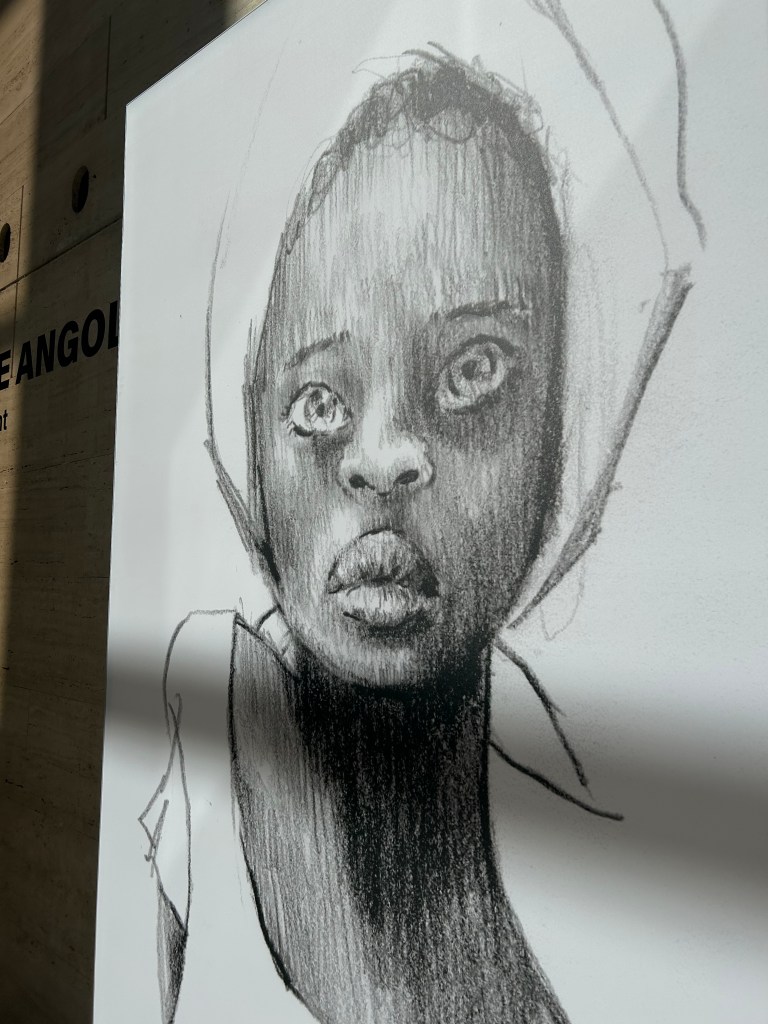
This short piece is a mash up of a certain clip from Joaquina de Angola: Memory of a Liberation by Aida Bueno Sarduy and music from Insight Timer, called You.
Seen recently in Barcelona at CCCB, Joaquina de Angola: Memory of a Liberation by Aida Bueno Sarduy is an audiovisual installation that recovers the story of Joaquina, a young woman enslaved on a plantation in Brazil, and her escape.
“A work about archived, forgotten, and silenced voices in the history of slavery and colonialism. This audiovisual installation brings to life the act of “unarchiving” an event recorded in colonial history as an escape. A 15-year-old enslaved girl fled the plantation where she lived, and her owner, after an unsuccessful search, placed an ad in the newspaper offering a reward to whoever found her. The archive reveals nothing more about this incident: it merely collects it as a piece of data. This piece challenges the oblivion, archiving, and silencing of this character. To unarchive, in this context, becomes an artistic and political act that brings Joaquina de Angola out of the shadows of the document, removing her gag and chains so that she can tell her own story. This act not only questions the record but also raises questions and delves into its details. It is an inquiry that brings Joaquina back to life and acknowledges her as a cimarrona, calling upon ancestral memory as well as imagination, intuition, and spirituality. Since the beginning of colonization in Brazil, alliances and exchanges of extraordinary significance have taken place between Indigenous peoples and enslaved Africans, but these have also been silenced. The presence of entities known as caboclos (Indigenous spirits) in all Afro-Brazilian religions is perhaps the most consistent and profound evidence of this. Amazonian peoples, Indigenous peoples from across Brazil, and quilombola communities—formed by Afro-descendant peoples—have shared ancestral struggles for the defense of their territories and against colonization and exploitation. The installation speculates on these possible Afro-Indigenous alliances in Joaquina de Angola’s journey toward freedom.”
This extracted masheup with music created above by myself, hence a found poetry film, is my take at a beginning of exploring fugitivity. I’ve been living, breathing, talking, practicing fugitivity for a few years now. I’ve mentioned it before, and it was Dal Kular who first introduced the term of me via her then newsletter, Field Notes. Dal said at the beginning of Jan 2023,
“Whatever the out-there-in-the-world fuckery is going on in 2023, I declare myself a CREATIVE FUGITIVE. A way of living in this world but not of it.”
Her take on creative fugitivity has stuck with me. I’ve gone on to read more around fugitivity. I’m even writing a chapter, at the moment, around black mothering and fugitivity. Fugitivity is taking over my life. And again I’m creating a project here in my portfolio to collect my wanderings and wonderings around this concept and way of being.
For me in a nutshell, fugitivity is the act of flight. It is the withdrawing of my labour and consent in the current system of white supremacy culture, capitalism, imperialism, colonialism. Fugivitiy is refusal and resistance. Divesting from the current way things are playing out as the few hoard the wealth of the world at the expense of the many.
Originally the fugitive was the runaway, the escapee. Hence why the audio-visual installation and consequent fugitive poetry film was created. I’m starting from the origins of the escaping enslaved. Running, fleeing captivity towards freedom. Freedom being the end point, the destination but in the process of escaping, there is the in-between space between what they were fleeing from and fleeing to. And here in this liminal space is where fugitivity is ripe.
There/ here is the lingering in the midst of flight, where I choose to SLOW down and be. To linger with nature. To seek my joy and pleasure in the world around me on my own terms. Fred Moten in conversation with Saidiya Hartman, both of whom we will be exploring further, said,
“I often use – and I always think of it in relation to Fannie Lou Hamer, because it’s just me giving a theoretical spin on a formulation she made in practice: to refuse that which has been refused to you. And that’s what I’m interested in.”
That is fugitivity as a method, kin-making and place-making, as a practice that I intend to explore within this project archive.
Okay where to begin.. That has been the issue – worried about where to begin has stopped me beginning. But now I’ve got to begin as I need to get it out of me onto the page, in order to create some kind of sense of it all. So maybe I’ll begin with the Combahee River Collective (CRC).
I’m diving into the realms of Black Feminism- thought and theory and practices.
I’ve already been in the thick of it for years, with me first coming to Black Feminism through my degree and then masters and then this forming the foundation really of my PhD when I traced the tradition of Black British Women’s Poetry. But retaining knowledge and theory is difficult when I keep putting new things in my brain.
I don’t want to be an expert on Black Feminism but I do want to revisit it and consider it’s premise again in light of recent readings and experiences.
So I begin with the Combahee River Collective Statement, 1977. And I’m not saying that this is the beginning of Black Feminism. But I’m using it as a marker along the way. I figure if I keep this statement in clear view, using it like a signpost then I can’t stray too far off the path.
This exploration of Black Feminist thought is going to be a new folder within this website’s portfolio as this is area of research is something I plan to keep returning back to and adding to as I continue to re-familiarise as well as extend my thinking and practices around Black Feminism.
So what is the Combahee River Collective Statement all about. Well first you can was the full statement here.
It has been argued that this statement issue by a collective of Black women in Boston in 1977 who came together after witnessing an recognising the racism within the women’s movement and the sexism within the race/ civil rights movement, was based on the reality that Black women’s experiences cannot be reduced to either race or gender but have to be understood on their own terms.
Combahee River Collective Statement introduced to the world terms such as “interlocking oppression” and “identity politics.” Formed in 1974, The Combahee River Collective (CRC) was a radical Black feminist organisation which took it’s name from Harriet Tubman’s 1853 raid on the Combahee River in South Carolina that freed 750 enslaved people.
It might have been The Kimberlé Crenshaw in 1989 who coined the phrase “intersectionality” but it was CRC who articulated the analysis that underpins the meaning of intersectionality. The idea that multiple oppressions reinforce each other to create new categories of suffering, these interlocking oppressions, happening simultaneously, renders the Black woman’s position in society unique and most direr.
As the statement begins:
“The most general statement of our politics at the present time would be that we are actively committed to struggling against racial, sexual, heterosexual, and class oppression, and see as our particular task the development of integrated analysis and practice based upon the fact that the major systems of oppression are interlocking. The synthesis of these oppressions creates the conditions of our lives. As Black women we see Black feminism as the logical political movement to combat the manifold and simultaneous oppressions that all women of color face.”
It goes on to state:
“Merely naming the pejorative stereotypes attributed to Black women (e.g., mammy, matriarch, Sapphire, whore, bulldagger), let alone cataloguing the cruel, often murderous, treatment we receive, indicates how little value has been placed upon our lives during four centuries of bondage in the Western Hemisphere. We realize that the only people who care enough about us to work consistently for our liberation are us. Our politics evolve from a healthy love for ourselves, our sisters and our community which allows us to continue our struggle and work”.
CRC comes to the conclusion that:
“We might use our position at the bottom, however, to make a clear leap into revolutionary action. If Black women were free, it would mean that everyone else would have to be free since our freedom would necessitate the destruction of all the systems of oppression”.
And this would come to pass through the practice of the revolutionary politics of Black Feminism.
 Living Wild Studios