By taking time to acknowledge ourselves for what we have done, we recognize that we’re more capable than we thought, we’re doing more than we were aware of, and we’re making incremental progress in our skill building. When we allow a space for positive thoughts and feelings, we find we feel more encouraged and forward
movement is inevitable from that place. Some days showing up for your creative work is all that you can do, and that is enough and worth acknowledging.
I’ll tell you the truth, I heard about Keith Porter Jr. 1 day ago.
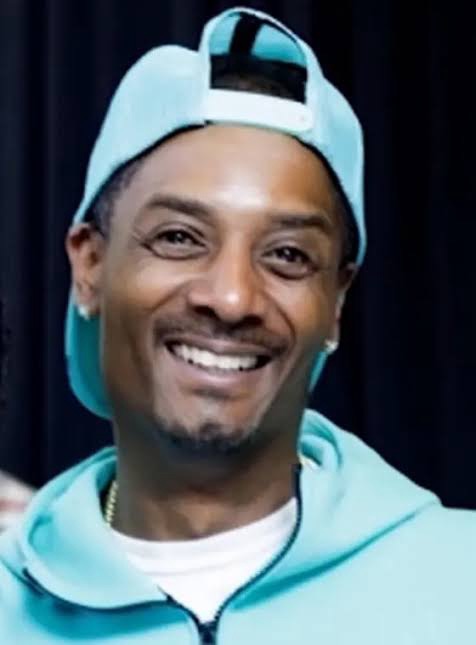
Keith Porter Jr., a 43 year old father of two girls. He loves fishing and spending time with his family. Laughing.
Keith fundraised for battered women’s shelters, supported street artists, advocated for health services. With real family and friends, real daughters and a real presence in his community, Keith Porter Jr. is no longer with us.
Rest in Power Keith.
On New Year’s Eve, in Northridge, Los Angeles, Keith was seeing in the new year with family and friends in his neighbourhood. Tradition was to fire a gun into the air in celebration.
An off duty ICE agent, heard the shots, and inserted himself into the situation. A situation he shouldn’t have been in as an ICE agent is supposedly trained in compliance, transportation, custody paperwork. Immigration.
ICE is not designed or trained in community engagement responses. community law enforcement.
It is argued that after a short verbal exchange, the ICE agent shot and killed Keith.
Official reports from federal agencies say the ICE agent was responding to an ‘active shooter situation’. The department of homeland security says Porter fired at the agent before he was killed (in cold blood).
Watch how they change the narrative. Remember Keith Porter Jr. the man laughing with his family, caring and empathetic will become the monster who deserves to be dead.
Family and community advocates dispute this claim, stating that there is no independent released video evidence showing Keith Porter Jr. posed an imminent threat or fired at the agent.
Rather than lethal force, this off duty ICE agent should have done his citizen’s duty and called local Police as this was not an immigration issue. This was not his jurisdiction, his authority.
Keith Porter Jr. became an imminent threat only when this ICE agent turned up.
ICE has no community engagement training. They might have authority but not in the community, they don’t have the judgement and empathy to be on the streets. But obviously this ICE agent, off duty, thought otherwise.
Nearly two weeks ago Keith Porter Jr. was shot and killed. And people, the average person, even those online are just starting to find out about this murder. Only after Renee Good’s cold bloodied murder.
There is selective outrage in America. As I wrote last week, I have no issue with the response to Renee Good – that’s how we should be respond in this situation.
But
#SayHisName
Keith Porter Jr.
His family had been struggling to get his story, his unlawful killing into the current media cycle. This just compounds what I’ve been saying about the lack of visibility in mainstream media of black people being unlawfully killed by law enforcement.
Be honest have you heard of Keith Porter Jr? But you’ve heard of Renee Good?
There are arguments we can put in place here . You might not have heard his name, Keith Porter Jr. because he was killed by an off duty ICE agent not on duty with a large crowd there. Might be because there’s little video evidence circulating around. But the main reason is because Keith Porter Jr. was a black man.
This is part of the reason for not using #SayHerName for Renee Good.
No one’s even heard of Keith Porter Jr. No national attention for his murder but within 24 hours everybody knew Renee Good’s name.
This is the very reason #SayHerName was created for the invisible black women and black men who are causalities of the state, of state terror.
And it’s only now that white people are waking up to this terror when black people have been enduring if for centuries. This is why I argue to consider the language used and to give credit and recognition for where it originated, why it was created in the first place.
And yet the same stories are being used to justify the unlawful killings of Renee Good and Keith Porter Jr. They were both pointing weapons at ICE agents, posed a threat and had to be eliminated.
I say
2 different people
2 different cities
but the same structural problem.
Later down the line this might get read as the one bad apple or one bad moment. But this is clearly a system which once hidden no longer neededs to remain hidden.
A system that is built without limits or accountability.
De facto special powers bestowed by the Trump administration on ICE that seem to supersede police powers. ICE is now inserting itself into everyday life and every day neighbourhoods. And as we are witnessing this very presence is killing people. Killing more and more people who weren’t even their targets.
But that no longer seems to matter.
As I’ve said before and I’ll say again, I don’t have an issue with the response to Renee Good – that’s how we should be responding in a situation like this. I just argue that the others, and there’s a long list that is growing of people who have been killed by ICE during this administration, deserve the same energy that is surrounding the murder of Renee Good.
As last time I checked, these are not animals, criminals or just talking points but human beings. Real human beings with grieving families. And this is something that gets forgotten in the media.
We need to continue to have these conversations and we need to keep fighting, on the small and large scale, against fascism near and far.
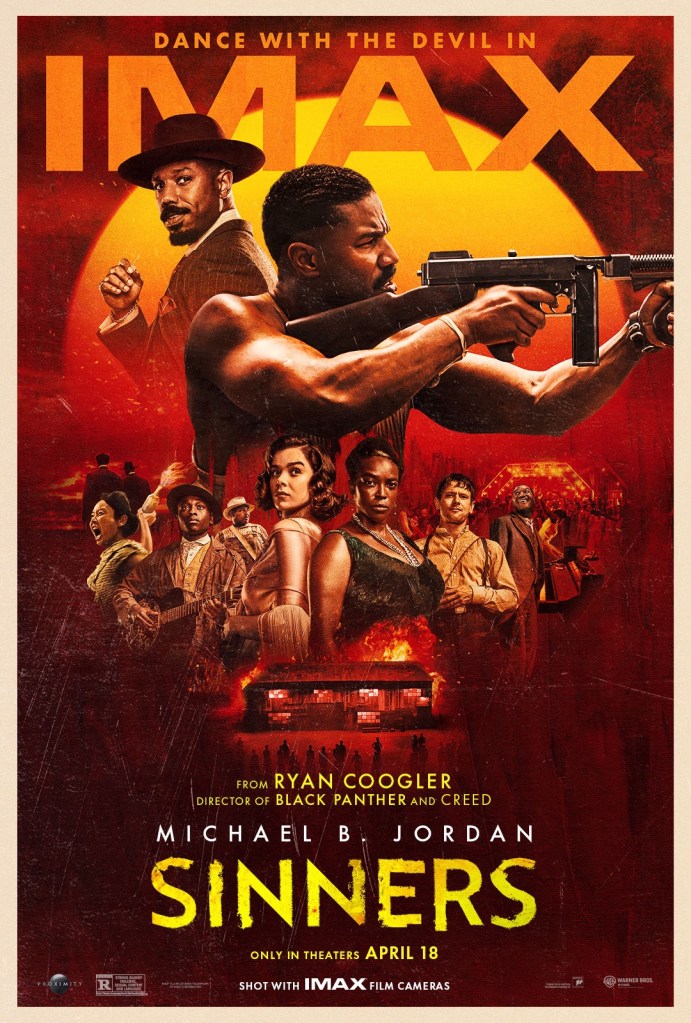
With it being awards season and all, I felt called to watch Sinners again. This might have been my fifth or sixth time. I’m sorry, I’ve lost count. It still hasn’t lost its magic. The film just keeps on giving for me. To me.
This time, I’m struck by how many times freedom is mentioned. How to get free? How to be free? How to protect that freedom?
I think Sinners explores the price of freedom. The price of being free. There’s always a cost for attempting to live life on your own terms.
From the beginning, we might be introduced to sharecroppers, working for the white men, still on plantations. But this will be a self-sustaining community. More than bodies for working on the farms, the land they do not own. But they have each other. Each character is developed at the beginning of the film. The viewer is allowed to get to know them and see them in their element. They be vibrant and they be fixing to be free. Free from the restrictions of white supremacy culture, capitalism, patriarchy the whole shebang. And this isn’t without pain but also joy and laugher and love.
Sinners is what happens when a community, when people are living their own lives and are infiltrated by others, who want what they have. Outside threats come to ruin the day. Vampires come and covet what this community has. Sammie. Sammie has a gift, the gift of music that connects him with all ages. Griot.
Delta Slim’s says, “With this here ritual, we heal our people. And we be free.” This is the power of music and how a community can tell their stories through music. And outside forces, in this case vampires, who hear, see, realise this power, are threatened by it as well as want it. Want to control it take it away from this black community who are gain strength and sustainance through it all. And be free.
Sammie’s gift, the music, the very culture needs to be/ has to be protected from these outside threats at all costs. As culture, its very existence is threatened from being sucked dry by the devils coming tonight.
So as a people, as black people, we do whatever we can do to tell our own stories, protect and preserve our music, our culture as through this we heal. And we be free.
If you’ve been watching the news this week, you’ve seen that it’s been dominated by what is happening in America. Or the actions America has taken elsewhere in the world. Flexing their muscles, going in for the strike.
In my opinion, what is happening, right now, is that white people can see the power of the state being used against people who look just like them.
This is where AfroSurrealism takes on significance – because the reality of blackness is the power of the state is always and, repeated for centuries and generations, been used against black people. Being black is a surreal experience. THEN. RIGHT NOW. ALWAYS.
The abuse of power has been turned up to the max so that no one is safe. But some people can’t see this yet. Maybe even deny it, spin a false narrative around it.
There’s a quote somewhere that I remember which goes something along the lines as, they’ll come for me in the evening, but then they’ll come for you in the morning.
Fascism had raised its head once again. But did it ever go away for black and brown bodies? Did it not just change its mask, switched up its playbook?
There’s protests across American cities against the unlawful killing of a white woman/ mother by an ICE agent. These protesters scream out, “say her name.”
The thing is this – no disrespect or condoning of this violence or unlawful killing as it is an abuse of power and murder. I am outraged but …
I am also outraged because #SayHerName was an awareness campaign started by Kimberle Crenshaw to bring attention to the unlawful killings of black women by law enforcement that were going unreported/ not getting the same level of outrage and attention as when black men and boys are killed by law enforcement, in comparison. And this doesn’t even start into the ‘white woman syndrome.’
#SayHerName was needed to highlight and remember and get justice (?) for black women who have been killed in custody, or when calling 911 for help, or when sleeping in their beds, or for just breathing while black.
#SayHerName is needed for these unlawful killings of black women not for the white woman killed in Minneapolis on Wednesday because everybody knows her name and everybody is saying her name.
What happened in Minneapolis was wrong and the Trump administration is lying about it and blaming the victim. This is an abuse of power and is being played out, as the images of the bloodied seat and the bullet hole in the windshield, as a threat.
You get in the way of us, protest our regime then this is what happens to you, is the message. They rule with fear, threats and intimidation. The ICE agent is immune from prosecution because he was just doing his job. His job for the state. Above the law. Lawlessness is the state. This is the only way to get the mass of population behind a fascist society. Fear, threats and intimidation.
Check the historical playbook.
The reality though, the truth that has to be stated otherwise I’d be silenced through fear and intimidation, is that #SayHerNane centred black women, centred blackness. But using it here in this instance for the murder of a white woman, this is just another thing that is whitewashed and co-opted by white people.
I’m thinking this and berating myself for thinking this. Condemning myself for seeing this play out in reality. I had to go online and check myself. Check that I’m not being unreasonable, or hateful or wrong. But I’m not alone in seeing this reality.
This truth.
( And do you also notice how much and often I’m couching my opinion in diplomatic ways, highlighting my intentions not to cause harm. Obviously needed as far too often people choose to see only part of the argument. Take issue with what isn’t the real issue as a means of not listening and not addressing the real issue! Kill the messenger and all that!)
I also have to ask ( myself, anybody else) if the woman who was killed by ICE was black or brown would there be such media attention, protests, calls for justice? Would her unlawful killing/ murder be used as a touchstone, as a moment that changes American history moving forward? Or would that be another case of #SayHerName?
I say this not to distract from the horrendous crime that has been committed by the state against a white woman. I say this because it’s all part of the same system that has been operating for centuries and it is just now, in this moment, that more people, white people are seeing that this shit is killing them too. It has been all along but just slower than black people (Fred Moten).
These are strange times (white) people are arguing. Democracy is being eroded. Violence is no longer buried and concealed. Violence is (now) at their (white) doors.
AfroSurreal. This has always been the reality of blackness. The violence. The absurdity of it all. No rhyme or reason except profits and power.
Now white people are waking up to seeing on their feeds people who look like them being murdered by the state. Unlawfully murdered by the state for demanding justice and fairness.
It’s awful that some (white) people are just starting to experience the dangers of oppression right now.
This is nothing new for / to black people. And saying this isn’t to wish ill will on anyone else or to take glee or satisfaction in violence inflicted on anybody.
If you’ve been around here for a few years then you’ll know that I choose a word each year to act as a guiding source for the year ahead.
I hold this word lightly as a beacon to support my movement through the year as I navigate through society, this world, with the ebb and flow of commitments, responsibilities, projects and inspirations.
Last year, fugitivity took hold of me and kept me refusing those things that have already been refused of me throughout the year.
Fugitivity and visual journaling went hand in hand in 2025 to the point that I was able to create a loophole of retreat, a space of freedom and play for most of 2025. No doubt fugitivity is changing my life and remains in my rucksack as I traverse into 2026. The year of the horse ( more on that later).
So what is my word of 2026?
Usually I have something chosen at the back end of Oct moving into November. It just comes to me, lands and takes up root as something that just feels right. And something I want to carry for a year or more and explore.
That didn’t happen this year.
I had the feeling of being ‘unapologetic’ to the max but that felt, as a word, so dated. I feel it has been co-opted by mainstream and capitalist culture that to hear it now feel so twee for me. It’s original radical power being neutered.
Then we had radicale ( with an ‘e’) meaning to get to the basic root of something. Its natural origin. It’s fundamental and essential, changing from the roots. As well as radical being judged as unconventional, pushing things to the limits.
But again this word didn’t sit well within my gut. I wasn’t feeling it.
For me my word of the year has to be embrewed with feelings as well as be able to stand the test of time, the year and beyond, as well as act as talisman, inspiration and haven. Words of the past has included voice, water, shakti, open, listen, love etc.
I have a tall ask for my word of the year but none of my words of the year so far has let me down. I suppose it’s a difficult act to follow after fugitivity as this practice has changed my life in so many ways.
But choose a word of the year I will because after so long in this practice, I would feel naked walking into 2026 without some word(s) at my back as support and/both motivator.
I’m making the commitment here now to go with – AfroSurreal – as my words of 2026.
Of course AfroSurreal is much more than a word it’s a whole artist and literary movement which blends the weird and absurd with the reality of blackness. That the reality of blackness, being black today is surreal.
AfroSurreal is also a way of {BEING} that roots me further into the RIGHT NOW. Creating the future that has to happen right now.
I’ll be exploring more and sharing about AfroSurreal over the next couple of days to get my basis understanding and direction down. And then look out for more posts about how I’m moving and shaking with AfroSurreal(ism) for the coming year.
I’m excited to see where this word will take me. A good sign if any that I’m chosen the right word ( movement) for 2026.
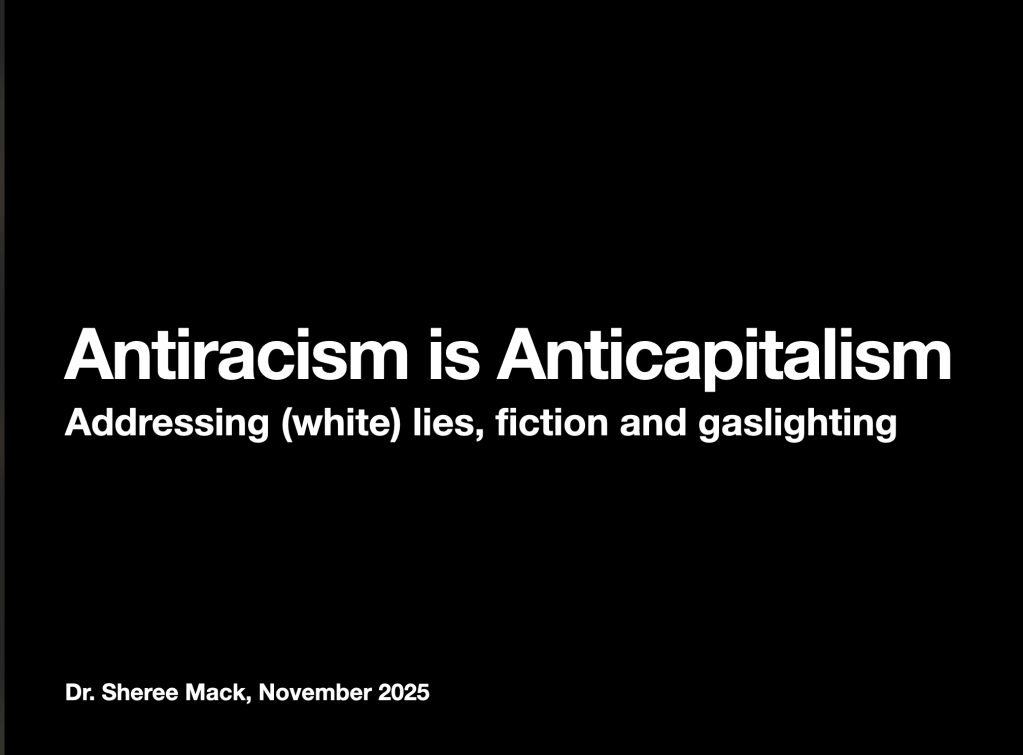
I spend so much time and energy on the work I share at Sunderland University, one or two sessions, out of their social work studies that I’ve decided the share what I create over on my Patreon in a special collection.
It’s just the power points for now. I’ll go back in at some point and share the resources as well. But I just thought it might be of some use for someone else. I’m not expert either. And my style and message has changed over the six years of doing it. I’m mighty please withy last one, November 2025, because I just centred blackness all the way. I was unapologetic and intend to stay this way.
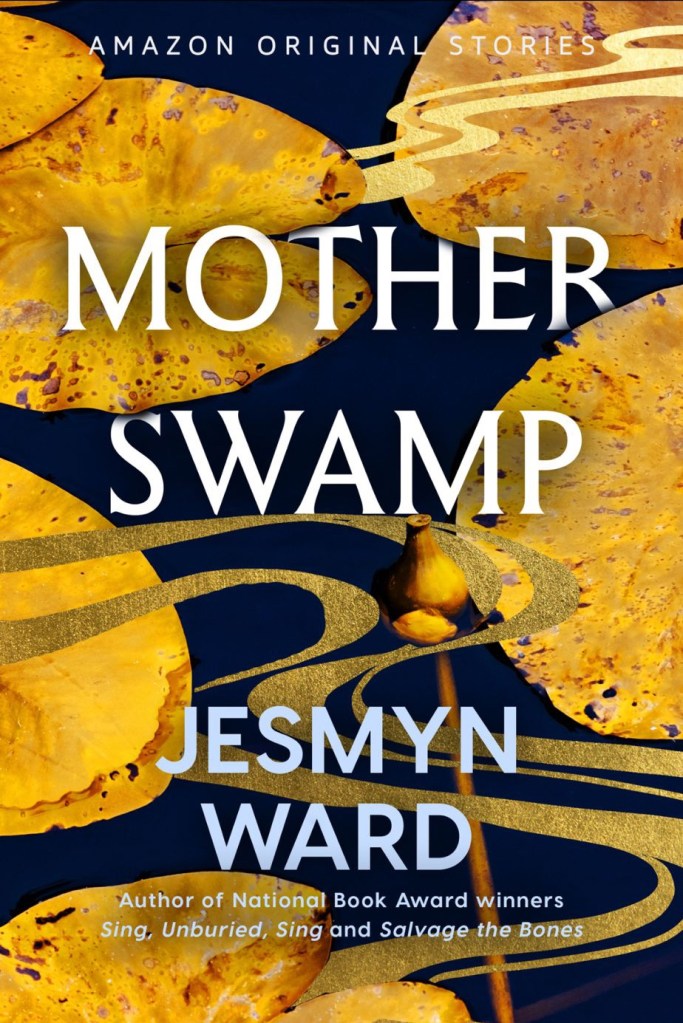
I’ve got a reading streak going on with kindle – not including the physical books I’ve read this year.
I’m at about 210 days and 70 books done. I surpassed my projection of 50 books on kindle.
Anyway when I get sick, I get to taking it even slower and instead of watching pap TV I turn to books to escape from my uncomfortableness and irritability.
It soothes me to read a good book. And I’ve been getting into speculative fiction. I would have said I’m crime fiction and romance fiction till I die. But once I’ve come to realise, really see how both of these genres prop up the capitalist, white supremacy, patriarchal, colonialist system, I can no longer read them with joy.
I can no longer read them full stop. So to fill the void, I’ve been reading non-fiction by black authors and speculative fiction by black authors too.
If I’m gonna be buying this shit then let me buy the shit that supports my people and continues to help me get free.
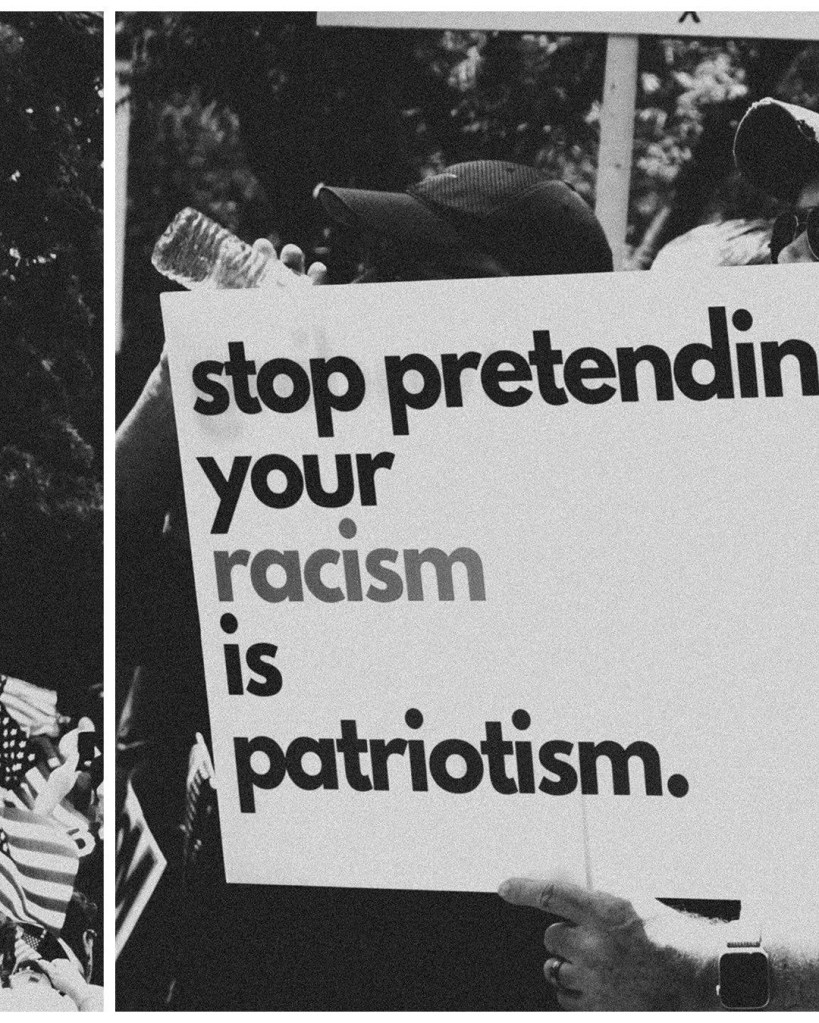
Last week and the week before was a deep dive into the far right rising within the UK. The raising the colours from one neighbourhood to another. The flags to stroke unity and patriotism is the hearts of every British subject. Right? Bullshit.
I know it’s not either/or thinking. I know it’s and/both. But having a conversation with these people is not possible. Listening doesn’t take place because those who hold far right tendencies see a black or brown face and instantly think inferior, immigrant, illegal. No right to be here. No rights at all as not really human. You can’t listen to something you don’t see.
Anyway, I was doing all this research into ‘raise the colours’ for my annual trip into Sunderland University for my lectures around antiracism.
I change them every year in line with my own learning and development in becoming antiracist. And really antiracism is anticapitalism. Has to be . But the different antiracism forums or organisations or groups operating at the moment that I’ve been part of haven’t received this memo. Their still operating under the guise that we need to come together as allies and educate people around privilege and fragility and be kinder to each other. Bullshit.
In the words of Fred Moten,
“I don’t need your help. I just need you to recognise that this shit is killing you, too, however much more softly, you stupid motherfucker, you know?”
So I’ve decided to release my 5 years of antiracism lectures I’ve prepared for Sunderland University over on my patreon account over the next month or so, as a sharing of knowledge and learning. Please consider checking it out. It should be free to access but sometimes these sites put in shit you don’t realise all in the name of progress. Bullshit. More like profit. Capitalism again.
But yeah should be free but if you fancy buying me a coffee, hit that button!



 Living Wild Studios