This weekend saw me away from home at The Outdoor Connections weekend. It’s a weekend away for grassroots groups who are working to diversify the outdoors. Groups and organisations who connect with grassroots communities to offer opportunities outdoors with nature.
So Earth Sea Love CIC, me as Creative Director, was invited along to take part. And I went with Kiwi, my converted campervan, with the hope of camping out on the site of the youth hostel where everything was taking place.
That didn’t go plan as sleeping in my campervan wasn’t allowed on site for what reason I do not know. So each evening, I left the group to try and find a park up for the night.
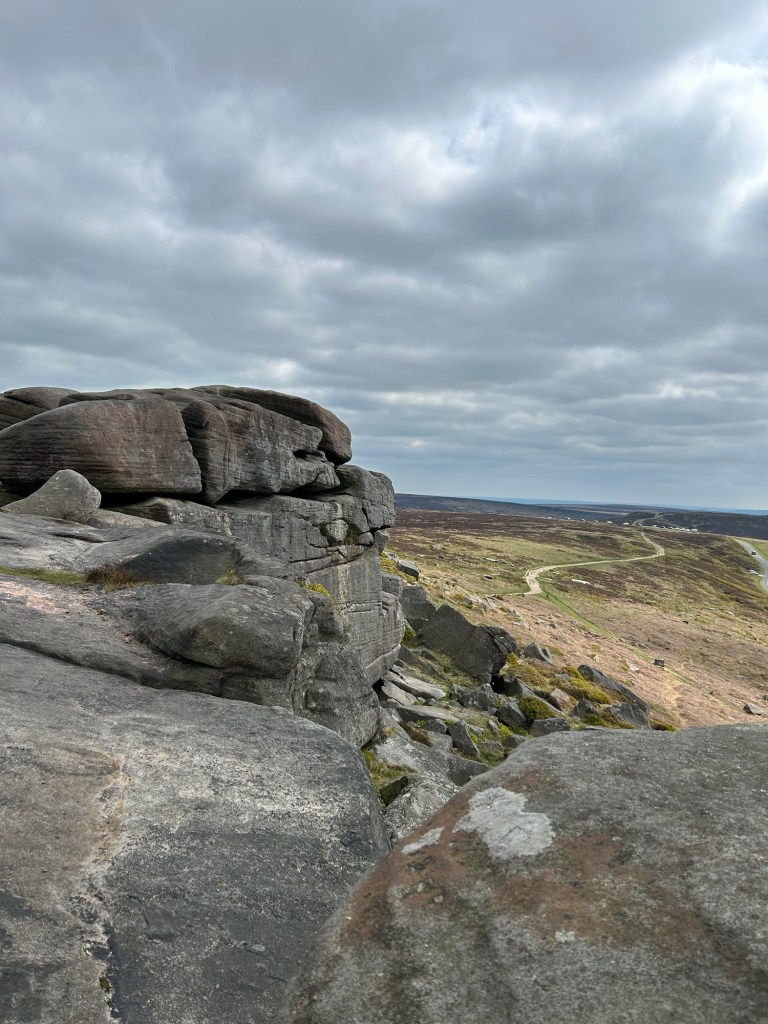
Stanage Edge, Park District
I’m not complaining though as I found some lush spots to park up and rest.
Now I have returned home, I’m still a bit out of sorts. Not quite landed yet after my time away. So a way for me to get grounded is to make another handmade journal to use for my daily pages moving forward.
Well no sooner than I’d finished it, yesterday evening, that it’s full today. All I can say is that I must have had a lot to process. I know I did use it as my next to-do list after my last journal was used for the same practice. And it’s just helps me get things straight. Clear the decks and start again. Begin to work my way through the things that need to be done.
Nearly 15 years ago, I put on my trainers and went on my first run. I started the Couch to 5K podcast the January after the birth of Miss Ella. I needed to lose the pregnancy weight as well as claim some time for myself, to decompress and forget the commitments and chores. I completed the 9 week training course and went on to complete 5k, 10k, half marathon and then a number of marathons. My last marathon was 2022 at Loch Ness. And last year, I attempted an Ultramarathon along the Pembrokeshire Coast but I didn’t complete it. I ran out of time.
I didn’t really train for the ultramarathon because my running practice was a bit hit and miss in 2024. I wasn’t feeling it. Wasn’t enjoying it. I wasn’t taking my medicine.
After the school run this morning, I felt the urge to get my trainers on and run. Knowing it’s been months since I have run, as well as considering my recent fall on black ice right onto the base of my spine and mostly my right buttock, I didn’t go running out the door at break neck speed. In fact, I’ve never ran at break neck speed. SLOW is my practice in running also.
I re-started the Couch to 5K podcast again. Week 1 involves a 5 minute warm up, and then alternating between 60 seconds of running and 90 seconds of walking, eight times and then a 5 minute cool down. So around the park I walked, ran, walked. My back was sore, I won’t lie. And maybe I shouldn’t be running after my fall. But this is me knowing my body, caring for my body, healing my body, my way. Back was sore when I ran, so this forced me to engage my core. To shorten my stride, to land my softer, even slow down. Yes it still hit but nothing major. But changing my running style also impacted my walking, as it meant I was engaging my core more while walking too. It meant I’m supporting my back more, all the time, not just when running.
The run went well. I wasn’t really out of breath. It was an easy start to the journey ahead. But I didn’t stop there. This fall has been a blessing, this is how I’m looking at it. As it’s making me more aware of my body and what I can do to keep my body healthy, moving and feeling loved. So I came home, completed a short set of strength training and then finished everything off with some yoga focusing on supporting my back.
In the past, I wouldn’t have bothered to actively support my recovery after a run. But this fall is forcing me to take better care of my body as it’s the only one I have and I want to keep her for a fair few more years to come. The fall made me face how fragile my body can be. How things can shift and change in an instant. I’ve been reluctant to walk out on ice and frost since. I’ve been hesitate but I also don’t want to be holding myself back or moving in fear. I’ve being fearful but I’m learning to breath through the fear and pain. I’d rather have the pain because I’m doing something to strength and support my back, my body rather than the pain through doing nothing.
Anyway, here ends my gratitude for today. I’m grateful to my body for all that she allows me to be/ do x
*not so mush a trigger warning but saying it anyways!
I am worthy of consent. I am safe. I can heal from sexual trauma. – Lyvonne Briggs
I’m writing. Or is it rambling? I’m not sure. It’s just that I’m reading at the moment. I’m in my cave (bed) hibernating and I’m reading so many different books. Fiction, non-fiction, poetry and there’s a cross over with what’s happening within my life with my reading ( Does that happen to you?). There’s an echo or a reinforcement for the things that are causing me grief at the moment, worrying the wound as I read and rest.
So writing things out, going long is a way of making sense of it all in the moment. It’s a way of gaining some kind of clarity for now. Not thinking of the future but thinking of gathering the threads at this moment to made make a something out of this mess of yarns.
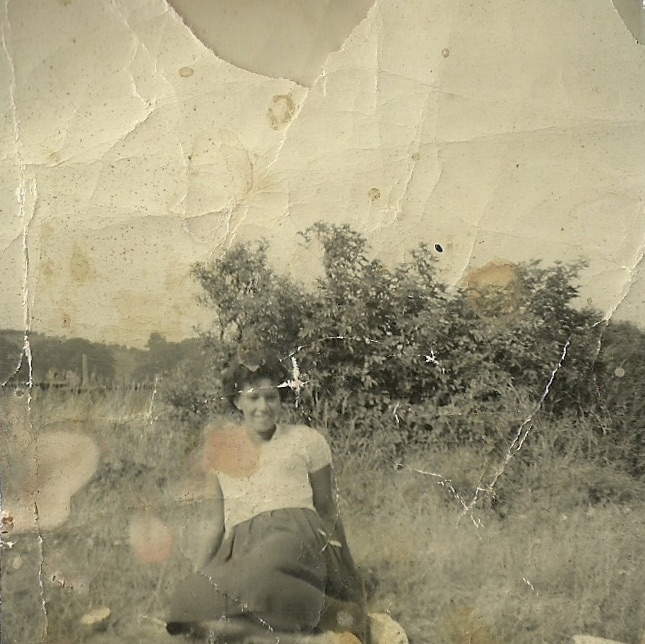
My mum died when I was 27 years old. I’d just become a mother the year before. I’ve been hearing about the ‘mother wound’ lately. I’m not sure if I understand it completely. But when I hear it, I don’t jump into definitions and theories. For me it’s simply means when my mum died and left me to cope alone. Selfish I know. But I feel as is she left a gaping, bleeding wound that festers and hurts when I worry it. When I press on it, inspect it with my touch.
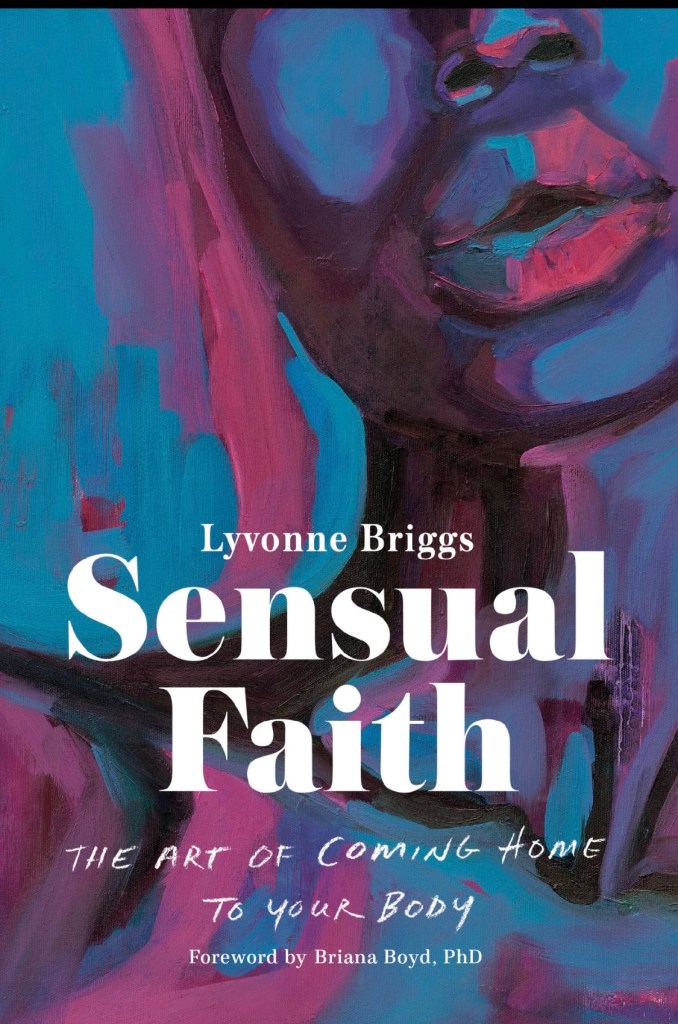
This morning, following my morning routine, in bed reading (with coffee skipped ahead this morning) I’m reading Sensual Faith: The Art of Coming Home to Your Body by Lyvonne Briggs. I’m reading a section called ‘Surthrivors’ a term Briggs created to try and capture how she was feeling, living after male sexual violence. She felt ‘survivor’ was too flat to describe/ define her experience when she was living/doing what she loved studying theology and religion, in community with loving people and was an acclaimed spoken word and slam poet. “I wasn’t just surviving, I was thriving!” Briggs wrote, hence pointing the more accurate term, ‘Surthrivor’. I love it when we Black women bend and twist language, divest from the standard to better express/ more fully express our feelings and experiences. That’s creative fugitivity for you (thank you Dal).
Briggs goes on to talk about how she got into the ministry so she could change how the church handles sexual abuse, not very well, as there is a silence around it. Or they blame demons instead of the actually men. I’m not here to talk about male sexual abuse. I’m not her to talk about the church. I’m not a religious person. I was brought up saying my prayers. I remember a black bible, creased leather, brought from Trinidad and Tobago with my dad when he stowed away to England. This black bible sat toad-like in the teak sideboard of my childhood living room. West Indian style living room, I may add. I gave up believing in a ‘God’ when my daddy died when I was 9 years old. I’ve now come around to the idea that we are Gods/ Goddesses ourselves, inside us. I’m spiritual rather than religious. So I’m not sure why I’m reading this book.
I lie. Yes I do know why I’m reading Sensual Faith. I followed a trail to this book left by Christina Cleveland and God is a Blackwoman. But also because of the subheading of Sacred Faith: The Art of Coming Home to Your Body, is a journey I always seem to be on.
Anyway. Back to the reading this morning which went on to discuss the worship centre in a church is called the ‘sanctuary’. When you the word ‘sanctuary’, does anyone else think of Quasimodo? ‘Sanctuary, sanctuary!’
A ‘sanctuary’ is a safe or holy place. I wrote a poem titled ‘sanctuary’ and it was about my mum. My mum’s home, body, arms. When she was alive, it was her I went to for safe harbour. I didn’t realise until she was gone. It has come a way for me to practice mothering my own children, through sanctuary for them. Once my mum died, I lost who and where I could return to for safety. I lost my home, my sanctuary when she died and I suppose I’ve been searching for sanctuary ever since, looking outside myself, looking for it in others ( husband for one!)
I don’t how long I’ve been in battle with my being, with my body, chastising her for not being enough. But also for being too much. Too fat. Too broad, too Black. But over the last few years, eyes open, something has been changing or shifting within me and how I view, treat and talk to my body. . Maybe that’s where my mum did me a disservice and where I’m making amends with my kids. I’m not sure she taught me how to find sanctuary within myself, within my own body.
Monday nights I dread. Not always. Just the last few months as I complete my level 3 diploma in counselling skills. I’m not jesting that I hate turning up for this course. And I never use ‘hate’ as a word usually, always thinking it’s too strong a word for a feeling. Too final without any redeeming features. But this is where we’ve got to with this course.
And it wasn’t always the case. I could blame the dark, cold nights I have to turn up for 3 hours of lecturing and talking in an empty, sterile office block. I could blame the electric fluorescent lighting that flickers and buzzes and can give me a bad head. But I would be lying. I’m here to be wide open and honest. So here goes!
This course is taking away pieces of my soul, week after week. And I’m not ashamed to say that I have contemplated dropping out week after week, researching for alternatives. I even enrolled on a supplementary course, decolonising counselling, that would tend to all the damage this course is doing, but I had to withdraw from that due to costs and timings.
If you’ve ever studied counselling and therapy, you’ll know that everything; theories and tools and practices are all taken from dead white guys. Dead white guys acting like Gods (and I don’t mean the internal Gods I’m just mentioned). White male, usually heterosexual and middle class theorists who pontificate that they know everything about what’s happening in everybody’s mental health. They have the solutions to make us feel/ do /be better. As it’s always the individual’s fault and can be traced back to their childhood, their mother? Bullshit!
It hurts to be fed this shite every Monday. In the beginning I pushed back and attempted to decolonise the teaching, the theory, the responses. Bringing in other theorists and arguments. Being the only Black face in the class, girl has to represent.
Until we got to week 9, we were exploring different types of power within the counsellor and client relationship. Power roles within the counselling arena. After a discussion, we were being presented with a list of ‘Further key aspects of power or perceived power’. And yes the list was not an exhaustive list and things could be added, the tutor said. This list did not include ‘race’, ‘ethnicity’, ‘culture’, and I voiced it as such. My comment was laughed at and dismissed as, ‘there’s always one’.
Always one who has to comment on what’s missing from the list? Or always one who has to bring up race? Who knows! I just know how this comment made me feel. Know your audience I say or was I being put into my place? This response indicated to me that this input, which a fundamentally the way white supremacy culture wields power through the hierarchy of the races. It’s the sea that we’re swimming in and to not mention is the usual state of affairs. This interaction indicated to me that this was never going to be on this course’s agenda. Me continuing to challenge the whitewashing of counselling and therapy, me constantly remarking on the culture that we’re operating in wasn’t enlightening my fellow students or suggesting that they become more aware of their ( and my own) unconscious biases. I realised I was just creating issues where they never saw issues. Problems where there are no problems. As race and racism is only a problem when there’s a Black person in the room. It’s Black people who have an issue with race as whiteness isn’t a race, right? Whiteness is a given.
After week 9, and tonight was week 15, I’ve silenced myself. I’ve disengaged from the course, no longer contributing. I turn up and get my attendance and keep my thoughts and comments and feelings to myself. I’m not giving anything of myself anymore to the group, to the course within the face to face sessions as I’ve received the message it’s not welcome, it’s not of value, it’s not relevant. I do not intend to waste my energy and heart and soul on this experience.
This hurts me. I’m making sanctuary for myself. I’m making this experience safe for myself. I’m keeping myself safe within myself, within my body as being in that classroom is no longer safe for me. And to explain that to them, I wouldn’t bother, as they wouldn’t get it. The can’t get it and it would also involve them listening to me, and me being heard, which ain’t happening.
I’m creating sanctuary for myself, within my body and its a practice. I’m using a self-soothing approach, self-talking, loving compassionate approach when I experience something that is harming, hurting, traumatic. I’m letting myself know, like that little girl inside me who needed to be loved and kept safe, I’m stroking my own chest over my heart and saying to her, saying to myself, ‘ You are love, Sheree. I’ve got you I understand why you are feeling unsafe. But I’ve got you. You’re dafe now.” I’m mothering myself. I’m making myself safe. I’m making myself sanctuary.
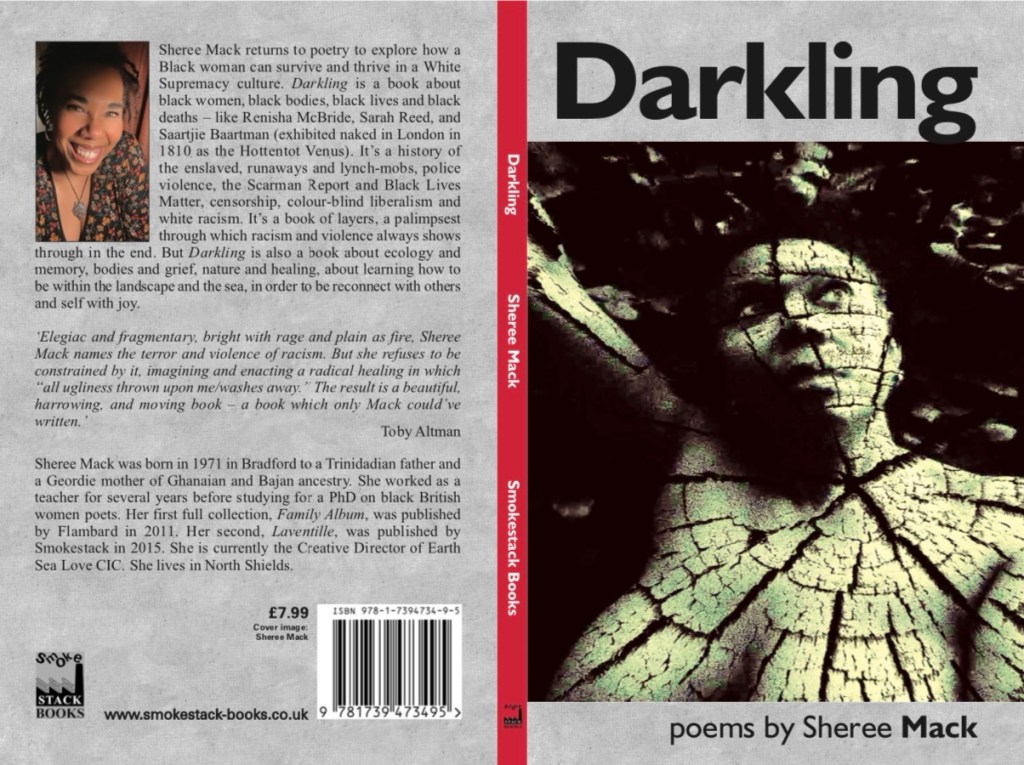
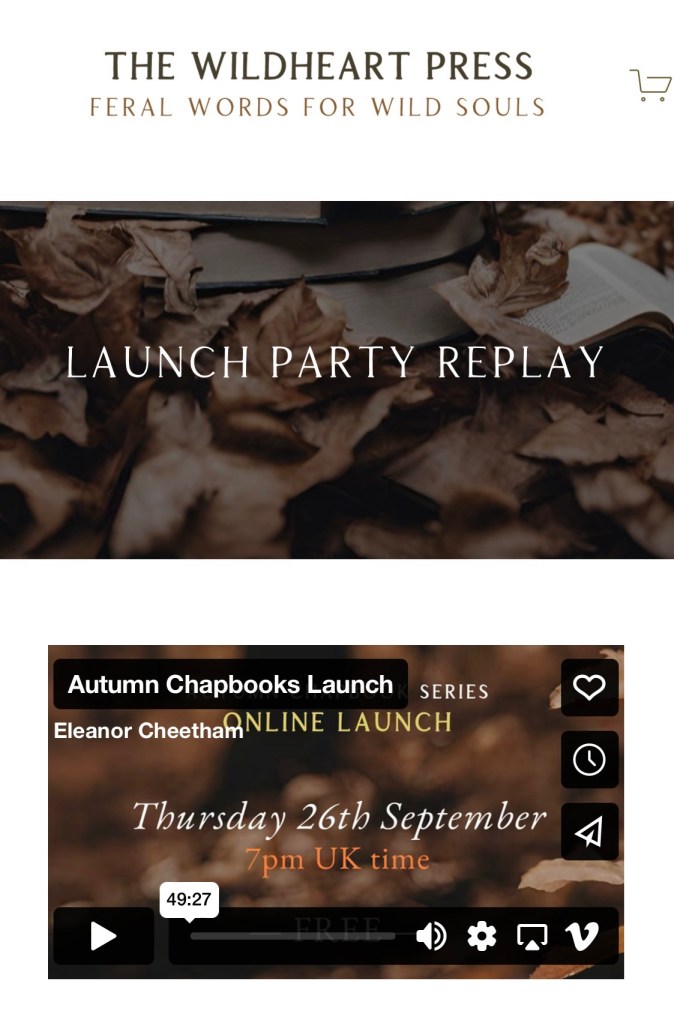
I share my new poetry collection Darkling, come 7 November, 6-7.30 pm (GMT). I’m excited about speaking these words aloud in company. There’s something magical happens when we give voice to our creations. Allow the words, language to reverberate through our bodies. We come to the words almost anew, a fresh and feel all the emotions and meanings as they enfold again and for the first time.
I know it’s going to be an emotional session to share as this book was a long time in the making. I’ve changed so much in its creation. But I’m ready.
I’m not sure how much I’ve shared here. I’m not sure if I wanted to speak it into existence out of fear of jinxing it. Maybe.
Last year, my last publisher Andy Croft got in contact with me asking for my poetry collection. Smokestack Books is planning to close its publishing doors and Andy wanted to go out having published my next collection.
We have a history as Andy published Laventille (2015) and stood by me throughout the whole ‘shit-hit-the-fan’ experience when my life and profession and writing were ruined ( or there was an attempt to ruin me as I’m still here to tell the tale).
So I said yes, maybe naively. As since then I’ve been on a rollercoaster of feelings as I attempted to bring the collection into existence.
At some point I will share some of the poems within the collection. Some of the poems started within this blog. But even though I just got asked last year to complete this collection, I feel, no I know, this collection has been nine years in the making. Ever since Sheree Mack was cancelled in May 2015, I’ve been making my way back to Sheree Mack, someone I didn’t even know existed until she was forced to start again from nothing to building a much stronger and truer foundation.
You’ve got to love Saturday mornings. The promise of the weekend ahead. The mix between wanting to lie in and getting out there and {BEING}.
I’m loudly advocating for what I want this morning and that is time to write and muse and drink coffee after coffee.
So I’ve been over on the Earth Sea Love Substack page sharing about a recent literary project I’ve been involved with. I wrote about creativity, motherhood, blackness and publishing on the Substack.
And being a Black mother in the publication.
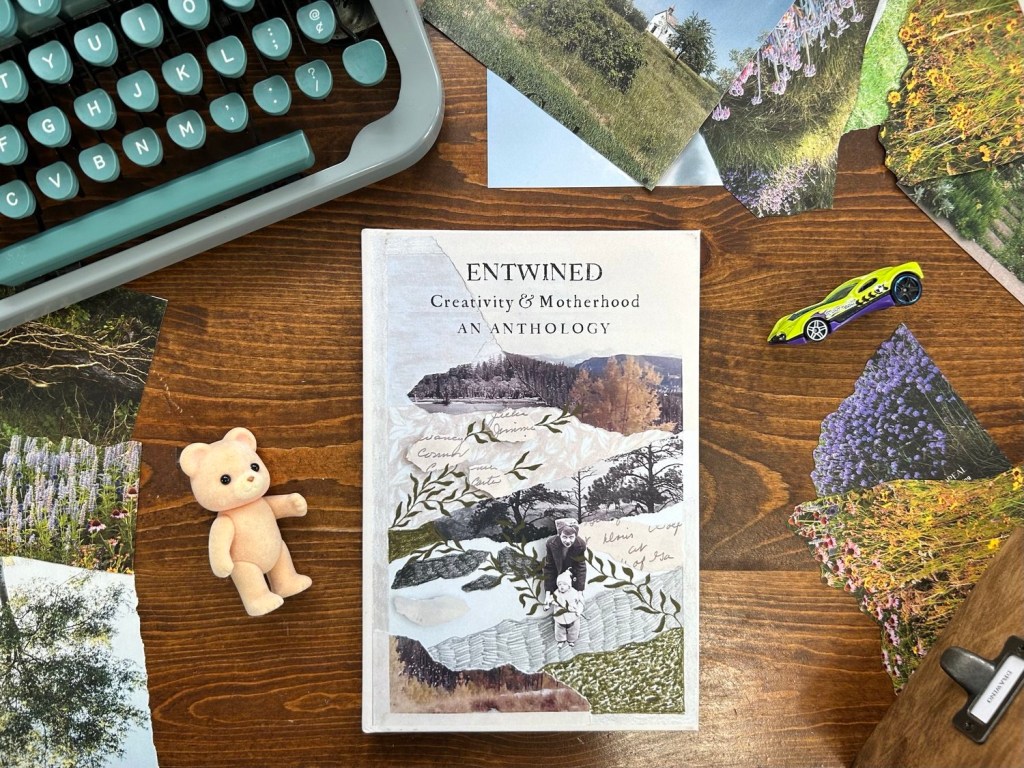
Entwined: an Anthology of Creativity & Motherhood
A collaborative anthology and art journal to kindle creativity in motherhood. Edited by Sarah Shott.
My writing is included in this anthology of creativity and motherhood and I thought you might want to check it out!
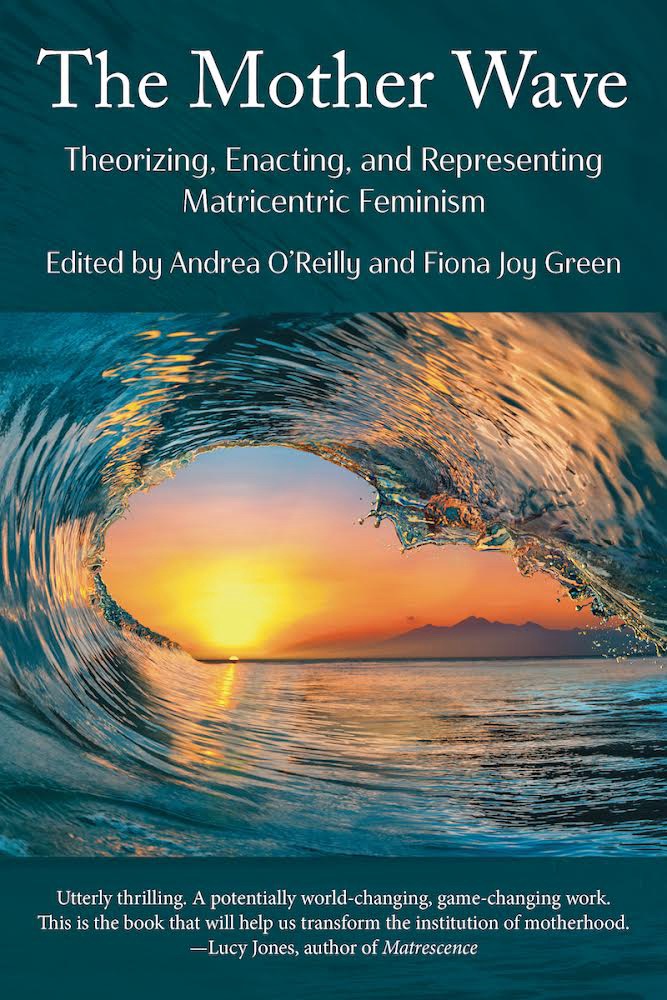
Utterly thrilling. A potentially world-changing, game-changing work. This is the book that will help us transform the institution of motherhood.
– Lucy Jones, author of Matrescence
The Mother Wave offers a welcome critical perspective on the liberal feminist orientation toward gender equality by showing how the focus on equality does not remedy patriarchal systems of oppression that continue to challenge women’s lives, nor does it account for the emancipatory potential in mothering experiences and the affirmation that diversely situated women continue to find in motherhood.
Foregrounding the lived experience of women and others who do the work of maternal care, the contributors make a strong case for matricentric feminism as a new framework: one that treats the maternal as an issue of both biological difference and a set of complex social identities. Informed by the African American feminist commitment to the epistemological importance of lived experience, on the one hand, and third-wave feminist commitment to intersectionality on the other, the collection claims and demonstrates through multidisciplinary analyses that maternity matters more than gender.
– Tatjana Takseva, Department of English Language and Literature / Women and Gender Studies Program, Saint Mary’s University
Toppling and recasting the idea of “waves” that, until now, correspond to stale time periods and stages of the feminist movement, The Mother Wave allows us to begin seeing matricentric feminism as a core feminist theory and burgeoning politic. Positioning mothers and motherwork at the center of feminism, and motherhood as perhaps the uniting experience among most women, O’Reilly and Green allow for a new “wave” of feminist scholarship and mother experience to take hold and crest – a matricentric wave. The editors introduce a vast array of scholarship and creative work within this volume that collectively helps us understand both consistent themes and new surges within this subfield of feminist thought and experience.
– Heather Dillaway, Illinois State University.
Matricentric feminism seeks to make motherhood the business of feminism by positioning mothers’ needs and concerns as the starting point for a theory and politic on and for the empowerment of women as mothers. Based on the conviction that mothering is a verb, it understands that becoming and being a mother is not limited to biological mothers or cisgender women but rather to anyone who does the work of mothering as a central part of their life. The Mother Wave, the first-ever book on the topic, compellingly explores how mothers need a matricentric mode of feminism organized from and for their particular identity and work as mothers, and because mothers remain disempowered despite sixty years of feminism. The anthology makes visible the power of matricentric feminism as it is theorized, enacted, and represented to realize and achieve the subversive potential of mothers and their contributions to feminist theory and activism. Contributors share the impact and influence of matricentric feminism on families and children, culture, art/literature, education, public policy, social media, and workplace practices through personal reflections, scholarly essays, memoir, creative non-fiction, poetry, and photography. The mother wave of matricentric feminism invites conversations with others and offers a praxis of feminism that aims to coexist, overlap, and intersect with others.
This is where you’ll find my own chapter called
‘I Am Becoming My Mother: Conjuring Black Motherhood on Our Own Terms’ which is a hybrid piece exploring my matrilineage which I mentioned throughout 2023 here.
Get your copy while you can and support Demeter Press.
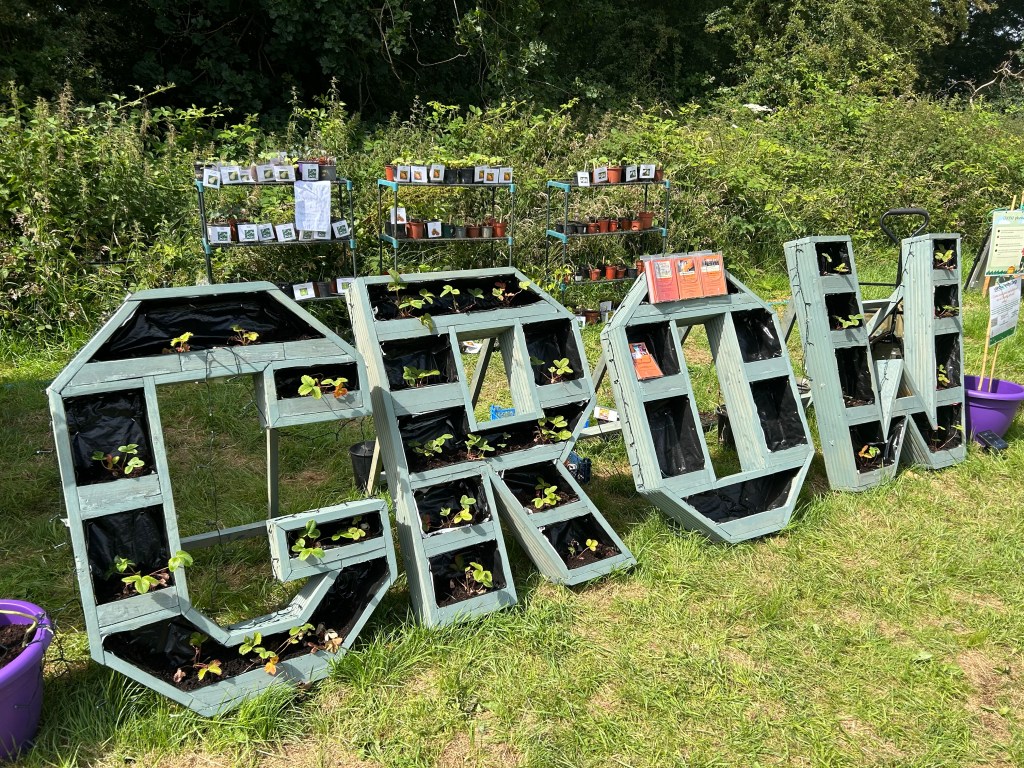
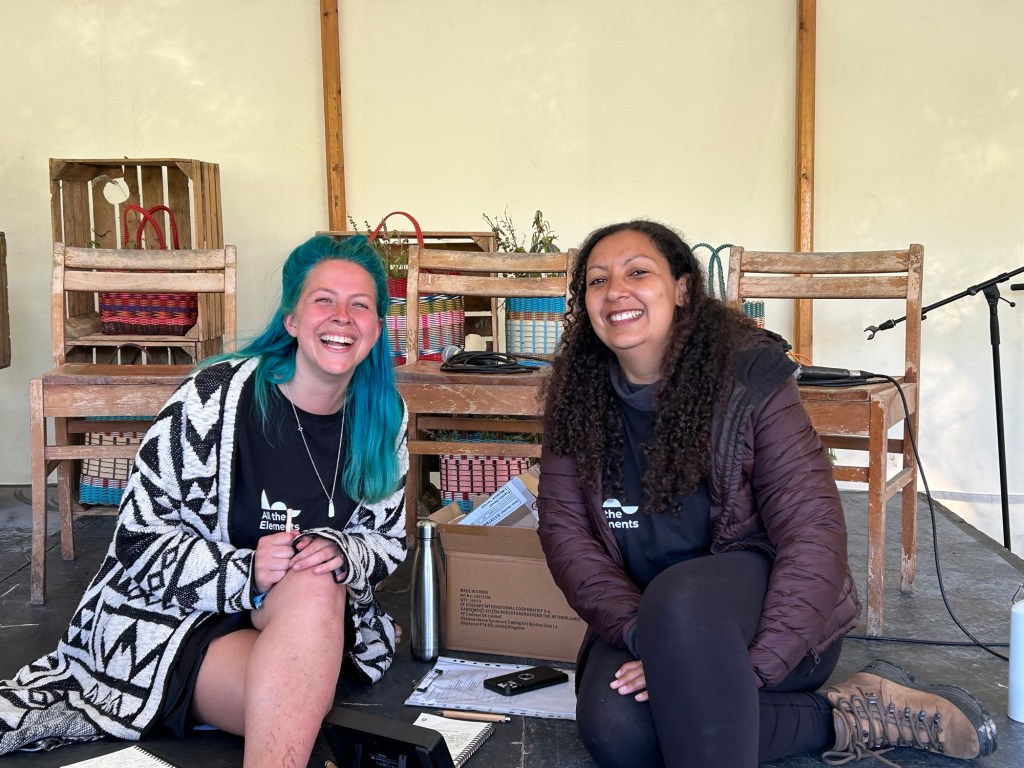
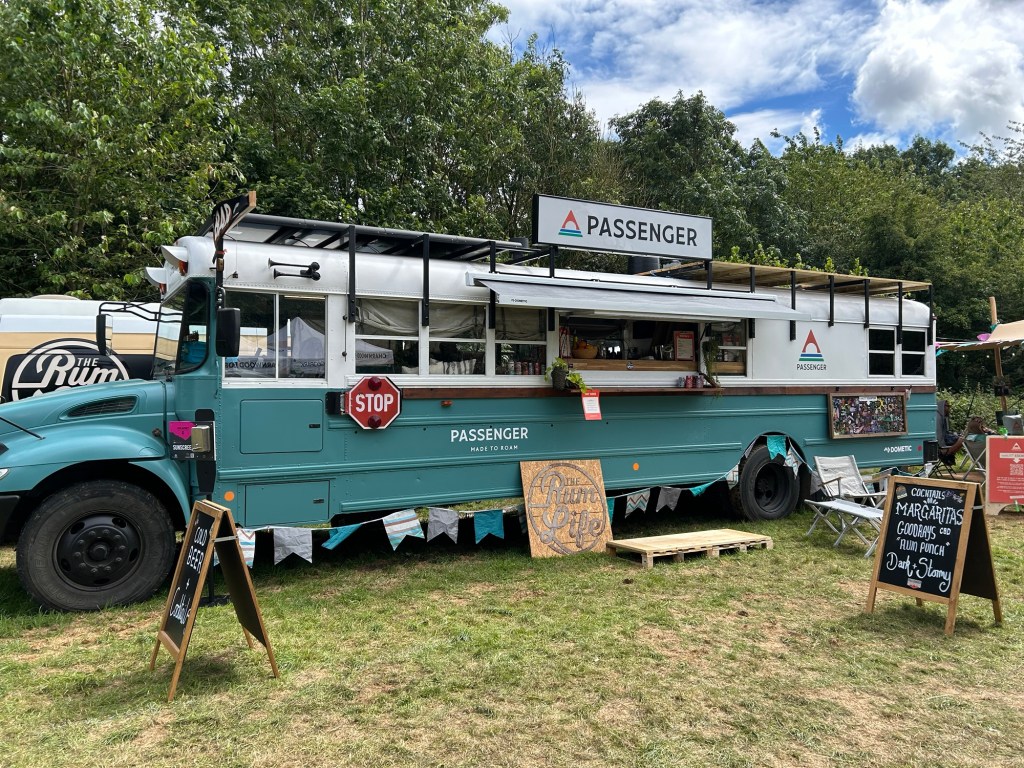
I was invited go participate in this year’s Timber Festival by All the Elements. “An incredible weekend festival of celebration, debate and reflection in the National Forest. Timber invites you to stand up and be counted as we rethink our relationship with trees and forests.”
Frankie and Soraya, directors All the Elements
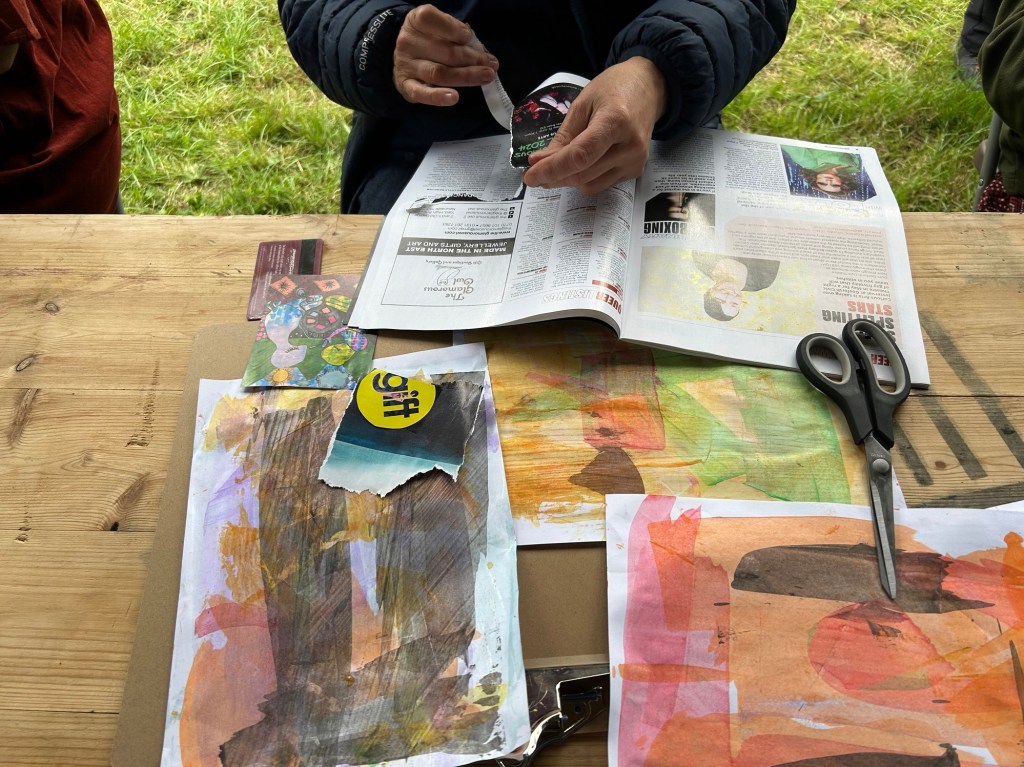
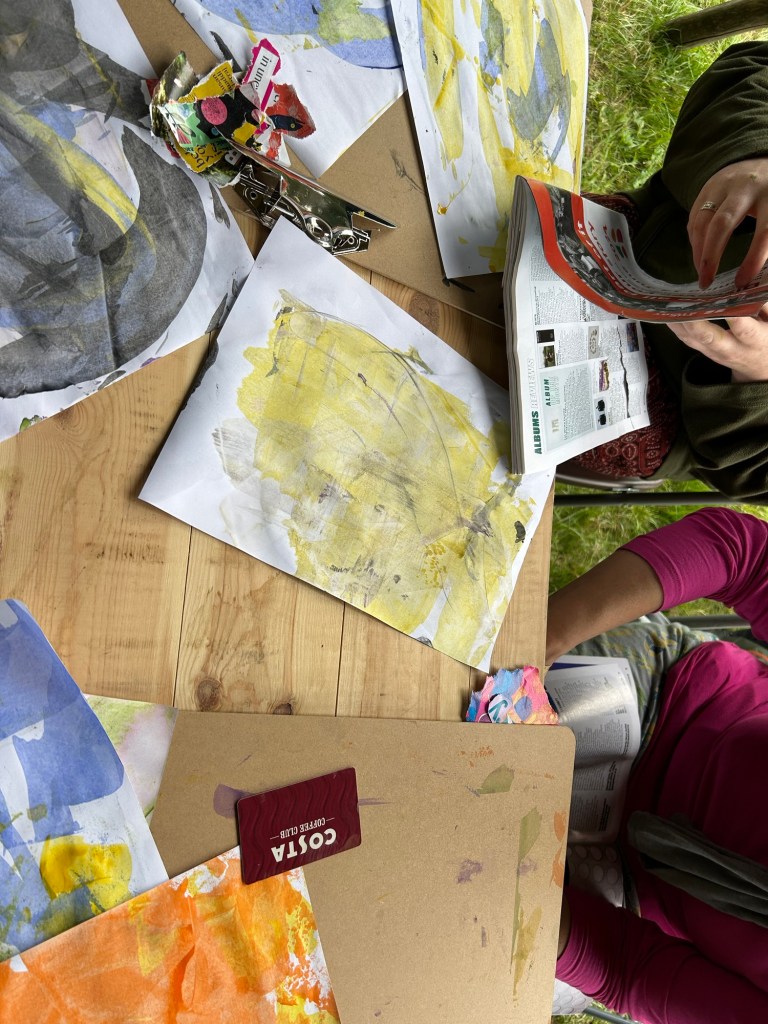
I facilitated a visual journaling workshop which I think went down really well. There wasn’t enough space for everyone who wanted to take part so I had to turn people away. I kept it simple and laid out a step by step approach for creating the visual journal but of course once you know the steps you can do them in any kind of order. You can suit yourself with this practice.
When we’re out in the field, literally here, exploring visual journaling we use just sheets of A4 paper and cover them in paint. Once we’ve got enough we fold them into a book and start searching for images and text.
We kept in mind the thought about what seeds we were willing to plant this season. It was still summer, still time to map out the way we wanted to feel and be during this season.
Each participate went away with their own visual journal, resources and ribbon to tie it all together.
What was so good for me during this festival was the community. All the Elements created a warm and welcoming space and I got to meet people I had only met online before this. I made new contacts too.
I’m really grateful for the opportunity to be part of this festival.