
Citizen Printer
How do you practice self-care?

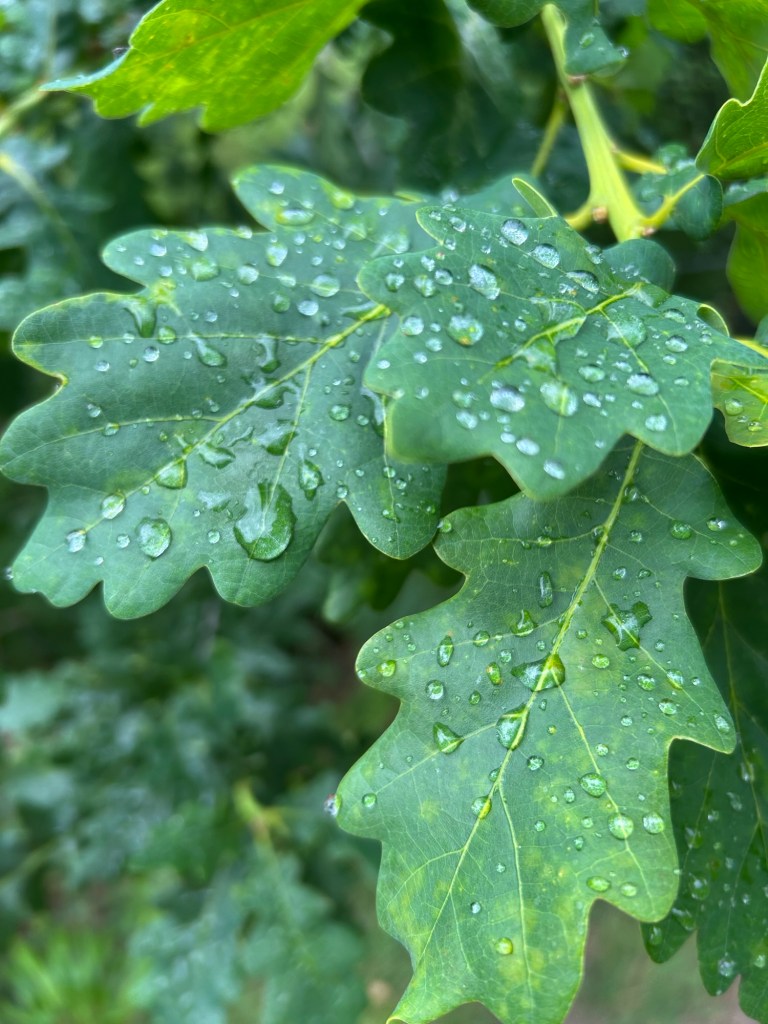
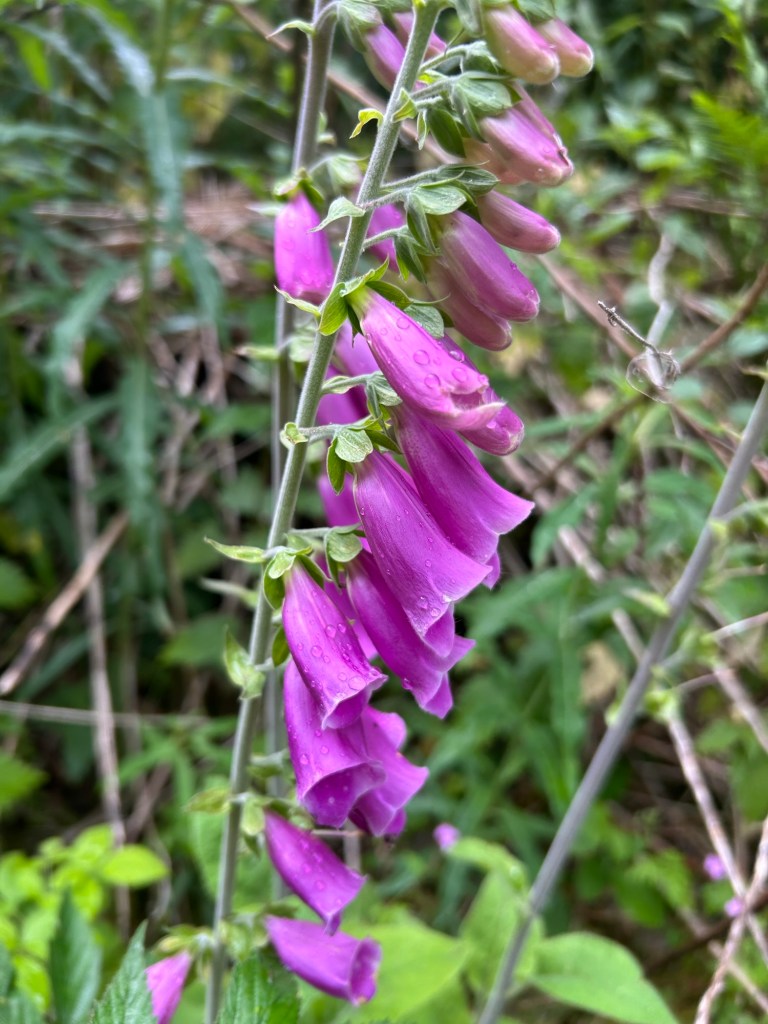
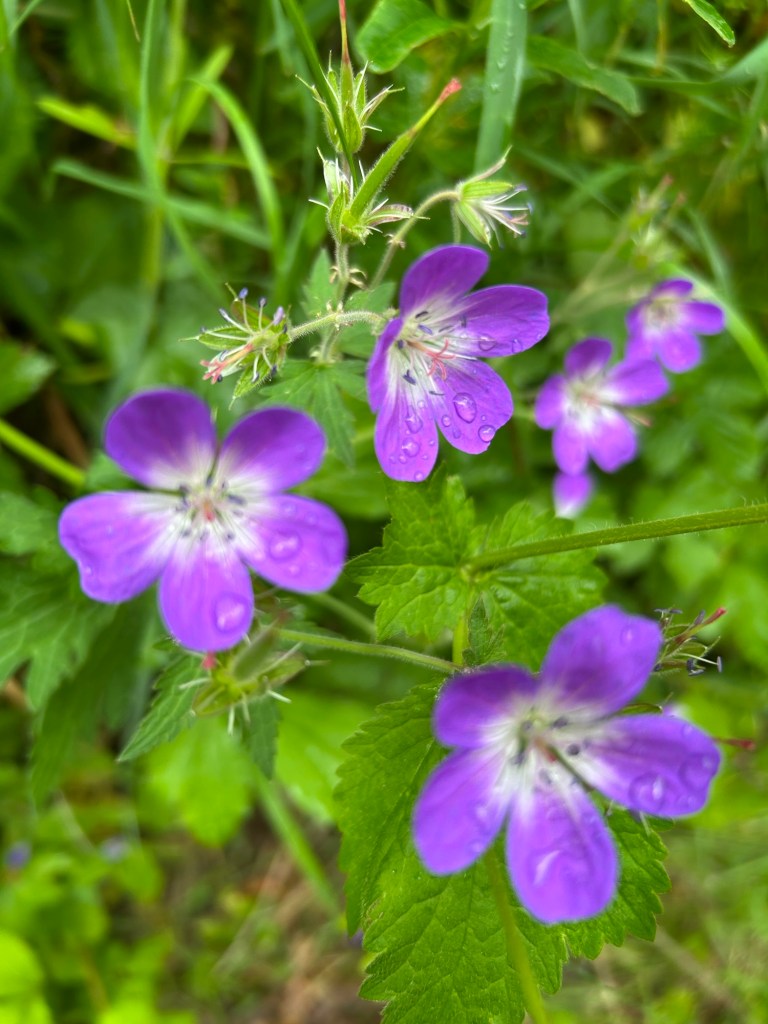
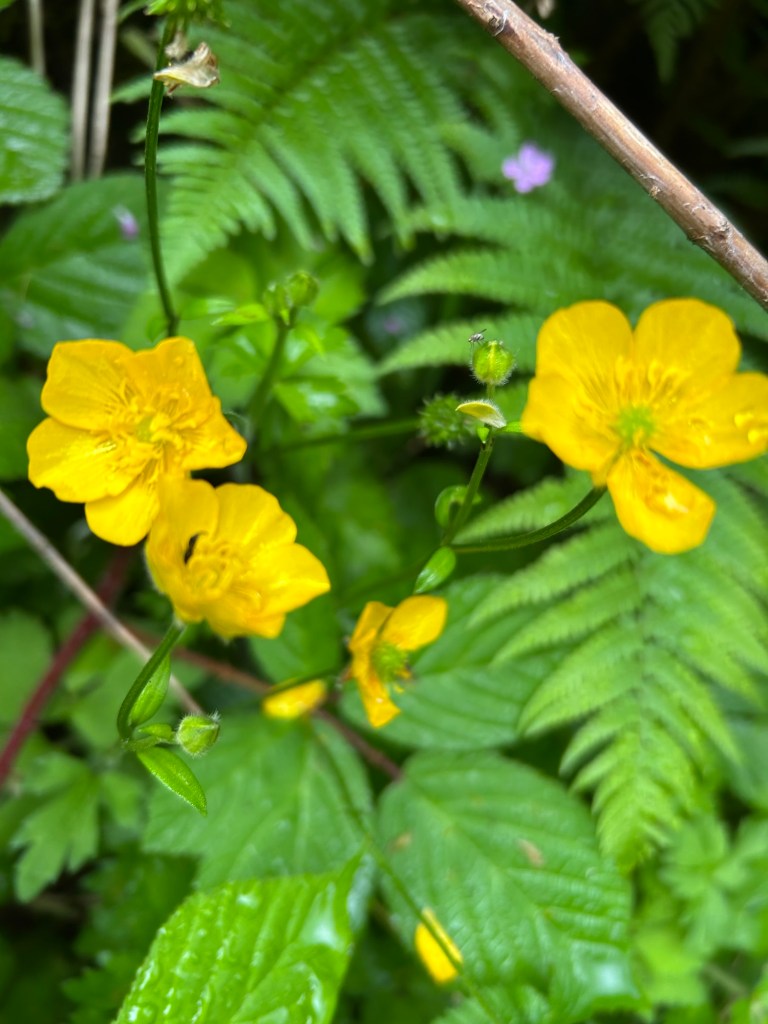
Summer Solstice came and gone. I had plans to hit the sea at sunrise, but didn’t make it because I had a restless night what with the heat and house and car alarms going off during the night? Are they sensitive to the heat? I do not know. I thought I was trapped in some kind of twilight zone with the incessant calling alarms and no one moving to switch them off. But I digress. maybe I’m just sensitive to senseless noise!
Mid-year reflections. What can I say? I’m not getting anywhere fast and I’m okay with that.
I FaceTimed with a very dear friend many miles away today and she asked and what’s happening with me. What’s happening in Sheree World?
At first I felt I needed to fill in the gaps with some of this shit and that. Or I’ve been asked to do this shit and that? That I had to show I was hustling and beating the grind real good. But shit ain’t happening in Sheree World and in all honesty I’m happy about that.
I hibernated well into April this year what with going to Paris and celebrating my babies’ birthdays. By the time I came out of my cave, everyone was well into their year, well into 2025. And I could do one of two things ( probably other things too but focusing on just the two for now!).
I could drop everything my heart desired and focused on catching up with everyone else. Max out my diary with jobs and commitments and watch the money roll in.
Or two, I could, continue to roll out of my SheCave slowly and mindfully, carefully and with a whole heap of love and grace for myself and just take things on a day to day basis. No rush no sense of urgency and definitely no panicking.
Which option do you think I chose to follow?
I’m not even sure it was a viable choice because I’m so used to practicing Slow Fugitivity now that it’s the only way I can operate and keep myself sane, safe and thriving.
I’m not measuring my success by how much my bank balance is telling me or more like alerting me to. I’m not measuring my success by how many people are singing my praises. By how many people have my name on this lips and are ready and willing to work with me. Promote me, award me, accept me.
I’m measuring my success on how good I feel moment to moment. How much joy and love am I feeling now? How much care am I giving to my self and those around me? How much am I showing up into situations, gatherings and meetings as myself? Transparent, honest, earnest and hopeful?
How much am I being open hearted, loved, loveable and loving towards myself and those around me?
This is my measure of success.
I’m not turning away from all the shit and cruelty and destruction that is happening around me and in this world. I’m feeling it for the people who are getting caught in the middle of men with big egos who are playing at being leaders and pretending to protect their people. I know what is happening in the name of religion, or history or land and justice. I’m listening and seeing genocide after genocide happening and those responsible not being held to account. I see it and feel it and I want to do more to stop it, to fight against it. So trust me when I say, I do not turn away or ignore it when I choose joy and care and love as my weapons of choice. I’m not living in a fantasy land of all happy happy joy Joy. I’m not being naive or flippant.
I’m choosing to refuse the stories we are being told. I’m refusing to perpetuate the capitalist structures and feed into the patriarchy and imperialist tendencies. I’m choosing to refuse the roles assigned to me as a black woman as just another body to be used and abused and disposed of after I’m no longer useful.
Fuck that fuckery.
So mid-year reflection is that:
* I’ve got no regular working gig on the horizon.
* I’m searching for my tribe.
* I’m dreaming of other possibilities, another way of being.
* I’m refusing the shit sandwich that is offer me again and again.
* I’m refusing what has already been refused of me.
* I’m creating spaces for creative fugitivity.
* I’m creating gaps or breaks in the capitalist dome from which we can break free into the land of possibilities filled with imagination and play.
* I’m embracing craftivism. My word are my weapons. Always have been, always will be.
* I’m lingering in the midst of flight.
* I’m taking MY TIME to stretch OUT my tired limbs. Limbs reaching for the sky, eyes focused on the stars above as I’m breathing deeply, and allowing my deep belly laugh to roll out over the landscape as I pick a rhythm to my own beat and I’m shaking shake shake shaking OUT by big beautiful black behind.
Come join me if you dare. Make sure to bring a plate of food and story to tell as we gonna be gathering around the fire soon to build a free community, or as my dear friend Dal was saying just the other day, build a village. Yes thank you, indeedy!
Let’s get to shaking, shake shake, shaking this shit up!
Write about your first crush.
[history]*
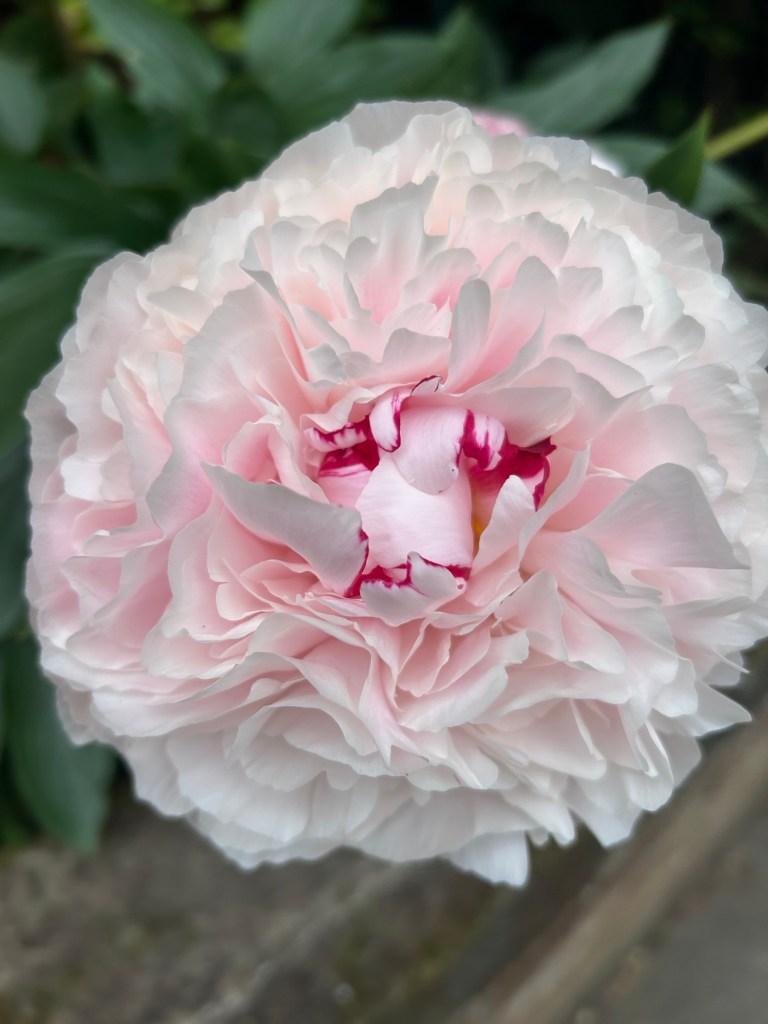
when archie rowe asked me out in middle school, he wanted us to keep our courtship a secret. we met behind the garages, through the school yard. he kissed me & played with my tits. [did i just use the word tits? there i’ve done it again] tits. i was well developed for me age. full blown blossomed boobies. boys will be boys. behind the garages, sprigs of pussy willow wept. shhh it’s his secret. too ashamed to be seen with a Blackgirlwoman.
*taken from a longer piece called, ‘Playing Palimpsest’, which appears in my full collection Darkling.



After a busy week so far, my body is calling for the easy days of summer. Summer reading is usually how I get to slow down. I’ve got nothing major planned for the summer months. Usually we go down south and house and dog sit. But this year I needed a change.
I’m not sure what that is at the moment. The change I’m looking for. But I’m looking forward to putting up my email message of being off the clock for summer. I’ve started a countdown to that time in my head now.
Call it the teacher still in me but I love my six weeks( or more) summer holidays. So I’ve started the slowdown with reading short stories. A quick and easy way to get back into the reading habit. As well as introduce me to new writers. Read the first two this morning as part of my morning routine. And continue to read The Moor throughout this week.
I’ve swept my back yard, and I’m going to spend more and more time out there, reading and dreaming as I want to start growing stuff back there. But first I need to get to know the space. Spend some time there instead one just passing through.
I’m so looking forward to being off the clock and lazing. Trying to complete my chapter on black mothering and fugitivity after requesting an extension. Nearly there. I’ve got to the first of July and then I can relax and start dropping commitments outside the home, work and responsibilities and just go feral for a while. Yes!
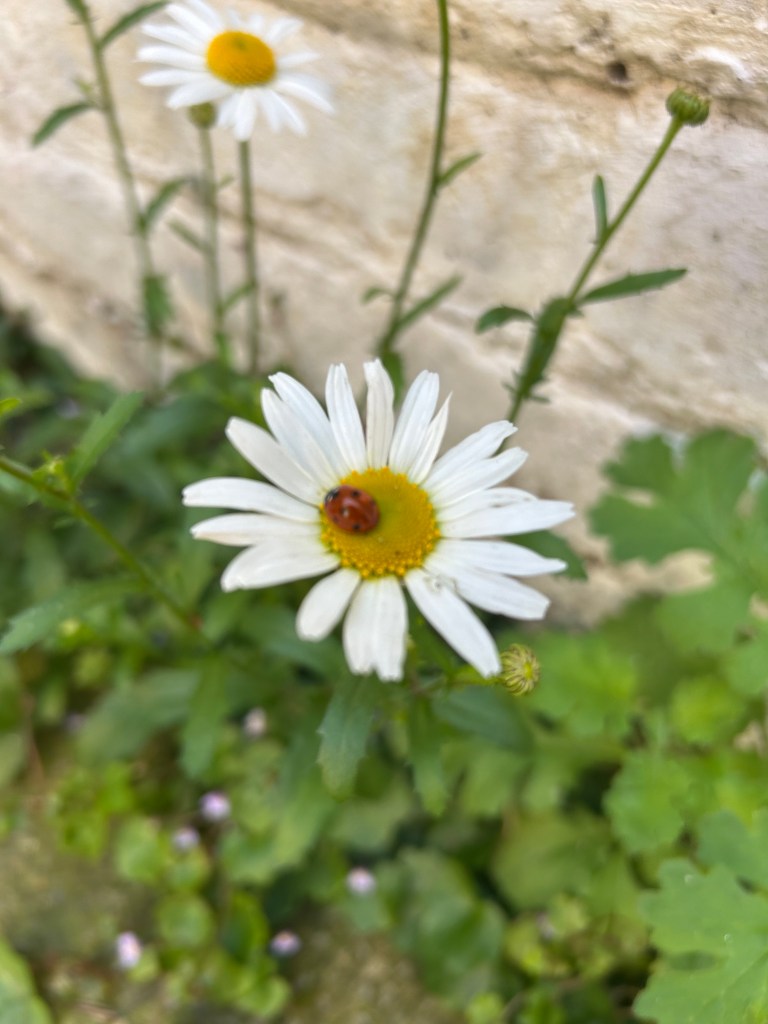
I’ve been seeking people, groups and organisations that I can become part of.
After a life changing anti-racism training session, which I no longer call it as such, where I realised that what I’ve been doing is really just continuing to centre whiteness and uphold white supremacy culture through this training, I feel the need to not be alone any longer in my views and activism.
I need comrades and solidarity in action.
This search for my tribe has seen me reaching out to the Revolutionary Communist Party( RCP) and the Revolutionary Communist Group – Fight Racism, Fight Imperialism, The Ella Baker School of Organising and their recent conference in London titled Defeating Narratives of Division and just yesterday, attending a meeting of the North East Anti-Racism Coalition. Let’s explore each of these experiences in turn as there has been much learning as well as clarification of where I stand in the mix.
First, my main concern around the anti-racism training I’d been doing for the last five years was that it wasn’t looking at the class system, oppression through class which is a result of capitalism. It really isn’t critical enough, or even analysing capitalism and how this is our common enemy. Through focusing on whiteness, white privilege and white supremacy culture is fails to acknowledge and really get to the roots of what and where racism came about. Race was the creation of the rich landowners afraid of the workers, both black and white, rising up and revolting. So they created the elevated status of whiteness, and the white class to bestow certain right and privileges on to the poor white workers who shipped over to the Americas for a better life form England as a means of separating them from this black workers they were so recently working side by side with. To continue to maximise profit through brutal working conditions the white working class was created, whiteness was now at the top of the hierarchy and could weld power over black workers who were once their comrades and fellow sufferers.
I realised that the common enemy is capitalism. We may have differences but we can find that common ground and come together to fight for better lives and conditions, or even destroy the whole capitalist system as then everyone, every worker would be better off. The means of production and money and gains within society would the shared out equally to all members of community. No one would be ruling over another, no bourgeois as Marxists would say.
I was looking for comrades and solidarity not allyship so I started to explore the Revolutionary Communist Party UK which split off from the Revolutionary Communist Group ( Fight Racism, Fight Imperialism) in 1978. I’ve been exploring them both really once I established the distinction between them. I’ve reached out to both, subscribed to the newspaper, Fight Racism, Fight Imperialism and bought some books. I must say it’s kind of like a labyrinth to try and get involved. The need for some connection or someone to just respond in an email what they are doing and how someone like me could get involved was needed. They want to talk to you on the phone and share what they are doing and almost interview me in terms of what I’m looking for or do or think. I’ve felt at times as if I was being tested for something.
Then I received a long essay to read. Marxism ‘v’ Identity Politics, which is what the RCP stands behind and I assume RCG ( FRFI) do also. It’s a long read but I persevered. From the beginning by back was up because they were talking about women, and women being slaves to men and being oppressed before capitalism was created. I got the feeling that when they were mentioning women they were referring to white women. But I read on. And in all honesty I cannot stand behind this document if this is what Marxist and Communists stand for.
I know within this document , it is repeated that Marxists stand against all oppressions and yet it still uses the language of the oppressor in terms of using ‘immigrants and non-whites’ and ‘oppressed minorities’ . I find its tone offensive, condescending and dismissive.
Failing to acknowledge that Third World/ Black Feminism has always been about fighting all oppressions for the betterment of all, being anti-capitalist, anti-imperialist etc. I feel where feminism is mentioned within the article it is just referring to white feminism.
I do take on board and agree to a certain degree that intersectionality and identity politics are divisive. I have tended to adopt an intersectional approach to issues now. But I have to take issue with the lack of respect and care demonstrated towards people’s difference within the piece. It almost feels as if the document is calling people who fight along identity lines against oppression as stupid or near sighted and just thinking of the individual.
There is a case for being forceful and adamant about what Marxism stands for, but I just didn’t feel the care and kindness and joy within the piece which I seek within any movement I am part of.
So I’ve left my Marxist/ Communist involvements there as they focus on the workers, as capitalism, imperialism, colonialism are the problems, we can come together and fight together on but not at the expense of love as the foundation. I felt the love and joy at the recent Defeating Narratives of Division conference in London with the Ella Baker School of Organising but I think this was coming directly from the creatives present as well as the gay and trans-people present. That’s how we want our movement to feel, joyful , respectful and loving and caring for each other. I am still waiting to hear back from the organisers of this conference in how I can get more involved.
Finally, yesterday I took a trip to Hartlepool to attend the North East Anti-Racism Coalition gathering so find out what they are all about and up to. Formed in 2024, they aim to make the North East a region that actively opposes racism and hatred based on religious identity. I was interested in finding out about their journey this far, what they stand for and what are their next steps. It was well attended, with the majority of people being white. After details about how the coalition has developed and where they see things going focusing on campaigns, membership, raising awareness and learning, we were tasked, our tables, to introduce ourselves and why we were there. I was the only black person on the table and while I said I was there to agitate, others were there to gain information to take back to their organisations, maybe not realising that they were also there to give not just take. But let’s go on.
Next was the keynote speaker, Matt Storey from Cleveland Office of the Police and Crimes Commission. He gave a powerful speech about how diversity within the region is a positive, a strength and how they are standing up against the racist riots of last summer, but he frequently referred to people of the global majority within the region as immigrants, or refugees and asylum seekers, people who had come here on boats so to speak, not once referring to the black and brown people who were born here in the UK, or the region who have been here for hundreds of years. For me this is just playing into the narrative that we do not belong here. There was talk of fighting and defending these diverse groups of people, again falling into the white savourism narrative. I am not your victim, I do not need saving, I need comrades and solidarity. We don’t need any more heroes thank you.
From here it was to get into working groups to focus on such things as membership, campaigns, learning hubs, and research. Let’s just say something about their research. It was billed as if the coalition was going to share some research. The person presenting their findings another white person came to the conclusion that more research was needed and was beyond the scope of the working group and should be taken on board by the wider/ whole coalition. The research proposed, you guess it, a survey of black and brown people in the region to share their experiences of racism. It can be done anonymously but if you give your contact details you will be put into a prize draw to win £100 in shopping vouchers. So please share with your networks as the deadline is 18 July.
Of course everything I’ve just said there about the survey is done in a sarcastic tone as I am not promoting people of the global majority in the region to complete this survey as from my point of view there is plenty of research completed which demonstrate racism exists. Maybe they want some up to date data after the riots of 2024, but still I’m sure there is research out there where they wouldn’t have to exploit or expect us to share our experiences once more or fall into this habit of having to prove it exists once again. There was no mention or indication as to what this research would be used for afterwards either.
I joined the campaign working group to see what was happening there. One question we talked about in smaller groups was how can we build better connections across difference. Things that came up was attempting to find that common ground, where there is mutuality over issues that we can come together on and work together on to bring about change for everyone. Yes I can get behind this.
But then, from the few other black and brown people who were part of this small group, I got the impression that is was a competition to share as many stories and instances of when and where they experienced racism. Of course the white people in the group were lapping this up but I felt it was again a way to prove that racism exists and is happening or has been happening within the region for generations. And this is true, but for me I am past trying to convince anyone that racism exists. For me it is a given, let’s move on. For me it’s just treading water.
And the last point, from another group’s feedback, a white woman speaking said that it would be really important for building connections to hear first hand from black and brown people about their lived experiences around racism. It helps others to understand it, she said. And I disagreed saying it just re-traumatises someone to retell their experiences of racism again and again to strangers, no doubt. A black man disagreed stating that we should be sharing, telling our stories. And I just said well from personal experience, I’d rather not be triggered and again it’s as if we are spending our energy on trying to prove it exists. That racism exists. I’d rather focus on our joy, black joy which white people do fin threatening but at least ti would demonstrate we’re not just cardboard cut outs created to experience race and racism.
After this I left. I left early because I’d had enough. I felt as if I was on different page to people who where at the event. I know it’s not an either/ or, it’s a both/and. But for me what was lacking was listening to each other. People were talking over each other, people were there to take at the same time as be heard, but there wasn’t much giving and listening.
I know I’m a lone wolf in terms of being fugitive. In terms of the way I think and operate. I listen and consolidate and try to meet a consensus but there was just not enough respect and comradeship within the room for me. It was very transactional and very little care and love and kindness.
So I’m still on the hunt for my tribe. I wanted to contribute to whatever was happening already. Contribute to the flow already happening. But as of yet I have not found this space. Maybe need to create my own that can hold all the contradictions and differences but is build on solidarity, respect, kindness, care and love.

When I know I have a busy day, in commitment to others and outside the home, I make sure I claim back my time. I get up early and feed my pot first. I prioritise me.
This morning saw me up at 6am and out, down to the sea.

It was so beautiful this morning, with a slice of lemon on the horizon. I knew I’d made the right decision to get up and out, while the rest of the world was sleeping.

And of course I had to get in. June and the water is still cold. So it woke me up, job done. But it also calmed and focused the mind. When I’m with the sea, I can do anything. Nothing is an issue or a problem. It’s just gravy.
Once out of her embrace, I took to walking along the front, continuing my ultramarathon training, increasing my time on my feet each day.
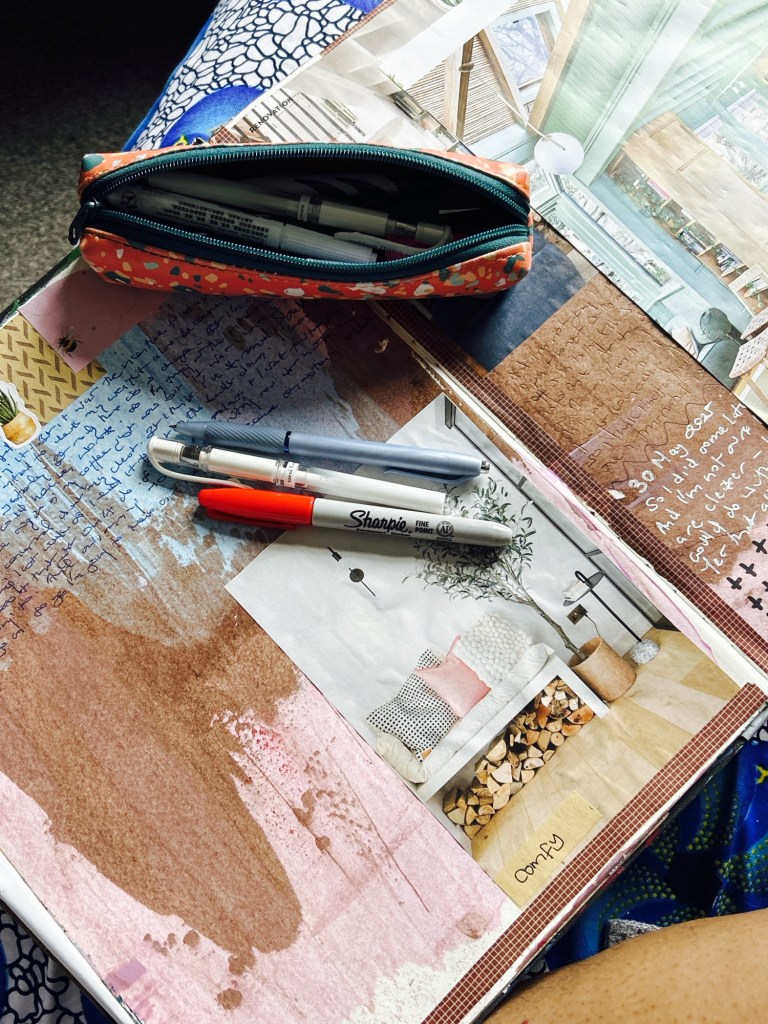
Now home and completing my visual journaling over coffee. I’m satisfied. I know I’ve given myself the time to ease into the world on my own terms. This means I’m a happy bunny and for the rest of the day, I’ll be basking in this joyful light.
Anyone who comes into my rays will be blessed.
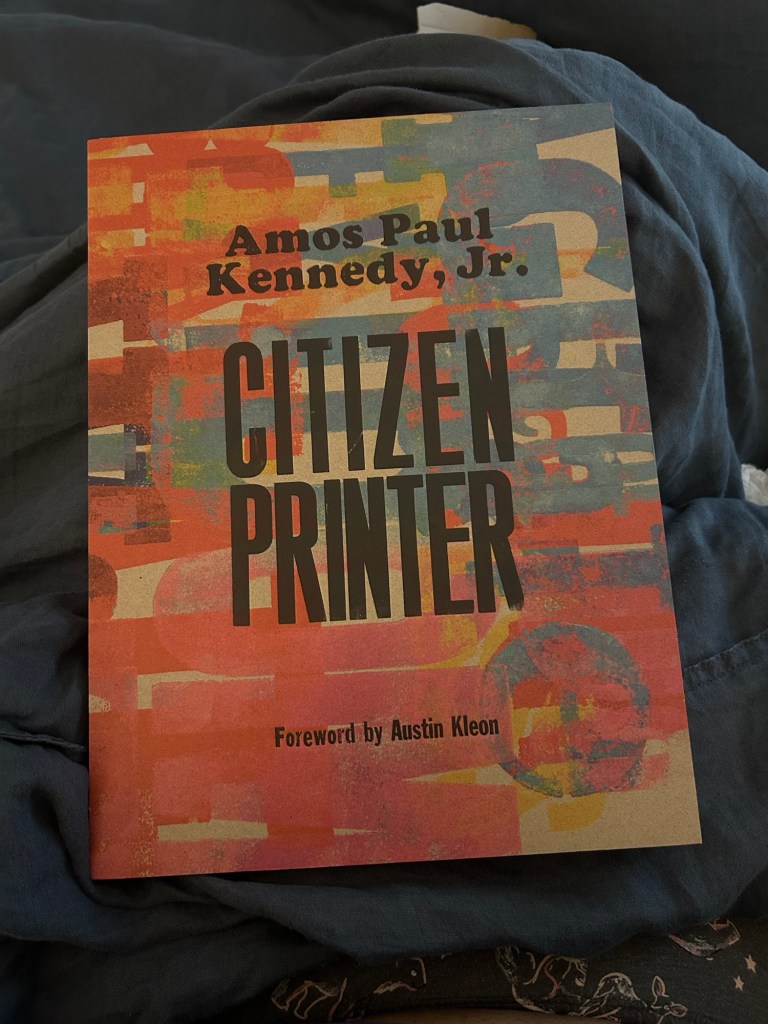

joy joy happy happy joy. LUSH!
 Living Wild Studios