Describe one positive change you have made in your life.
It’s a luxury I know. It’s probably frowned upon. It’s probably not seen as productive within white supremacy culture. It’s probably classed as dangerous. I know it’s where the best insights happen.
In the morning. In my bed. In a book (non-fiction at that).
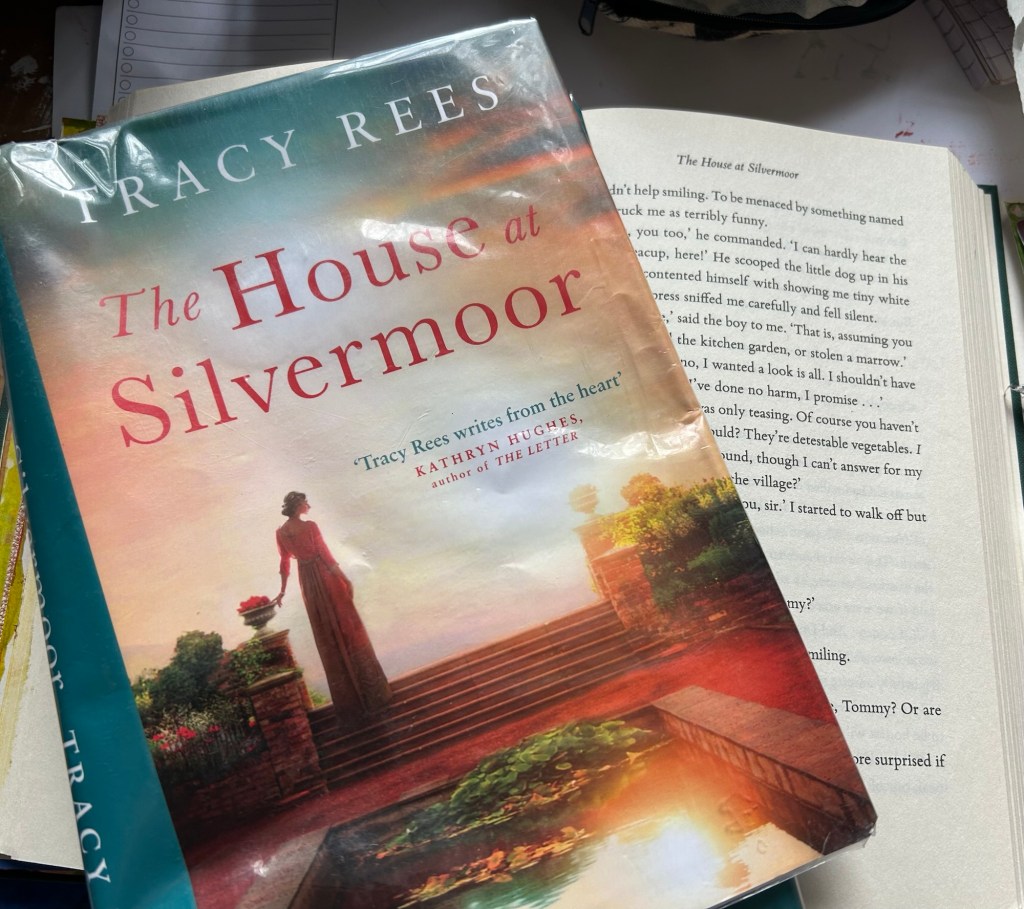
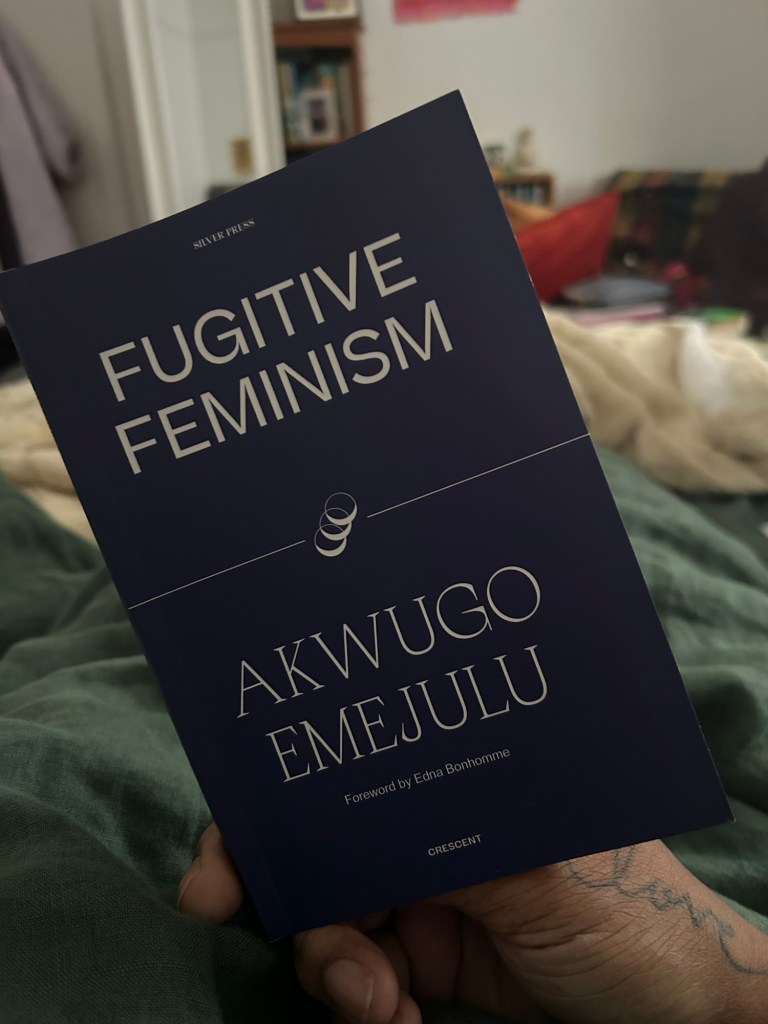
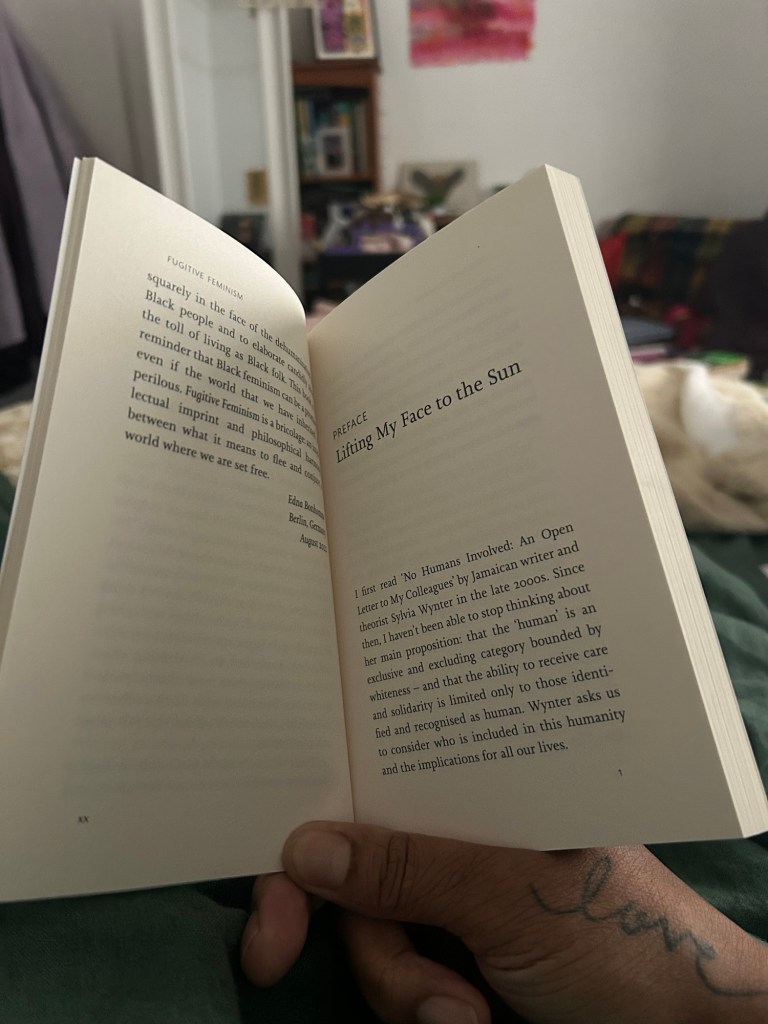
As I mentioned yesterday, I’ve taken to my bed. Well really, I don’t leave my bed, in the morning, until I’ve had a thorough lazy read. A slow imaginative wandering through my current squeeze of a book.
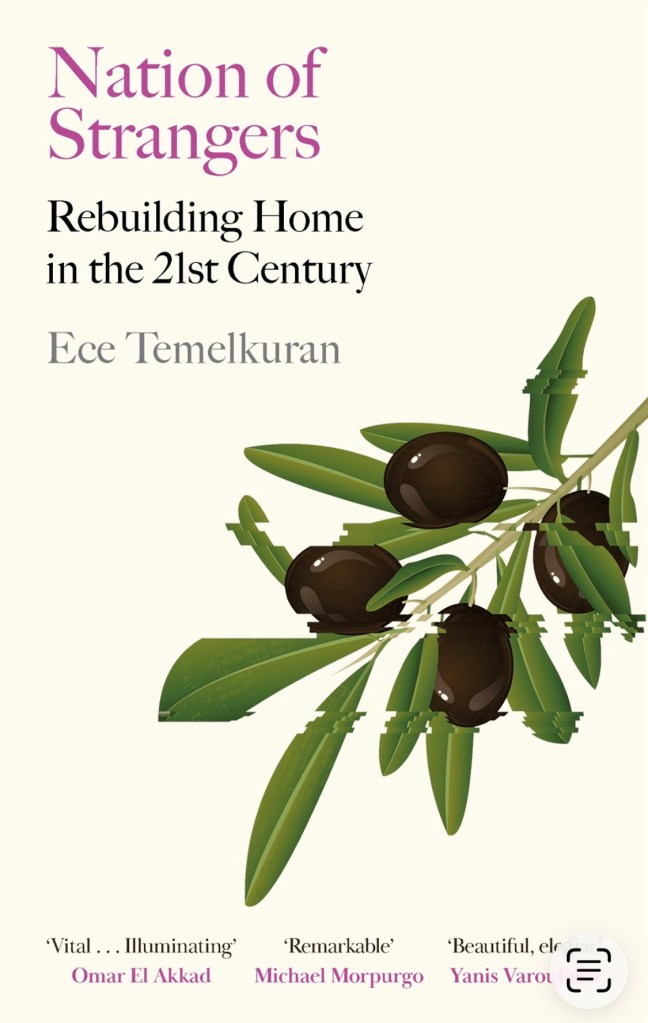
A Nation of Strangers by Ece Temelkuran, an exiled Turkish author who is unhomed but can see how we’re all becoming unhomed , one way or another, due to the rise of fascism.
Climate refugees, political dissenters, people seeking asylum from persecution, may be where our minds go when we think of the homeless. And yet, within these times of far right practices, war and genocide, the silent majority may still be in their homes but feel no longer at home.
Home is no longer what we knew it to be. Home is no longer safe and stable. Home is terror and fear. Home becomes strange. We become strangers and unhomed.
Some of us have never felt at home even when we have made our homes here in the UK as the message has always been we’re not welcome here. We do not belong here. Even if born here.
We search for a language to talk, to share our feelings and experiences of being a stranger within our own lands. It’s a practice.
I continue to practice reclaiming my mornings. Reclaiming the slow rise, reclaiming the time and space to read at leisure. Finding some refuge, some peace within a cocoon of sheets and pillows. Warm and cosy and safe for now.
“When Brian asks me about the word exile as we sit in front of the audience, the words come out of me as if a film ribbon were spooling off its reel.
‘Let me list why this exile thing is no longer plausible and, in fact, already a stale joke. One: Exile is not as sexy as it has been, despite what some still want to assume. I know Westerners still like to think of Europe as the safe haven for the oppressed intellectuals of the Global South, but that is giving too much credit to Europa when thousands are pushed back into the sea to die. Putting the spotlight on “the exile” to divert from “the refugee” operates as a crisis management tool, if not a branding strategy for Europe’s self-image. The Europeans’ need to believe that the continent is still a civilised haven is as critical as the refugees’ need for safety. Two: Exile is a title of nobility that generates undeserved attention. The undocumented refugees, the precarious majority of the unhomed, don’t even get a chance to relay their name so it can be put on their tombstone, whereas an exile is asked too often. Alas, many of us accept the invitation to go on and on about ourselves. We are the boring windbag aristocrats of the greater society of the unhomed. Three: The title exile gives you only two chances in life – you are either kept hostage by your personal melodrama or enslaved by the constant urge to reject your tragedy. Life cannot be diminished into such an unending test of dignity, and it certainly cannot be confined to the limits of the self. Four: If one accepts the title exile, one can never arrive home. But the fifth and the most important reason is …’
For a split second, I catch a glimpse of the listening faces. They are mostly activists, people who are already at work to build a new world, a new home. And it is hard to put your finger on it, but when you know, you know – they are with me, we are in sync. Also, now that ‘the most important’ has already escaped my mouth, I am at that delicious moment of no return. I gear up.
“Yes, the most important reason is that you are no different than me. Do you, I mean, let’s be honest here, do you really think you are more at home than me? Of course not. Otherwise, why would you, as beautiful human beings of the earth, be trying to change the world and talk about building communities all the time? Why would you imagine shelters from, rather than movements against the new fascism building around the globe? Don’t you think there is already a sense of defeat there? Aren’t you already admitting that the world is not your home anymore but a hideous jungle from which you need to seek shelter? Yes, we are many in our discontent, but still, we cannot make enough of a majority; we cannot shape the political reality into a new home. We are not powerful enough to make this world our home again, not yet. From where I sit, you are no less homeless than me. Or, if you like the word better, we are all exiles already. Misfits, outcasts, the displaced and the disowned. We are the strangers of the world”Excerpt From
Nation of Strangers
Ece Temelkuran
 Living Wild Studios